
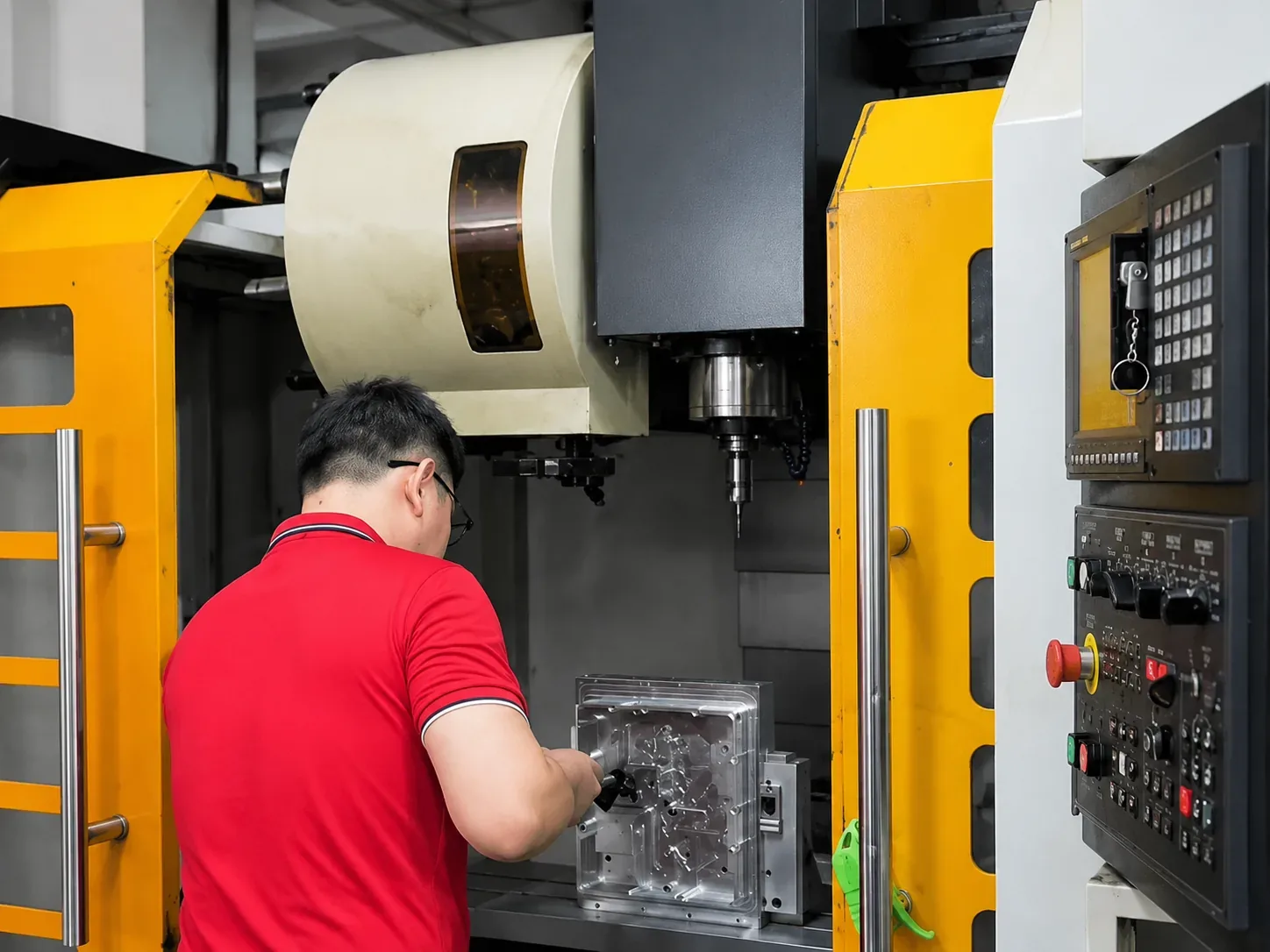
CNC machining is a manufacturing process that utilizes computer-controlled machines to precisely remove material from a workpiece, creating custom parts and components. It involves CAD/CAM software for design, programming, and execution across diverse industries. Applications include aerospace, automotive, and medical manufacturing, offering high precision and efficiency for both prototyping and large-scale production.
For industrial buyers, CNC machined is not only a general manufacturing method. It is also widely used to produce CNC machining parts such as shafts, bushings, brackets, housings, inserts, connectors, and other custom metal or plastic components based on drawings.
Working Principle
CNC machining operates by interpreting CAD (Computer-Aided Design) files into precise commands for machine tools. The process typically involves:
- Design & Programming: CAD software creates the design, and CAM (Computer-Aided Manufacturing) translates it into machine-readable code.
- Machine Setup: Tools and materials are loaded, and parameters are configured.
- Material Removal: The CNC machine executes programmed instructions to cut, drill, mill, or shape the workpiece.
Types of CNC Machines
| Type | Description | Applications |
|---|---|---|
| CNC Milling Machine | Removes material using rotary cutters. | Prototyping, mold-making, precision parts. |
| CNC Lathe | Rotates the workpiece against cutting tools for cylindrical designs. | Shafts, pipes, and fittings. |
| CNC Router | Designed for cutting soft materials like wood, plastics, and composites. | Furniture, signage, and cabinetry. |
| CNC Plasma Cutter | Uses a plasma torch to cut conductive materials like steel and aluminum. | Industrial metal fabrication. |
| CNC EDM | Uses electrical discharges to shape hard metals. | Die-making, aerospace components. |
In practical manufacturing, CNC turning parts are usually produced by CNC lathes for round or cylindrical components, while CNC milling parts are produced by milling machines for flat surfaces, holes, slots, pockets, and complex structural features. Many custom parts may also require both turning and milling operations.
Luckyhxs Pro Tip: At Luckyhxs, we recommend CNC milling for high-precision prototypes and CNC lathes for cylindrical parts. Always select the machine type based on material and design requirements.
What does CNC stand for?
CNC stands for “Computer Numerical Control.” It refers to a manufacturing process where pre-programmed software and code control the movement of machinery and tools. CNC is widely used in industries for precise cutting, drilling, milling, and shaping of materials, ensuring high accuracy and repeatability.
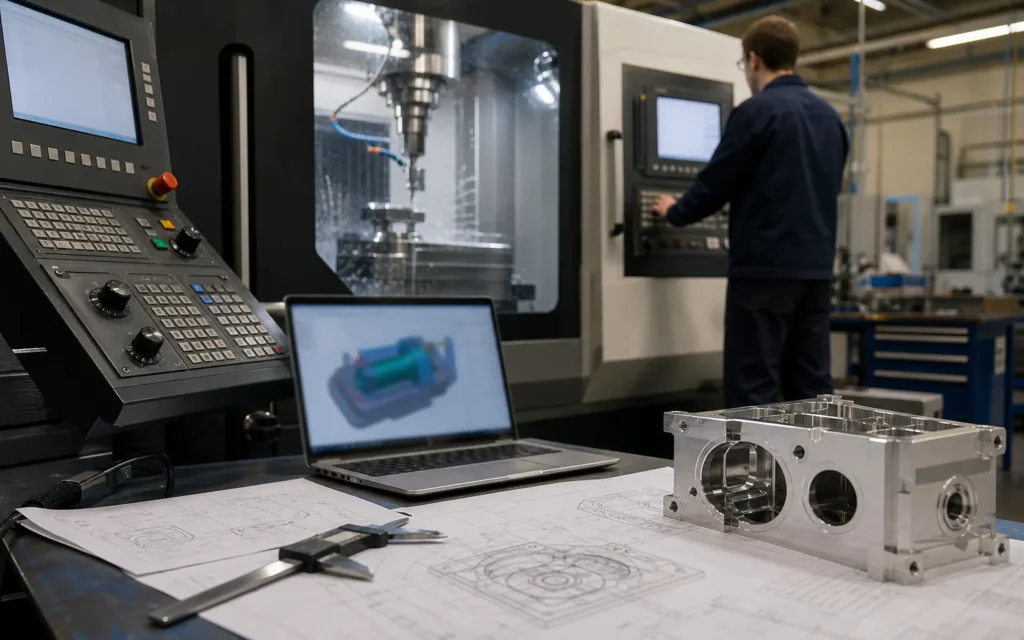
How CNC Works
CNC machines operate by translating digital designs into instructions that control the movement of machine tools. This process involves the following steps:
- CAD Design: A computer-aided design (CAD) file is created to define the part’s geometry.
- CAM Software: The CAD file is converted into a machine-readable format using computer-aided manufacturing (CAM) software.
- G-Code Generation: The CAM software produces G-Code, a programming language that guides the CNC machine.
- Machine Execution: The CNC machine executes the G-Code to cut, drill, or shape the material with high precision.
Key Applications of CNC
CNC technology is utilized across various industries, including:
- Automotive: Manufacturing engine components and intricate car parts.
- Aerospace: Crafting high-precision aircraft components.
- Medical: Producing surgical instruments and prosthetics.
- Electronics: Creating circuit boards and enclosures.
- Construction: Cutting and sculpting structural materials.
Pros & Cons of CNC Technology
| Pros | Cons |
|---|---|
| High precision and repeatability | High initial investment cost |
| Reduces human error | Requires trained operators |
| Faster production times | Maintenance can be complex |
| Supports complex designs | Limited flexibility for manual adjustments |
Conclusion & Expert Tip
CNC technology revolutionized manufacturing by automating processes and improving accuracy.
Luckyhxs Pro Tip: We found that regularly updating your CNC machine’s software and maintenance schedule significantly improves its performance and extends its lifespan. Always ensure your G-Code is optimized for efficiency!
What are the 7 types of manufacturing processes?
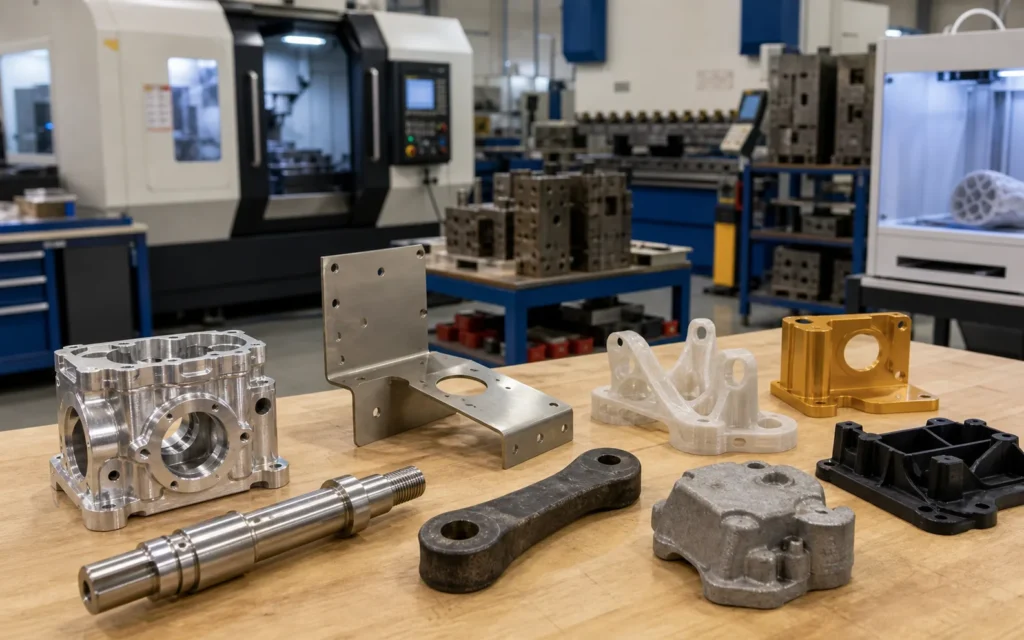
The seven types of manufacturing processes include casting, forming, machining, joining, additive manufacturing, molding, and shearing. Each process is tailored for specific materials and product requirements.
Comparison Table
| Process | Description | Common Applications |
|---|---|---|
| Casting | Pouring molten material into a mold. | Engine blocks, pipes. |
| Forming | Shaping material through deformation. | Metal sheets, wires. |
| Machining | Removing material to shape parts. | Gears, tools. |
| Joining | Combining materials via welding, etc. | Frames, structures. |
| Additive Manufacturing | Building parts layer by layer. | Prototypes, small runs. |
| Molding | Shaping material in molds. | Plastic parts. |
| Shearing | Cutting material with sharp tools. | Sheet metal trimming. |
Luckyhxs Pro Tip: In our experience, combining additive manufacturing with CNC machined is highly effective for prototyping complex designs.
How can CNC machining streamline production processes for bulk manufacturing in B2B industries?
CNC machining automates production, reducing lead times, ensuring consistent quality, and minimizing labor costs. Its scalability and precision make it a cornerstone for bulk manufacturing in B2B industries, such as automotive and industrial equipment.
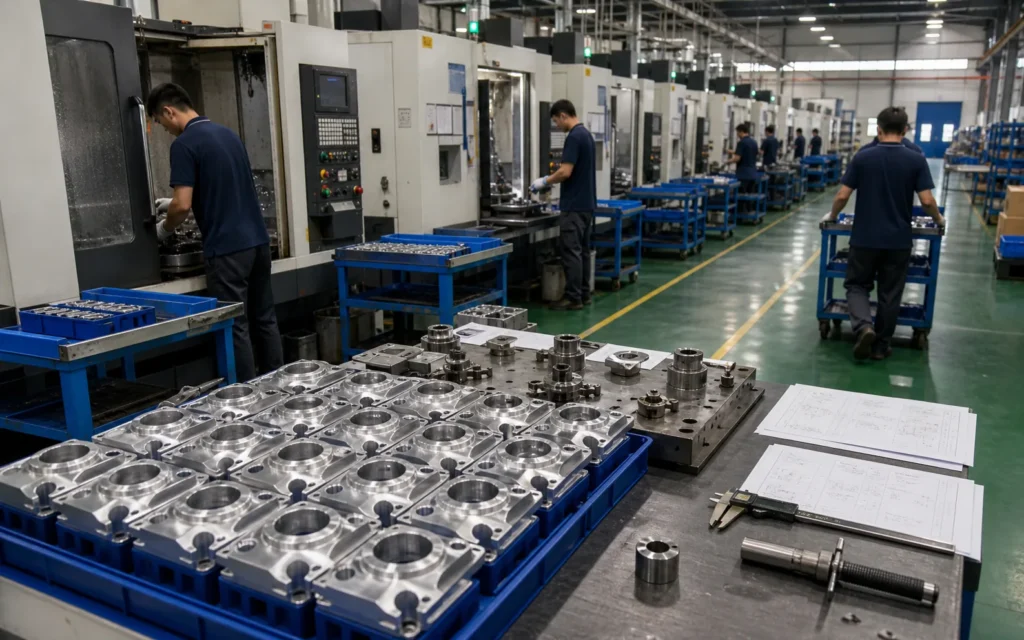
Benefits for B2B Manufacturing
- Reduced Costs: Automation lowers labor expenses.
- Consistency: Ensures uniformity across large batches.
- Flexibility: Easily adapts to design changes.
Luckyhxs Pro Tip: We’ve observed that integrating CNC machining with ERP systems enhances production efficiency and inventory management.
What factors influence the wholesale pricing of CNC-machined components for large-scale procurement?
Key factors include material choice, part complexity, order volume, machining time, and surface finish requirements. Larger orders generally benefit from economies of scale, lowering per-unit costs.
Pricing Breakdown
- Materials: Exotic or high-strength materials cost more.
- Complexity: Intricate designs require longer machining times.
- Order Volume: Bulk orders reduce setup costs.
- Finishes: Premium finishes increase costs.
Luckyhxs Pro Tip: In large-scale procurement, we recommend prioritizing cost-effective materials without compromising functionality to keep project budgets in check.
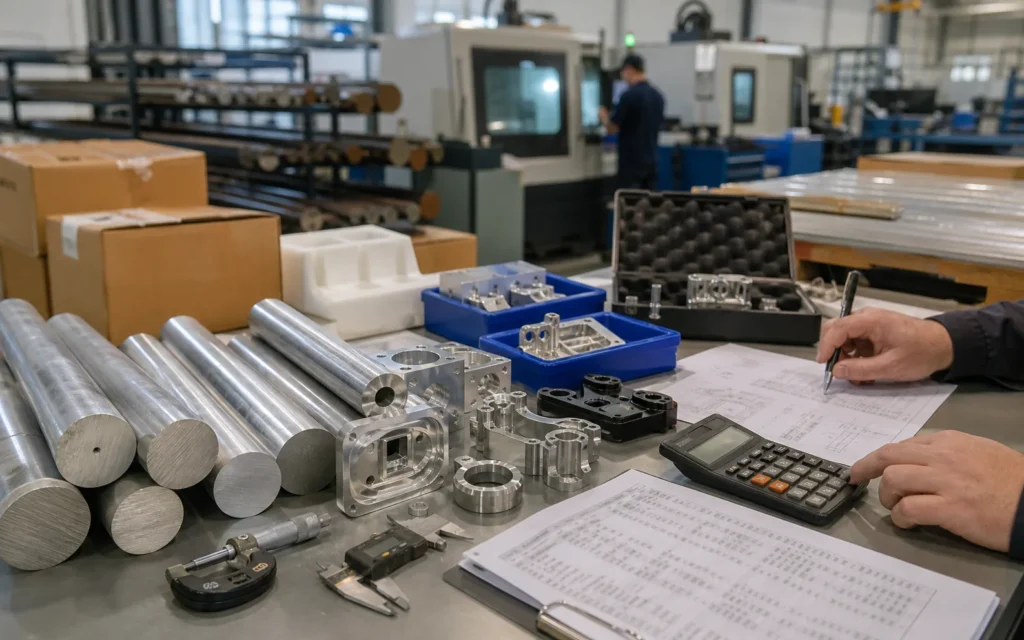
How to choose a CNC machining supplier?
Choosing a cnc machining manufacturer involves evaluating their technical expertise, quality certifications, production capabilities, material options, lead times, pricing, and communication practices. Prioritize suppliers with proven experience, state-of-the-art equipment, and a track record of meeting specifications consistently for your industry. Request samples, review case studies, and consider scalability for future needs.
Factors to Consider When Selecting a CNC Machining Factory
1. Assess Technical Expertise and Capabilities
Evaluate the supplier’s ability to meet your specific machining requirements. This includes:
- Equipment: Ensure they use advanced CNC machines capable of achieving tolerances and finishes suitable for your project. Learn more about CNC machines.
- Materials: Check if they can work with the material you need, such as metals, plastics, or composites. For example, composite materials are widely used in industries like aerospace and automotive.
- Industry Experience: Look for expertise in your field, whether aerospace, automotive, medical, or consumer goods.
2. Review Quality Assurance and Certifications
A trustworthy supplier will have robust quality control processes in place. Key certifications to look for include:
- ISO 9001: General quality management systems. Learn more about ISO 9001.
- AS9100: Aerospace industry standards. For details, visit AS9100.
- ISO 13485: Medical device manufacturing standards. Explore ISO 13485. Additionally, ask about their inspection tools, such as CMM (Coordinate Measuring Machines), and request documentation for tolerances and quality checks.
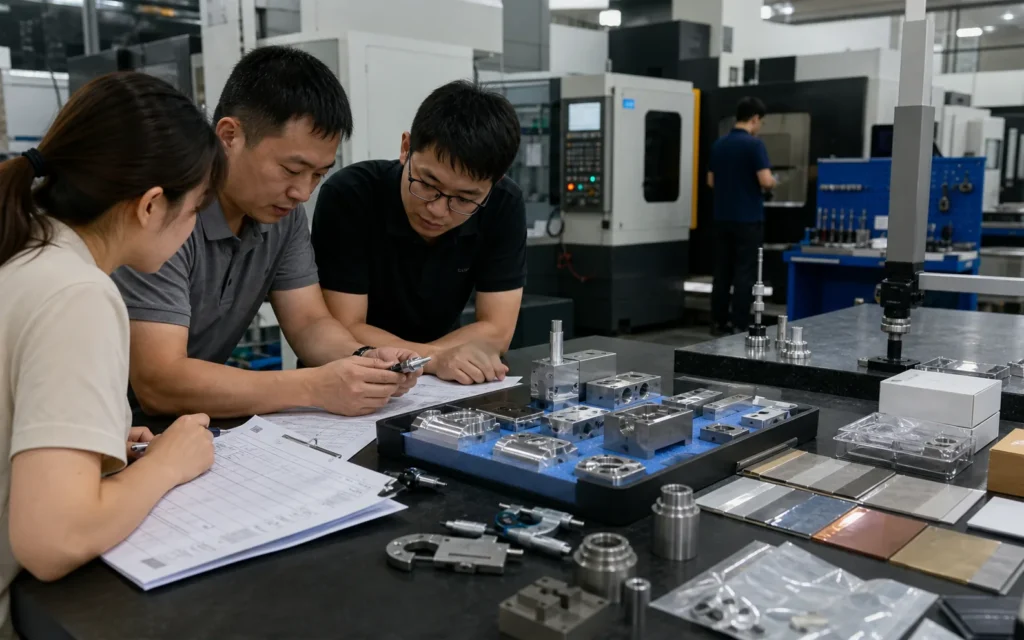
3. Compare Pricing and Lead Times
While cost is important, prioritize value over the lowest price. Consider:
- Quoting Transparency: Ensure the supplier provides a detailed breakdown of costs.
- Delivery Reliability: Confirm their capacity to meet your timelines, especially for high-volume or tight-tolerance projects.
- Hidden Costs: Watch for hidden fees related to setup, materials, or post-processing.
4. Evaluate Communication and Customer Support
Clear and responsive communication is critical for project success. Assess:
- Responsiveness: How quickly do they reply to inquiries and address concerns?
- Technical Support: Do they offer design-for-manufacturing (DFM) feedback to optimize your parts?
- Post-Sales Service: Are they willing to address any issues or make corrections after delivery?
Common Mistakes to Avoid When Choosing a CNC Supplier
- Overlooking Certifications: A lack of recognized quality standards can lead to inconsistent results.
- Ignoring Scalability: Select a supplier who can adapt to your future growth needs.
- Focusing Solely on Price: Low costs may result in poor quality or missed deadlines.
Conclusion & Expert Tip
Selecting the right CNC machining supplier ensures consistent quality, cost-efficiency, and timely delivery for your projects.
Luckyhxs Pro Tip: “We’ve found that visiting a supplier’s facility—either in person or virtually—provides invaluable insight into their capabilities, equipment, and quality processes. It’s one of the best ways to ensure they align with your expectations.”
Conclusion
CNC machining is a versatile manufacturing solution, offering unparalleled precision, efficiency, and scalability. From custom prototypes to bulk production, it continues to reshape industries with its advanced technology and adaptability.