
Custom CNC Machining Parts
Built to Your
Drawings
Lucky HXS CNC provides precision turning, milling, Swiss machining and mill-turn solutions for custom metal and plastic parts.
From rapid prototyping to repeat batch production, we support drawing-based manufacturing with stable tolerances, inspection control and responsive engineering support.
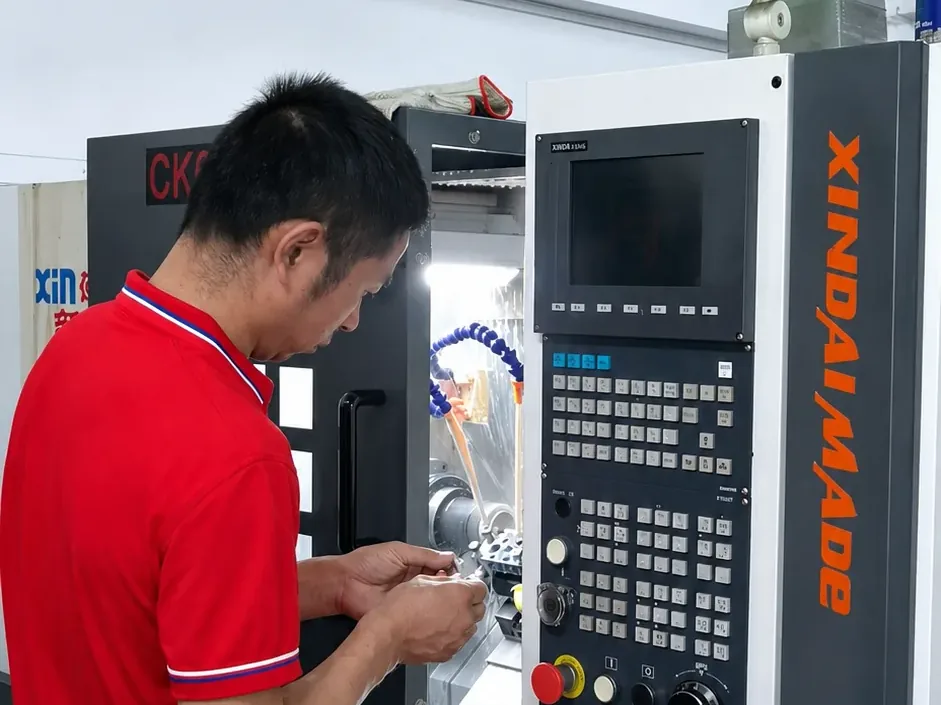
CNC Machining Parts We Manufacture
We manufacture custom, non-standard CNC components based on customer drawings and technical requirements. The following categories represent common parts we produce, not fixed-size stock products.
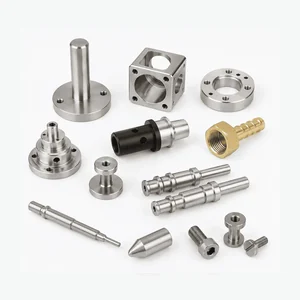
CNC Machined Pins
Locating pins, alignment pins, guide pins, contact pins, connector pins and positioning pins.
View Capabilities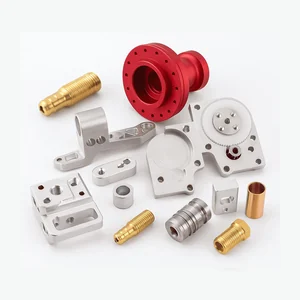
CNC Milling Parts
Custom plates, brackets, housings and structural components with complex holes, pockets and profiles.
View Capabilities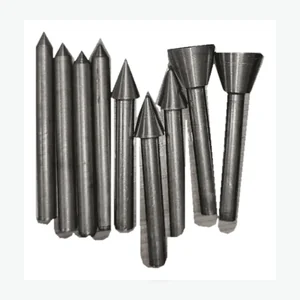
Precision Shafts
Motor shafts, stepped shafts, threaded shafts, rotary shafts and miniature shafts with controlled concentricity.
View Capabilities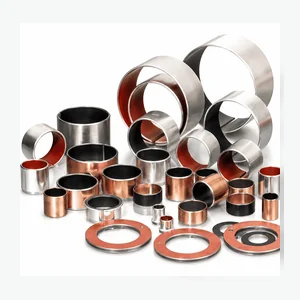
CNC Bushings & Sleeves
Precision bushings, bearing sleeves, guide sleeves, spacer sleeves and thin-wall sleeves.
View Capabilities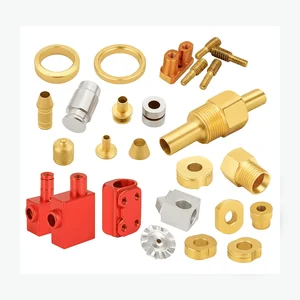
CNC Turning Parts
High-precision round components manufactured by CNC lathes, automatic lathes and turn-mill machines.
View Capabilities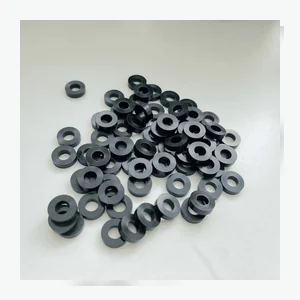
CNC Spacers
Round spacers, threaded spacers, hex spacers and precision stand-off components.
View Capabilities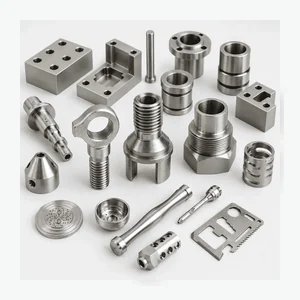
Threaded Parts
Threaded inserts, threaded bushings, sleeves, studs, custom nuts, bolts and special fasteners.
View Capabilities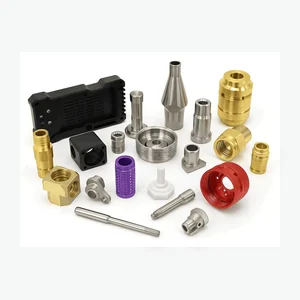
Connectors & Fittings
Metal connectors, threaded connectors, brass connectors, stainless steel fittings and fluid connectors.
View Capabilities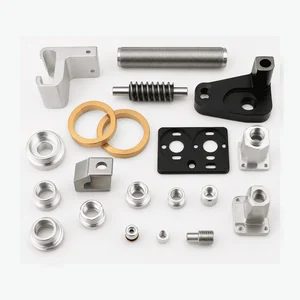
CNC Brackets
Mounting brackets, sensor brackets, camera brackets, motor brackets and automation support components.
View Capabilities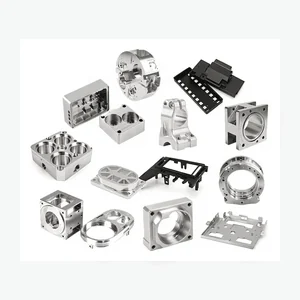
CNC Housings
Motor housings, sensor housings, electronic housings, equipment enclosures and precision shells.
View Capabilities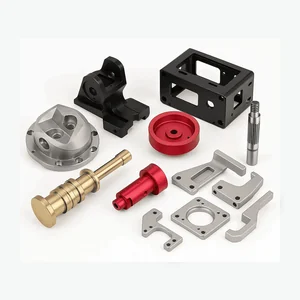
Valve & Pump Parts
Valve bodies, valve cores, valve seats, pump shafts, pump sleeves, nozzles and sealing components.
View Capabilities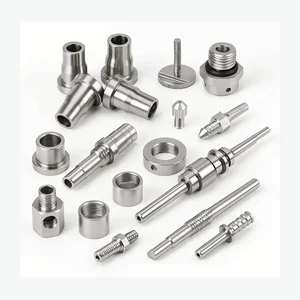
Swiss Machined Parts
Small, slender and complex precision components manufactured in one setup for improved concentricity.
View CapabilitiesDo not see your part type listed?
We also manufacture other custom components based on your drawings, samples and application requirements.
Materials and Surface Finishes
We machine metals and engineering plastics based on part function, application environment, tolerance requirements, and surface finishing needs.
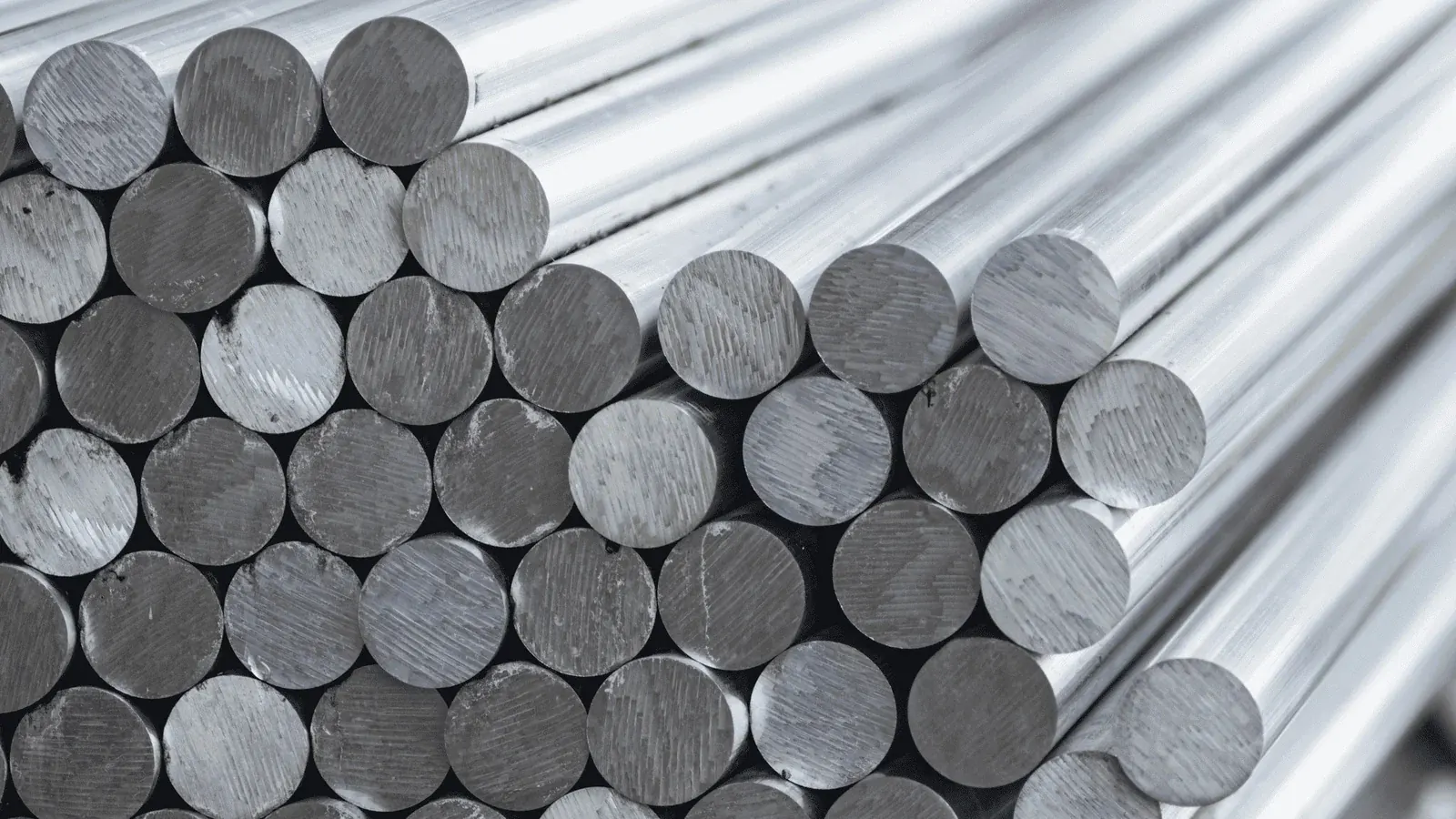
Aluminum 6061 / 6063 / 7075
Suitable For
Used for housings, brackets, heat sinks, structural parts, and lightweight CNC milling parts.
Surface Finishes
Anodizing / Painting / Sandblasting / Polishing / Black Oxide
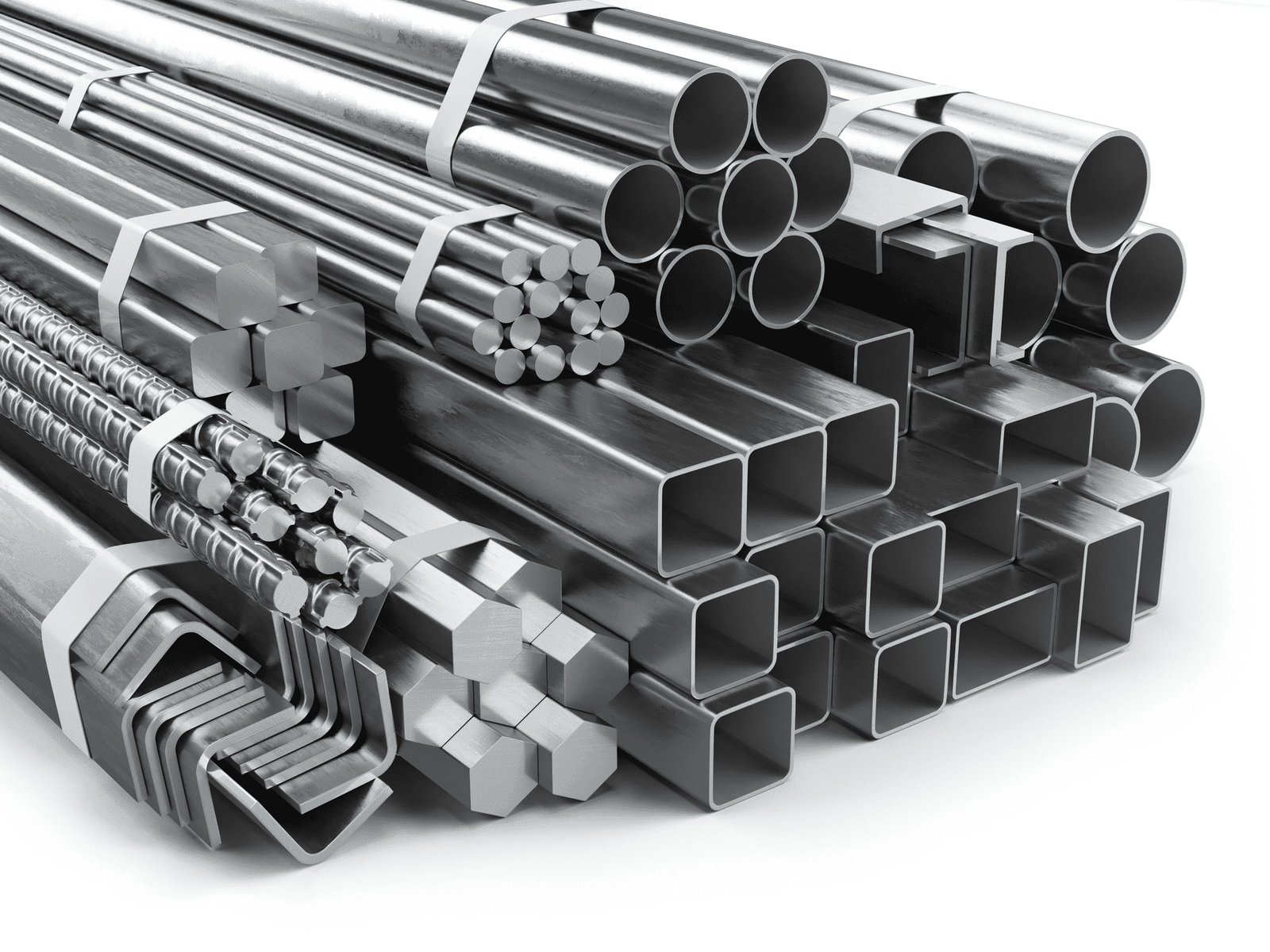
Stainless Steel 303 / 304 / 316
Suitable For
Used for shafts, sleeves, fittings, connectors, and corrosion-resistant CNC turning parts.
Surface Finishes
Polishing / Passivation / Brushing
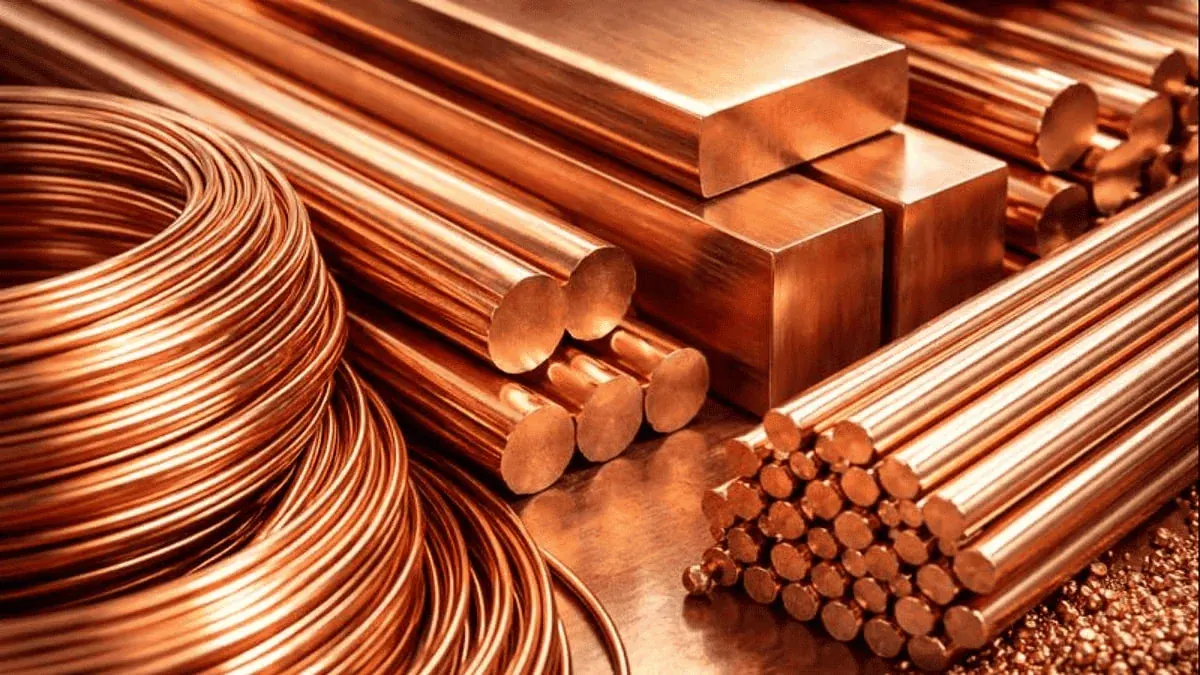
Brass & Copper
Suitable For
Used for threaded inserts, copper nuts, conductive pins, sleeves, studs, and electrical components.
Surface Finishes
Nickel Plating / Tin Plating / Polishing / Gold Plating / Silver Plating / Galvanize
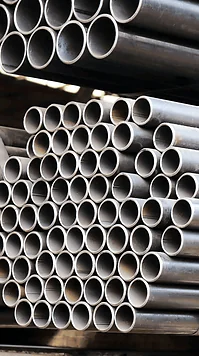
Free-Machining Steel
Suitable For
Used for precision turned shafts, pins, bushings, and threaded parts with stable machining performance.
Surface Finishes
Black Oxide / Nickel Plating /Blue Zinc Plating / White Zinc Plating / Colored Zinc Plating
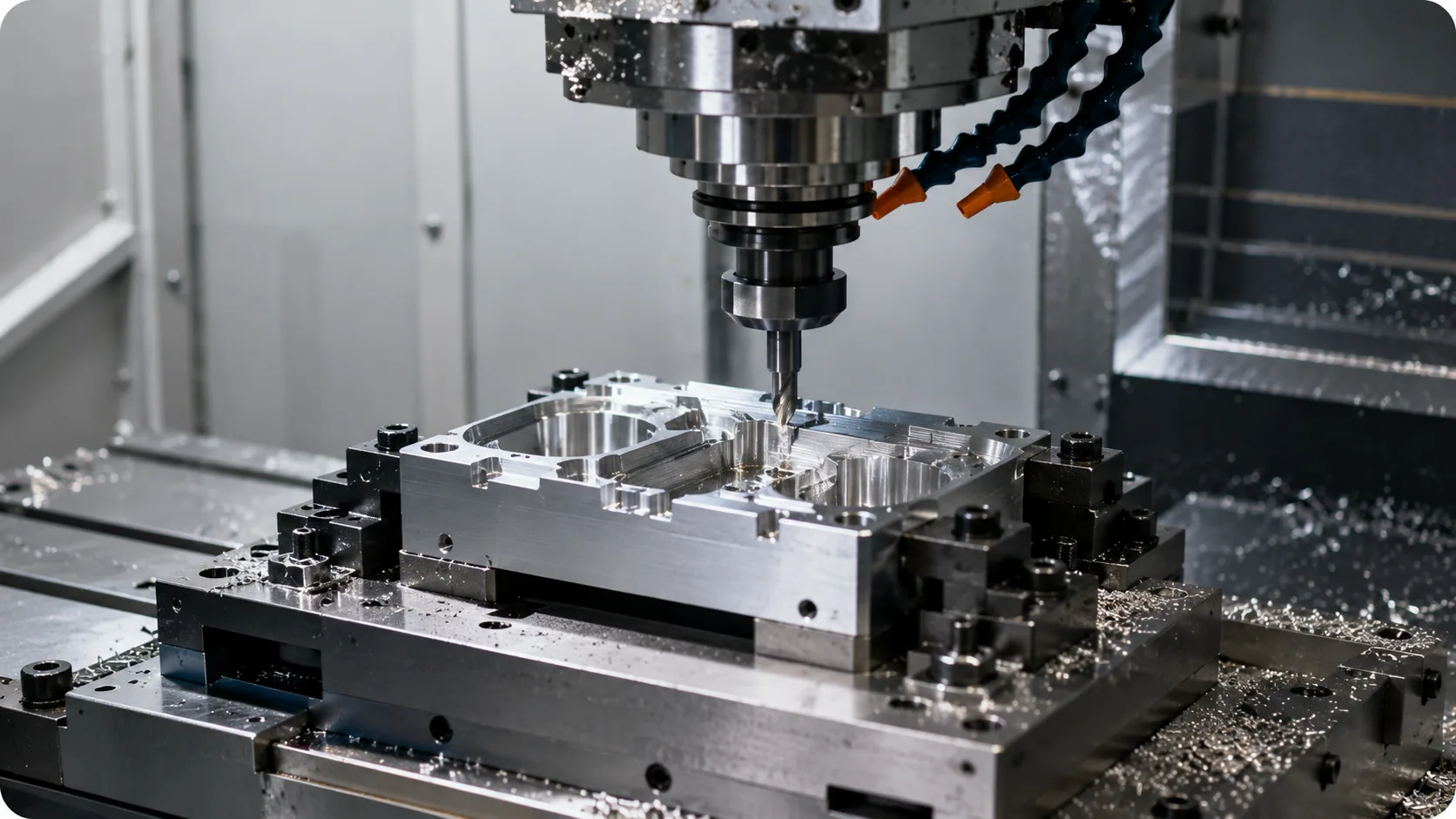
What Is CNC Machining and How Does It Work?
To answer what does CNC mean in machining, it stands for Computer Numerical Control. CNC machining is a subtractive manufacturing process that removes material from metal or engineering plastic stock according to programmed toolpaths. It is used to manufacture custom CNC machined parts with controlled dimensions, repeatable geometry, and consistent batch quality.
LuckyHXS reviews the drawing, material, tolerance, quantity, and inspection requirements before selecting CNC turning, milling, Swiss machining, turn-mill machining, or another suitable CNC machining process to ensure optimal production efficiency.
Drawing & CAD Review
Confirm geometry, material, tolerance, threads, surface finish and application requirements.
Process & Toolpath Planning
Select the machining process, setup, fixtures, tools and inspection points.
CNC Machining
Remove material through turning, milling, drilling, tapping or combined machining.
Inspection & Finishing
Verify critical dimensions, complete surface treatment and prepare parts for delivery.
Applications of Custom CNC Machining Parts
Providing critical components for high-demand industries worldwide.
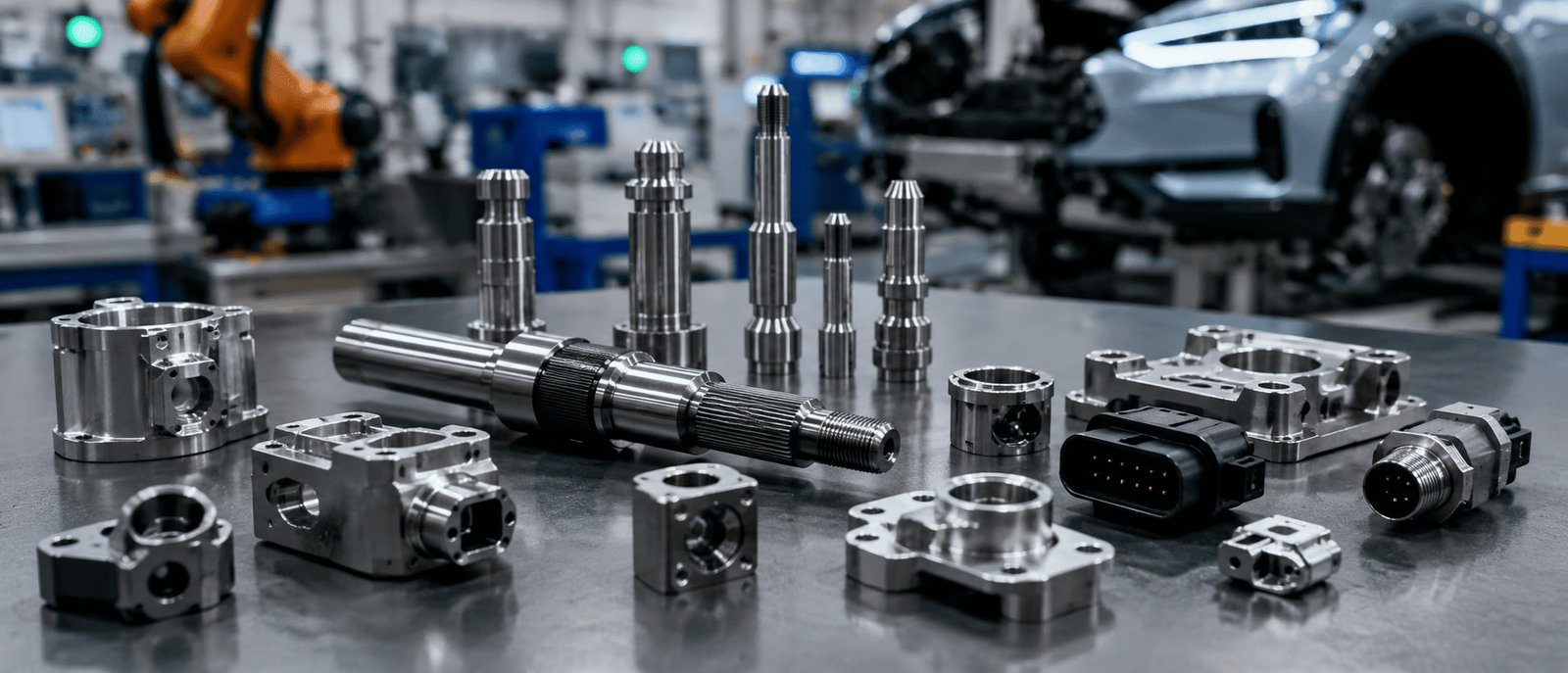
Automotive & EV
Motor shafts, battery positioning pins, sensor housings and connectors.
Stable dimensions and repeat batch consistency.
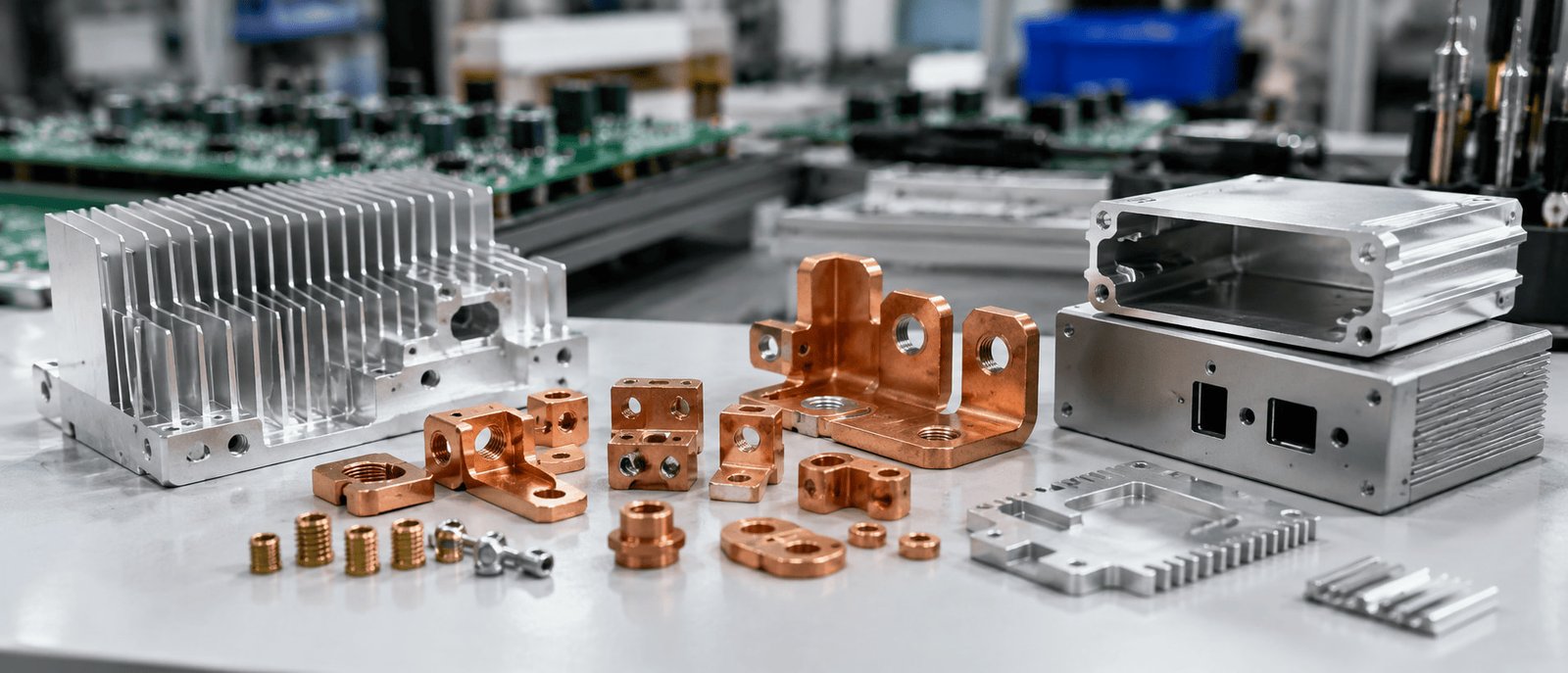
Electronics
Heat sinks, copper terminals, threaded inserts and enclosures.
Conductivity, dimensional stability and surface finishing.
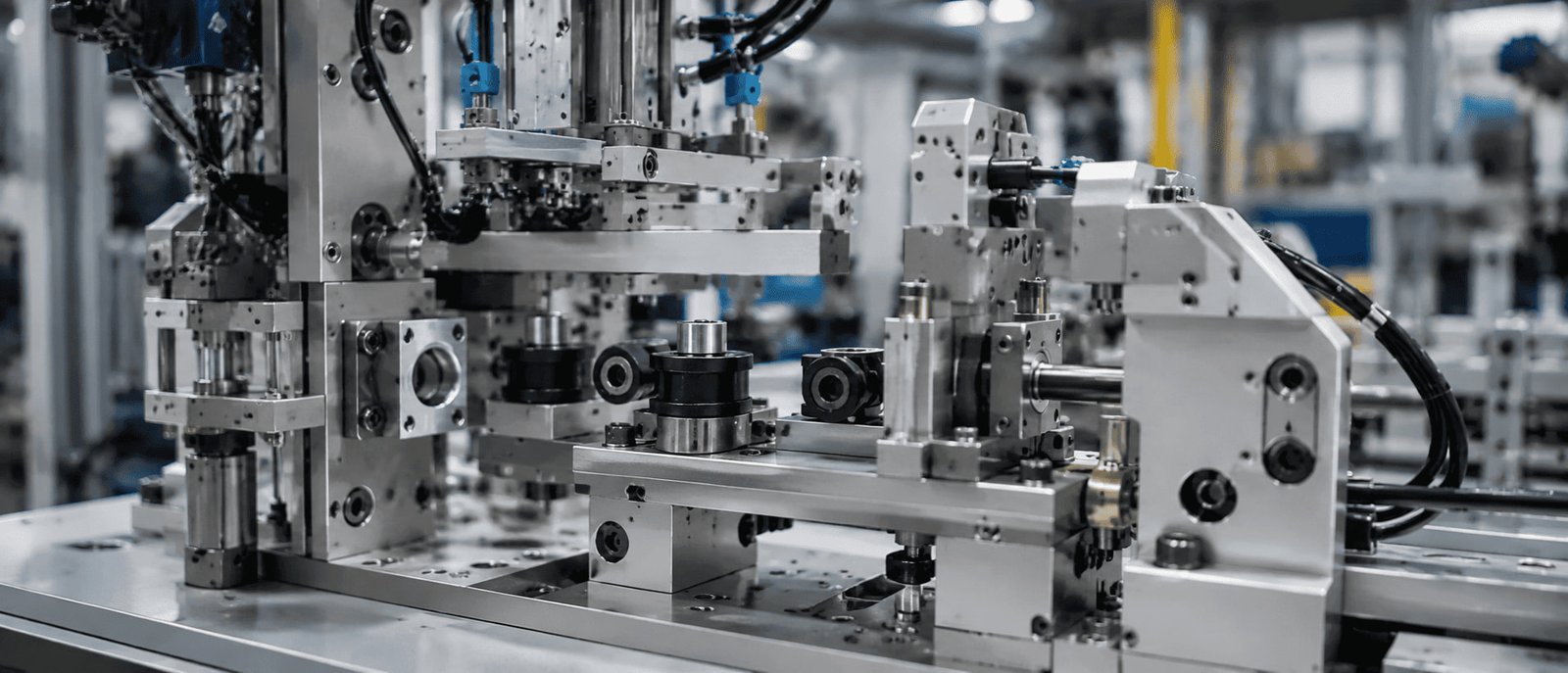
Industrial Automation
Fixtures, guide components, rollers, bushings and equipment parts.
Reliable assembly fit and repeatability.
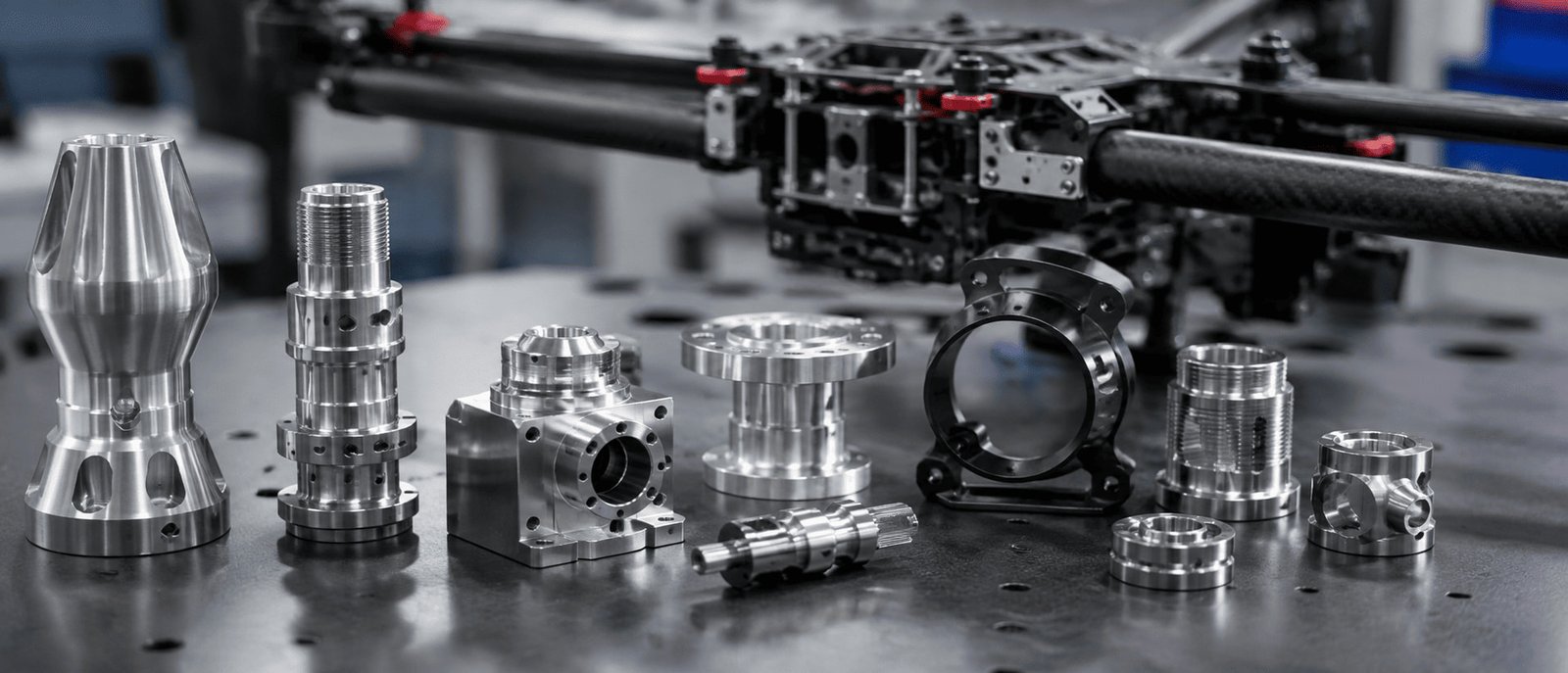
Aerospace & UAV
Nozzles, valve components, camera mounts and precision shafts.
Concentricity, runout and lightweight material control.
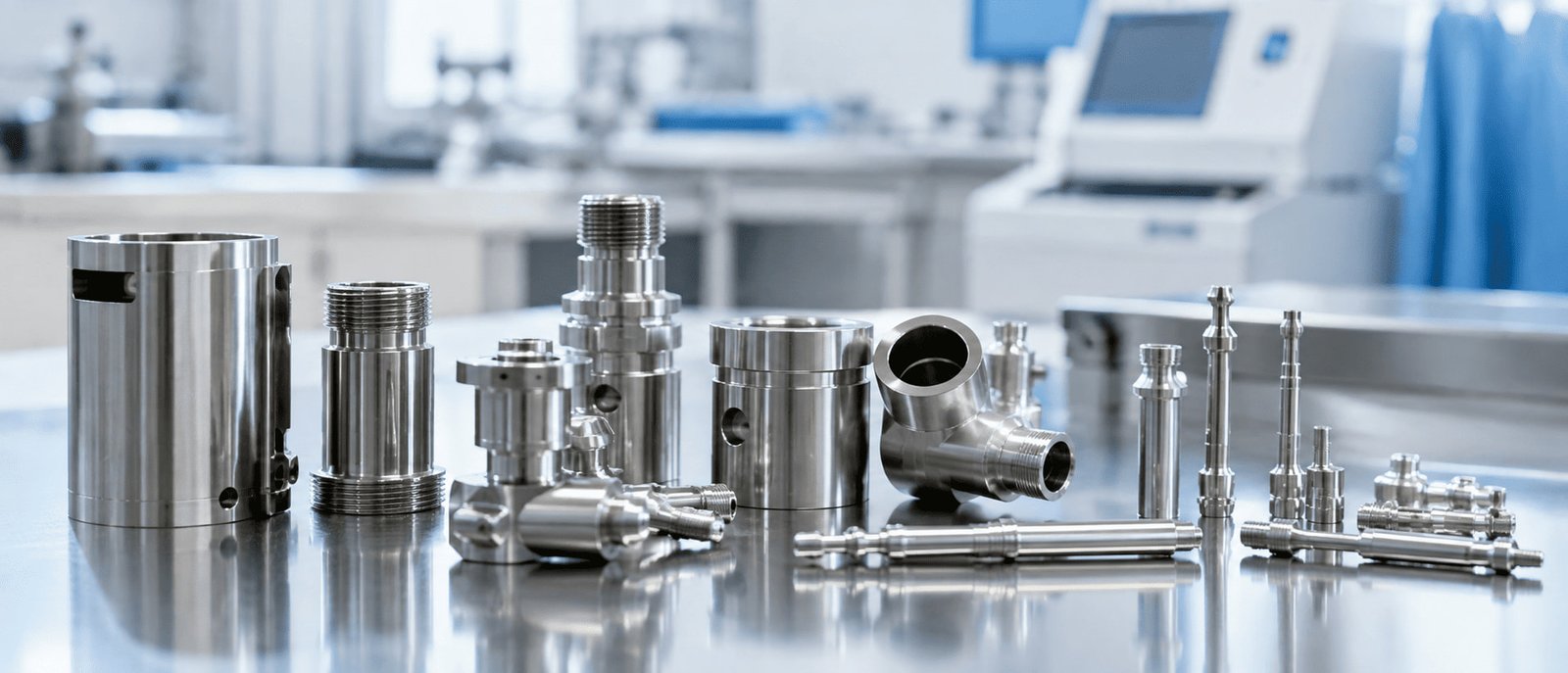
Medical Devices
Sensor housings, precision sleeves and stainless steel components.
Controlled critical dimensions and documented inspection.
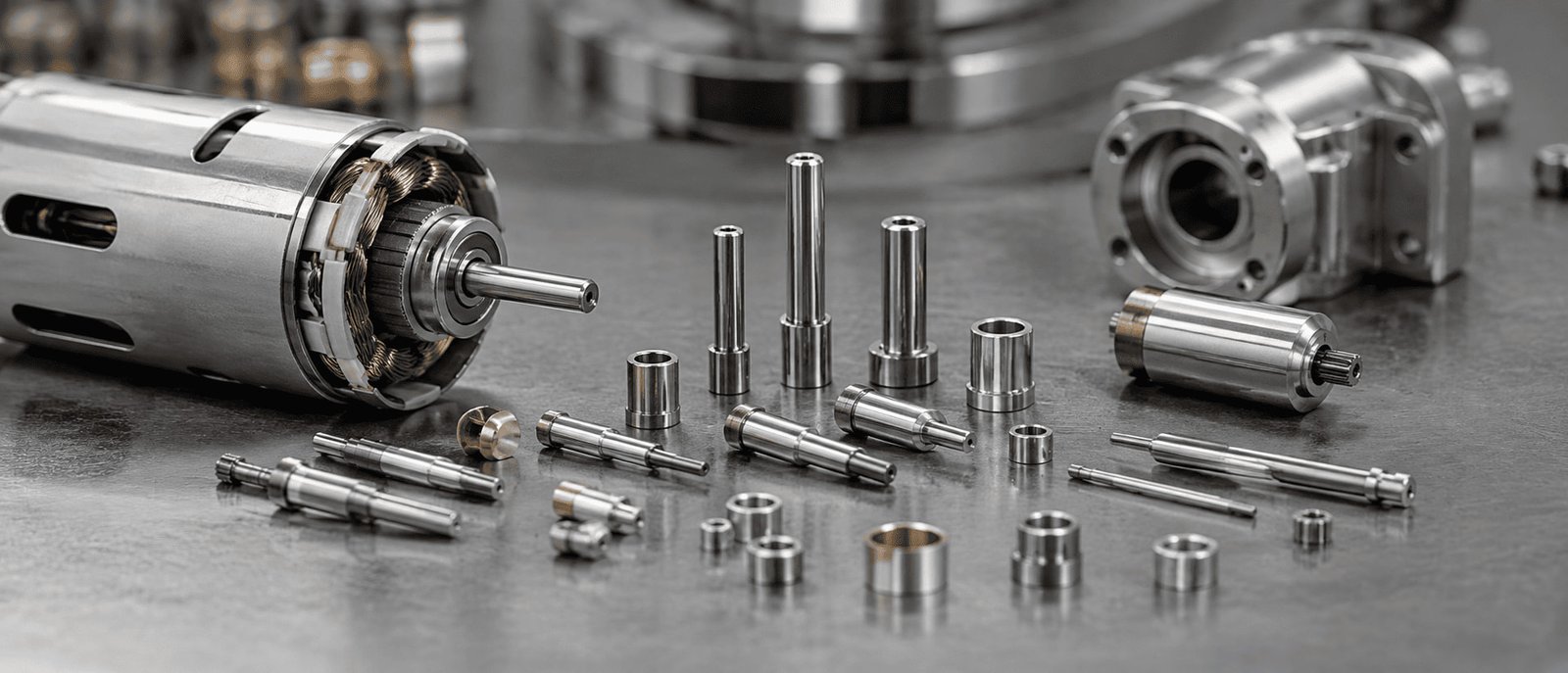
Micro Motors
Miniature shafts, sleeves and rotating parts.
Controlled diameter, concentricity and surface finish.
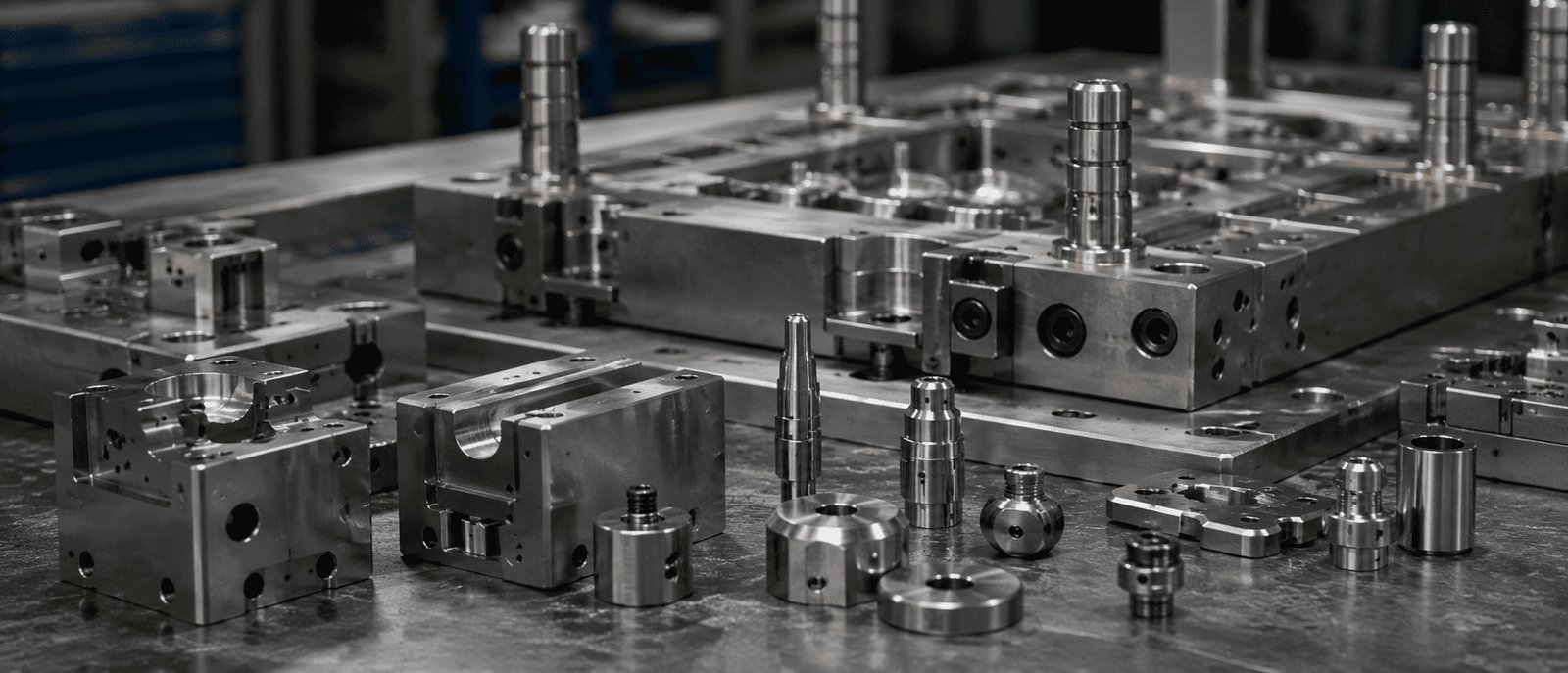
Mold & Tooling
Inserts, positioning pins, custom hardware.
High hardness, wear resistance and tight dimensional tolerances.
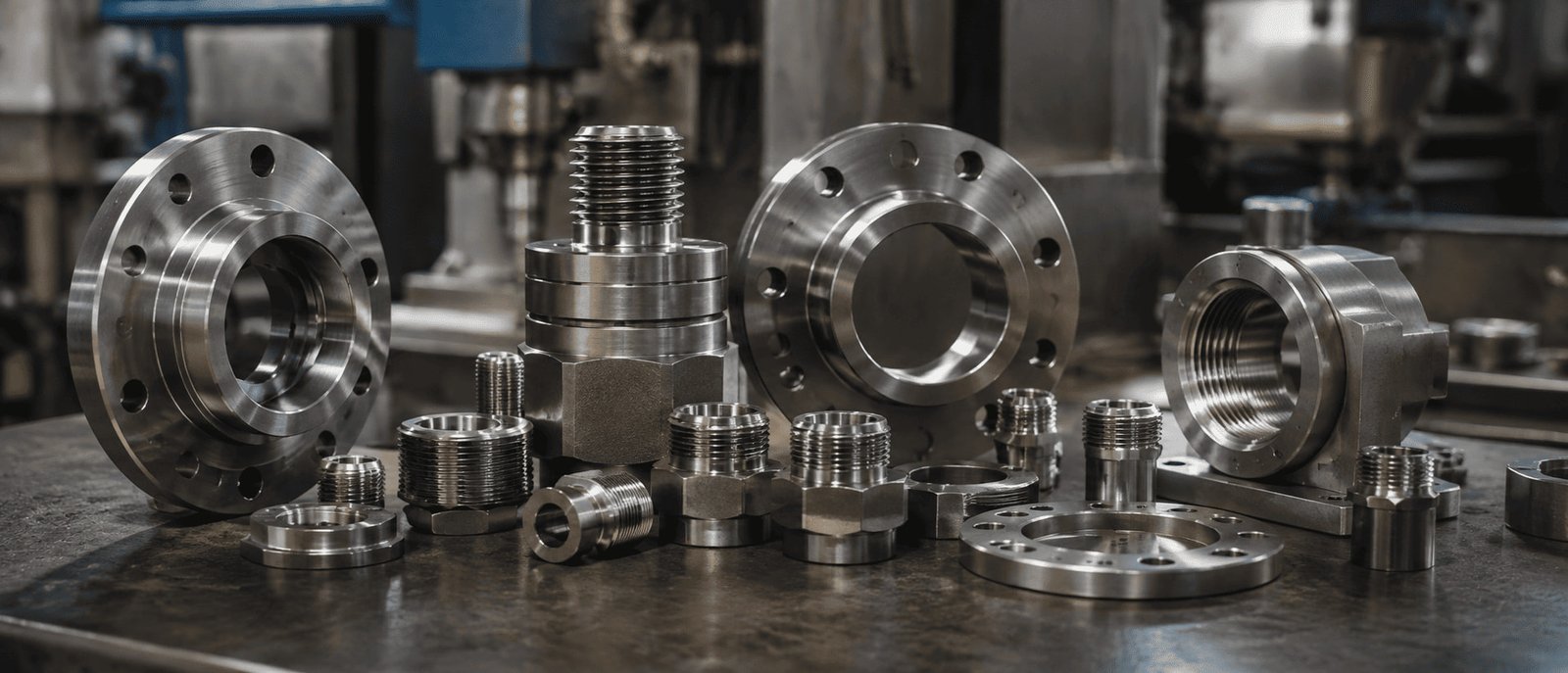
Industrial Equipment
Flanges, connectors, threaded components.
Robust material strength, precise threading and reliable assembly fit.
When Should You Choose CNC Machining?
Understanding when to use CNC machining and the core benefits of CNC machining is vital for project success. CNC machining is valuable when part geometry, material performance, assembly fit and repeat production consistency are more important than simply achieving the lowest initial unit price.
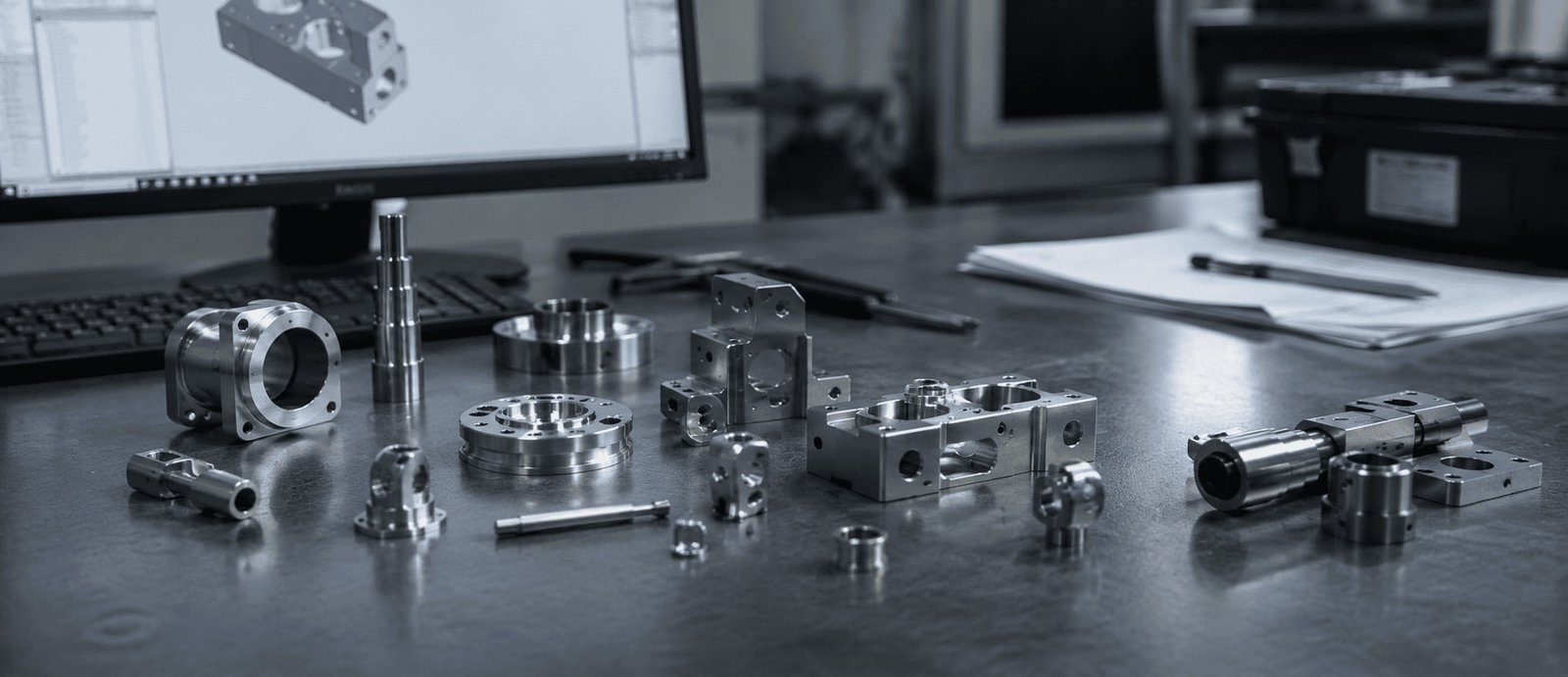
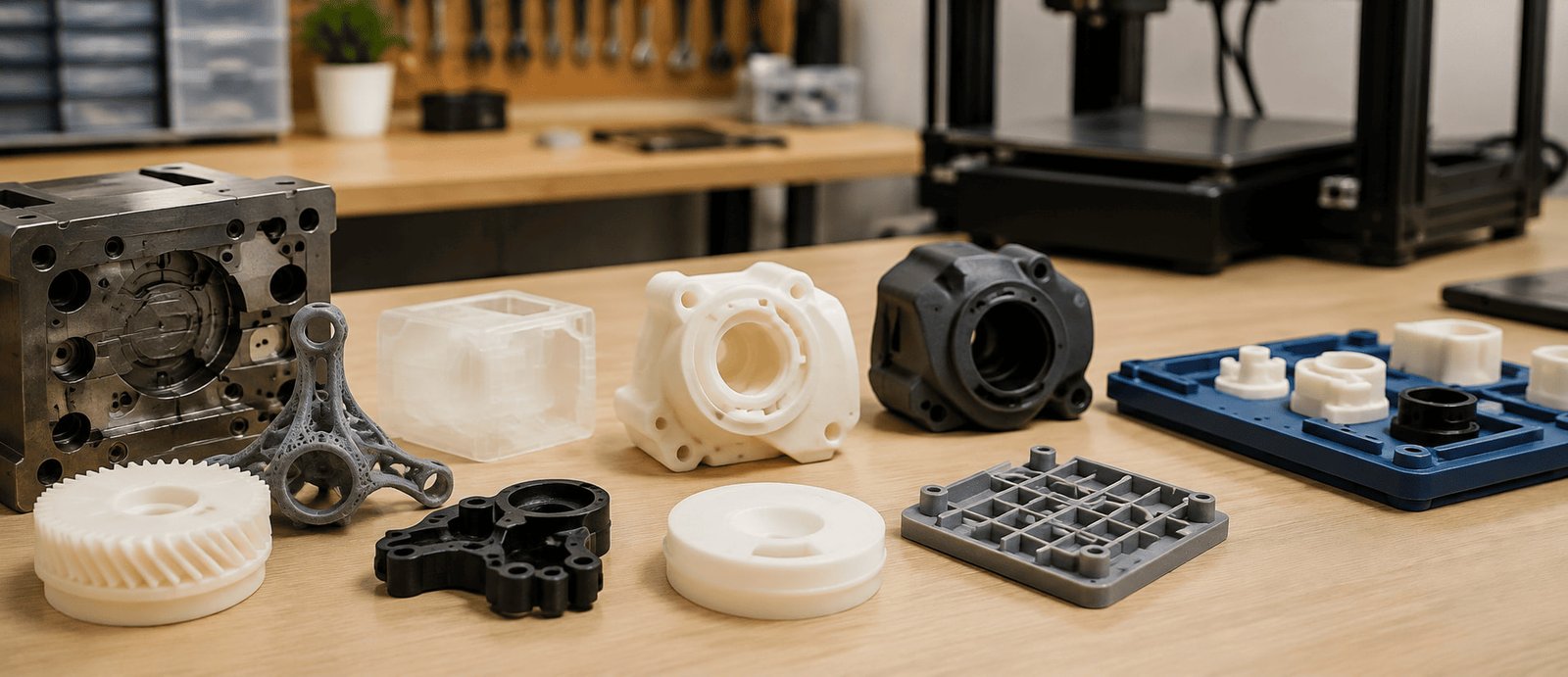
Ideal for CNC Machining
- Parts requiring controlled dimensions or tight assembly fits
- Metal or rigid engineering plastic components
- Complex holes, pockets, threads and precision surfaces
- Prototypes followed by small-batch or repeat production
- Designs that may require revisions before volume production
- Parts requiring material certificates or dimensional inspection
- Components with concentricity, runout or surface finish requirements
When to Consider Another Process
- Very simple flat profiles may be better suited to laser cutting
- Stable, high-volume plastic parts may justify injection molding
- Early visual concepts may be faster with 3D printing
- Designs that are still incomplete should receive engineering review first
- Extremely high-volume simple parts may require a dedicated automated process
Process Selection Depends on the Project
The suitable manufacturing process depends on material, geometry, tolerance, annual volume, surface finish, inspection requirements and total project cost. There is no single process that fits every part. Knowing exactly what is CNC machining used for allows engineers to optimize design for manufacturability.
Design for CNC Machining: What to Confirm Before Production
Understanding how to design parts for CNC machining is critical. A manufacturable drawing should define functional dimensions, assembly relationships, material, surface finish and inspection requirements without adding unnecessary machining difficulty or cost.
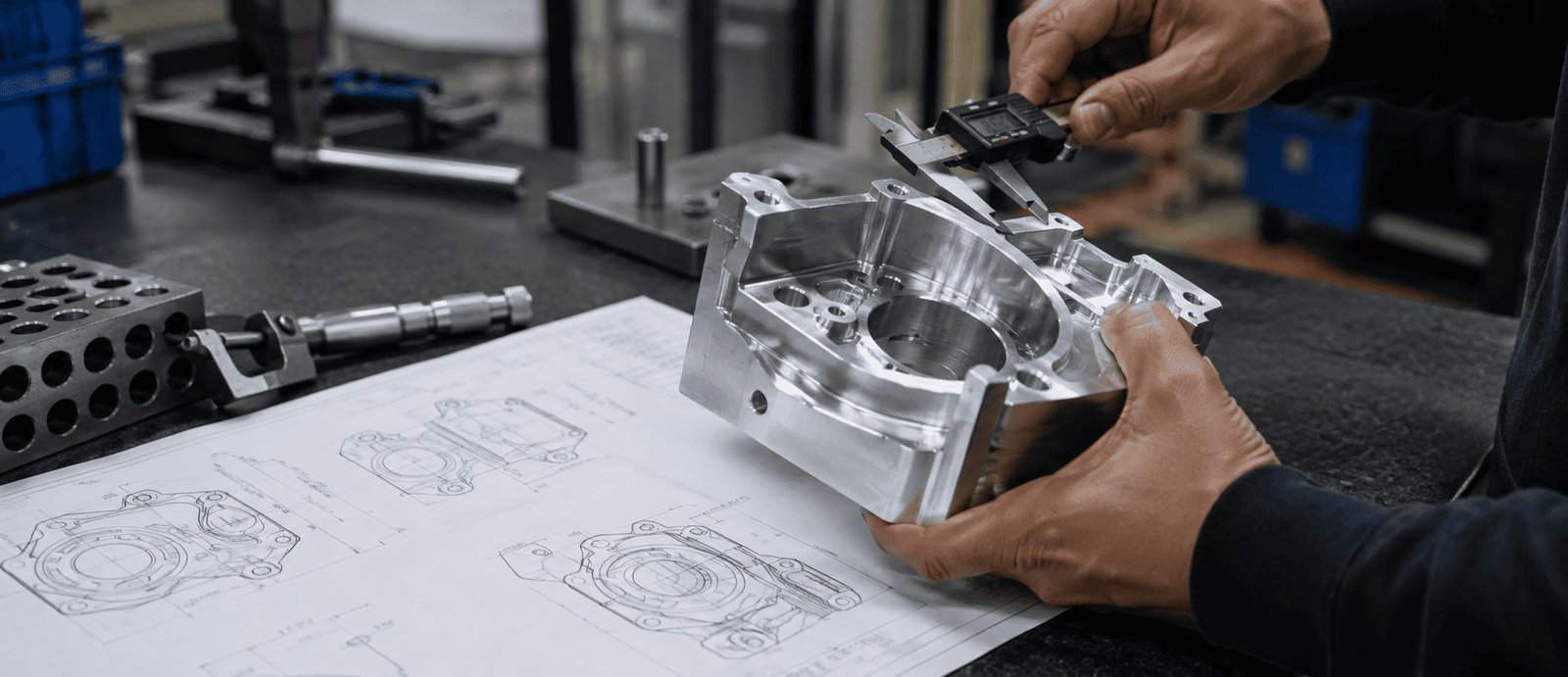
Functional Datums & Critical Dimensions
Identify the surfaces, holes and diameters that control assembly rather than applying the same tight CNC machining tolerances to every feature.
Wall Thickness & Part Deformation
Thin walls and large cavities may deform during clamping, machining, heat treatment or surface finishing.
Tool Access & Deep Features
Deep pockets, narrow slots and long internal features may require special tools, multiple setups or revised geometry.
Holes, Threads & Cross-Hole Burrs
Confirm thread standards, depth, blind-hole clearance, intersecting holes and deburring requirements.
Internal Corners & Tool Radius
CNC milling tools produce internal radii. Sharp internal corners may require EDM, smaller tools or a design change.
Surface Finish & Coating Allowance
Anodizing, plating and polishing may affect tight fits, threads, bearing seats and sealing surfaces, especially in tight tolerance CNC machining.
Key DFM for CNC Machining Risk Assessments
| Manufacturing Risk | What We Review | Buyer Benefit |
|---|---|---|
| Thin-wall deformation | Wall thickness, clamping and cutting sequence | More stable final dimensions |
| Mounting-hole misalignment | Datums and true-position requirements | Easier assembly |
| Burrs in cross holes | Deburring and inspection method | Cleaner fluid passages |
| Coating affects fits | Masking and coating allowance | More reliable assembly |
| Prototype cannot repeat | Program, fixture and inspection standard | Stable repeat batches |
These are general CNC machining design guidelines and starting points. Final recommendations depend on part geometry, material, tolerance, quantity, surface treatment and application requirements.
Our Standard CNC Production Process
Send Drawings or Samples → Engineering Review → Prototype Machining → In-Process Inspection → Surface Treatment → Final Inspection → Packaging → Delivery
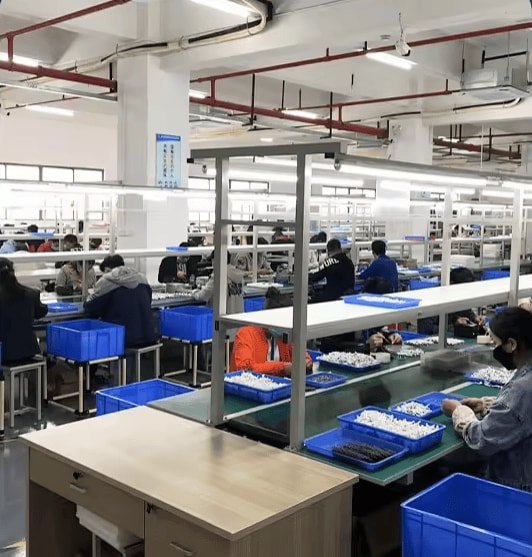
From Drawing to Delivered Parts
For custom CNC machining projects, our team reviews your drawings, confirms the right process, arranges prototype production, controls in-process quality, and supports repeat manufacturing with stable inspection and delivery coordination.
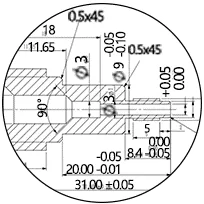
Provide Drawings
Customer sends 2D/3D files or physical samples.

Engineering Review
Review material, tolerance, and feasibility.
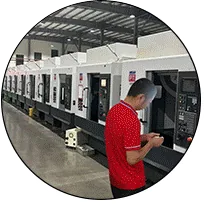
Process Planning
Select CNC turning, milling or combined processing.
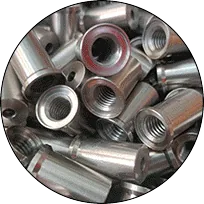
Prototype Machining
Produce sample parts for design verification.
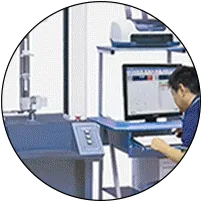
In-Process Inspection
Check critical dimensions during machining.
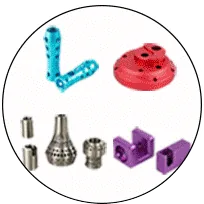
Surface Treatment
Anodizing, plating, polishing or required finishes.

Final Inspection
Dimensional, appearance and quantity checks.
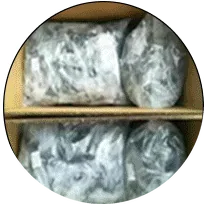
Packing & Delivery
Pack parts properly and arrange shipment.
How to Compare CNC Machining Services for Industrial Applications
Do not compare a CNC machining supplier only by unit price. Engineering review, process capability, inspection, repeatability, communication and delivery support all affect the total project result.
| What to Check | Why It Matters |
|---|---|
| Engineering Review Before Quotation | Identifies geometry, material, tolerance and production risks before machining. |
| Suitable Machining Processes | The supplier should select turning, milling, Swiss machining or turn-mill according to the part. |
| Inspection Capability | CMM, projectors, gauges and documented inspection help verify critical features. |
| Repeat-Batch Control | Programs, fixtures, tooling standards and inspection points should be retained for repeat orders. |
| Material & Surface Finish Support | Material grade, certificates, coating allowance and post-finish inspection should be confirmed. |
| Prototype-to-Batch Capability | The supplier should support sample validation and stable repeat production. |
| Drawing Confidentiality | NDA support and controlled project-file handling protect customer designs. |
| Export Communication | Clear engineering feedback, packaging coordination and shipment updates reduce purchasing risk. |
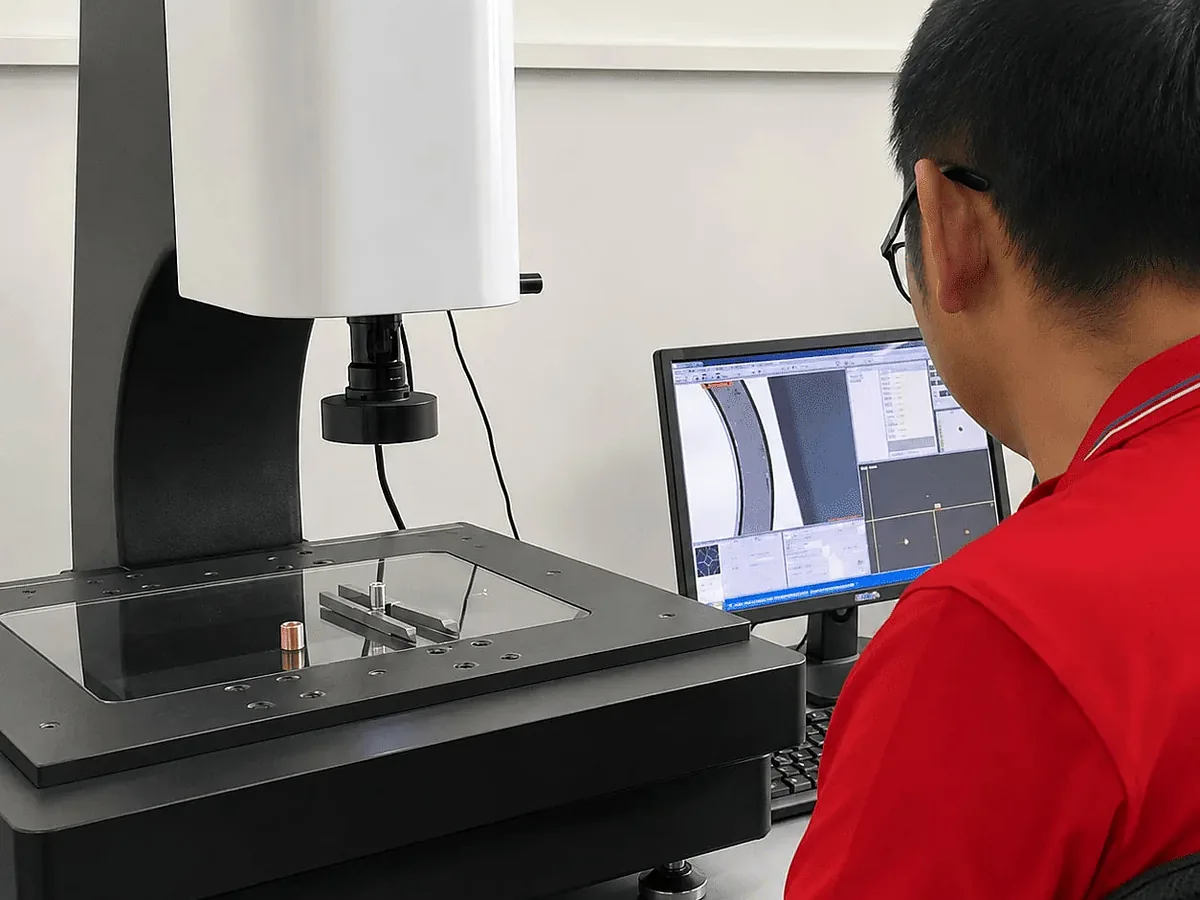
Rigorous Quality Control
Ensuring every industrial application meets strict tolerances before delivery.
Related CNC Machining Insights
Practical guides for process selection, tolerance planning, cost control and project delivery.
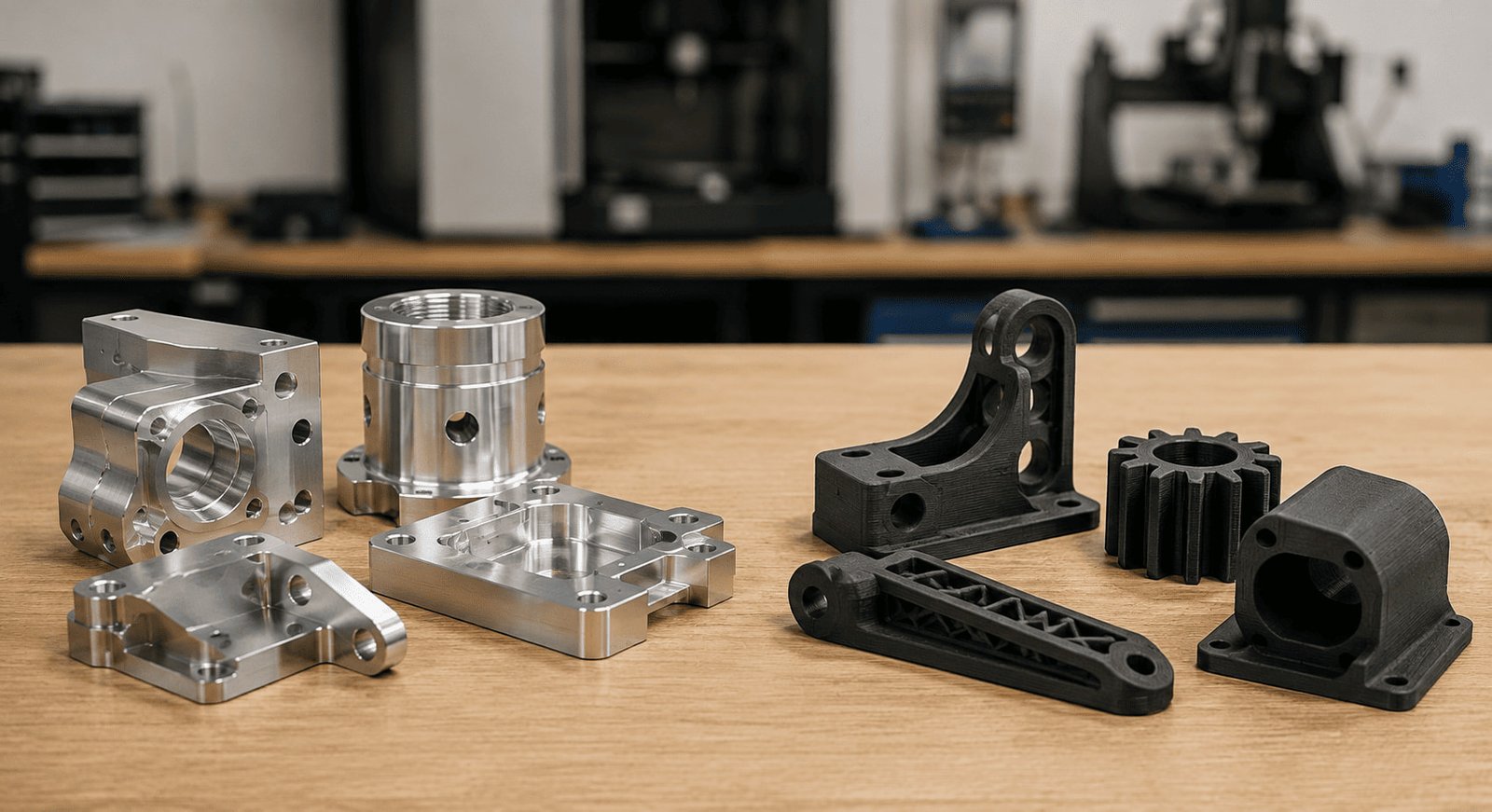
CNC Machining vs 3D Printing: Which Process Fits Your Part?
Compare material performance, tolerance, geometry, prototype speed and production quantity before selecting a process.
Read Process Comparison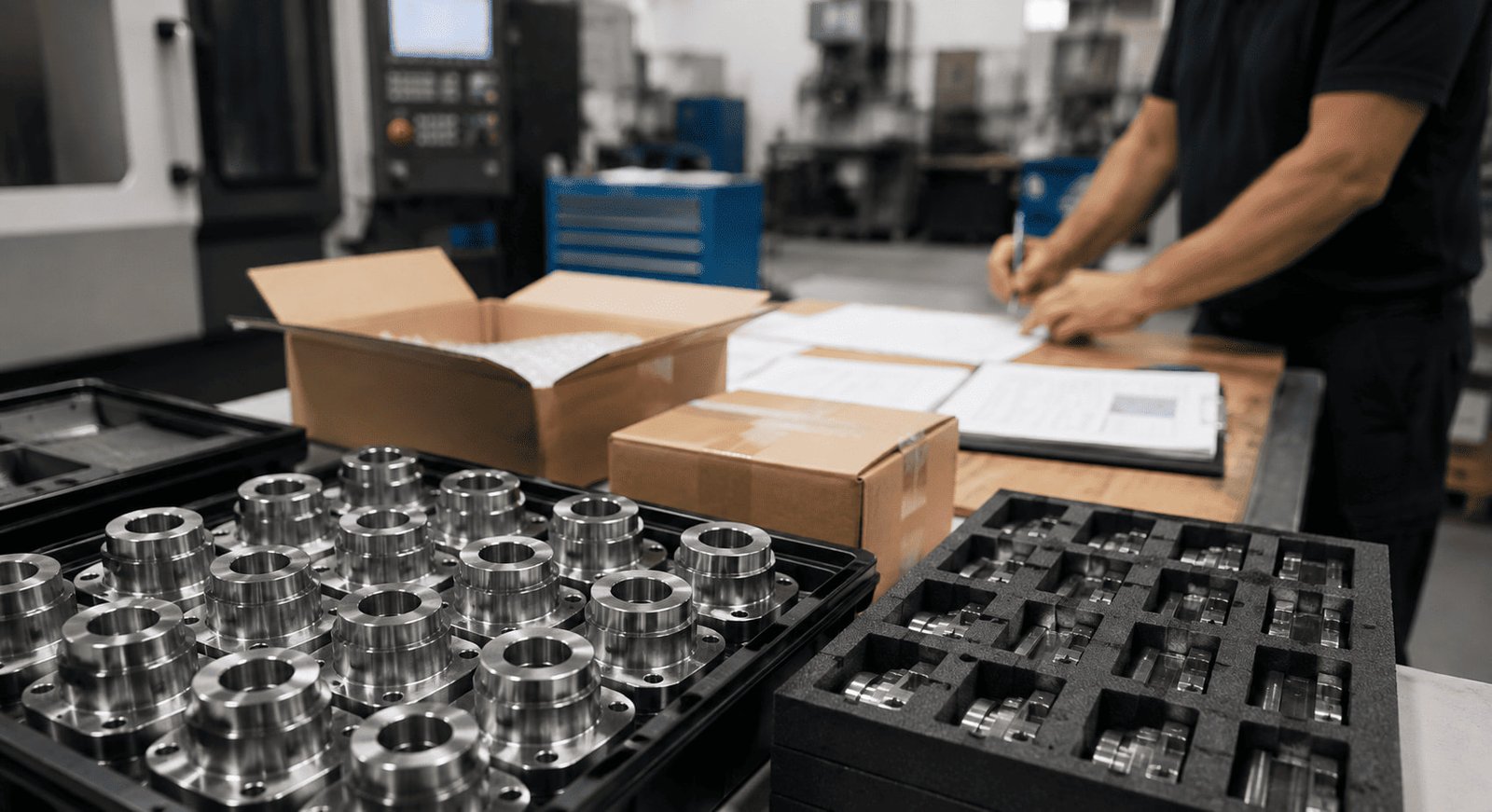
How Tight Tolerances Affect CNC Machining Cost
Understand how tolerance, inspection, setup and process stability influence machining time and quotation.
Read Tolerance Guide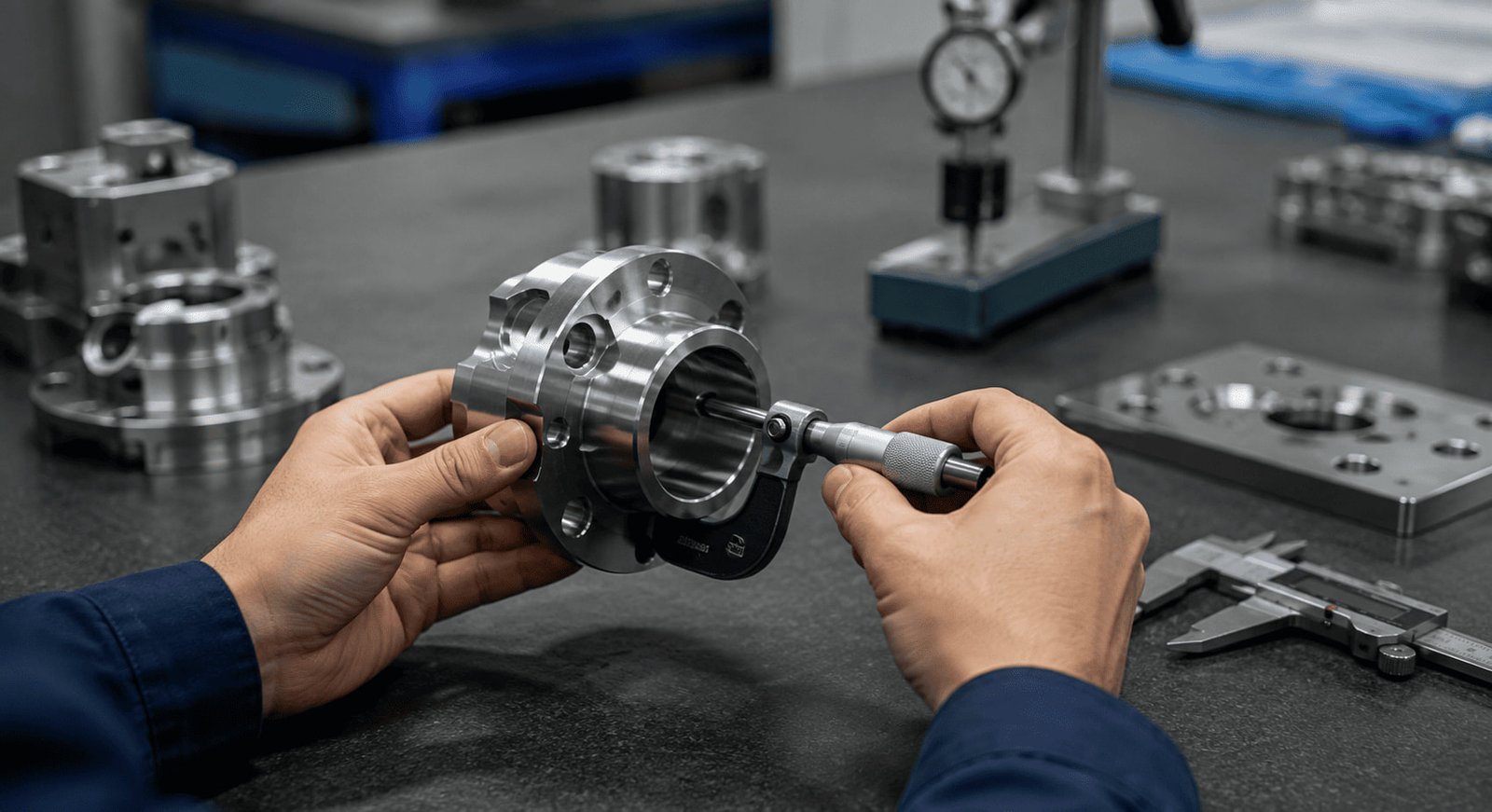
CNC Machining Lead Time: What Changes Delivery Time?
Learn how drawing completeness, material availability, quantity, surface finish and inspection affect production schedules.
Read Lead Time GuideFrequently Asked Questions
What information is needed for a CNC machined parts quote?
Can you protect confidential product drawings and CAD files?
Yes. Customer drawings, CAD files, samples, and technical information are treated as confidential project data. NDA can be signed before confidential project files are shared.
What types of CNC machined parts can you manufacture?
What materials are available for custom CNC machined parts?
Can you manufacture non-standard OEM parts from my drawings or samples?
How do you maintain consistency for repeat batches of CNC machined parts?
A Responsive Team Behind Every Machining Project
From project communication and production coordination to quality follow-up and delivery support, our team works together to keep your custom machining project moving clearly and efficiently.
-
Clear Project Communication
-
Coordinated Production Support
-
Responsive Follow-Up








Need Custom CNC Machined Parts?
Send us your drawings, samples, or project details. Our engineering team will review your files and provide a detailed DFM analysis and quote within 24 hours.
Before You Submit
Please provide 2D / 3D CAD files, material requirements, surface finish needs, expected quantities and key tolerances for a faster engineering review.
Confidential Review
Your drawings and project details are handled confidentially. NDA support is available upon request before engineering review and quotation.