
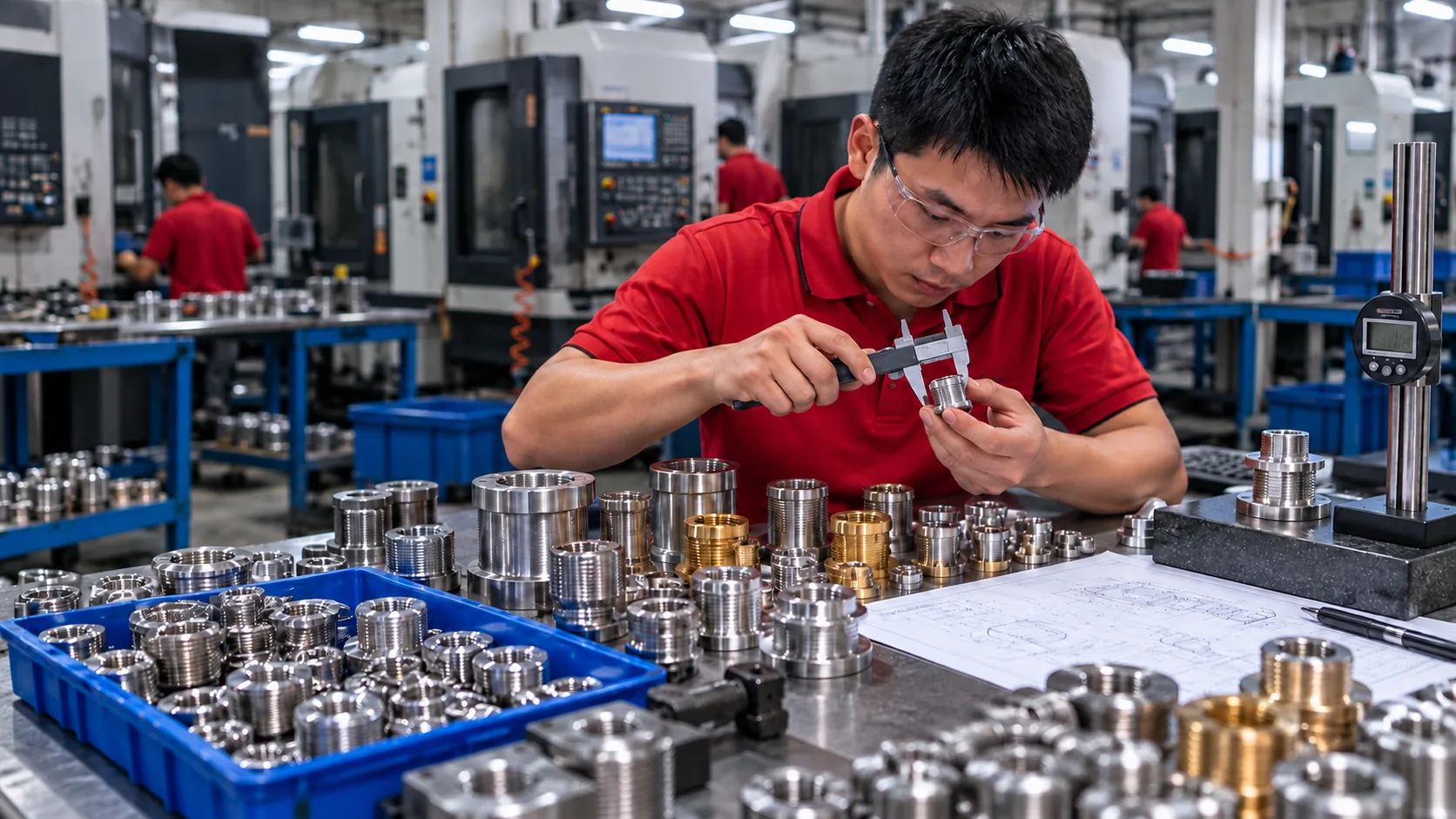
Custom Threaded Inserts Supplier for Reliable Assembly
Custom brass, stainless steel, steel, and aluminum inserts designed for heat-set, press-in, molded-in, and precision machined structures. Made strictly to your drawings, thread specifications, and application requirements, supporting you from prototypes to repeat production.
- Custom Thread & Body Geometry
- Knurling, Flanges, and Lead-In Features
- Thread and Dimensional Inspection
Drawing-Based
Custom Manufacturing
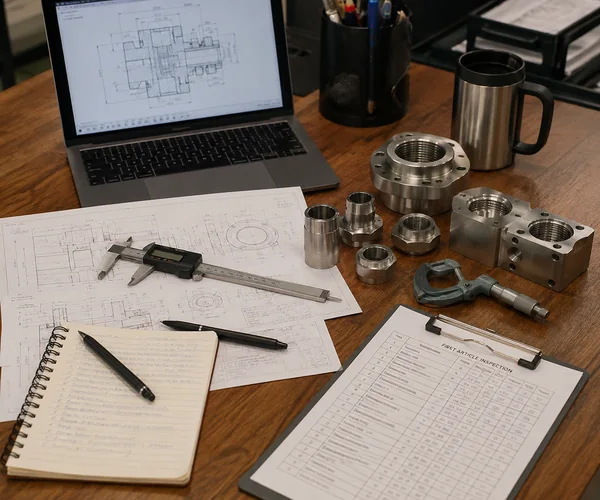
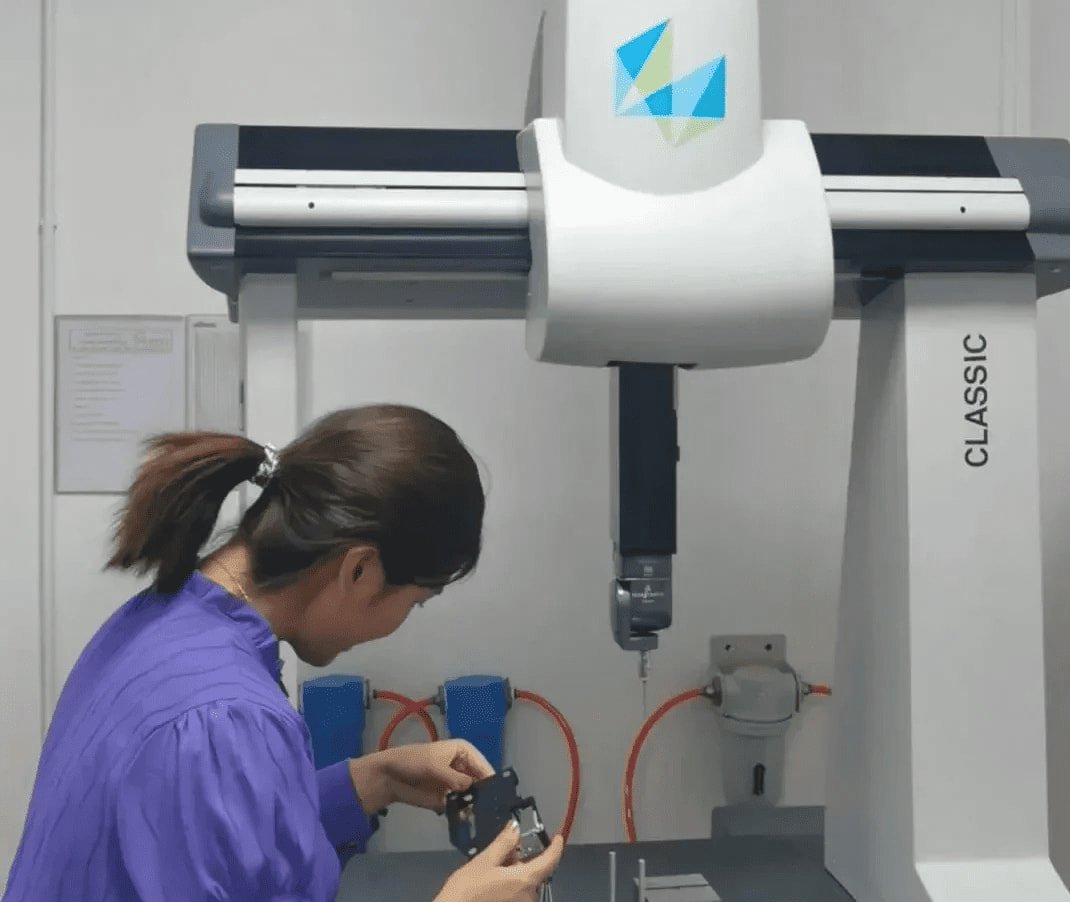
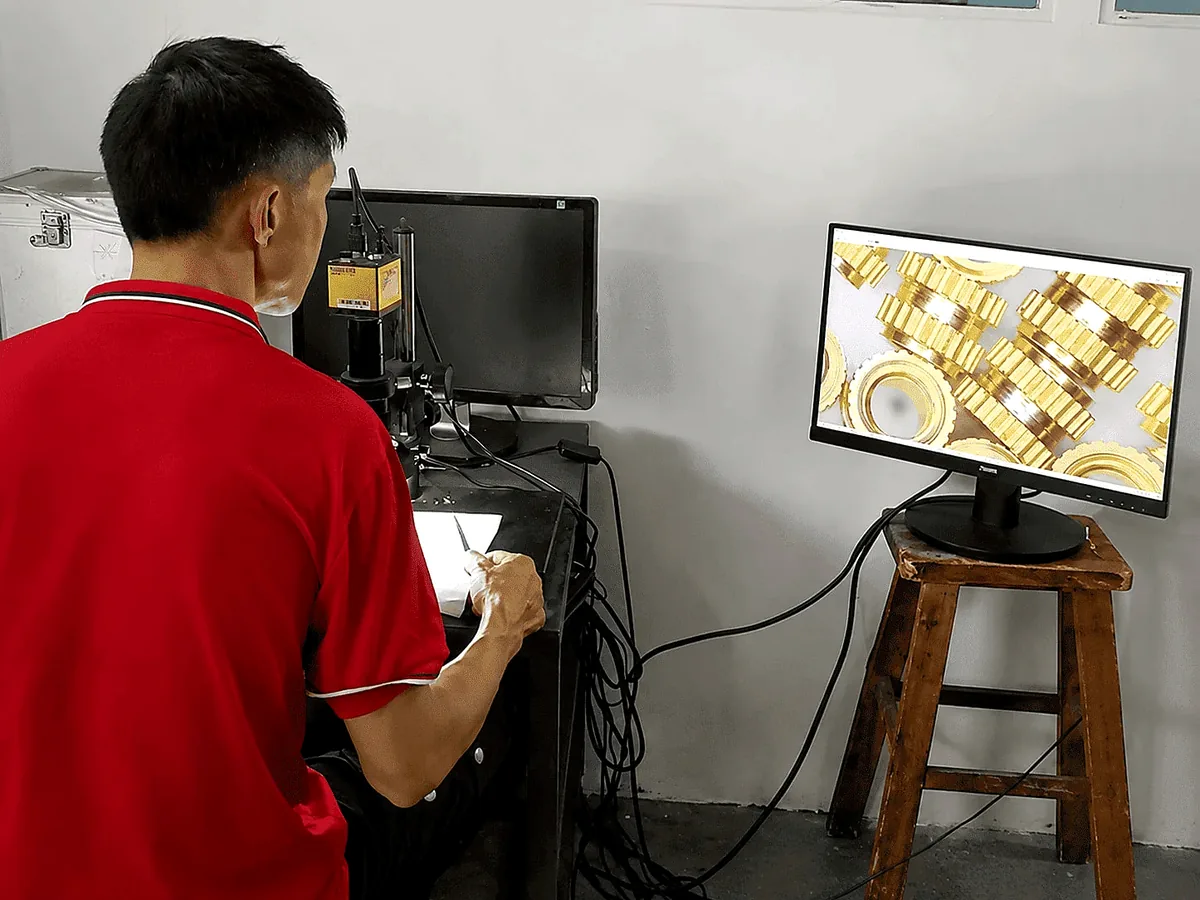
Thread Inspection
Dimension Verification
Multiple Structures
Knurls, Flanges, Grooves
Prototype to Batch
Repeat Production Support
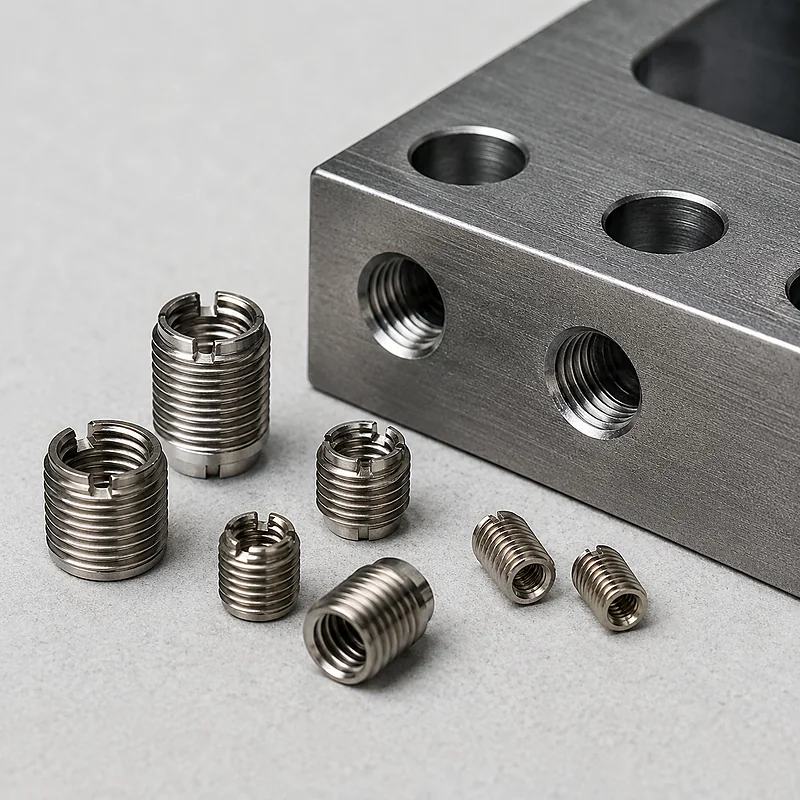
Custom Threaded Inserts for Stronger, Repeatable Threads
Threaded inserts provide durable, wear-resistant internal threads in plastics, molded components, soft metals, and complex assembled products. They are essential for improving repeated fastening, maintenance access, and overall assembly reliability.
An insert's performance depends heavily on its body geometry, knurling pattern, thread accuracy, mounting-hole design, and the chosen installation method. Standard off-the-shelf options often fail to meet specific pull-out or torque requirements.
LuckyHxs produces custom threaded inserts according to your precise engineering drawings, material samples, and functional requirements, ensuring a perfect match for your application.
Engineering Note: The insert, mounting hole, and installation method must be designed together as one complete system to prevent failure.
Types of Threaded Inserts We Manufacture
Precision machined inserts tailored to different base materials and installation processes.
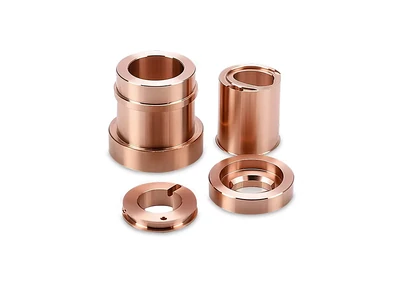
Brass Heat-Set Inserts
Designed for thermoplastics, offering high pull-out and torque resistance when installed with heat.
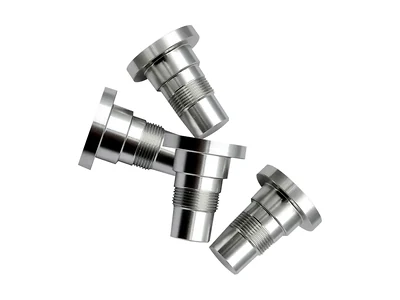
Press-In Knurled Inserts
Cold installation inserts relying on interference fit and knurling to grip softer materials.
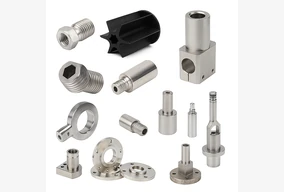
Ultrasonic Inserts
Installed using high-frequency vibration to melt surrounding plastic for a rapid, secure bond.
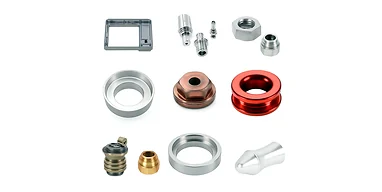
Molded-In Inserts
Placed directly into the mold before injection, providing the highest possible pull-out strength.
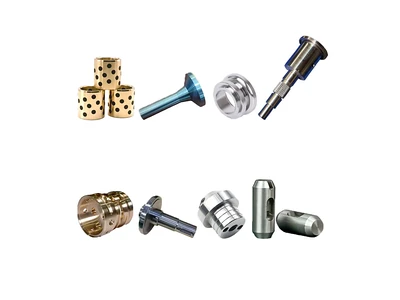
Self-Tapping Inserts
Features external cutting threads to tap their own hole during installation into softer materials.
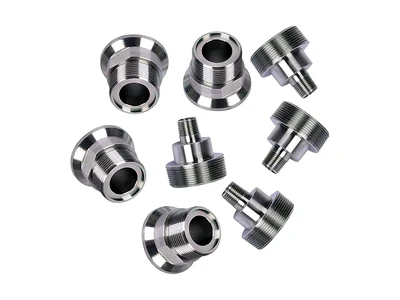
Flanged Inserts
Provides a larger bearing surface to prevent pull-through and distribute load over a wider area.
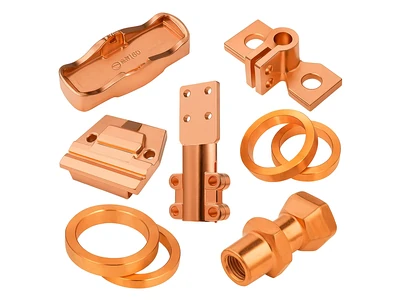
Inserts for 3D Printing
Customized knurl patterns to ensure secure grip within FDM, SLA, or SLS printed polymers.
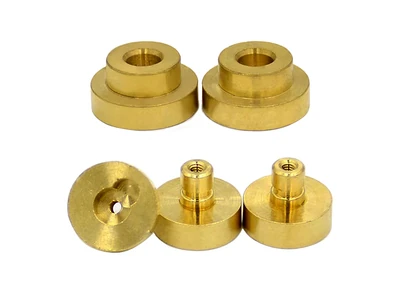
Small Precision Inserts
Micro-machined inserts for compact electronics, sensors, and miniature assemblies.
Choose the Insert Around the Material and Installation Method
A systematic approach to specifying custom threaded inserts.
Base Material
Is the host material a thermoplastic, thermoset, 3D printed resin, wood, or soft metal? This dictates the knurl style.
Installation Method
Will you use heat, ultrasonic welding, pressing, or molding? The insert body must match the process.
Pull-Out Requirement
Determine the axial load the insert must withstand. This affects length and horizontal knurl design.
Torque Resistance
Assess rotational forces during screw tightening. This requires vertical or diamond knurling patterns.
Repeated Assembly
If parts are frequently disassembled, specify harder materials like stainless steel or thicker walls.
Need Help Matching the Insert to Your Application?
Custom Threaded Insert Structures
Machined exactly to your structural requirements.
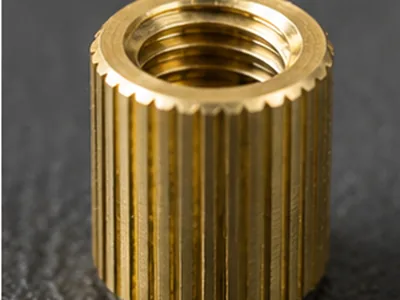 Straight Knurl
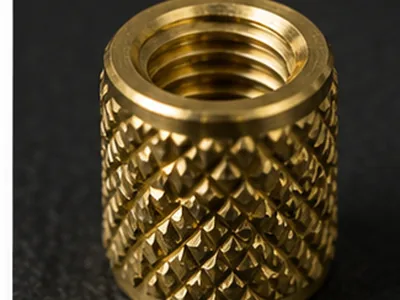 Diamond Knurl
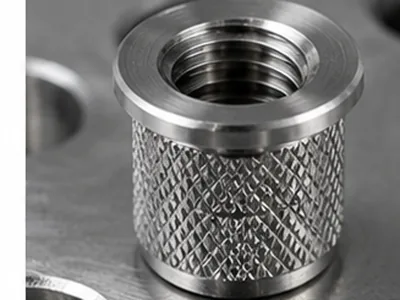 Flanged Head
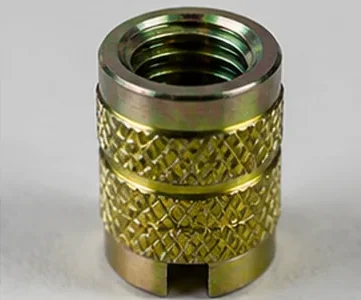 Headless Body
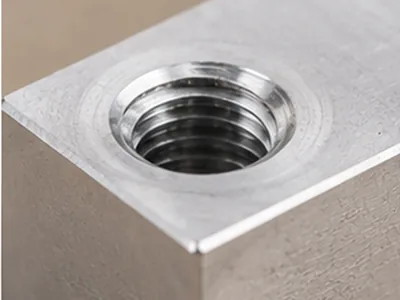 Blind Hole
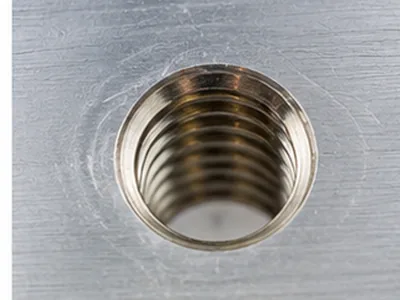 Through-Hole
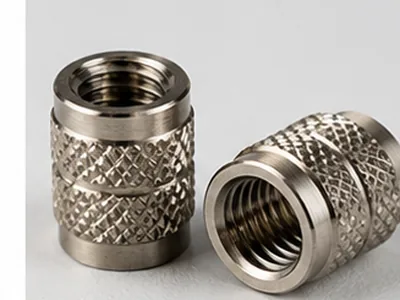 Short Body
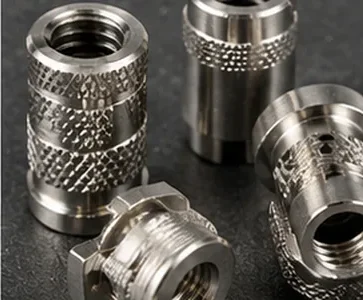 Stainless Steel Custom
Why Threaded Inserts Fail During Assembly
Common issues caused by incorrect specifications or poor machining quality.
Insert Pull-Out
Fails under axial load.
Insert Rotation
Spins inside the hole.
Thread Jamming
Screws fail to enter.
Cross-Threading
Misaligned installation.
Uneven Height
Affects mating parts.
Jack-Out
Screws push insert out.
Boss Cracking
Plastic breaks.
Burrs & Chips
Blocks internal threads.
Vibration Loss
Loosens over time.
Batch Variation
Inconsistent fit.
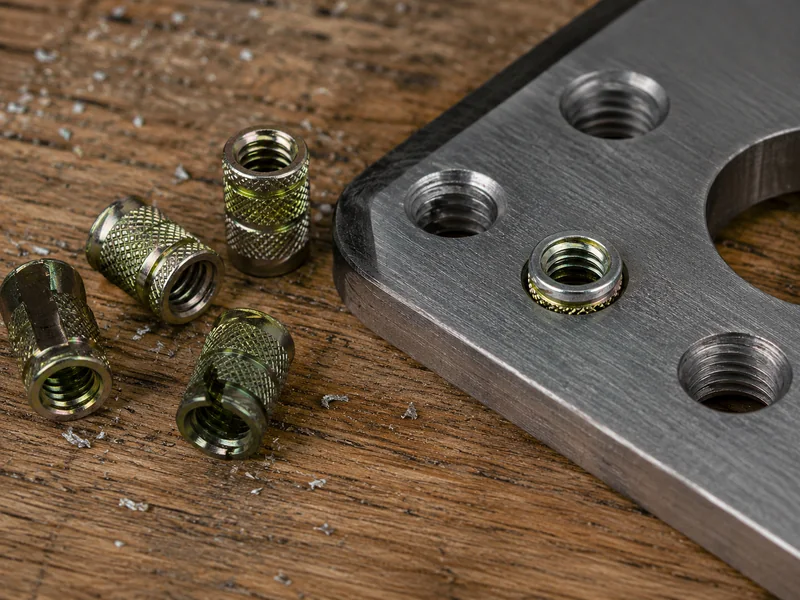
Prevent Inserts from Pulling Out or Spinning
The Challenge
The insert may move with the screw, rotate in the hole, or pull out completely under axial load during assembly or operation.
Why It Happens:
- Outside diameter is too small for the hole.
- Knurl depth or pattern is unsuitable for the material.
- Insert length is insufficient for the required load.
- The insert type does not match the base material.
How LuckyHxs Helps
- Review body diameter and length against your requirements.
- Machine custom straight, diamond, or helical knurling.
- Add grooves, flanges, or lead-in features for extra retention.
What We Check Before Shipment:
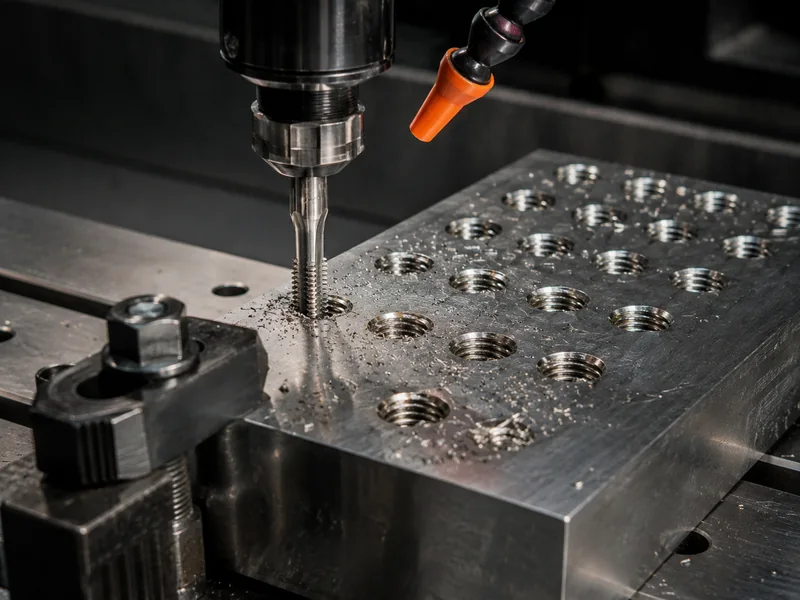
Keep Threads Smooth, Clean and Ready for Assembly
The Challenge
Screws jam, feel too tight, become loose, or damage the internal thread entirely during the final assembly process.
Why It Happens:
- Incorrect thread pitch or profile.
- Incomplete thread depth or poor lead-in chamfer.
- Burrs at the thread entrance.
- Chips or plating residue stuck inside the thread.
How LuckyHxs Helps
- Confirm metric or inch thread requirements before machining.
- Machine controlled entry chamfers to guide the screw.
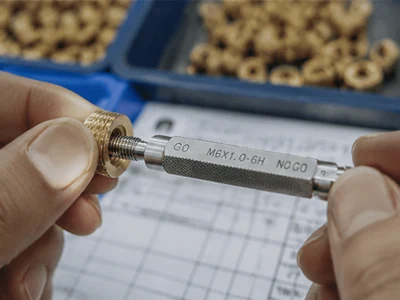
- Inspect internal threads with suitable go/no-go gauges.
- Remove burrs and clean thread cavities before packing.
What We Check:
Maintain Consistent Installation Performance Across Batches
The Challenge
Prototype inserts install correctly, but later production batches may be too loose, too tight, or structurally inconsistent.
Why It Happens:
- Tool wear changes the outside diameter over time.
- Knurl depth and thread dimensions drift during long runs.
- Inspection standards are not properly retained for repeat orders.
How LuckyHxs Helps
- Perform strict first article verification.
- Conduct in-process checks to monitor outside diameter and length.
- Retain machining and inspection requirements for repeat orders.
What We Check:
More Insert Problems to Address Before Production
Cross-Threading
We add proper entry chamfers and lead-in features to ensure the screw aligns correctly upon insertion.
Uneven Installed Height
Controlling overall length and adding flanges helps maintain a consistent flush or sub-flush height.
Screw Jack-Out
We verify effective thread depth to prevent screws from bottoming out and pushing the insert up.
Plastic Boss Cracking
We adjust outside diameters and knurl aggressiveness to reduce stress on thin-walled plastic bosses.
Burr and Chip Contamination
Rigorous deburring and ultrasonic cleaning ensure internal threads are free of blockages.
Vibration Loosening
We machine precise thread tolerances to maximize thread engagement and friction.
Incorrect Insert Matching
Our team reviews your base material and installation method to ensure the structure is compatible.
Materials for Custom Threaded Inserts
Machined from solid bar stock to meet your strength and environmental requirements.
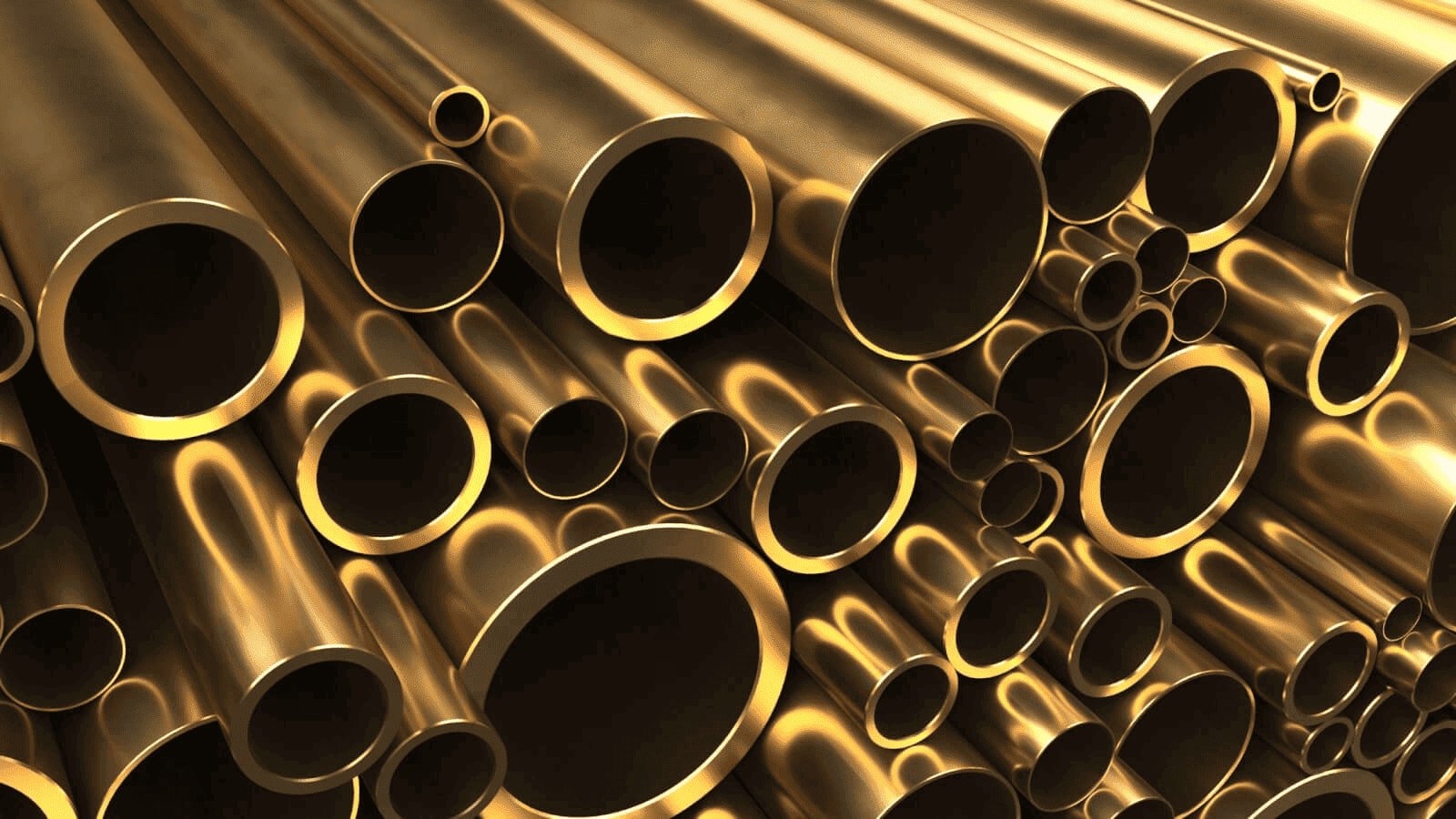
Brass
Common for heat-set inserts, plastic applications, and precision small inserts due to excellent machinability and thermal conductivity.
Suitable for: Thermoplastics, electronics, general assembly.
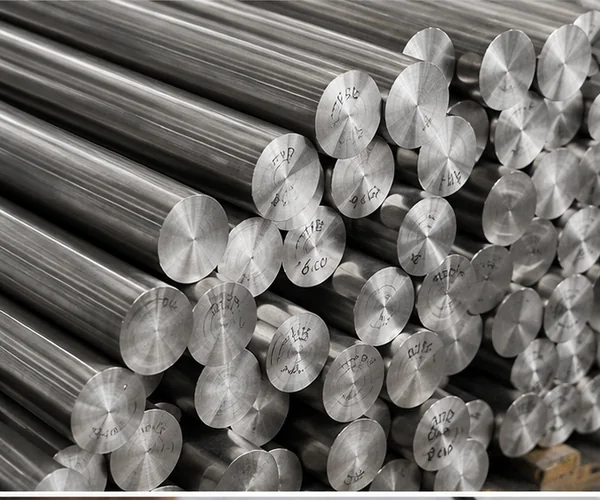
Stainless Steel
Suitable where high corrosion resistance, superior strength, or repeated heavy-duty service matters.
Suitable for: Medical, marine, outdoor enclosures.
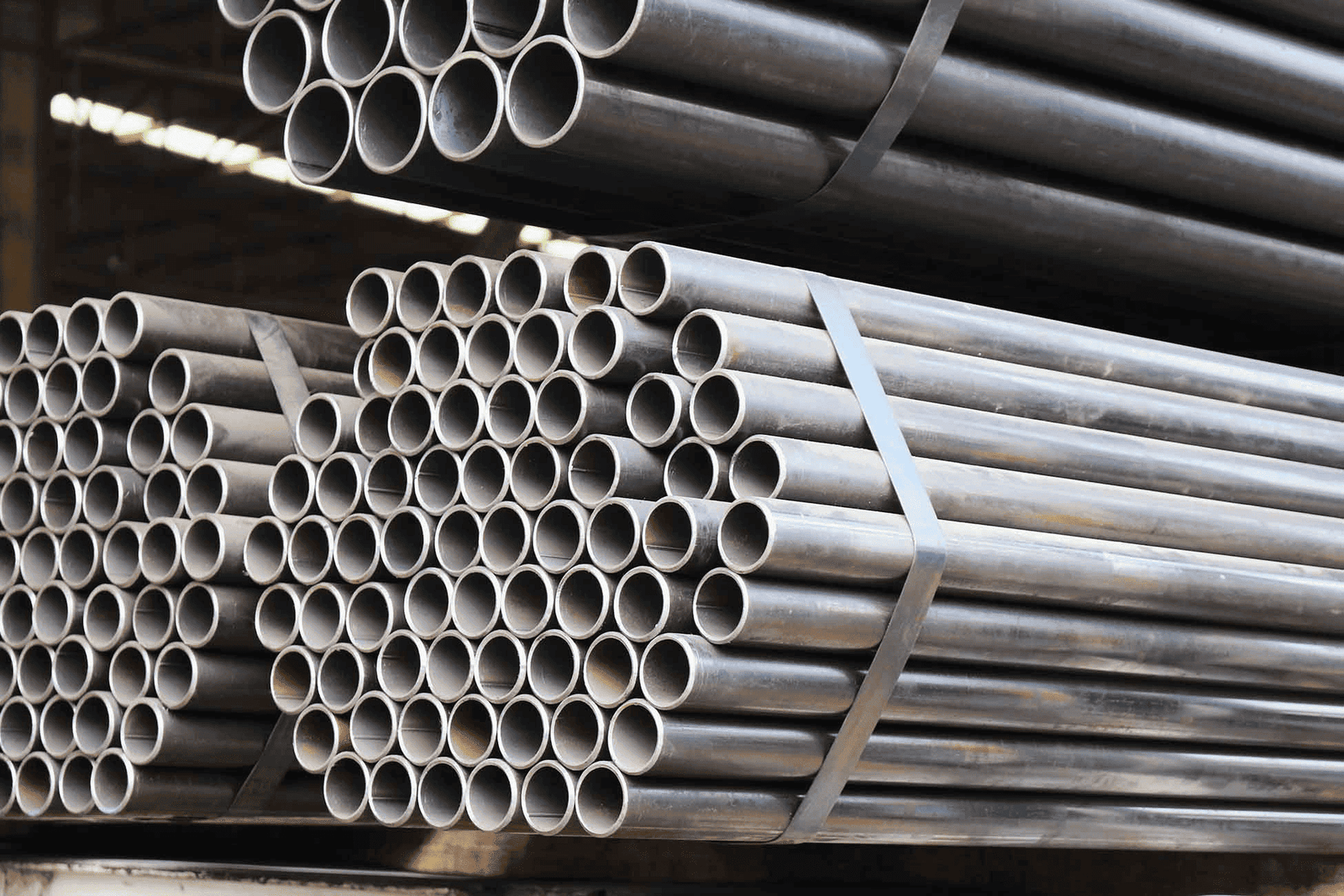
Carbon Steel
Suitable for structural fastening and applications requiring stronger body material, often plated for basic rust protection.
Suitable for: Heavy machinery, automotive, wood.
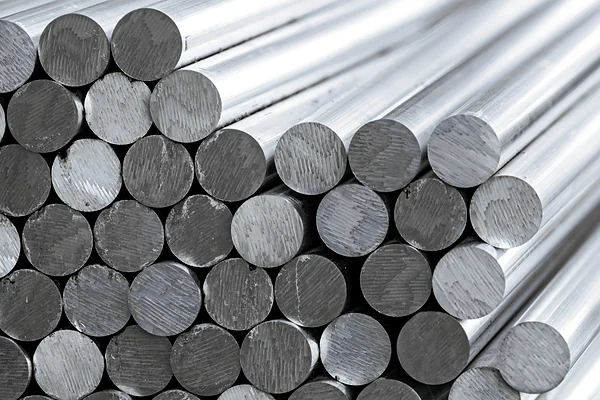
Aluminum
Suitable for special lightweight applications when strength and wear requirements allow.
Suitable for: Aerospace, lightweight portable devices.
Custom Features Built Around Your Assembly
We machine the specific geometries required to optimize performance.
Internal Metric Threads
Standard & fine pitch
Internal Inch Threads
UNC, UNF specifications
Straight Knurl
High torque resistance
Diamond Knurl
Balanced pull & torque
Helical Knurl
For specific press-in needs
Flanged Head
Prevents pull-through
Through-Hole
For longer screw clearance
Blind Hole
Protects internal electronics
Lead-In Chamfer
Guides installation
Retaining Grooves
For molded-in retention
Custom O.D.
Matched to your hole
Custom Length
Matched to material thickness
Threaded Insert Installation Methods
Different insert structures suit different materials and installation conditions.
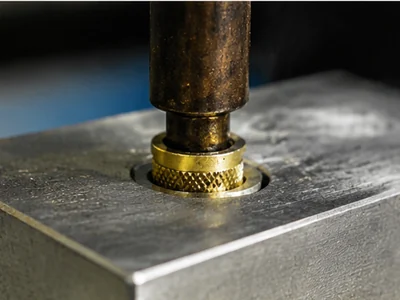
Heat-Set
The insert is heated and pressed into a pre-molded or drilled hole. The plastic melts around the knurls and solidifies, creating a strong bond.
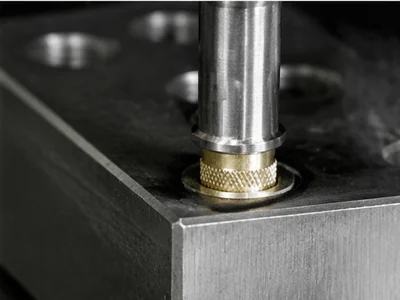
Ultrasonic
High-frequency vibration generates friction heat, melting the plastic around the insert rapidly. Ideal for automated, high-volume production.
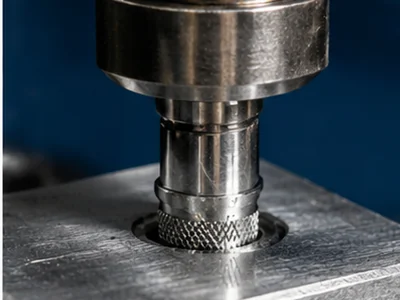
Press-In
Cold pressed into a hole. Relies on interference fit and specific knurl designs (like helical) to cut into or displace the base material.
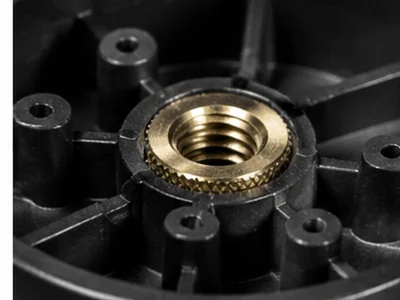
Molded-In
Placed onto pins inside the mold cavity before injection. Provides the highest strength as material flows completely around grooves and undercuts.
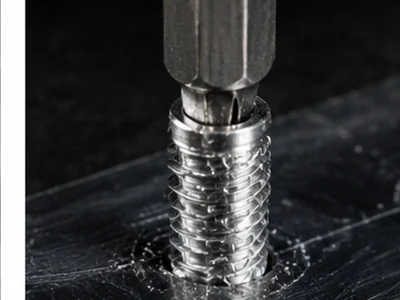
Self-Tapping
Mechanically driven into a pilot hole, cutting its own threads. Excellent for materials that cannot be melted or molded.
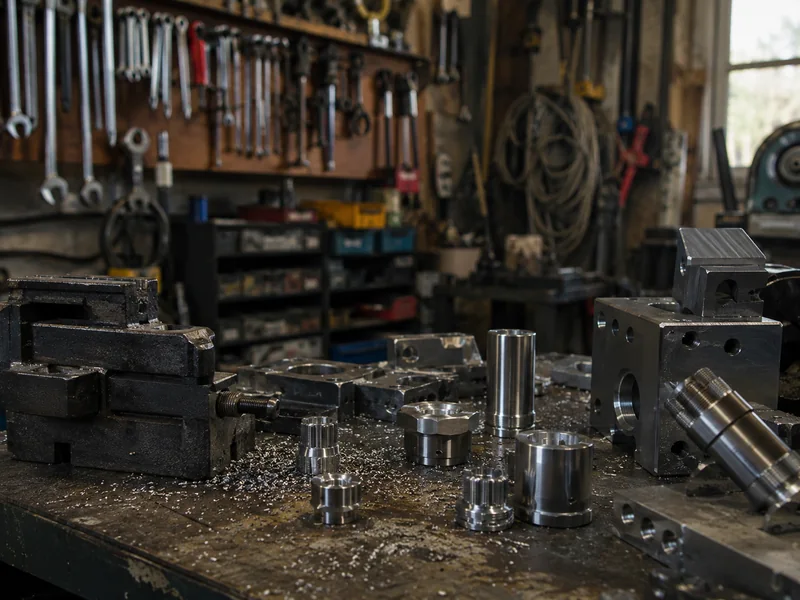
Machining Capabilities for Precision Threaded Inserts
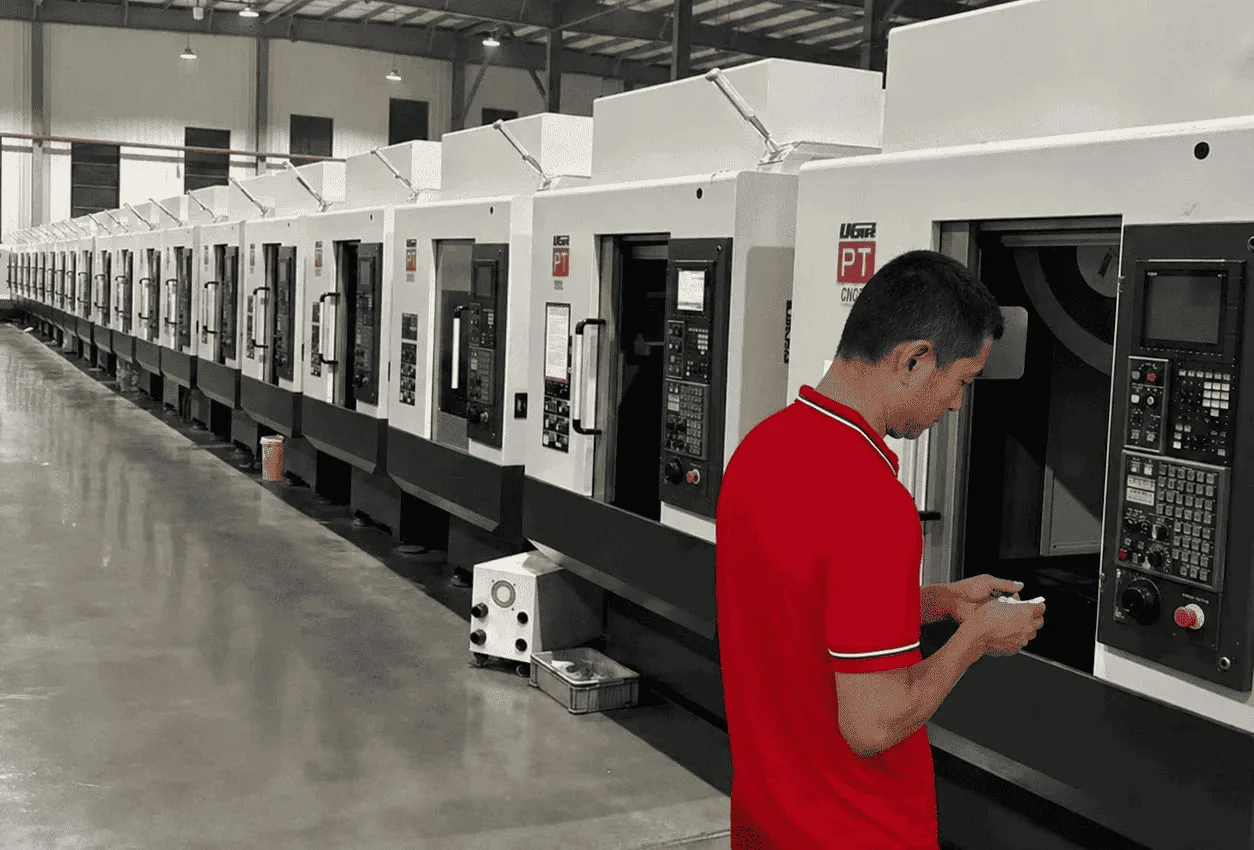
- CNC turning for customized insert body geometry.
- Swiss machining for high-volume small precision inserts.
- Automatic lathe production for standard turned structures.
- Internal and external threading, including fine pitches.
- Custom knurling, grooving, and chamfering.
- Flange and shoulder machining for specific mounting.
- Thorough deburring, ultrasonic cleaning, and surface treatment coordination.
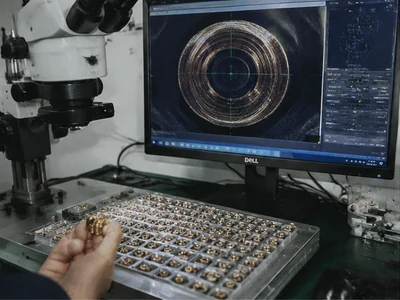
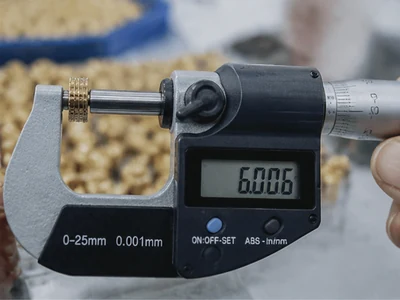
What We Inspect Before Threaded Inserts Leave the Factory
A systematic quality process to ensure assembly reliability.
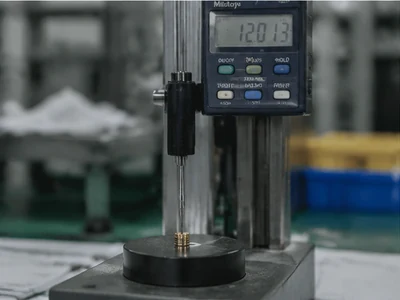
Drawing & Thread Review
First Article Verification
In-Process Checks
Thread Gauge Inspection
O.D. & Length Inspection
Knurl & Feature Check
Burr & Cleanliness Review
Final Batch Verification
Drawing & Thread Review
First Article Verification
In-Process Checks
Thread Gauge Inspection
O.D. & Length Inspection
Knurl & Feature Check
Burr & Cleanliness Review
Final Batch Verification
Where Custom Threaded Inserts Are Used
Providing stronger internal threads for more reliable assembly across industries.
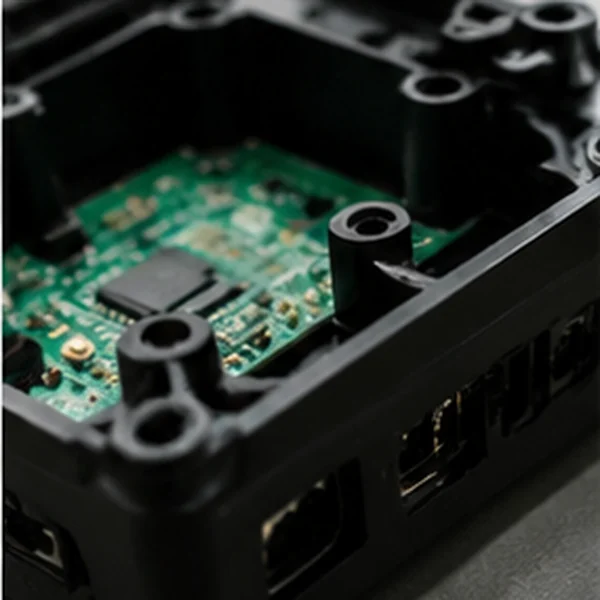
Electronic Housings
Allows repeated fastening of covers without stripping plastic.
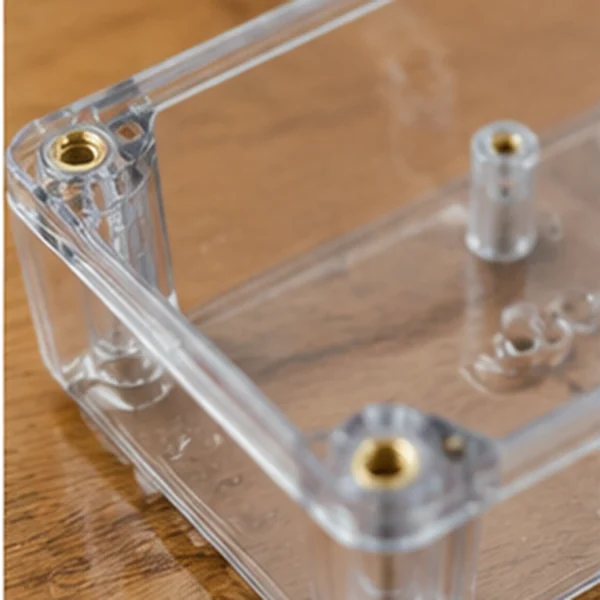
Plastic Enclosures
Improves serviceability for industrial and consumer devices.
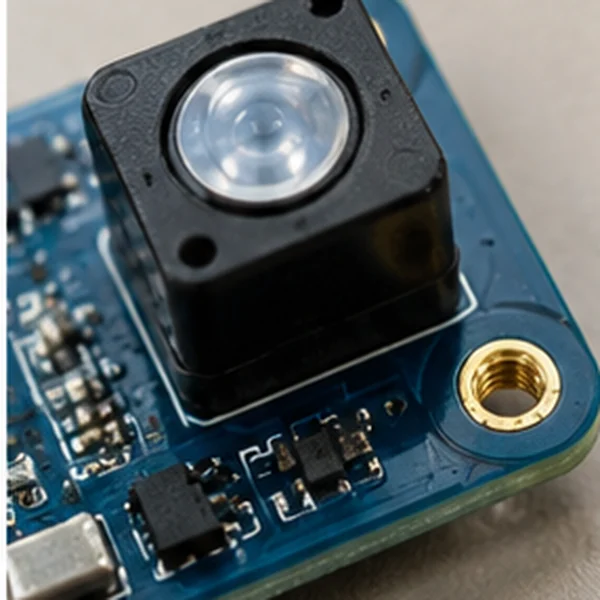
Sensor Components
Provides precise mounting points in delicate instruments.
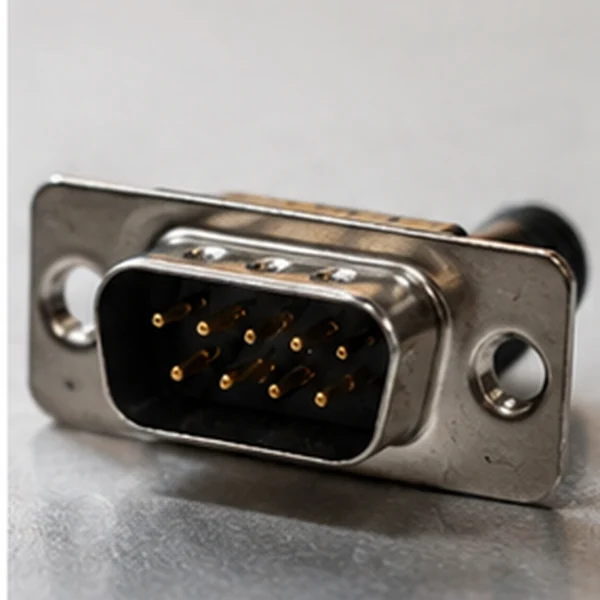
Connectors
Ensures secure mating and grounding in electrical assemblies.
Automation Equipment
Withstands vibration and heavy loads in robotics.
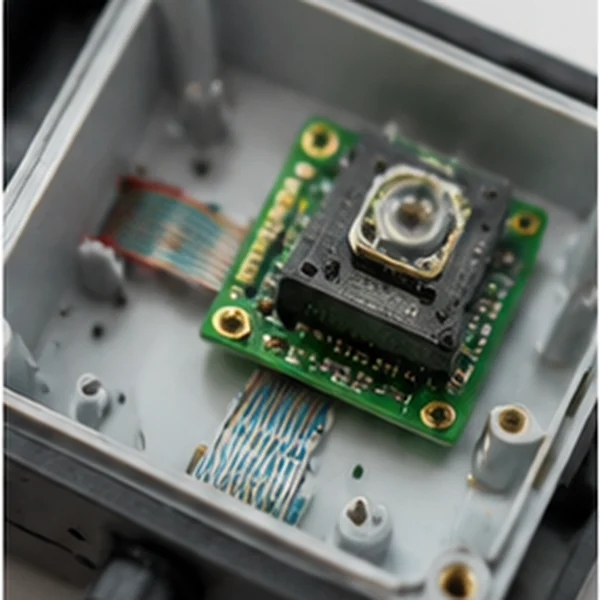
Small Device Assemblies
Micro-inserts for compact spaces and thin walls.
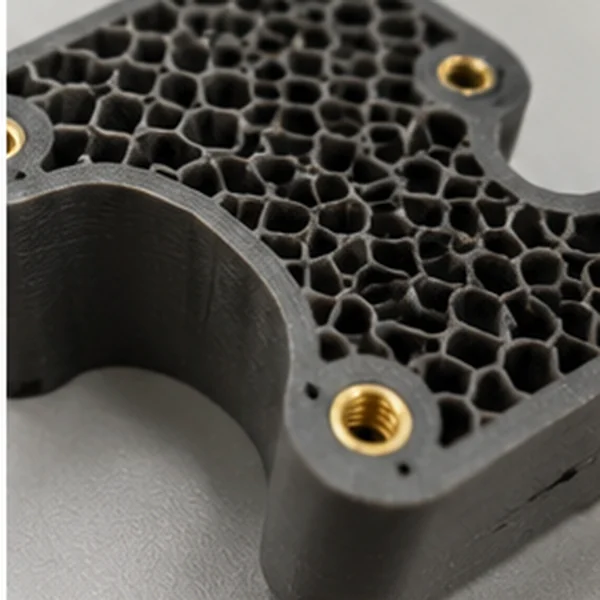
3D Printed Parts
Adds durable metal threads to rapid prototypes and end-use parts.
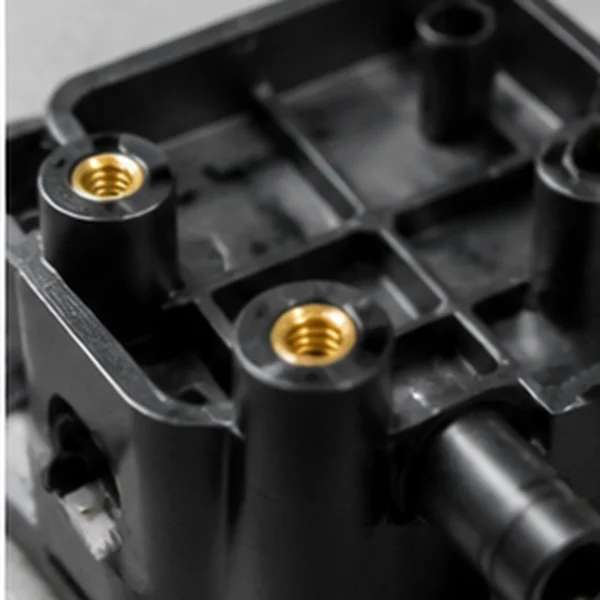
Injection-Molded Components
Molded-in inserts for maximum structural integrity.
A Manufacturing Partner You Can Verify
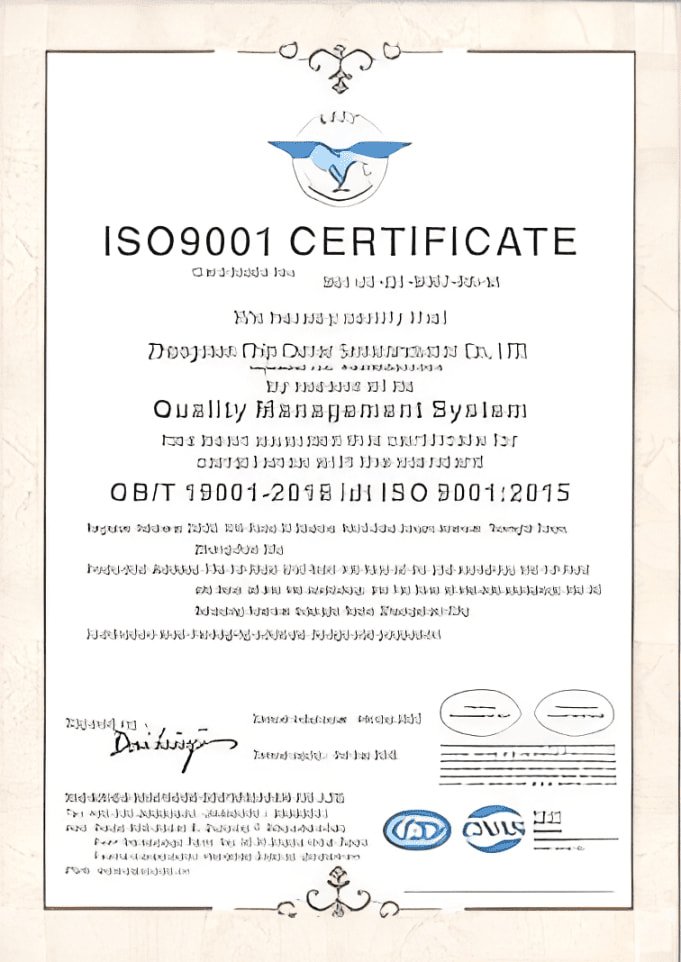 ISO9001
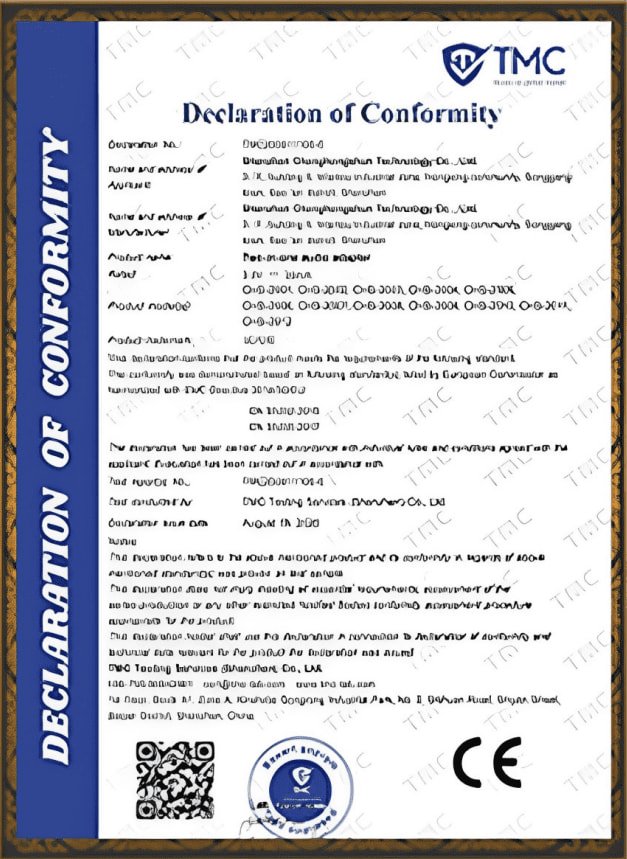 CE
CE
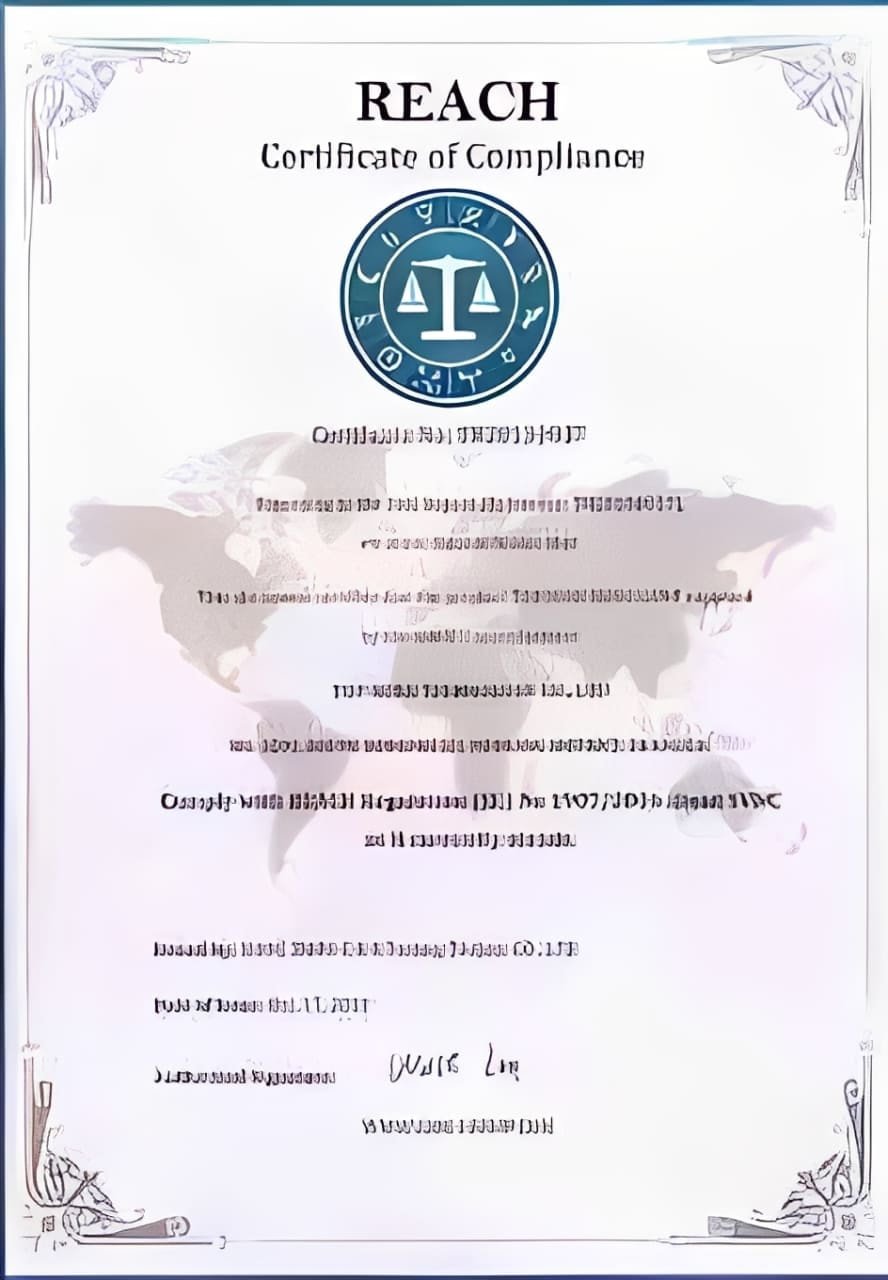 REACH
REACH
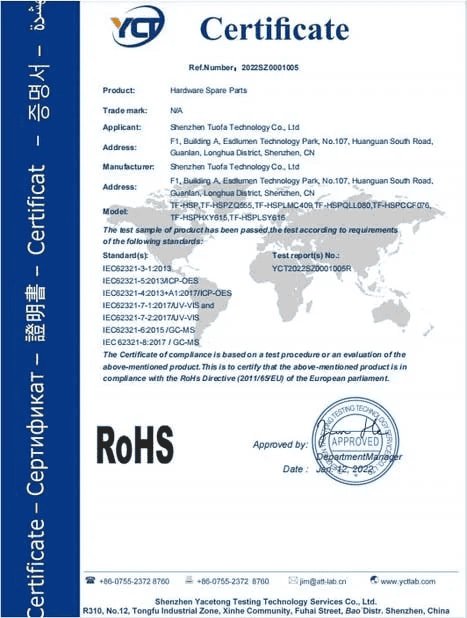 ROHS
ROHS
 TEST Reports
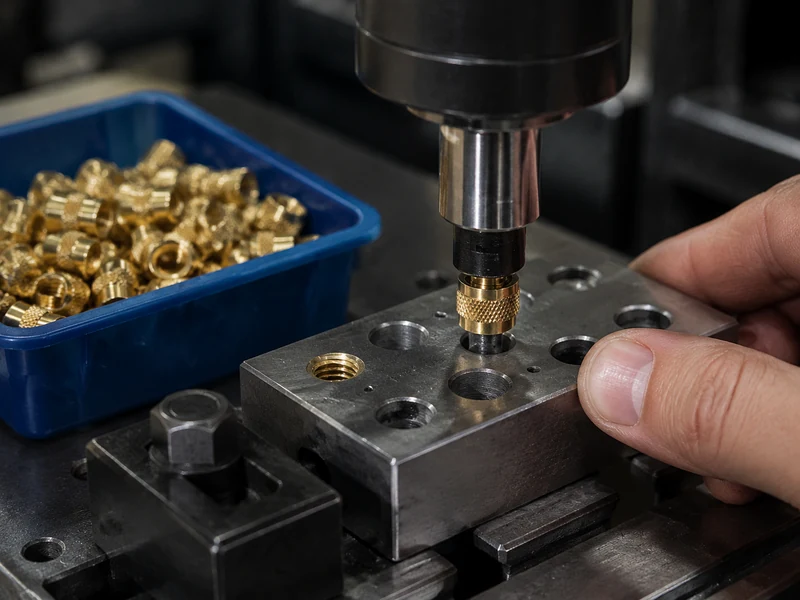
How to Install Threaded Inserts Correctly for Reliable Assembly
The installation method directly affects retention and torque resistance. Even a perfectly machined insert will fail if installed incorrectly.
- Heat-set inserts depend on controlled temperature and insertion depth to avoid plastic degradation.
- Press-in inserts depend on precise hole size and interference; too much force cracks the boss.
- Ultrasonic inserts depend on material flow and energy control.
- Molded-in inserts require reliable positioning inside the mold to prevent flash in the threads.
- Self-tapping inserts require the correct pilot hole and installation torque to prevent stripping the base material.
Common Installation Errors to Avoid:
Choosing the right insert structure is just as important as machining the insert accurately.
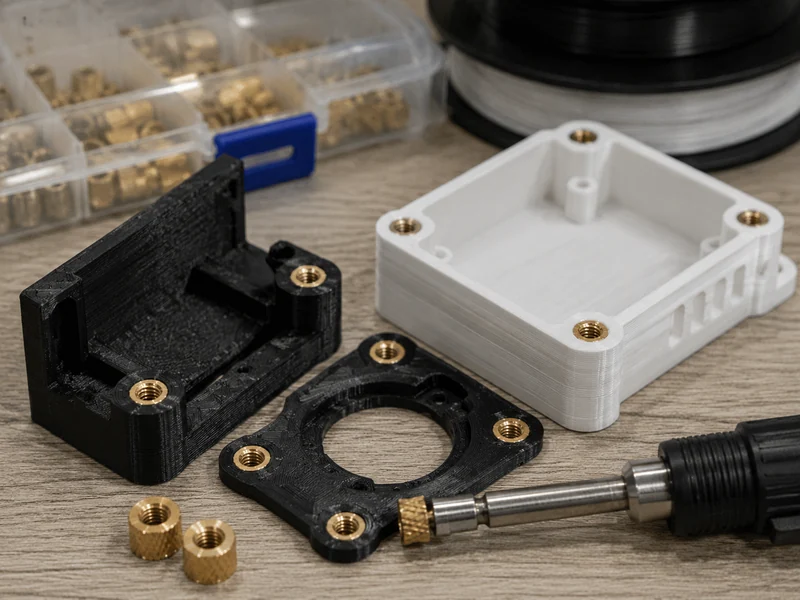
How to Use Threaded Inserts in Plastic and 3D Printed Parts
Plastic and 3D printed components often need durable threads for repeated assembly. Direct tapping into plastic usually results in stripped threads after a few cycles.
- Heat-set inserts are common for many thermoplastics (ABS, PLA, PETG) and printed parts, offering an excellent balance of strength and ease of use.
- Ultrasonic insertion may suit controlled production environments for injection-molded parts.
- Press-in inserts may work when material and boss design provide enough support without cracking.
The insert must match the polymer type, wall thickness, boss diameter, and required retention.
Considerations:
- • Base material & printing orientation
- • Boss diameter & wall thickness
- • Pull-out requirement
- • Number of assembly cycles
Common Risks:
- • Boss cracking or plastic whitening
- • Insert spin or poor alignment
- • Excessive heat damage
- • Uneven installation height
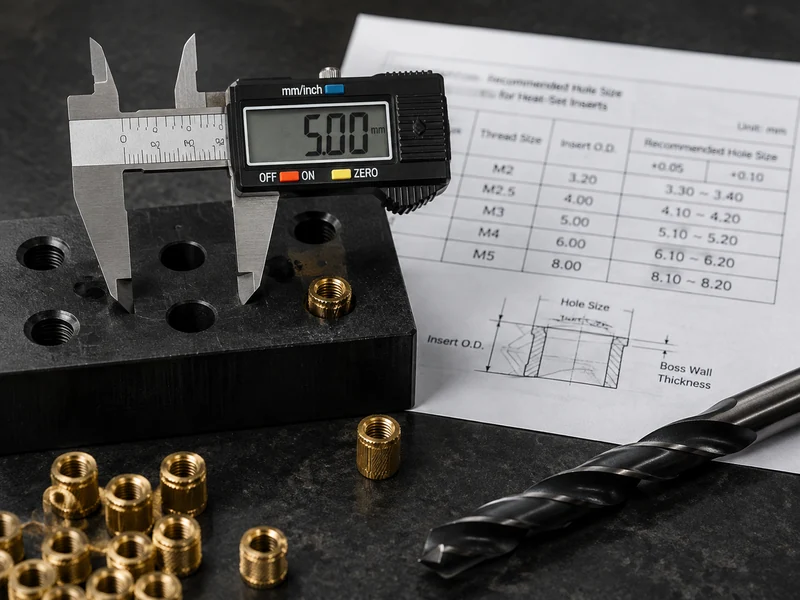
What Hole Size Works Best for Threaded Inserts?
There is no universal hole size chart. The correct hole size depends heavily on several interacting factors:
- Insert outside diameter (O.D.)
- External knurl or thread structure
- Insert length
- Base material properties
- Installation method
- Boss wall thickness
- Required pull-out and torque resistance
If the hole is too large:
- Insert pull-out or rotation
- Low installation resistance
- Inconsistent height
If the hole is too small:
- Excessive installation force
- Boss cracking / plastic deformation
- Misalignment or incomplete insertion
The mounting hole should be designed together with the insert, base material, and installation process.
Frequently Asked Questions About Custom Threaded Inserts
Can you manufacture threaded inserts from my drawing?
What materials can you use for custom threaded inserts?
What is the difference between heat-set, press-in, and molded-in inserts?
Can you make inserts for plastic and 3D printed parts?
Can you produce custom metric and inch threads?
How do you inspect internal threads and knurled features?
How can pull-out and insert rotation risks be reduced?
What information do you need for a quotation?
Need Custom Threaded Inserts Built Around Your Assembly?
Send us your drawing, thread specification, base material, installation method, and expected order quantity. Our team will review the insert geometry and prepare a quotation based strictly on your application requirements.
What to send for review
- 2D / 3D drawings or reference samples
- Thread size, insert material and installation method
- Base material, expected quantity and critical dimensions
- Fit, pull-out, torque or assembly requirements