

Where Your Parts Are Manufactured
LuckyHXS operates as a direct CNC machining manufacturer in Shenzhen, China. The company does not claim a Chicago factory, office, warehouse or local pickup location.
For a Chicago-area project, engineering files and purchasing requirements are reviewed remotely. Approved parts are manufactured and inspected in Shenzhen, then packaged and shipped according to the agreed commercial and delivery scope.
Choose this route when the project allows time for international manufacturing and freight planning. Choose a verified local shop when on-site work, emergency repair, immediate pickup or frequent physical visits are essential.
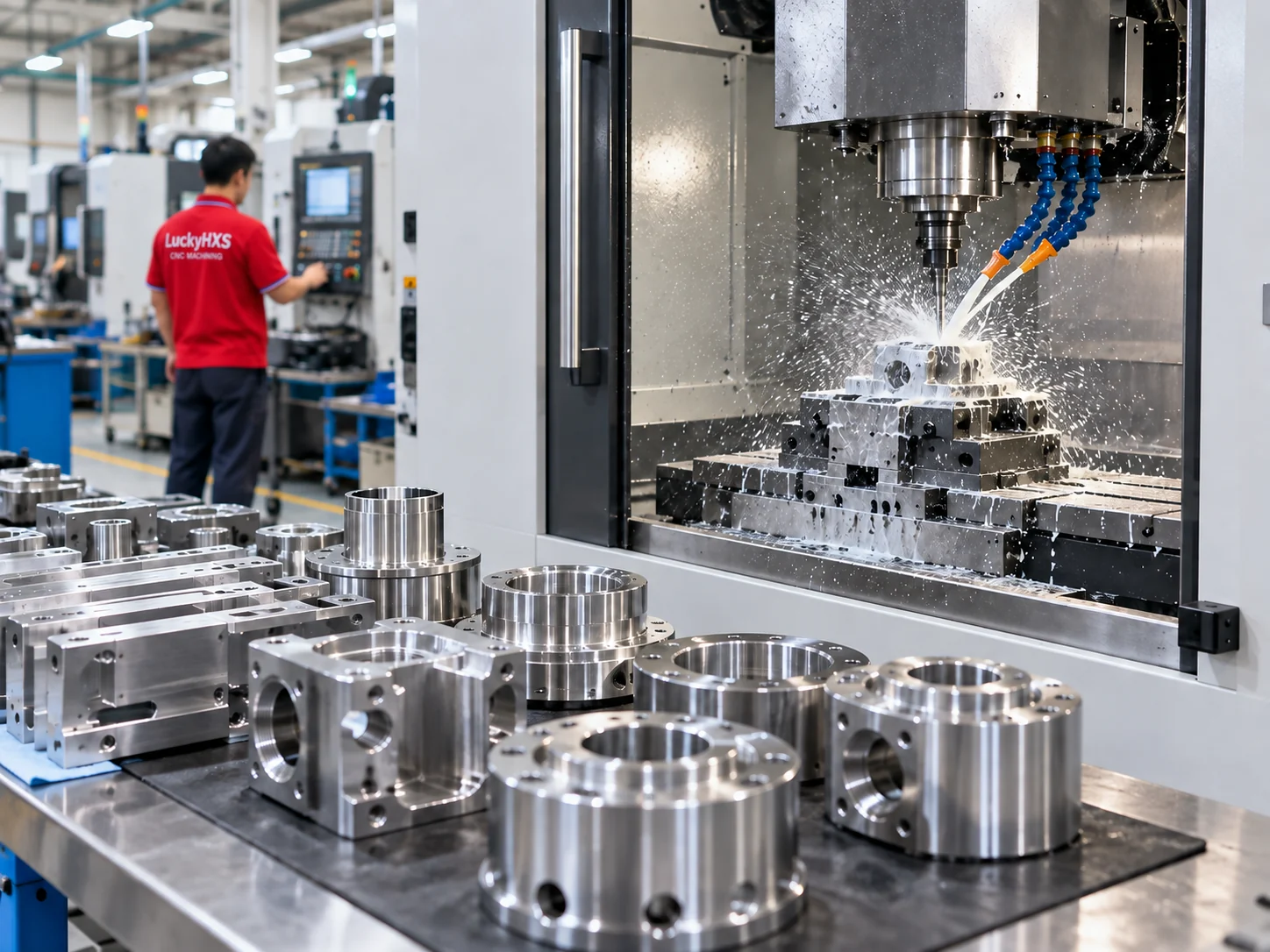
Local or Overseas CNC Machining: Which Route Fits the Project?
Location should follow the operational need of the part. Compare the required response, part definition, order pattern and delivery plan before selecting a supplier route.
A Local Chicago Shop May Fit Better When
- The job requires on-site machining or repair
- A damaged physical part must be inspected in person
- Same-day pickup or emergency turnaround is essential
- The component is difficult or uneconomical to ship
- Engineering changes require frequent face-to-face review
- Local content or domestic-source requirements apply
LuckyHXS May Fit When
- The part can be manufactured from controlled 2D and 3D files
- The schedule allows international production and shipping
- The project needs custom turning, milling, Swiss or turn-mill review
- Prototype requirements may develop into repeat production
- Material, finish and inspection scope can be defined before manufacturing
- The buyer can compare total delivered scope instead of location alone
Neither route is automatically right for every part. The best sourcing decision depends on technical fit, schedule, communication, quality evidence and total project scope.
Custom CNC Parts for Drawing-Controlled Chicago Projects
LuckyHXS manufactures custom components from customer drawings. The part geometry and functional relationships determine the process route.
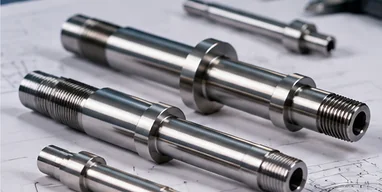
CNC machining of shafts, pins, and rotating components
Suitable for parts defined by outside diameters, shoulders, grooves, threads, bores and runout relationships.

Bushings, Sleeves and Spacers
Suitable for guiding, spacing and locating components where the ID-to-OD relationship and wall condition matter.
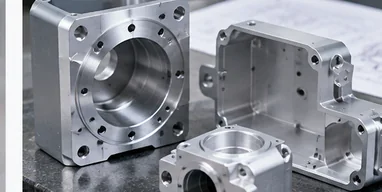
Milled Housings and Enclosures
Suitable for pocketed and multi-face parts with mounting interfaces, internal cavities and sealing surfaces.
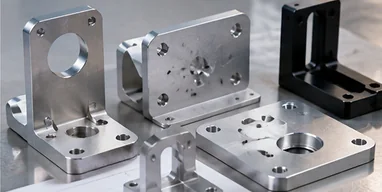
CNC Machining and Manufacturing
Suitable for structural and alignment parts that depend on mounting patterns and related faces.
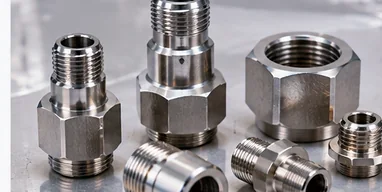
Fittings, Adapters and Threaded Parts
Suitable for rotational components with threads, shoulders, ports, flats or cross holes.

CNC Machining of Hardware Components
Suitable for small-diameter parts where support near the cutting area may help control deflection and feature relationships.
The Drawing Determines the CNC Process
A supplier should select the machining route around the functional geometry. Machine names alone do not show whether the route fits the part.
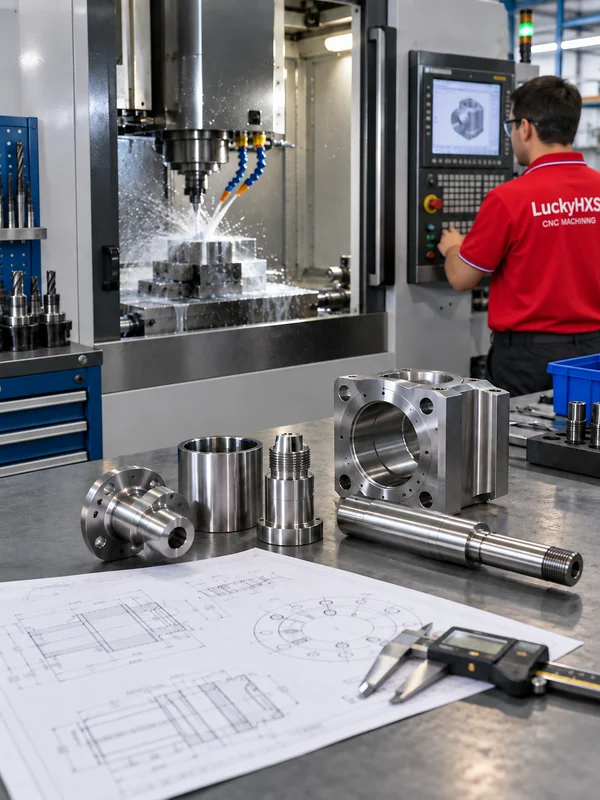
Final process selection follows drawing review. A part that can be machined on one route may still be more practical on another route.
| Part Geometry | Process to Evaluate | Main Decision Factors |
|---|---|---|
| Primarily rotational | CNC turning | Diameter relationships, bores, shoulders, grooves, threads and cutoff. |
| Small and slender | Swiss machining | Support near the cutting zone, bar stock, runout, feature sequence and quantity. |
| Rotational with off-axis features | Turn-mill machining | Cross holes, flats, ports, off-axis threads, operation transfer and deburring. |
| Prismatic or pocketed | CNC milling | Tool access, workholding, pocket depth, wall thickness and machining orientations. |
| Complex multi-surface geometry | Multi-axis evaluation | Setup reduction, datum transfer, tool access and related feature control. |
CNC Machining Material Options for Custom Machined Components
Material selection affects stock availability, cutting behavior, tool wear, burr control, dimensional stability, finishing and shipping weight. Confirm the exact grade and condition required by the drawing.
Aluminum 6061, 6063 and verified project grades
Stainless Steel 303, 304 and verified 316 grades
Brass and Copper
Free-Cutting Steel 1214 and 1215
Engineering Plastics
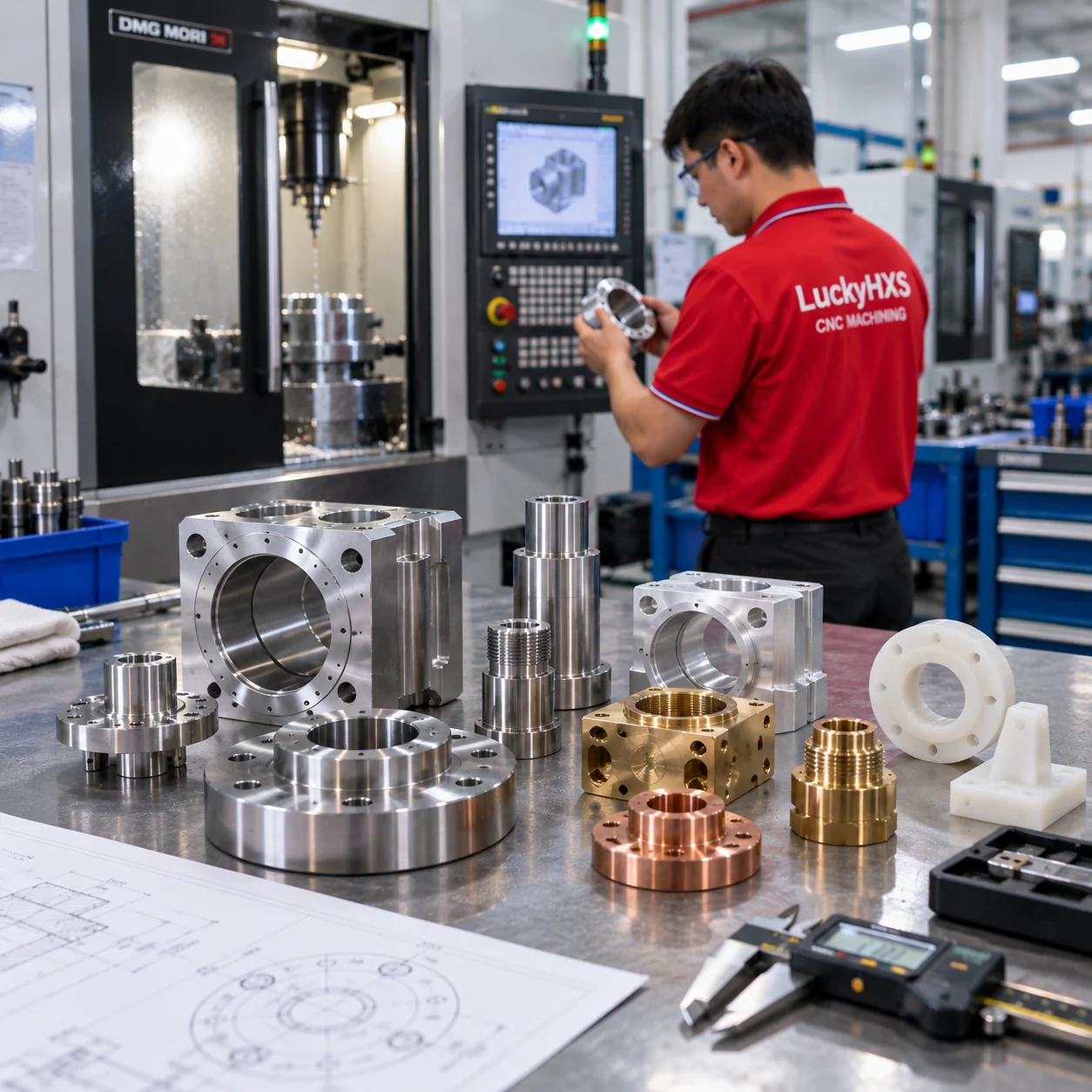
A lower-cost material is not a valid substitute unless it still meets the functional, environmental, assembly and compliance requirements. Customer approval is required before any material change.
A Strong Remote Quote Starts With a Controlled RFQ
A remote manufacturing review depends on the same technical definition used to approve the finished part. Complete files reduce assumptions across engineering, machining, inspection and shipping.
- Latest 2D drawing with revision
- 3D CAD model when available
- Material grade and condition
- Prototype and expected production quantities
- Critical dimensions, datums and GD&T
- Threads, fits and mating interfaces
- Surface finish, color and masking
- Inspection reports and quality documents
- Chicago-area delivery destination and requested schedule
A 3D model communicates geometry but may not define tolerance, thread, finish or inspection intent. A 2D drawing may not fully communicate complex surfaces. Providing both creates a stronger quotation basis.
CNC Machining Compare Supplier Routes on More Than Distance
A local address can simplify some projects, while a direct overseas manufacturing route can suit others. Compare the factors that affect the finished order.
Choose the route that fits the technical requirement and operating plan. Do not select a supplier from location or unit price alone.
Compare the Total Delivered Project Scope
A machining price and a delivered project cost are different figures. Cross-border sourcing decisions should include every material commercial component that applies to the order.
The applicable taxes, duties, brokerage, freight and delivery responsibilities depend on the agreed Incoterm, destination and current import requirements. They must be confirmed for the specific shipment rather than assumed from a generic estimate.
Compare supplier quotations using the same revision, quantity, finish, inspection level, packaging and delivery basis.
CNC Machining Plan Production and Freight as One Schedule
The delivery plan begins before machining. Material sourcing, manufacturing, finishing, inspection, packaging and freight must follow a sequence that protects the approved requirement.
File and Revision Approval
Confirm the drawing, model and open technical questions.
Material and Process Planning
Review stock availability, process route, setup and tooling.
Machining and In-Process Control
Produce the part according to the approved manufacturing definition.
Finishing and Final Inspection
Complete required secondary operations and verify applicable features.
Protective Packaging
Protect finishes, threads, sealing faces and critical interfaces for transport.
Shipment to the Agreed Destination
Use the confirmed freight method, delivery terms and receiving information.
Requested delivery dates should account for the complete route. A manufacturing completion date and a Chicago receiving date are not the same milestone.
CNC Machining Remote Manufacturing Requires Clear Revision Control
A well-made part from the wrong revision is still the wrong part. Remote projects need one controlled source for drawings, models and approved changes.
Name the Revision
Place the revision on the RFQ, drawing, model package and purchase order.
Identify What Changed
Provide a concise change summary for geometry, tolerance, material, finish or inspection updates.
Resolve File Conflicts
If the PDF and 3D model do not agree, confirm which source controls each requirement before machining.
Record Technical Decisions
Keep approved DFM changes and requirement clarifications in a written project record.
Review Quote Impact
A revision may change material, setup, tooling, machining time, inspection or delivery scope.
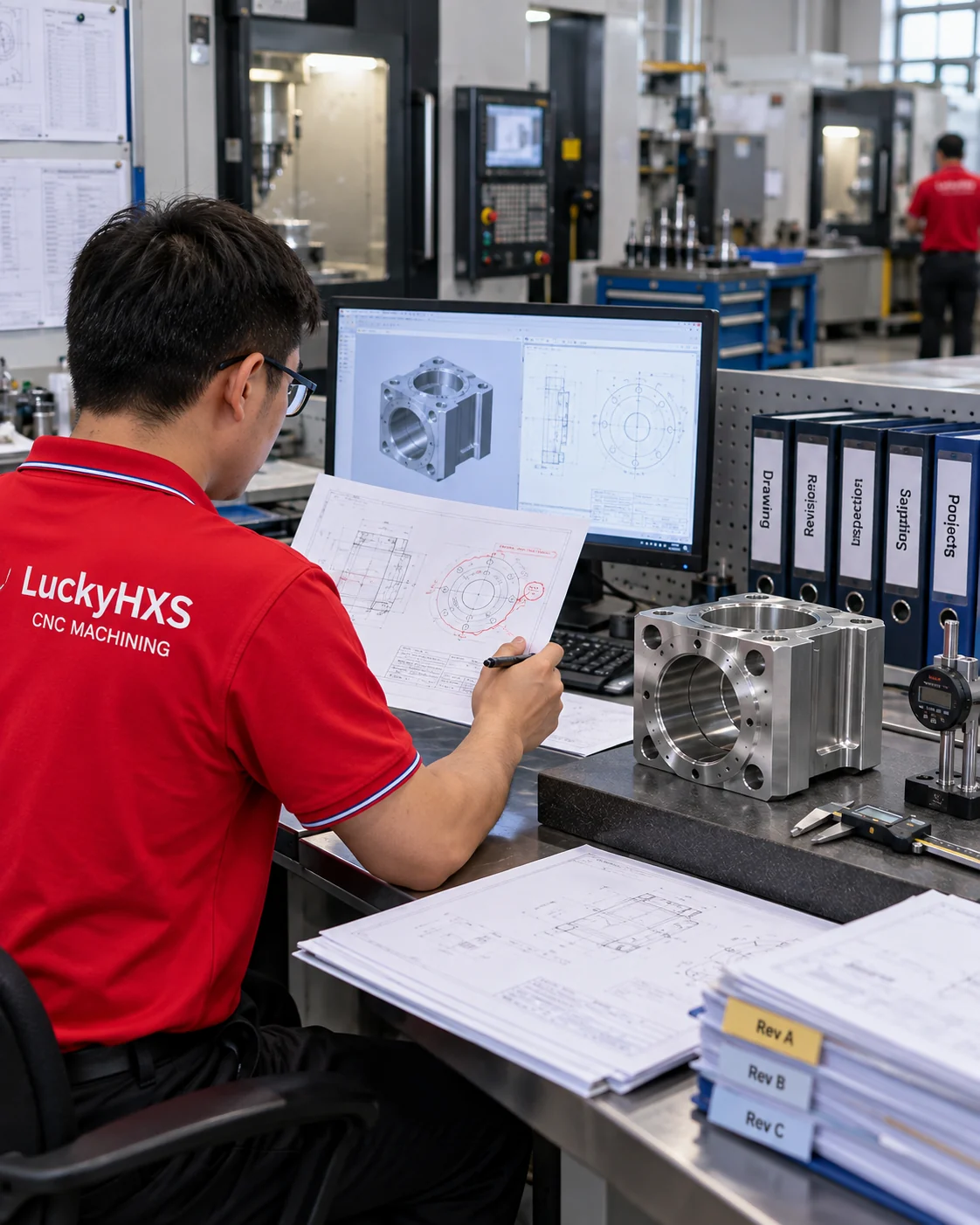
Use one approved revision package before production begins. Do not rely on filenames such as final, latest or new version without a controlled identifier.
CNC Machining Manufacturability Review Before Cutting Material
A simple-looking model can contain difficult tool access, unstable walls, deep features or unnecessary setups. DFM review identifies manufacturing effort without removing functional requirements.
Deep Pockets and Bores
Long tool reach can affect rigidity, cutting strategy and chip removal.
Thin Walls and Floors
Thin sections can move under cutting forces and may require staged machining or additional support.
Small Internal Radii
Very small corner radii may require smaller tools and longer machining time.
Cross Holes and Internal Intersections
Intersecting features require planned deburring and inspection.
Deep or Uncommon Threads
Thread depth, access, tooling and effective engagement should match the functional need.
Features on Multiple Faces
Separate orientations can add workholding, datum transfer and verification.
LuckyHXS may raise DFM questions during quotation. No geometry, material, tolerance or finish change becomes part of the manufacturing definition without customer approval.
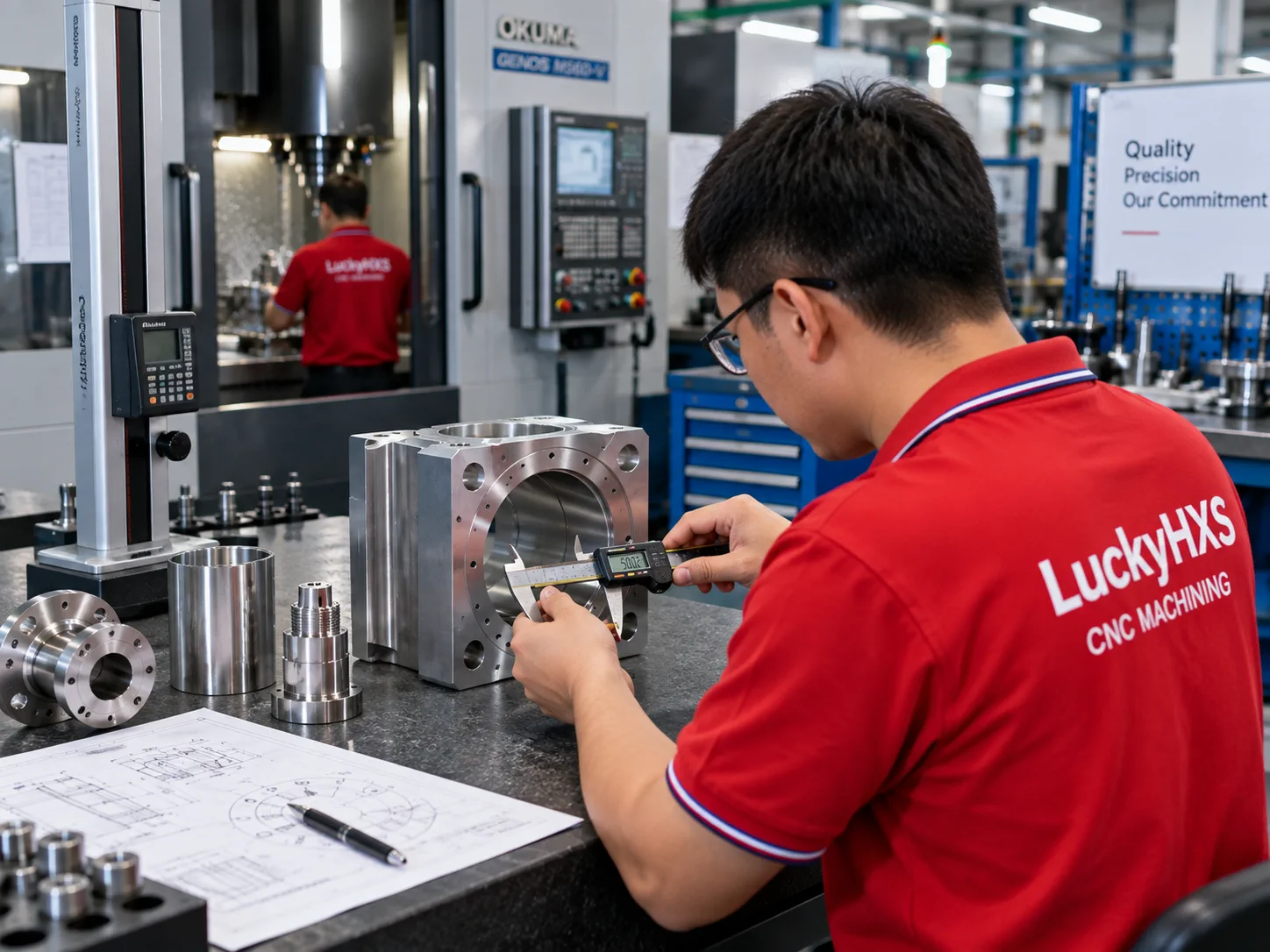
Items That Can Change Between Batches
- Material lot or stock condition
- Tool wear and replacement
- Fixture condition and setup
- Deburring and cleaning
- Finish color or surface condition
- Inspection method
- Drawing revision
CNC Machining Plan Beyond the First Approved Part
A prototype confirms an early manufacturing result. Repeat production also requires control of material, tooling, fixtures, inspection, finishing and retained project requirements.
Prototype Review
Confirm geometry, assembly fit, critical features and the initial process route.
Pilot Batch
Review whether the machining, inspection, finishing and packaging plan suits a repeatable order.
Repeat Production
Use the approved revision and agreed controls as the basis for future manufacturing reviews.
Share the current quantity and a realistic expected repeat quantity during quotation. This helps the process review account for more than a single sample.
CNC Machining Inspection Should Follow the Feature Function
A measurement method should match the feature, tolerance, datum and assembly risk. Define the required inspection and documentation scope before comparing suppliers.
| Feature | Inspection Approach to Discuss |
|---|---|
| Outside diameter, thickness and length | Calipers, micrometers or suitable dedicated gauges. |
| Bore and internal diameter | Bore measurement, plug gauges or pin gauges where suitable. |
| Threads | Thread plug gauges, ring gauges or defined mating checks where applicable. |
| Runout and concentric relationships | A controlled datum setup and a method suited to the specified relationship. |
| Hole position, profile and multi-datum geometry | Optical, two-dimensional, three-dimensional or coordinate measurement when required. |
| Small burrs and internal intersections | Visual, magnified or optical inspection based on access and risk. |
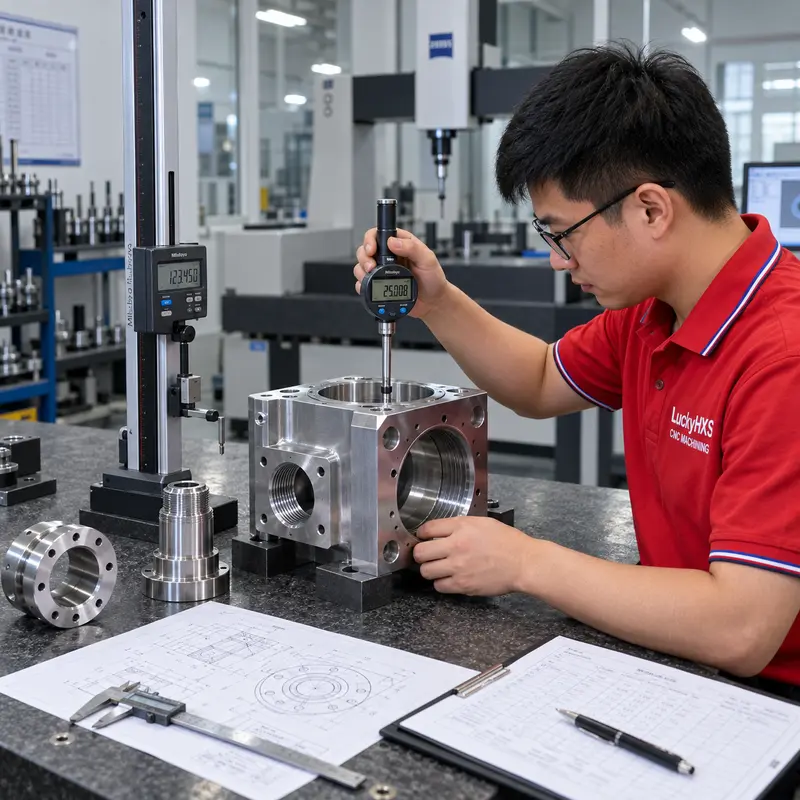
List any required first-article report, dimensional report, material record, finish certificate, compliance document or special test report in the RFQ. Availability and scope must be confirmed for the project.
Review CNC Machining Quality InspectionCNC Machining Finish Requirements Continue Through Packaging
The finished surface can affect appearance, corrosion behavior, dimensions, masking and transport protection. Define it as part of the complete order.
- Finish type and applicable standard
- Color or approved reference
- Cosmetic and non-cosmetic surfaces
- Masking and electrical contact areas
- Threads, bores and fits affected by coating
- Post-finish inspection requirements
- Required finish documents
- Packaging needed to prevent contact damage
A quotation should make clear whether it covers the machined part only or the finished, inspected and protected component.
Review CNC Surface Finishing Options
CNC Machining Four Sourcing Problems to Resolve Before Production
The Supplier Location Is Clear, but the Manufacturing Location Is Not
A sales address does not explain where the parts will be made or inspected.
LuckyHXS states that manufacturing takes place in Shenzhen and does not claim a Chicago production location.
The Quote Uses a Different Technical Scope
A lower total may exclude finishing, documentation, protective packaging or international freight.
Compare the same drawing revision, material, quantity, quality scope and delivery basis.
Remote Files Contain Conflicting Revisions
A mismatch between the PDF, 3D model and purchase order can produce the wrong part correctly.
Identify the controlled revision and resolve file conflicts before machining.
The Prototype Passes, but Repeat Requirements Are Undefined
A single sample does not define future material, tooling, inspection or finish controls.
Discuss the expected production stage and retain the approved manufacturing requirements.
A clear supplier relationship reduces uncertainty before price, production and delivery decisions become difficult to change.
How a Chicago CNC Machining Project Moves Through LuckyHXS
RFQ and File Review
Review the available drawing, model, revision, quantity and destination requirements.
Technical Clarification
Resolve material, critical features, threads, finish, inspection and open drawing questions.
Process Selection
Evaluate turning, milling, Swiss, turn-mill or another supported route against the geometry.
Quotation Scope
Define the manufacturing, finishing, inspection, packaging and delivery assumptions included in the quote.
Manufacturing and Control
Machine the approved part definition and apply the planned in-process checks.
Final Inspection and Packaging
Complete the applicable verification and protect critical surfaces and features for transport.
Shipment and Receiving Information
Use the agreed freight method, delivery terms and Chicago-area receiving details.
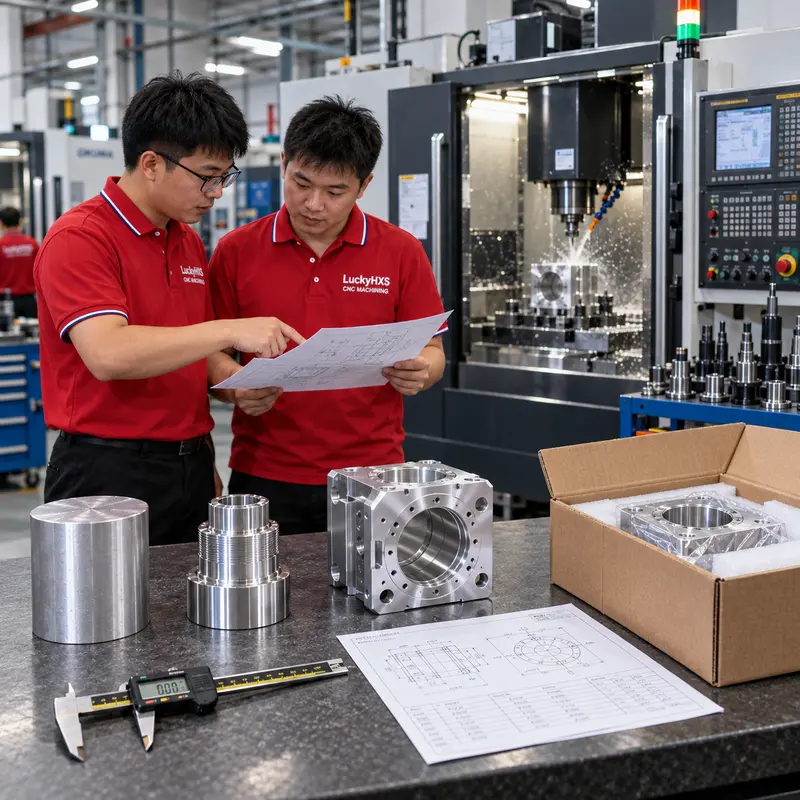
Changes to the revision, quantity, material, finish, inspection or destination may require a new technical and commercial review.
CNC Machining Quotes: Comparing on an Equal Basis
Two quotations cannot be compared reliably until the technical and delivery scope matches.
| Scope Line | Question to Confirm |
|---|---|
| Drawing Revision | Does the quotation identify the same controlled drawing and model revision? |
| Material | Does it state the same grade, condition and stock assumption? |
| Quantity | Does it use the same prototype, pilot or production quantity? |
| Setup and Tooling | Are meaningful one-time costs included or listed separately? |
| Critical Features | Are tolerance, GD&T, thread and fit requirements interpreted the same way? |
| Surface Finish | Are finish type, color, masking and post-finish dimensions included? |
| Inspection | Are the same feature checks and reports included? |
| Packaging | Does the quote protect the same surfaces, threads and interfaces? |
| Freight and Import Scope | Does it state the shipping basis, destination and applicable responsibilities? |
| Lead Time | Does the schedule refer to manufacturing completion, shipment or arrival? |
| Exclusions | Are open questions and excluded services visible? |
Resolve missing scope before selecting a total. A short clarification before purchase can prevent a larger disagreement after production begins.
Use This Checklist With My RFQ
A factory image, certificate badge or sample part should not be treated as proof of every capability. Confirm the specific process, feature, document and commercial requirement that applies to the order.
CNC Machining Verify the Manufacturer Behind the Website
Remote supplier evaluation should connect the company identity, manufacturing location, process equipment, sample work, inspection resources and project documents.
Items to Review
- Legal company and manufacturing location
- Actual process equipment relevant to the drawing
- Real machined-part examples
- Material and process fit
- Inspection resources for critical features
- Applicable certificates and their scope
- Drawing and revision-control method
- Packaging for finished surfaces and interfaces
- Commercial and delivery responsibilities
- A clear inquiry path for technical questions
LuckyHXS welcomes project-specific questions about the manufacturing route and inspection scope. Any certificate or report must be reviewed within its stated holder, validity and applicable scope.
Machined CNC Machining Components for Chicago-Area Engineering Projects
The application changes which interfaces, materials and inspection records matter. Evaluate the part by its function in the assembly rather than by industry name alone.
Industrial Automation
Mounts, shafts, bushings, sensor components and motion-system parts may depend on datum control, bore relationships and repeat assembly.
Review Industrial CNC Machining →Robotics and Machinery
Brackets, adapters, shafts and housings may require alignment, hole position, runout and controlled mating interfaces.
Review CNC Machining for Robotics →Electronics and Instruments
Housings, connectors and sensor parts may require pocket control, mounting alignment, cosmetic finishing and protection during shipping.
Review Electronics CNC Machining →Fluid-Control Equipment
Valve bodies, fittings and manifolds may require thread fit, sealing surfaces, clean port intersections and internal burr review.
Automotive and Mobility Equipment
Custom mounts, adapters and turned components should be evaluated against the drawing, material, production stage and required quality records.
Review Automotive CNC Machining →Medical and Aerospace Projects
These projects may require controlled documentation, inspection and supplier qualification beyond normal commercial machining. Requirements must be confirmed for the specific part and program.
CNC Machining A Direct Manufacturing Route You Can Review
LuckyHXS connects the quotation to the drawing, manufacturing route, inspection scope and delivery plan. The value lies in making these decisions visible before production.
Process Selection Around the Part
Turning, milling, Swiss and turn-mill routes can be evaluated against the actual geometry and functional relationships.
Prototype-to-Repeat Planning
The current order and realistic future quantities can be considered during the initial manufacturing review.
Finishing and Dimensional Coordination
Coating-sensitive dimensions, masking, cosmetic areas and final inspection can be reviewed as one connected scope.
Feature-Based Inspection Discussion
Measurement methods can be aligned with bores, threads, hole positions, runout, profiles and mating interfaces.
Manufacturing in Shenzhen
Review real shop-floor equipment, representative machined parts, inspection resources and applicable project documents. LuckyHXS does not represent these assets as a Chicago facility.
Questions About CNC Machining for Chicago Projects
Is LuckyHXS a local Chicago CNC machining company?
When should I choose a local Chicago machine shop instead?
What projects may fit an overseas CNC manufacturer?
How should I compare a Chicago quote with an overseas quote?
What files should I send for a CNC quotation?
Can LuckyHXS quote from a 3D model only?
How are inspection reports and material documents handled?
How should revisions be handled during a remote project?
Request a CNC Machining Review for Your Chicago Project
Send the latest part files and project requirements available. LuckyHXS will review whether the geometry, manufacturing route, quality scope and planned delivery fit a Shenzhen production route.
For on-site machining, emergency repair or immediate local pickup, contact a verified Chicago-area provider. For drawing-controlled custom parts with a planned international schedule, submit the project below.
Include When Available
- Latest drawing and model revision
- 2D drawing and 3D CAD
- Material grade and condition
- Prototype and production quantities
- Critical dimensions, datums and GD&T
- Threads, fits and mating interfaces
- Finish, color and masking
- Inspection reports and documents
- Chicago-area delivery destination
- Requested receiving date