
Custom Swiss CNC
Machining Service
for Small & Slender Parts
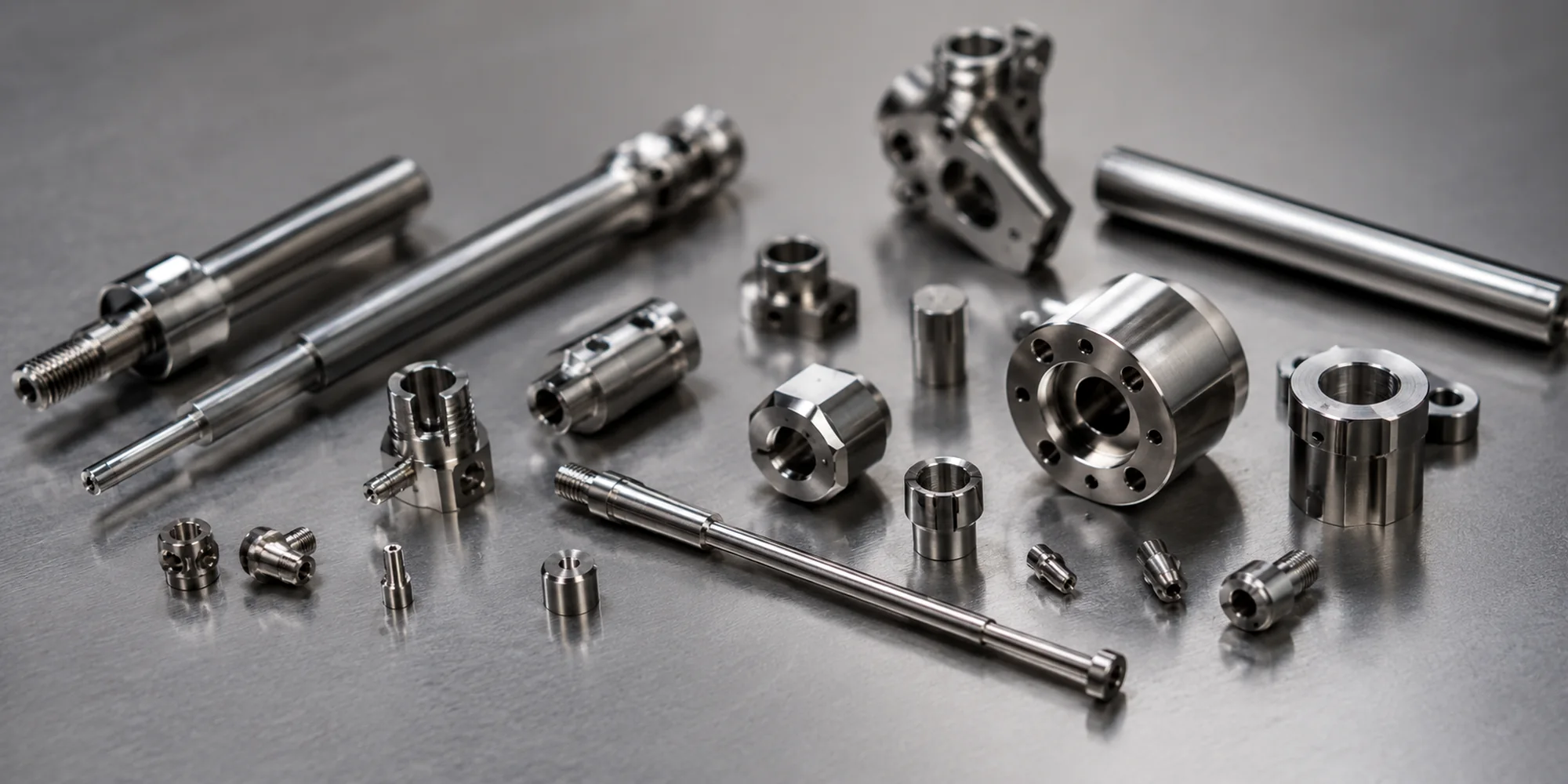
LuckyHxs manufactures custom Swiss machined parts for small-diameter, slender and feature-dense components based on customer drawings. We support shafts, pins, connectors, sleeves, threaded parts and other precision components from prototype validation to repeat production.
Process Fit
Swiss machining is especially suitable for small, slender, bar-fed parts that require tight feature relationships, repeatable accuracy and stable batch production.
- Small-diameter and slender part support
- Stable feature control and burr management
- CNC turning + Swiss + secondary feature integration
Swiss CNC Machining at a Glance
Supply Type
Custom Made-to-Drawing Precision Components
Best Fit
Small-Diameter / Slender / Multi-Feature Parts
Typical Products
Shafts / Pins / Connectors / Inserts / Sleeves / Valve Parts / Sensor Components
Processes
Swiss Machining / Precision Turning / Drilling / Threading / Grooving / Integrated Secondary Features Where Applicable
Materials
Stainless / Brass / Copper / Aluminum / Steel / Titanium / Selected Plastics
Tolerance
Standard Reference ±0.01 mm
Machine Specs
- Diameter Range: [CONFIRM]
- Length Range: [CONFIRM]
- Configuration: [CONFIRM]
Logistics
- MOQ: [CONFIRM]
- Lead Time: [CONFIRM]
- Files: PDF, STEP, STP, IGES, DWG, DXF
Is Swiss Machining Right For You?
Swiss machining may be a good fit when your part is small, slender, bar-fed and contains multiple related turned or off-axis features.
Good Fit If
-
Small or Slender Geometry Best suited for bar-fed parts with relatively small diameters and longer length-to-diameter ratios.
-
Multiple Features in One Setup Useful when turning, drilling, threading, grooving or cross-features need to remain positionally related.
-
Repeat Production Is Required Well suited to parts that need repeatable machining from prototype approval into batch production.
-
Tight Feature Relationships Matter Helpful when diameter, concentricity, runout, thread position or cross-hole relationships affect assembly.
Swiss Machining Is Built Around Small, Slender & Feature-Dense Geometry
We utilize Swiss-type machining and precision turning not just to cut metal, but to control the stability of small precision parts. The process is specifically optimized for components where conventional unsupported turning would introduce deflection or require too many secondary operations.
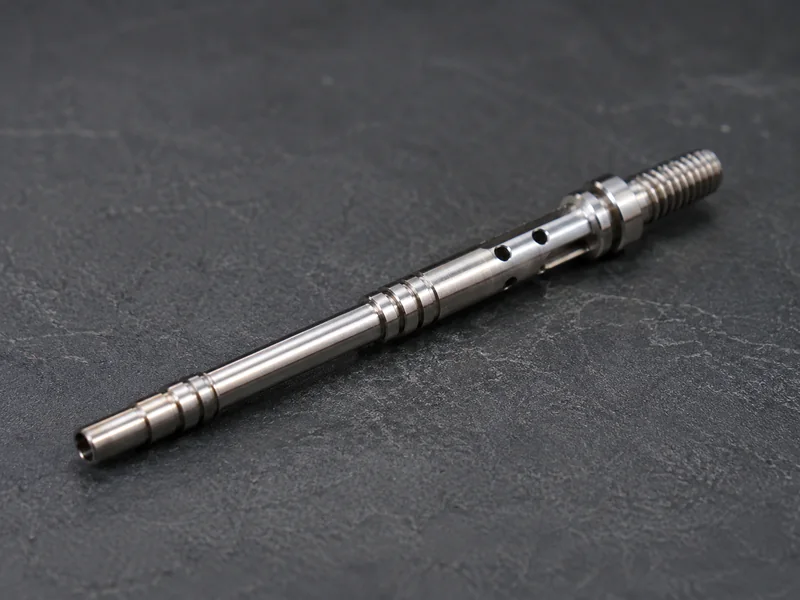
Small Diameter
Optimized for miniature rotational components.
Slender Body
Support near the cut reduces deflection on long parts.
Multiple ODs & Grooves
Maintains strict axial relationships between features.
Fine Threads
Controlled pitch and entry conditions.
Cross Holes & Flats
Integrated off-axis machining where applicable.
Repeat Production
Bar-fed architecture for consistent batch runs.
Not every small turned part needs Swiss machining. Part geometry, quantity and feature relationships determine the manufacturing route.
Swiss Machined Parts We Manufacture to Customer Drawings
Providing precision small-diameter components across 8 core categories.
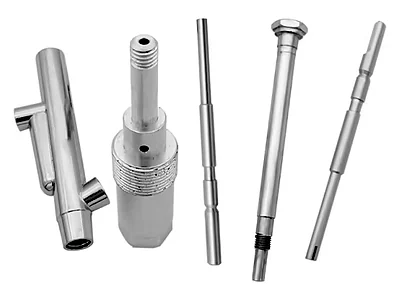
Swiss Machined Shafts & Slender Precision Components
Precision, slender, motor, and guide shafts.
Features: Small OD, Multiple Diameters, Long Body, Shoulder, Thread, Cross Hole
Buyer Watch: Diameter, Straightness, Concentricity, Runout, Slender Stability
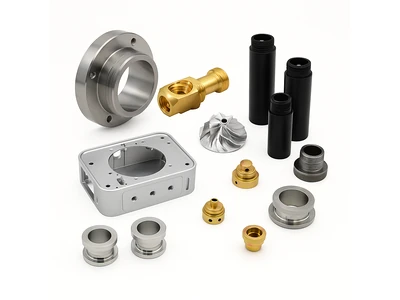
Electrical Connectors, Contacts & Terminals
Connector pins, electrical contacts, and miniature terminals.
Features: Very Small OD, Fine Thread, Small Shoulder, Groove, Knurl, Taper
Buyer Watch: Small Diameter, Shoulder Position, Contact Surface, Burr, Batch Consistency
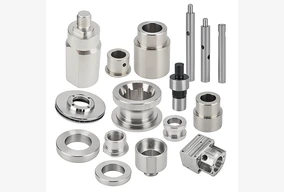
Precision Pins, Locating Pins & Small Studs
Guide pins, shoulder pins, threaded and cross-hole pins.
Features: Precision OD, Shoulder, Thread, Groove, Cross Hole, Retaining Feature
Buyer Watch: OD, Straightness, Shoulder/Cross-Hole Position, Burr
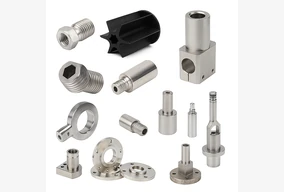
Threaded Parts, Inserts & Custom Fasteners
Threaded inserts, custom screws, precision studs.
Features: External/Internal Thread, Knurl, Shoulder, Groove, Small Bore
Buyer Watch: Thread Fit, Effective Length, Entry Condition, Thread-to-OD Relation
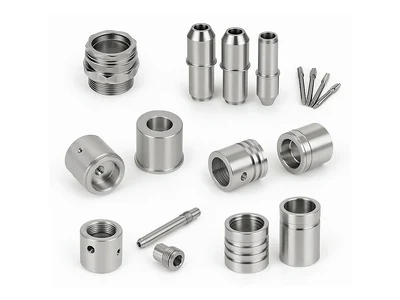
Bushings, Sleeves & Precision Spacers
Guide bushings, spacer sleeves, thin-wall bushings.
Features: ID, OD, Thin Wall, Flange, Shoulder, Groove, Radial Hole
Buyer Watch: Bore-to-OD Relationship, Roundness, Wall Thickness, Concentricity
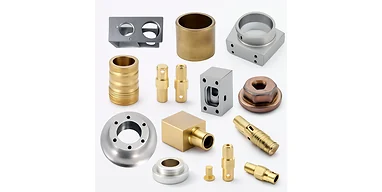
Sensor, Instrument & Micro-Mechanical Parts
Sensor pins, probe bodies, miniature housings.
Features: Small Diameter, Precision Bore, Fine Thread, Miniature Shoulder, Flat
Buyer Watch: Feature Position, Alignment, Small Bore, Repeatability
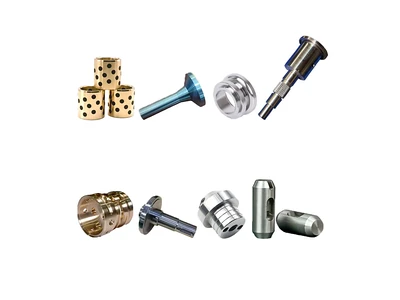
Valve, Nozzle & Fluid-Control Components
Valve stems, cores, spools, precision needles, poppets.
Features: Small Bore, Taper, Precision Stem, Groove, Thread, Small Cross Hole
Buyer Watch: Diameter, Taper, Surface Finish, Straightness, Seat Relationship
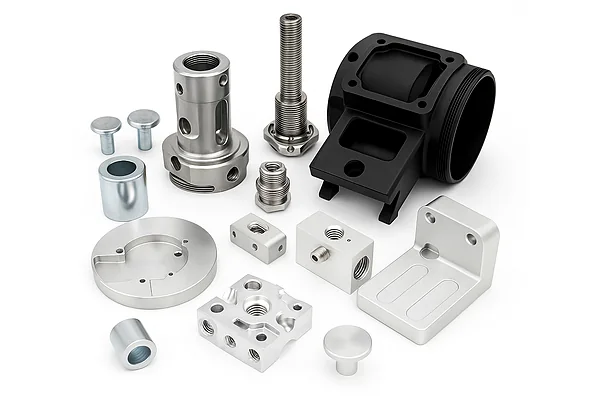
Complex Swiss Turn-Mill & Multi-Feature Parts
Cross-drilled, milled-flat, and slotted precision parts.
Features: Turned OD/Bore + Off-Axis Flat, Slot, Cross/Radial Hole, Side Thread
Buyer Watch: Turning-to-Milled Feature Relationship, Angular Position, Setup Reduction
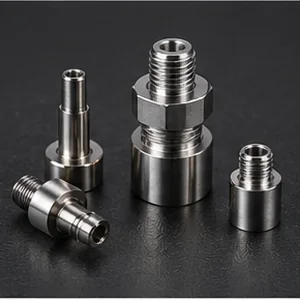
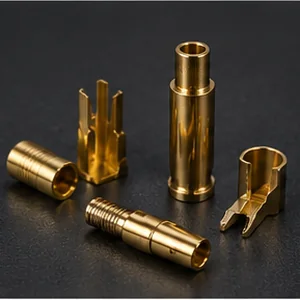
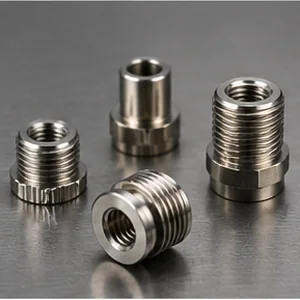
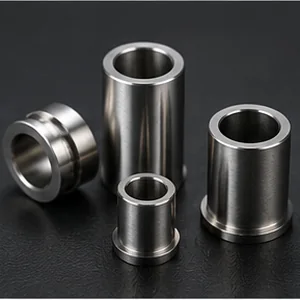
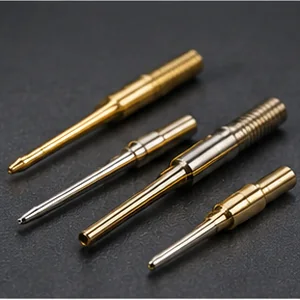
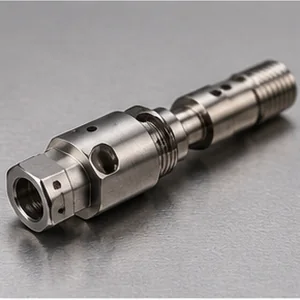
Small Precision Components for Different Functional Interfaces
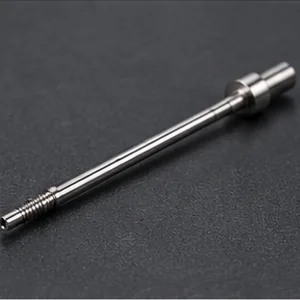
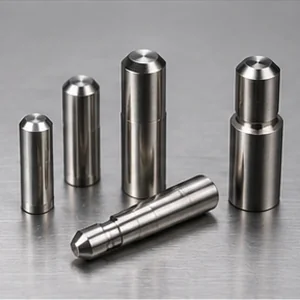
Material Grade Alone Does Not Define Swiss Machining Stability
Material choice must consider both final application and Swiss machining behavior.
Materials for Swiss CNC Machining
STAINLESS STEEL (303, 304, 316, 316L)
Typical: Shafts, Pins, Stems, Sleeves, Sensor Components
Buyer Watch: Bar Condition, Tool Wear, Surface, Fine Thread
BRASS (H57, H59, H62, C3604)
Typical: Connector Pins, Contacts, Inserts, Fittings, Threaded Components
Buyer Watch: Small Feature Burr, Knurl, Thread, Plating Condition
COPPER
Typical: Selected Electrical Contacts, Connector Components
Buyer Watch: Soft Material Handling, Surface Damage, Burr
ALUMINUM (6061, 6063, 6082, 7075)
Typical: Lightweight Small Components, Miniature Housings, Spacers
OTHER MATERIALS
Free-Machining Steel (1214, 1215), Titanium (Project-Specific), Engineering Plastics (POM, Nylon, PTFE, ABS where suitable).
Material Grade PASS ≠ Swiss-Ready Bar Stock PASS
Swiss machining can be highly sensitive to bar stock quality. If a project utilizes a guide-bushing configuration, material passes through a tight support close to the cutting zone.
- Diameter Consistency: Variations cause seizing or loose support.
- Straightness: Bent bars cause vibration and runout.
- Roundness & Surface: Affects guide bushing fit and final part quality.
Note: Guide-bushing requirements depend on actual machine configuration and part geometry.
Confirm Your Material & Bar Requirements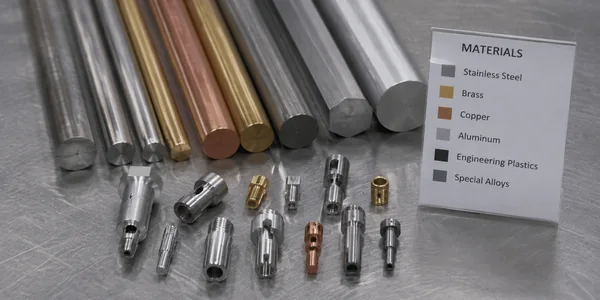
When Should You Choose Swiss Machining Instead of Standard Turning?
Use the simplest process that controls the required geometry reliably.
Swiss Machining
- • Small Diameter
- • Long / Slender Geometry
- • Feature Dense (many shoulders/grooves)
- • Fine Threads & Cross Features
- • Bar-Fed Repeat Production
Conventional Turning
- • Short, Rigid Parts
- • Larger Diameters
- • Simpler Rotational Geometry
- • Lower Setup Complexity
Turn-Mill (Non-Swiss)
- • Rotational Base
- • Strong Off-Axis Feature Demand
- • Larger/Rigid Multi-Tasking
Why Small Swiss Parts Fail Even When Individual Features Pass
Engineering focus must shift from checking single dimensions to validating complete functional geometry.
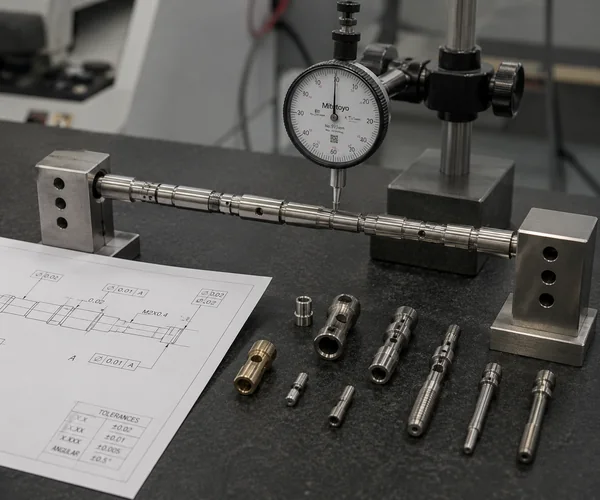
Small Diameters Pass, but Slender-Part Geometry Still Drifts
OD passes, but straightness and runout fail along the length.
Turned & Off-Axis Features Pass Individually but Lose Relationship
Shoulder-to-groove or hole position fails in final assembly.
Prototype Passes, but Long-Run Swiss Production Drifts
Tool wear and bar variation degrade batch repeatability.
2. Bar Stock Quality
Correct material grade, but poor bar condition destabilizes machining.
3. Multiple Diameters
Shoulders & grooves lose their functional axial relationship.
4. Micro Cross Holes
Pass size checks but fail position or internal edge condition.
5. Fine Threads
Pass gauging but still fail the final assembly entry.
6. Concentricity
ID & OD pass, but small bushings lose functional concentricity.
7. Part-Off Burrs
Micro-edges damage small functional features upon cutoff.
9. Surface & Handling
Surface marks and handling damage matter proportionally more on small functional surfaces.
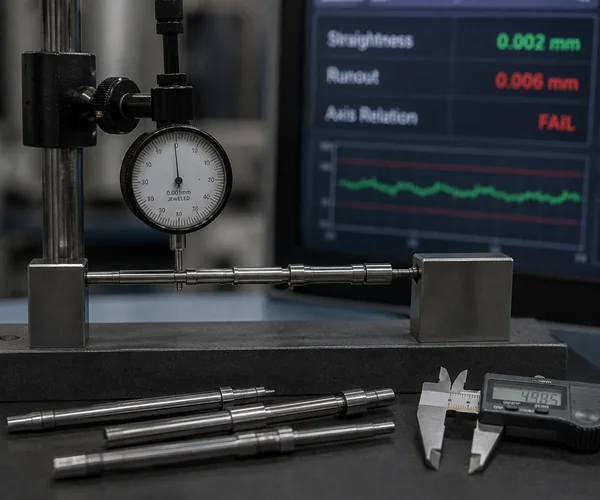
Small Diameters Pass, but Slender-Part Geometry Still Drifts
The Challenge
Diameter PASS ≠ Stable Slender Geometry PASS
Supporting stock close to the cutting zone can reduce unsupported length and cutting deflection. However, final stability is still affected by part geometry, material condition, tooling, and cutting sequence.
LuckyHxs Approach: Review L/D relationship, confirm bar material condition, monitor critical diameters in-process, and inspect functional geometry according to the drawing.
Tiny Features Pass Individually but Lose Their Functional Relationship
The Challenge
Small Feature PASS ≠ Complete Multi-Feature Geometry PASS
Affects connector pins, precision pins, and complex Swiss components. A small positional shift can be significant relative to the feature itself.
LuckyHxs Approach: Identify functional reference features, review axial feature stack, minimize unnecessary secondary transfers, and inspect related features as a geometry group.
Prototype Passes, but Long-Run Swiss Production Drifts
The Challenge
Prototype Approval ≠ Automatic Long-Run Repeatability
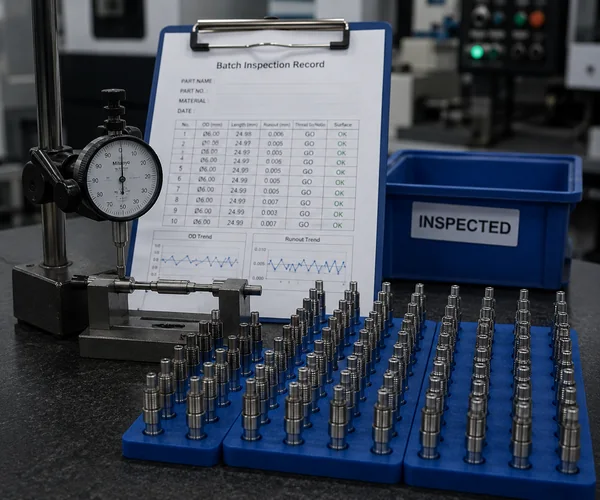
Tool wear, bar stock variation, drill wear, and cutting temperature changes can slowly degrade batch repeatability over thousands of parts.
LuckyHxs Approach: First Article inspection, identify CTQ features, in-process diameter checks, tool condition monitoring, and final batch verification.
Why Support Near the Cutting Zone Matters for Slender Parts
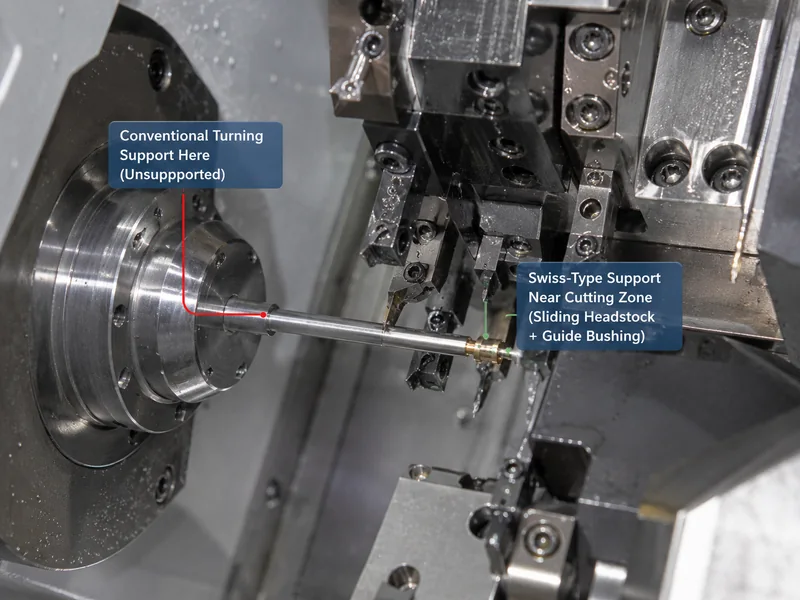
Conventional Lathe Risk
Chuck → Long Unsupported Extension → Cutting Force → Higher Deflection Risk on Slender Geometry.
Swiss-Type Principle
Bar Stock → Sliding Headstock → Support Near Cutting Zone → Cutting Tool → Finished Small-Diameter Feature.
Material support close to the cut results in a shorter unsupported distance, providing better stability for suitable slender geometry.
Engineering Note: Not every part automatically benefits from guide-bushing Swiss machining. Short, rigid or larger parts may be more efficient on conventional CNC turning. Some modern Swiss-type machines can also operate without a guide bushing. Choose Swiss because the geometry benefits from the process—not because "Swiss" sounds more precise.
Small Diameter Accuracy Is Only One Part of Slender-Part Control
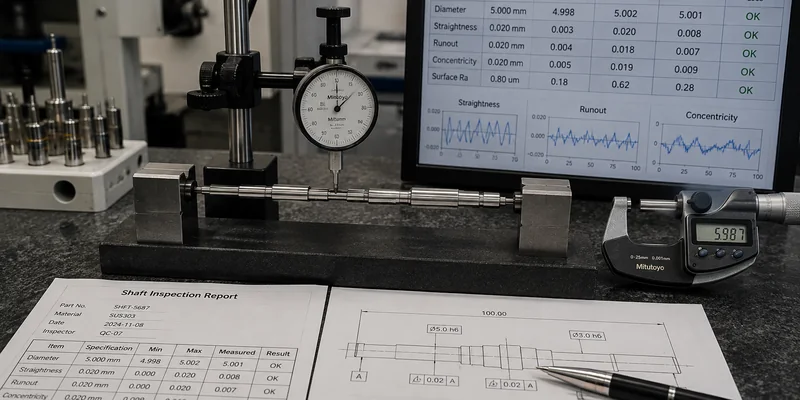
A small shaft should not be inspected as a collection of unrelated diameters.
DIAMETER
Is each OD within drawing requirement?
STRAIGHTNESS
Does the complete slender element remain correctly shaped?
RUNOUT
Does the functional rotating surface remain correctly related to its datum?
CONCENTRICITY
Where specified, are related turned features correctly aligned?
SURFACE
Is the guide / contact / seal surface free of unacceptable damage?
A Swiss Part Is a Continuous Geometry—not a List of Diameters
Multiple Diameters, Shoulders & Grooves Must Work as One Geometry.
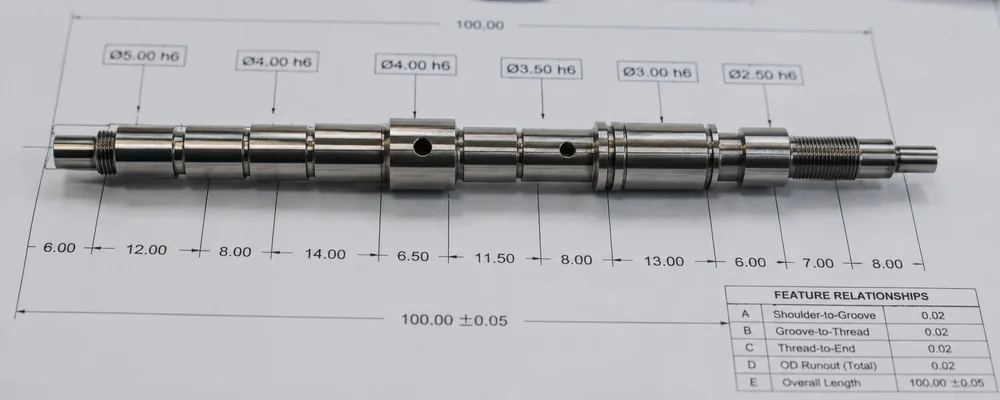
Individual Features May Pass
- ØA → PASS
- Shoulder → PASS
- ØB → PASS
- Groove → PASS
- ØC → PASS
- Thread → PASS
But Customers Need Relationships
- • Shoulder-to-Groove Distance
- • Groove-to-Thread Position
- • Thread-to-End Relationship
- • Multiple OD Axis Relationship
- • Overall Functional Length
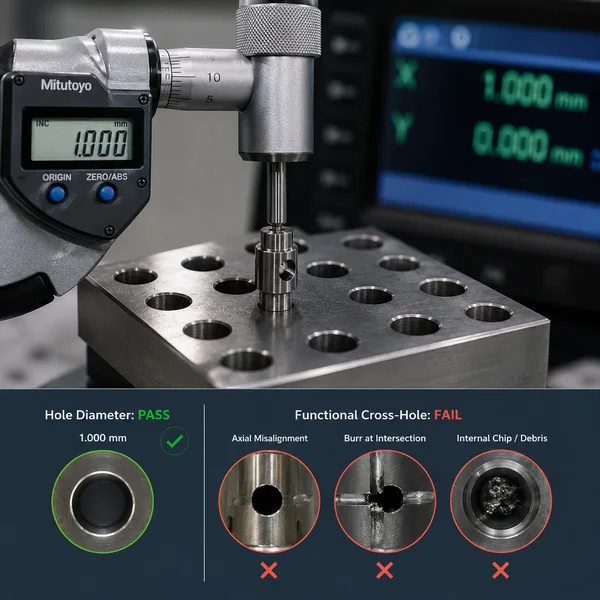
A Small Hole Can Pass Size Inspection and Still Fail Its Function
Small Hole Diameter PASS ≠ Functional Cross-Hole PASS. Small-feature scale makes burr condition proportionally more important.
Critical Hole Types
Cross Hole, Radial Hole, Vent Hole, Retaining Hole, Small Bore, Thread Exit.
Inspection Focus
- Hole Diameter
- Axial & Angular Position
- Intersection Edge Condition
- Exit Burr & Internal Chip
Process Flow
Machine Feature → Review Intersection → Feature-Specific Deburring → Clean → Magnified/Visual Review → Final Verification
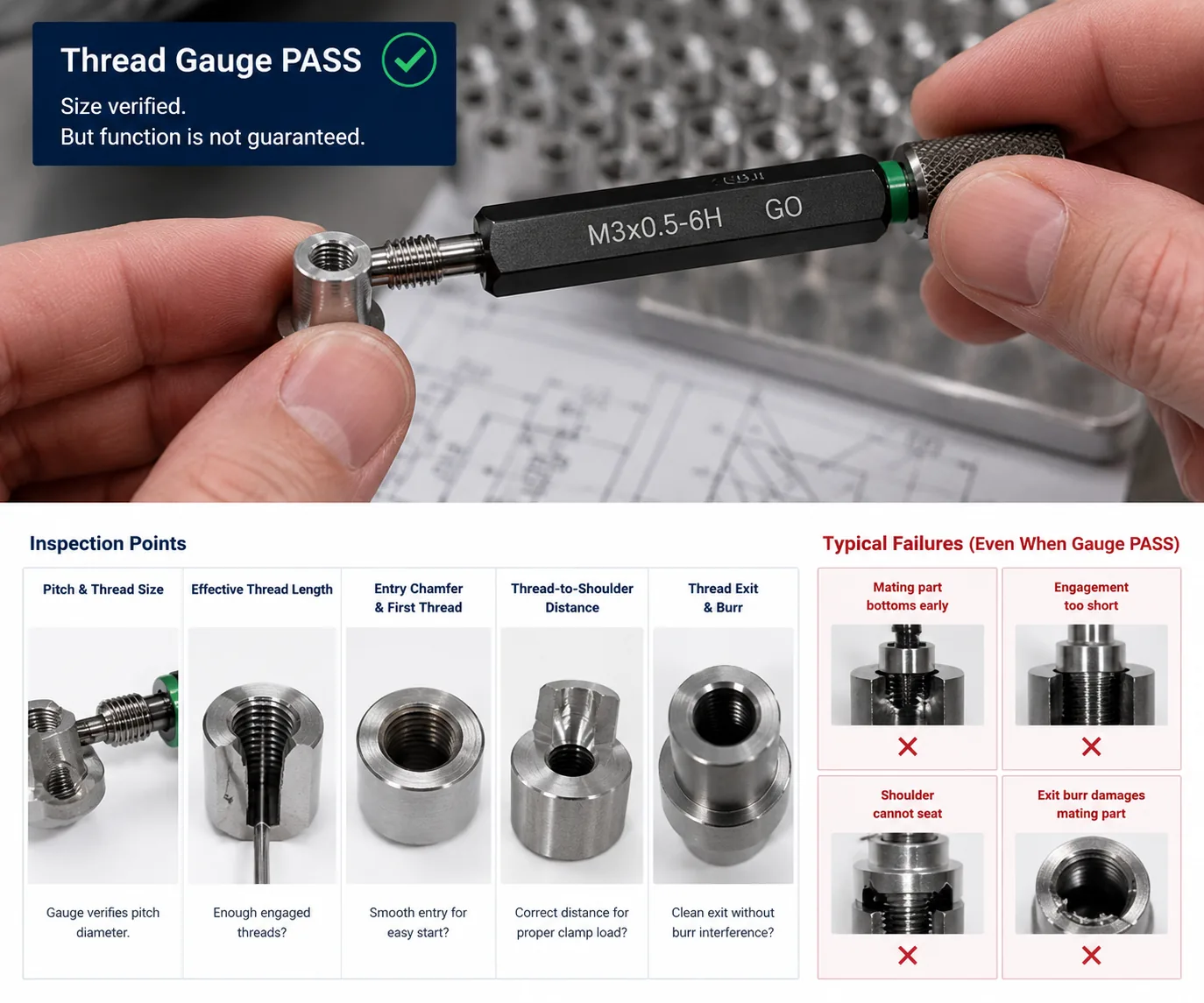
Thread Gauge PASS Does Not Guarantee Small-Part Assembly
Thread Gauge PASS ≠ Functional Thread Interface PASS. A GO/NO-GO gauge verifies size, but not always the entry condition or usable length.
Inspection Points
- Pitch & Thread Size
- Effective Thread Length
- Entry Chamfer & First Thread
- Thread-to-Shoulder Distance
- Thread Exit & Burr
Typical Failures
- Mating part bottoms early
- Engagement too short
- Shoulder cannot seat
- Exit burr damages mating part
ID/OD Relationships, Part-Off Edges & Surface Condition Still Matter
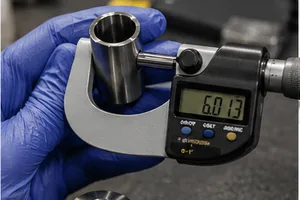
Bushings & Sleeves
ID PASS + OD PASS ≠ Functional Guidance PASS. A sleeve is a functional ID/OD relationship—not two independent diameters.
Risks:
Bore Offset, Uneven Wall, Ovality, Thin-Wall Distortion, Port Misalignment.
Part-Off Condition
A small burr can be a large functional defect on a small part. The cutoff end must be controlled.
Checks:
Cutoff End Flatness, Edge Condition, Center Pip (where relevant), Part-Off Burr.
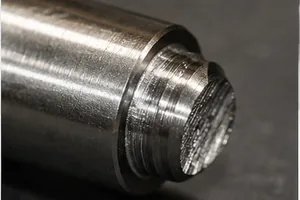
Functional Surface & Handling
Surface Finish Number PASS ≠ Functional Surface PASS. Handling damage ruins small functional areas.
Risks:
Part-to-Part Contact, Nicks, Scratches, Dents, Thread Damage, Tip Damage.
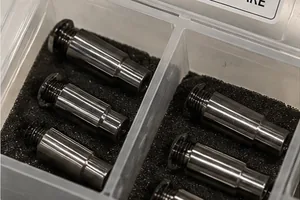
From First Article to Repeat Swiss Production
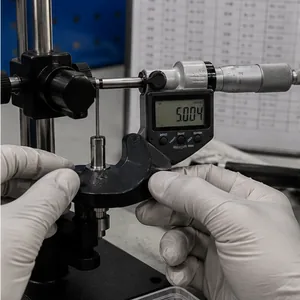
Measurement method follows feature function.
12-Step Control Flow
- Drawing Review
- Revision Confirmation
- Material Confirmation
- Bar Stock Review
- Functional Feature ID
- Process Route Selection
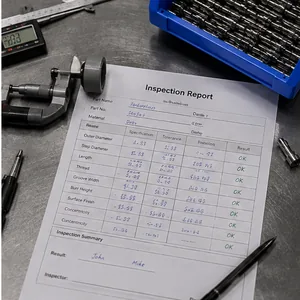
- First Article Verification
- In-Process Diameter Check
- Thread/Groove/Hole Review
- Burr/Surface Review
- Final Batch Verification
- Requirement Retention
Swiss Machined Components for Precision Assemblies
Electronics & Connectors
Typical: Contact Pin / Connector Insert
Swiss Fit: Small diameter + multiple shoulders/threads.
Fluid Control
Typical: Needle / Stem / Small Spool / Nozzle
Swiss Fit: Slender diameter + taper / groove / small hole.
Industrial Automation
Typical: Locating Pin / Mini Shaft / Sleeve
Buyer Concern: Fit + repeat batch consistency.
Sensors, Motors & Instruments
Project-specific components reviewed according to the buyer's drawing.
A CNC Manufacturing Partner You Can Verify
Certificates & Compliance Documents
- ISO9001 Certified
- CE Compliance
- REACH Compliance
- ROHS Compliance
- Material Test Reports Available
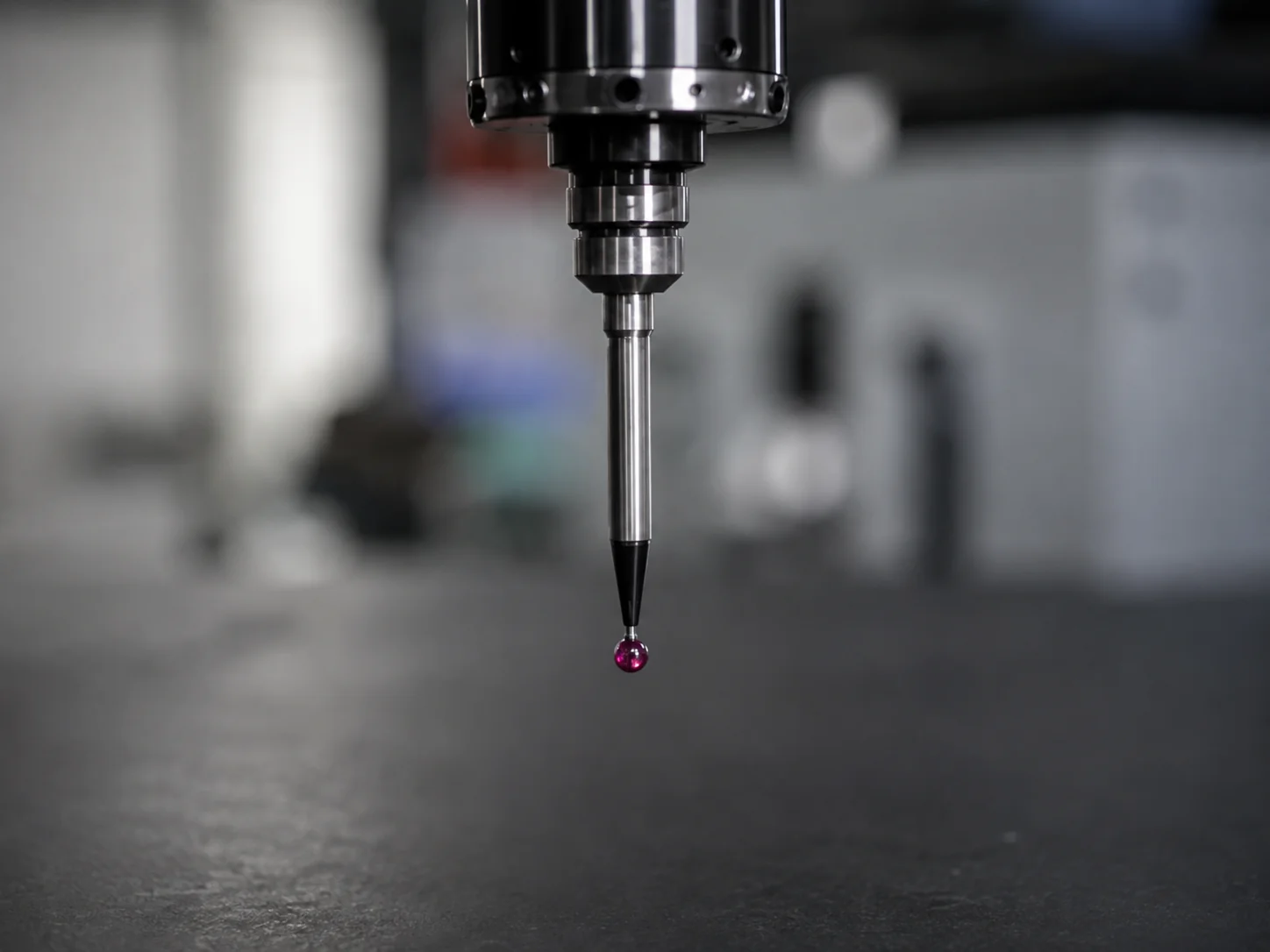
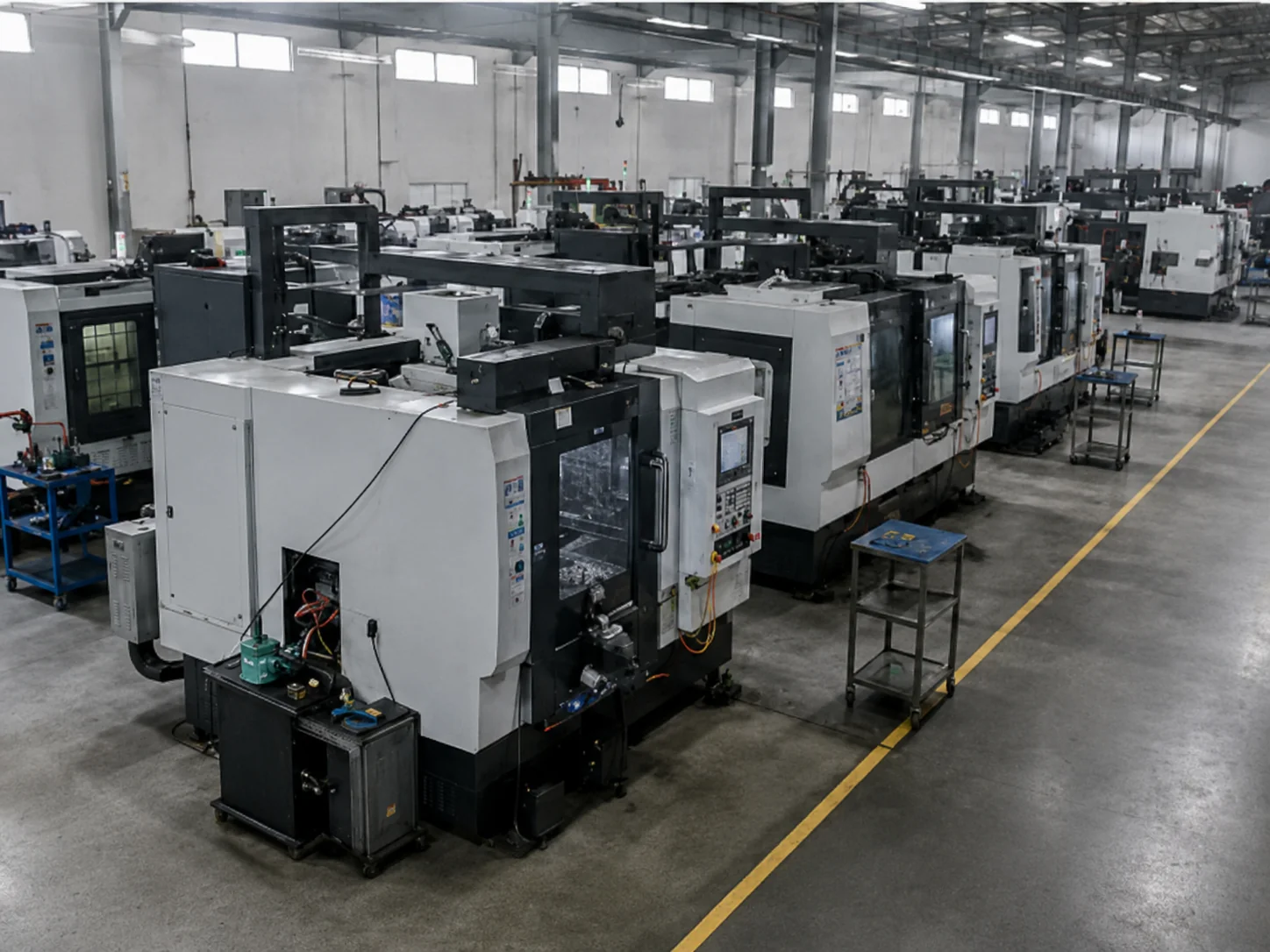
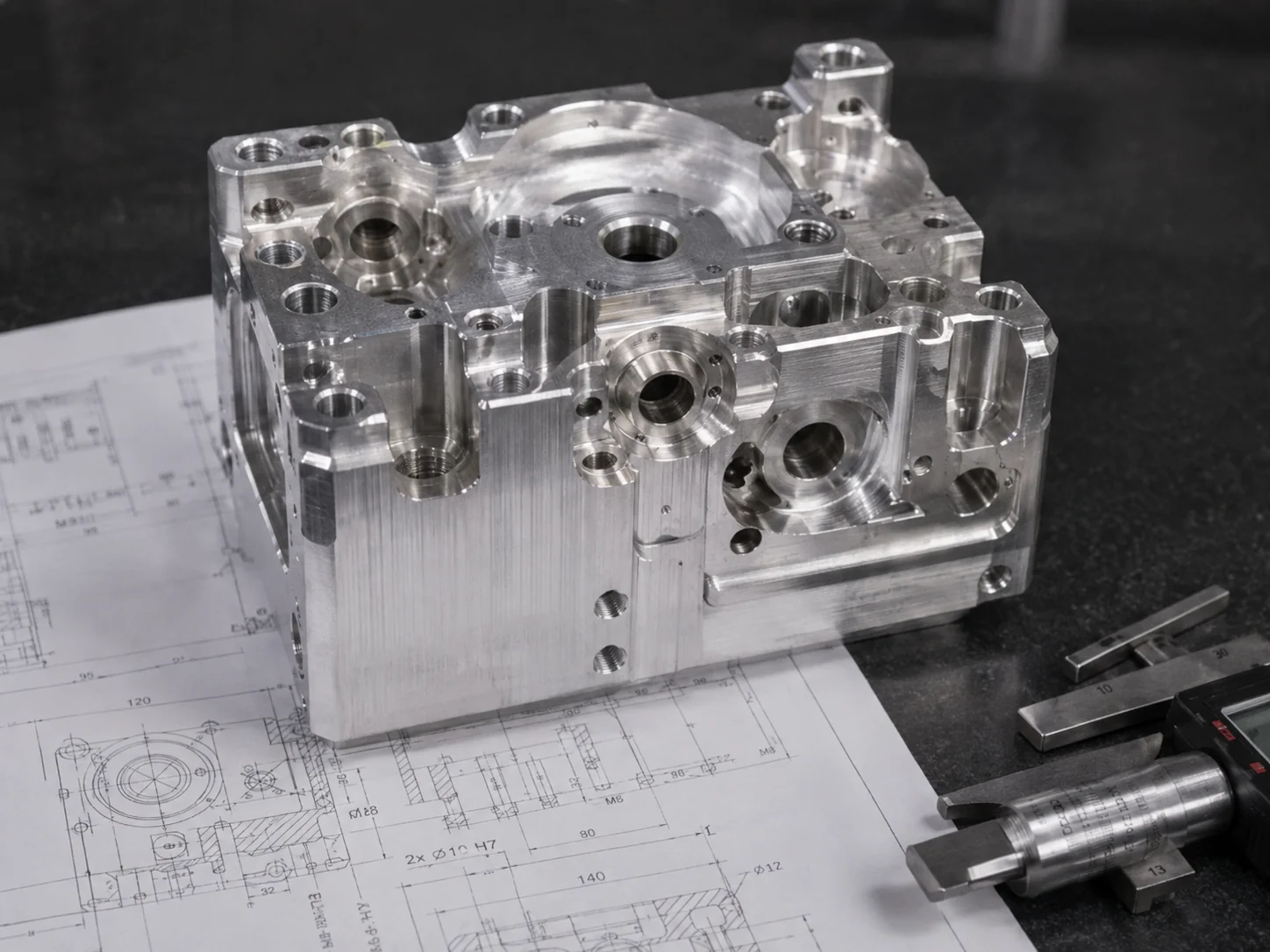
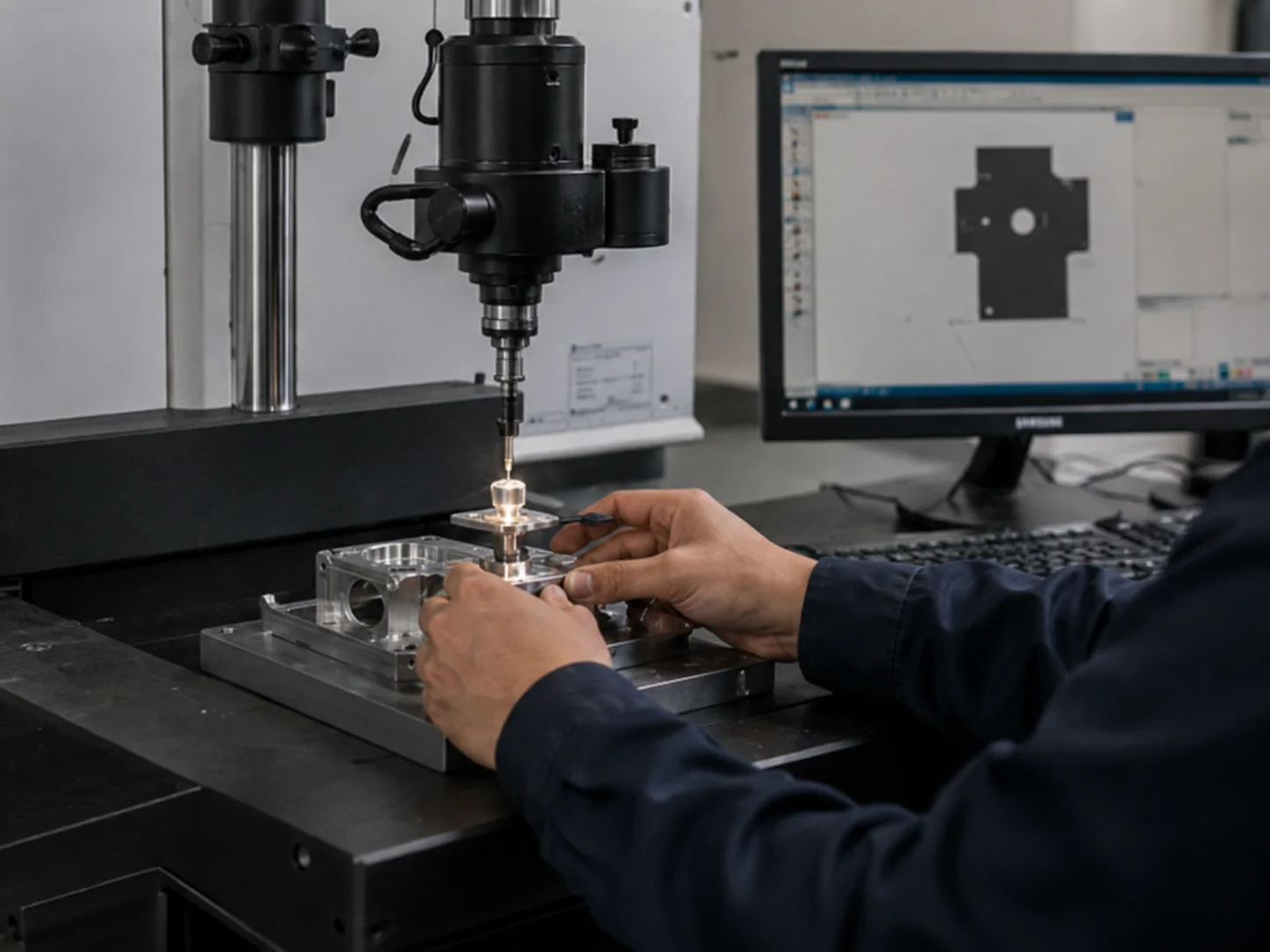
See How LuckyHxs CNC Parts Are Machined and Inspected
What Is Swiss-Type CNC Machining and Why Is It Called Swiss?
Swiss-type CNC machining is a specialized form of precision turning commonly used for small-diameter, slender and feature-dense components. In a traditional guide-bushing configuration, bar stock moves through a sliding headstock and is supported close to the cutting zone, reducing the unsupported length during machining.
Why Is It Called Swiss Machining?
The process traces its name to Switzerland's precision watchmaking industry, where sliding-headstock-style machines were developed to manufacture very small precision components.
How It Works
- Bar stock is loaded.
- The material advances through a sliding-headstock system.
- In a traditional Swiss configuration, support is positioned close to the cutting tool.
- Turning creates OD, shoulder, taper, groove and thread features.
- Where machine configuration allows, drilling, cross-hole machining or milling features may be integrated.
- The component is cut off and production repeats along the bar.
Note: Some modern Swiss-type CNC machines can operate in both guide-bushing and guide-bushless configurations. Therefore, process selection depends on the part—not simply the machine name.
What Makes It Different?
- • Small unsupported cutting length
- • Strong fit for slender parts
- • Small-diameter geometry
- • Multiple features
- • Bar-fed repeat production
- • Potential reduction in secondary handling
Swiss CNC Machining vs Conventional CNC Turning: What’s the Difference?
SWISS-TYPE CNC
- Workpiece Motion: Sliding-headstock approach
- Support: Support near cutting area in guide-bushing configuration
- Best Fit: Small diameter, Long / slender, High feature density, Bar-fed repeat production
- Risk It Helps Reduce: Deflection on suitable slender geometry
CONVENTIONAL CNC TURNING
- Workpiece: Held primarily in fixed chuck / collet arrangement
- Best Fit: Shorter, Larger diameter, Rigid rotational components, Simple turned geometry
- Potential Benefit: Simpler setup for suitable parts, More economical for many short rigid parts
Process Selection Summary
WHEN SWISS IS LIKELY BETTER
- Small diameter
- Long/slender
- Fine threads
- Many shoulders/grooves
- Cross features
- Repeat production
WHEN CONVENTIONAL MAY BE BETTER
- Short rigid part
- Larger diameter
- Simple OD/ID geometry
- Low-complexity component
- Setup cost dominates quantity
Swiss machining is not automatically “more accurate.” It is more appropriate when its support and production architecture match the part geometry.
What Parts Are Best Suited for Swiss CNC Machining?
Swiss machining becomes most valuable when part geometry, feature density and production requirements create problems for a simpler conventional turning route.
SIGNAL 1: Small Diameter
Is the component relatively small compared with a conventional turned part?
SIGNAL 2: Long / Slender Geometry
Does unsupported cutting create a deflection risk?
SIGNAL 3: Multiple Diameters
Does the part contain several ODs, shoulders or lands?
SIGNAL 4: Fine Threads & Grooves
Does assembly depend on small threads, grooves or shoulder relationships?
SIGNAL 5: Cross / Radial Features
Does it contain Cross Holes, Flats, Slots, or Side Threads?
SIGNAL 6: Repeat Production
Will the approved component move into recurring production?
When Swiss May NOT Be The Right Choice
Large Diameter Parts, Short Heavy Parts, Primarily Prismatic Parts, Large Pockets / Faces, Very Simple Parts With Low Repeat Demand.
Frequently Asked Questions About Swiss CNC Machining
What is Swiss CNC machining?
Why is it called Swiss machining?
What is the difference between Swiss machining and conventional CNC turning?
What parts are best suited for Swiss CNC machining?
Is Swiss machining only for long slender parts?
What materials can LuckyHxs Swiss machine?
What tolerances can LuckyHxs achieve with Swiss machining?
Can Swiss machining produce cross holes, flats and slots?
Is Swiss machining suitable for prototypes?
What information is required for a Swiss machining quote?
Need Small Precision Parts That Stay Consistent Beyond the First Sample?
Send your 2D/3D drawing, material, quantity, critical diameters, straightness or runout requirements, threads, grooves, cross holes, surface finish and inspection needs. LuckyHxs will review whether Swiss machining, conventional turning or another process is the better manufacturing route.