
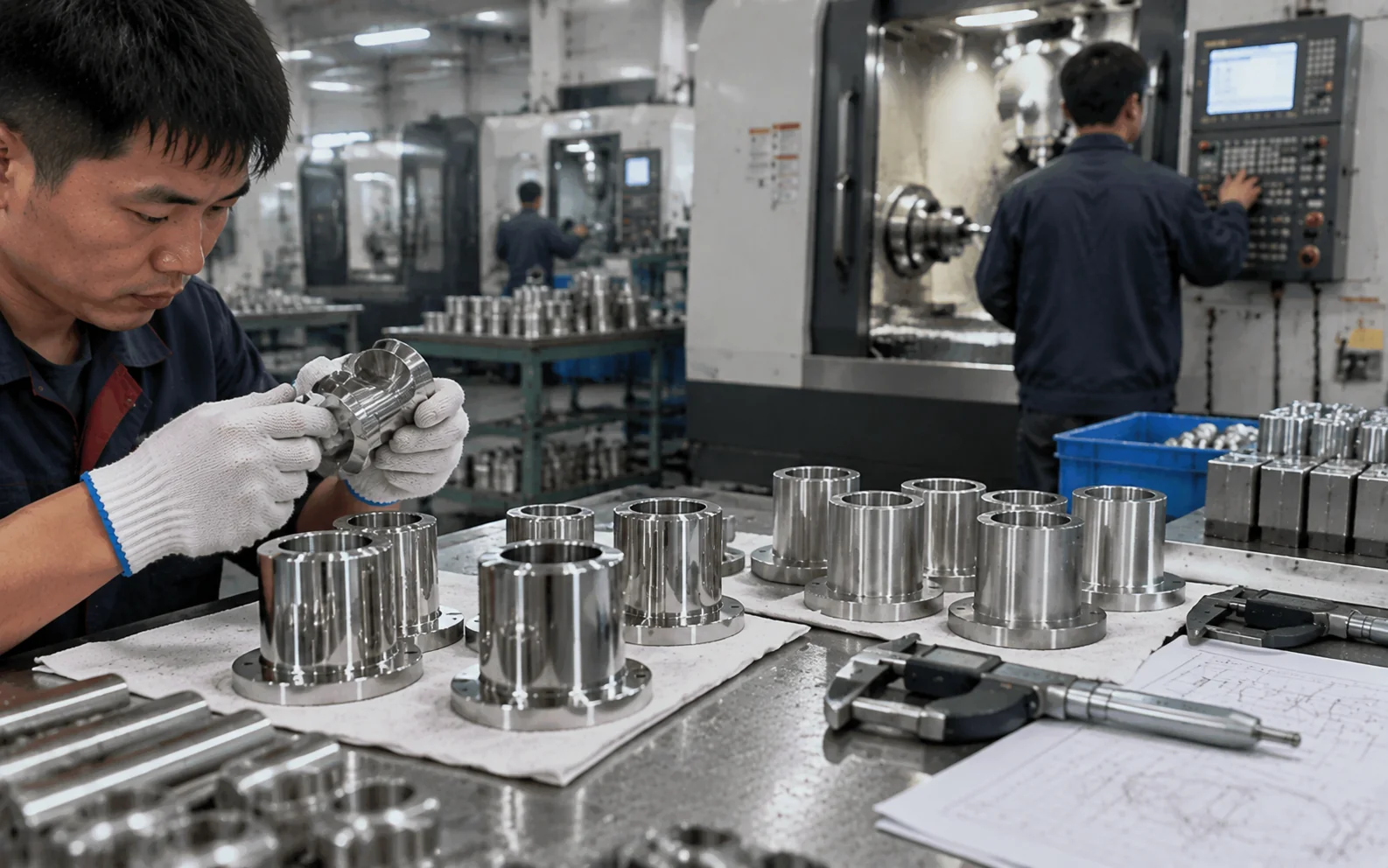
Choosing between mechanical polishing and brushing affects appearance, corrosion behavior, cleaning requirements, and how stainless steel CNC parts perform in real applications. Polished surfaces are smoother, brighter, and easier to clean, while brushed finishes hide fingerprints and handling marks better. For stainless steel CNC milling parts, stainless steel turned parts, and custom CNC machined components, the best choice depends on function, environment, and brand expectations.
Mechanical Polishing and Brushing for Stainless Steel CNC Parts
Stainless steel CNC parts are precision-machined components made from stainless alloys, often finished by mechanical polishing or brushing to improve appearance and surface performance. Mechanical polishing creates a smooth, reflective surface, while brushing creates a directional satin texture. The right finish depends on cleanliness, aesthetics, wear visibility, and end-use conditions.
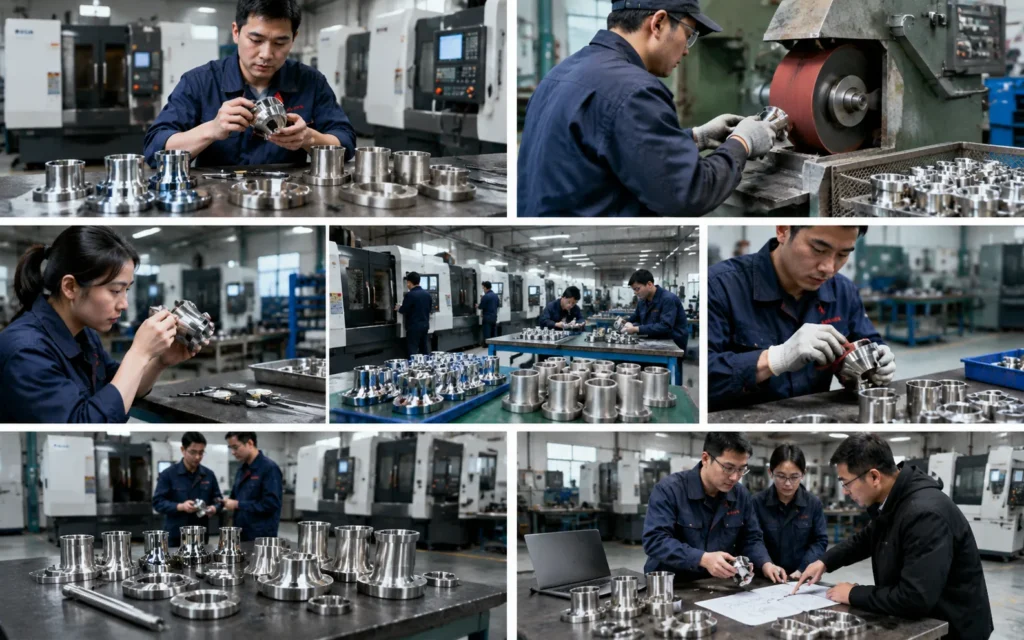
Surface Finishing Basics for CNC Stainless Components
Stainless steel CNC parts include milled housings, turned shafts, brackets, fittings, medical components, food-grade parts, and industrial hardware. After CNC machining, these parts often show tool marks, burrs, or uneven reflectivity. Mechanical polishing services and brushing are used to refine the surface and achieve the required visual and functional result.
Mechanical polishing uses abrasives, compounds, wheels, belts, or automated polishing systems to progressively reduce surface roughness. Brushing uses abrasive belts or pads to create a consistent linear grain. Both are common for stainless steel CNC milling parts and stainless steel turned parts, but they serve different priorities.
Based on our internal data and market analysis, here is the breakdown:
| Finish Type | Visual Effect | Surface Texture | Common Use Cases | Main Advantage |
|---|---|---|---|---|
| Mechanical polishing | Bright, reflective, mirror-like | Smooth and low roughness | Medical, food processing, luxury hardware, visible covers | Easy cleaning and premium appearance |
| Brushing | Satin, directional, matte | Linear grain | Enclosures, panels, handles, consumer products | Hides scratches and fingerprints better |
| As-machined | Raw metallic machining marks | Tool-path visible | Internal mechanical components | Lower cost |
| Bead blasted | Uniform matte | Fine textured surface | Electronics, industrial housings | Non-reflective and consistent |
Luckyhxs Pro Tip: When customers ask me whether to choose polished or brushed stainless steel, I first check whether the part will be touched often, cleaned frequently, or displayed as a premium visible component. That usually makes the right finish obvious.
Mechanical Polishing and Brushing Process for Stainless Steel CNC Parts
Mechanical polishing and brushing work by controlled abrasion. Polishing gradually removes machining marks and reduces roughness until the surface becomes smooth and reflective. Brushing uses directional abrasion to form a uniform grain pattern. For custom CNC machined components, both processes usually follow deburring, cleaning, and dimensional inspection.
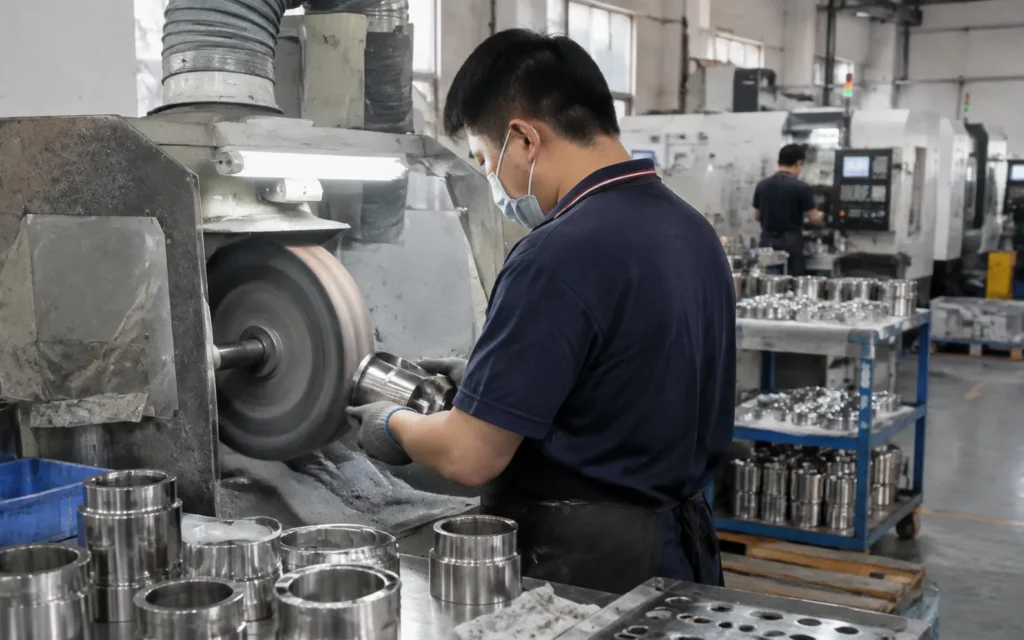
Processing Flow from Machining to Final Finish
The finishing process starts after CNC milling or CNC turning. Stainless steel is relatively tough, so finishing must be controlled carefully to avoid overheating, rounding sharp edges, or altering critical dimensions. This is especially important for tight-tolerance stainless steel CNC parts used in assemblies.
A typical workflow includes:
- CNC machining
The part is milled, turned, drilled, tapped, or profiled according to the drawing. - Deburring and edge conditioning
Sharp burrs and loose edges are removed before finishing. - Pre-cleaning
Oil, coolant, and machining residue are cleaned from the surface. - Surface preparation
Visible tool marks are reduced using abrasive belts, pads, or stones. - Mechanical polishing or brushing
The chosen finish is applied using progressive abrasives or directional brushing equipment. - Final cleaning and inspection
The part is checked for scratches, stains, edge damage, grain consistency, and finish quality. - Optional passivation or protective treatment
For higher corrosion resistance, stainless steel parts may be passivated after finishing.
Luckyhxs Pro Tip: I recommend defining the required surface roughness, grain direction, and acceptable cosmetic area on the drawing. “Polished” or “brushed” alone can mean different things to different suppliers.
What is better, brushed or polished stainless steel?
Neither brushed nor polished stainless steel is universally better. Polished stainless steel is better for hygiene, corrosion performance, and high-end reflective appearance. Brushed stainless steel is better for hiding fingerprints, light scratches, and daily handling marks. The better choice depends on whether cleanliness, durability of appearance, or visual style matters most.
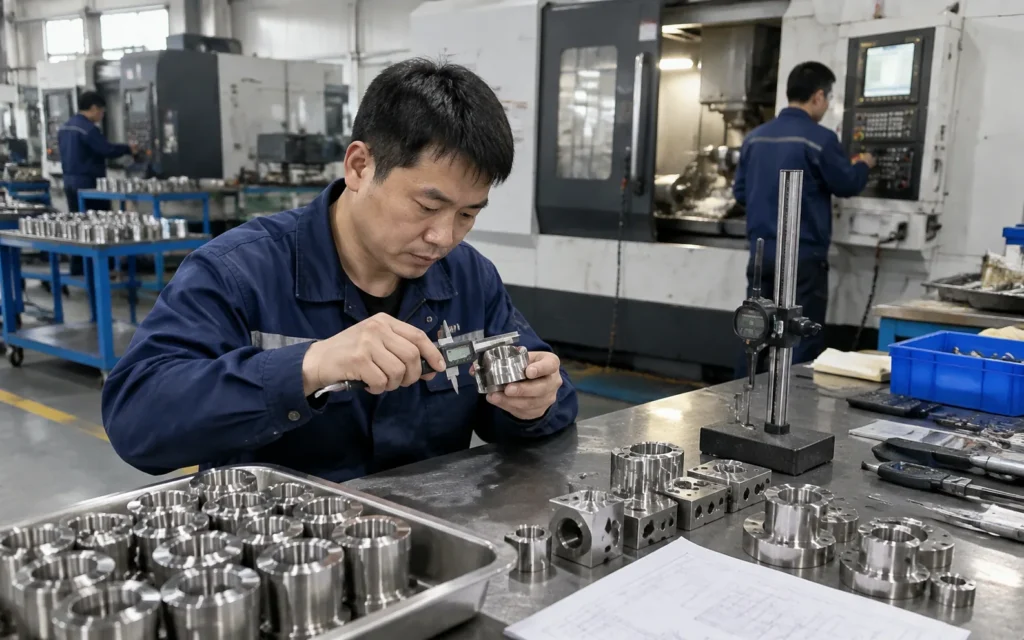
Choosing the Finish by Application Priority
Brushed vs polished stainless steel should not be decided only by appearance. The finish influences how the part cleans, how defects show, how light reflects, and how the component fits into the final product design.
Based on our internal data and market analysis, here is the breakdown:
| Requirement | Better Choice | Reason |
|---|---|---|
| Premium reflective appearance | Polished stainless steel | Produces a bright, smooth, high-end surface |
| Fingerprint resistance | Brushed stainless steel | Satin grain hides handling marks better |
| Easy cleaning | Polished stainless steel | Smoother surface retains less residue |
| Scratch concealment | Brushed stainless steel | Directional texture masks minor scuffs |
| Food or medical visibility | Polished stainless steel | Easier to inspect and sanitize |
| Consumer electronics style | Brushed stainless steel | Offers a modern matte appearance |
| Outdoor decorative part | Depends on grade and finish quality | Both can work if properly processed and passivated |
For stainless steel CNC milling parts with broad flat surfaces, brushing often gives a more consistent look because it masks minor machining variation. For stainless steel turned parts, polishing can highlight the rotational symmetry and provide a clean, precision-made appearance.
Luckyhxs Pro Tip: If the part has large flat areas handled by users, brushing is often safer cosmetically. If it has sanitary or cleaning requirements, I usually push the project toward mechanical polishing plus passivation.
What is the best finish for stainless steel?
The best finish for stainless steel depends on the part’s operating environment, cleaning requirements, cosmetic standard, and budget. For sanitary or high-visibility applications, mechanical polishing is often best. For decorative panels, covers, and frequently touched surfaces, brushing is often more practical because it hides wear better over time.
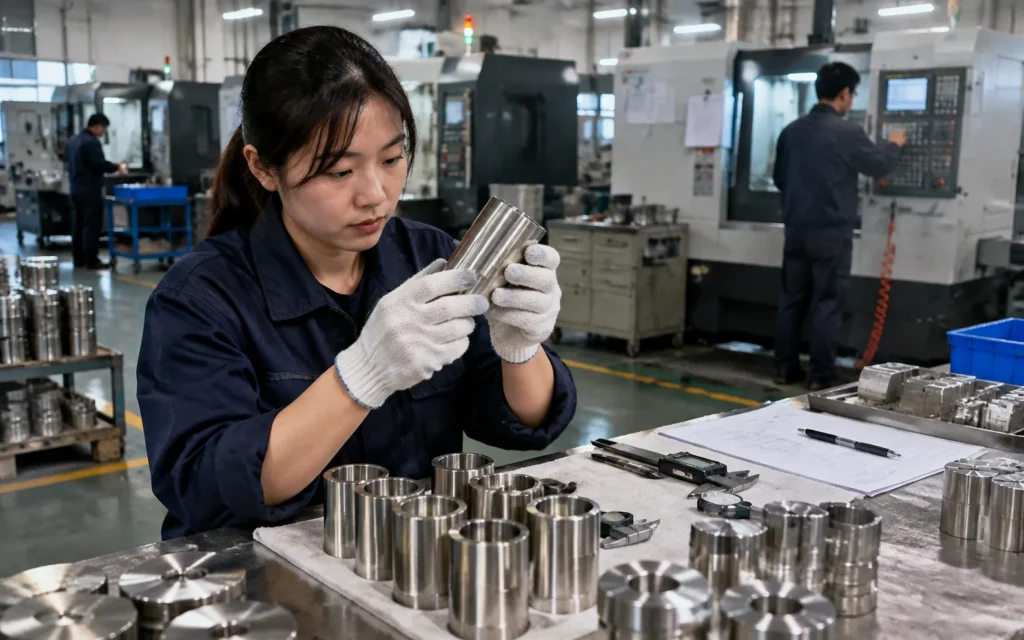
Matching Finish Quality to End-Use Conditions
There is no single best stainless steel finish for every custom CNC machined component. A mirror polish may look excellent but can show fingerprints and fine scratches. A brushed finish may look durable but is harder to clean in environments where residue can collect in the grain.
Key selection factors include:
- Environment: Indoor, outdoor, marine, chemical, food-grade, or medical use.
- Material grade: 304, 316, 303, 17-4PH, and other stainless grades respond differently.
- Surface geometry: Flat surfaces, deep pockets, sharp edges, threads, and internal corners affect finish consistency.
- Cleaning method: Wiping, washing, sterilizing, or chemical cleaning.
- Cosmetic class: Fully visible, partially visible, or hidden functional surface.
- Budget: Higher cosmetic requirements require more labor, inspection, and rework control.
- Tolerance sensitivity: Heavy polishing can remove material and slightly affect edges or dimensions.
For industrial stainless steel CNC parts, a fine brushed or bead-blasted finish may be enough. For premium machinery components, display hardware, medical devices, and food equipment, mechanical polishing services may provide better long-term value.
Luckyhxs Pro Tip: I always separate “functional surfaces” from “cosmetic surfaces” on the drawing. This prevents unnecessary polishing costs on hidden areas while keeping the visible areas clean and consistent.
Can brushed stainless steel be polished?
Yes, brushed stainless steel can usually be polished, but the brushing grain must be removed through progressive abrasion before a smooth reflective finish can be achieved. The process may require multiple sanding and polishing stages. However, deep scratches, thin walls, sharp edges, or tight tolerances can limit how aggressively the surface can be polished.
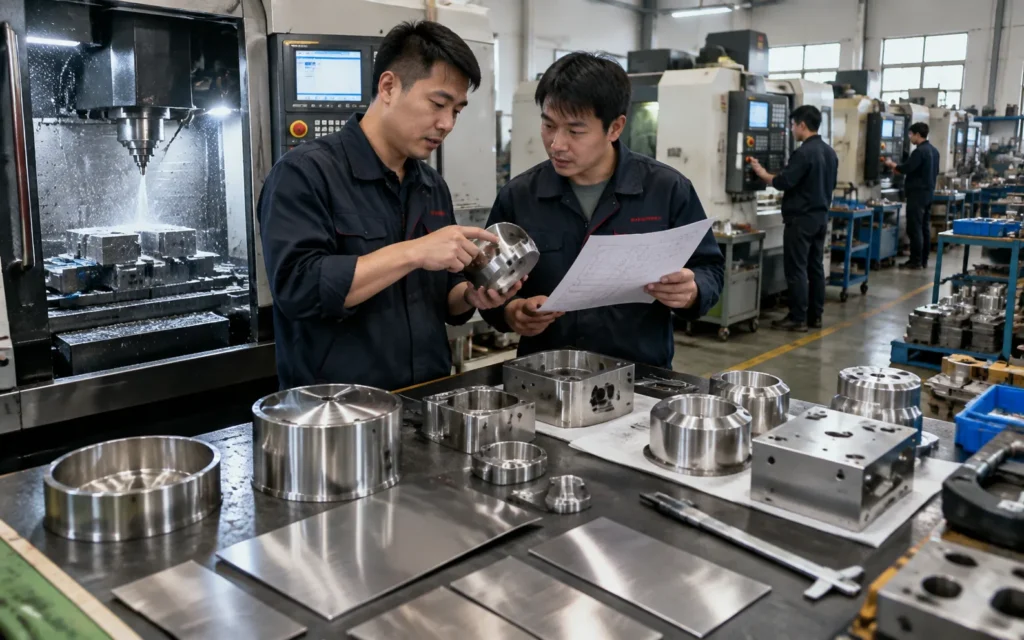
Converting a Brushed Surface into a Polished Surface
Brushed stainless steel can be converted to polished stainless steel, but it is not just a quick buffing step. The directional grain is a surface texture, and that texture must be leveled before a bright finish is possible.
A typical conversion process includes:
- Inspect the brushed depth
Determine whether the grain is light satin brushing or deep abrasive lines. - Check dimensions and edges
Confirm that material removal will not affect assembly fit or cosmetic geometry. - Sand progressively
Use finer abrasive grits to remove the directional grain. - Pre-polish the surface
Smooth the surface before final bright polishing. - Final mechanical polishing
Apply polishing compounds or wheels to achieve the required gloss level. - Clean and inspect under proper lighting
Check for remaining grain lines, swirl marks, pits, or uneven gloss. - Apply passivation if required
Restore and enhance corrosion resistance after mechanical finishing.
The reverse is also possible: polished stainless steel can be brushed. In many production cases, converting polished to brushed is easier than converting brushed to mirror polished because brushing can cover minor surface inconsistencies.
Luckyhxs Pro Tip: Before converting brushed parts to polished parts, I ask for one sample approval. It confirms the achievable gloss level and prevents surprises if the original brush lines are deeper than expected.
Key Features & Comparison
Mechanical polishing offers a smoother, brighter, and easier-to-clean surface, while brushing provides a uniform satin grain that hides daily wear. For stainless steel CNC parts, polishing is preferred for hygienic and premium applications, while brushing is preferred for touch surfaces, panels, covers, and products where minor scratches must remain less visible.
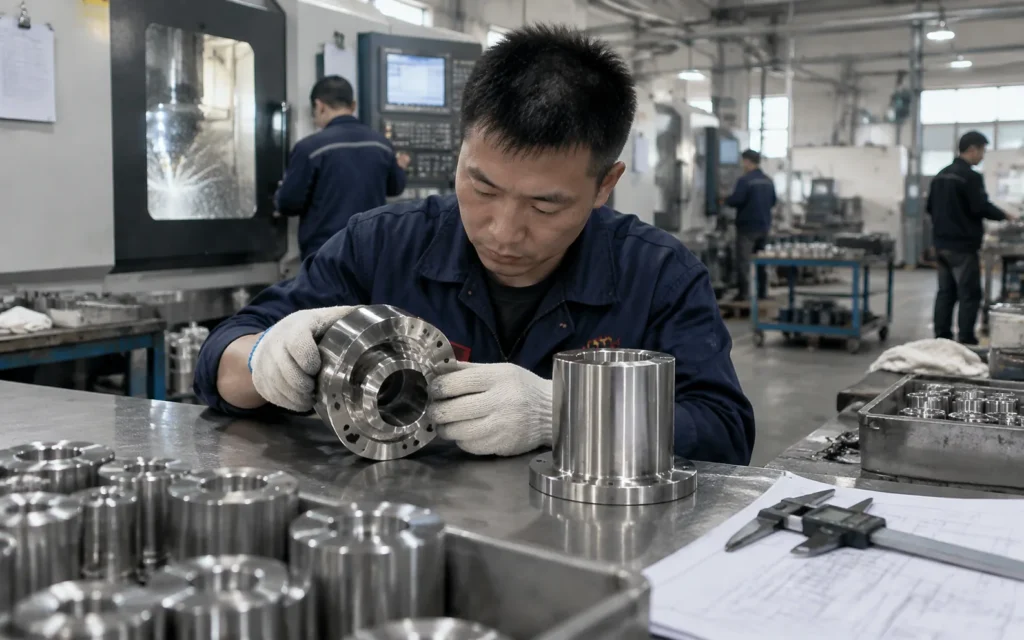
Side-by-Side Finish Comparison for Stainless Steel CNC Parts
Based on our internal data and market analysis, here is the breakdown:
| Feature | Mechanical Polishing | Brushing |
|---|---|---|
| Appearance | Bright, glossy, reflective | Satin, matte, directional |
| Surface roughness | Lower when properly polished | Moderate, depending on abrasive grit |
| Fingerprint visibility | Higher | Lower |
| Scratch visibility | Fine scratches are more visible | Minor scratches blend with grain |
| Cleanability | Excellent | Good, but grain may retain residue |
| Corrosion support | Strong when followed by proper cleaning/passivation | Good, but finish quality matters |
| Best part types | Medical parts, food-grade parts, decorative hardware, precision turned parts | Panels, covers, handles, appliance parts, CNC milled housings |
| Cost level | Medium to high | Low to medium |
| Dimensional impact | Can remove more material if aggressive | Usually lighter material removal |
| Consistency on complex geometry | More challenging in corners and pockets | Better on accessible flat surfaces |
| Visual risk | Swirls, haze, uneven gloss | Grain direction mismatch, streaks |
| Maintenance | Requires careful cleaning to preserve shine | Easier to maintain in high-touch areas |
For stainless steel CNC milling parts, brushing is often excellent for large flat faces because it creates a controlled directional texture. For stainless steel turned parts, mechanical polishing can enhance round surfaces and improve the premium feel of shafts, collars, fittings, and visible hardware.
The most important comparison is not only brushed vs polished stainless steel, but whether the finish supports the product’s real operating conditions.
Luckyhxs Pro Tip: For assemblies, I recommend keeping the same grain direction across all visible brushed components. Mismatched brushing direction is one of the fastest ways to make precision CNC parts look poorly made.
Cost & Buying Factors
Brushing is usually more cost-effective than mechanical polishing because it requires fewer finishing stages and less inspection time. Mechanical polishing costs more when mirror brightness, low roughness, or strict cosmetic standards are required. Buyers should evaluate geometry, quantity, stainless grade, tolerance, and required finish consistency before confirming the process.
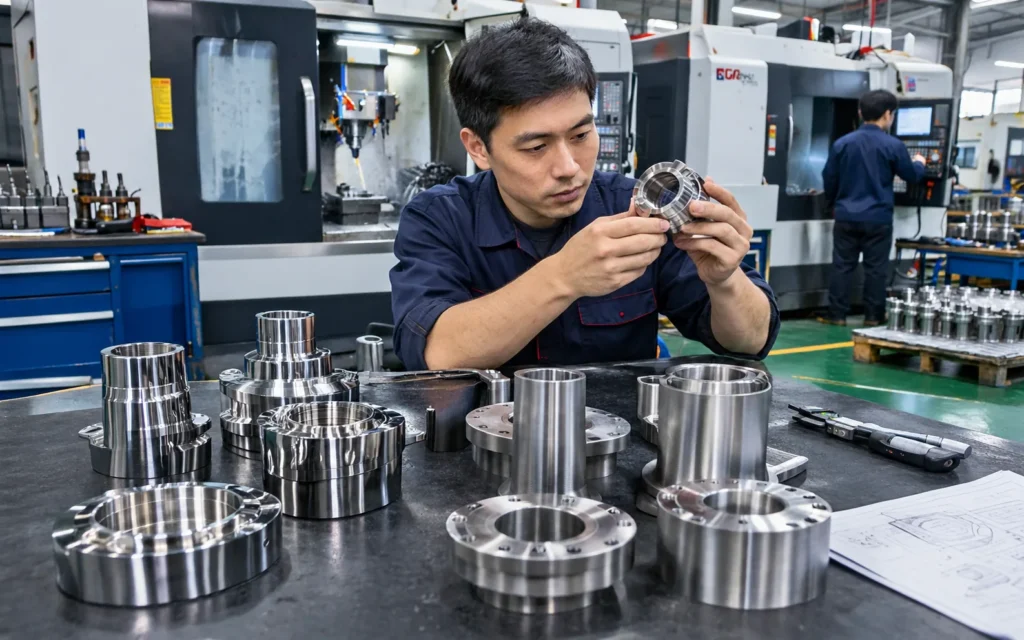
Pricing Drivers for Polished or Brushed Stainless Steel
Finishing cost depends heavily on how much manual labor and quality control are required. A simple flat brushed plate is much easier to process than a complex CNC milled housing with internal corners. A mirror-polished part with tight cosmetic requirements may need several abrasive stages, multiple inspections, and careful packaging.
Based on our internal data and market analysis, here is the breakdown:
| Buying Factor | Cost Impact | Notes |
|---|---|---|
| Part geometry complexity | High | Pockets, curves, grooves, and internal corners increase labor |
| Required gloss or roughness | High | Mirror polishing requires more stages than satin finishing |
| Quantity | Medium | Larger batches reduce setup cost per part |
| Material grade | Medium | 304 and 316 polish well; some grades are more difficult |
| Starting surface quality | High | Deep tool marks require more preparation |
| Cosmetic inspection level | High | Strict visual standards increase handling and rejection control |
| Tolerance sensitivity | Medium to high | Finishing may remove material if not controlled |
| Grain direction requirement | Medium | Brushed parts need consistent orientation |
| Packaging requirement | Medium | Polished surfaces need better protection against scratches |
When sourcing custom CNC machined components, buyers should provide:
- 2D drawings with finish notes.
- 3D CAD files for geometry review.
- Required material grade.
- Surface roughness target if applicable.
- Cosmetic sample or reference photo.
- Critical and non-critical surfaces.
- Expected annual or batch quantity.
- Packaging and handling requirements.
At Luckyhxs, finish recommendations are typically reviewed together with machining feasibility, tolerance control, and end-use requirements so the final part is practical to manufacture and reliable in use.
Luckyhxs Pro Tip: If budget is tight, I suggest polishing only the functional or visible areas and leaving hidden surfaces as-machined or lightly brushed. This keeps quality high where it matters without overprocessing the entire part.
Conclusion
For stainless steel CNC parts, mechanical polishing is better when smoothness, hygiene, corrosion support, and premium shine are the priority. Brushing is better when durability of appearance, fingerprint resistance, and cost control matter more. The best finish is the one that matches the part’s function, environment, and customer-facing expectations.
Final Recommendation for Stainless Steel CNC Finishing
Mechanical polishing vs brushing is not just a cosmetic decision. It affects manufacturing cost, cleaning performance, surface consistency, and long-term appearance. Polished stainless steel works best for sanitary, premium, and easy-clean applications. Brushed stainless steel works best for visible, frequently handled components where light scratches and fingerprints should be less noticeable.
Use this quick decision guide:
- Choose mechanical polishing for food-grade equipment, medical components, luxury hardware, visible turned parts, and easy-clean surfaces.
- Choose brushing for panels, covers, handles, appliance parts, electronics housings, and large flat CNC milled surfaces.
- Choose combined finishing when a part needs polished functional areas and brushed cosmetic areas.
- Choose sample approval when the finish is highly visible or customer-facing.
- Choose passivation after finishing when corrosion resistance is important.
Luckyhxs supports stainless steel CNC milling parts, stainless steel turned parts, mechanical polishing services, brushed finishes, and custom CNC machined components based on your drawings, samples, and performance requirements.
Luckyhxs Pro Tip: My final advice is simple: decide the finish during the design stage, not after machining. Early finish planning helps protect tolerances, reduce cost, and deliver stainless steel parts that look and perform exactly as intended.