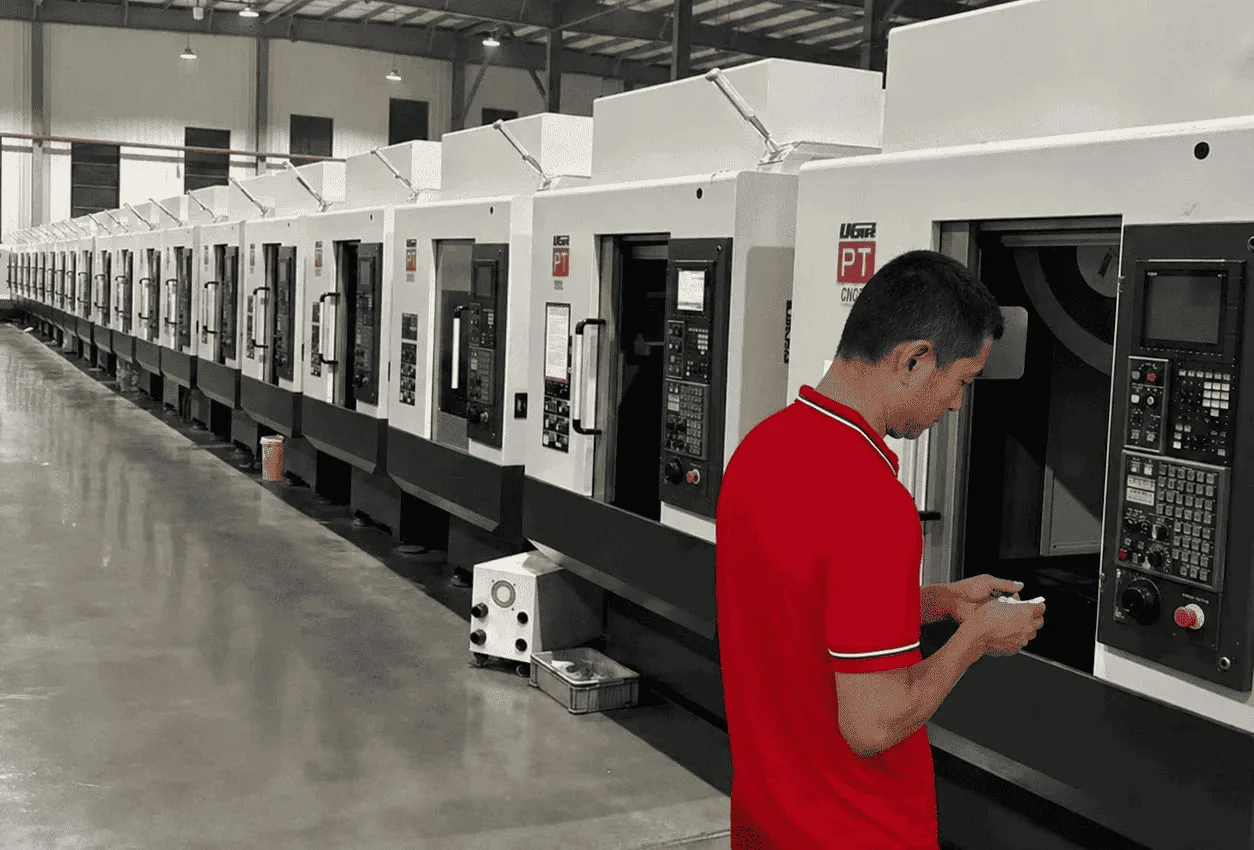
Energy CNC Precision Machining Services for Critical Components
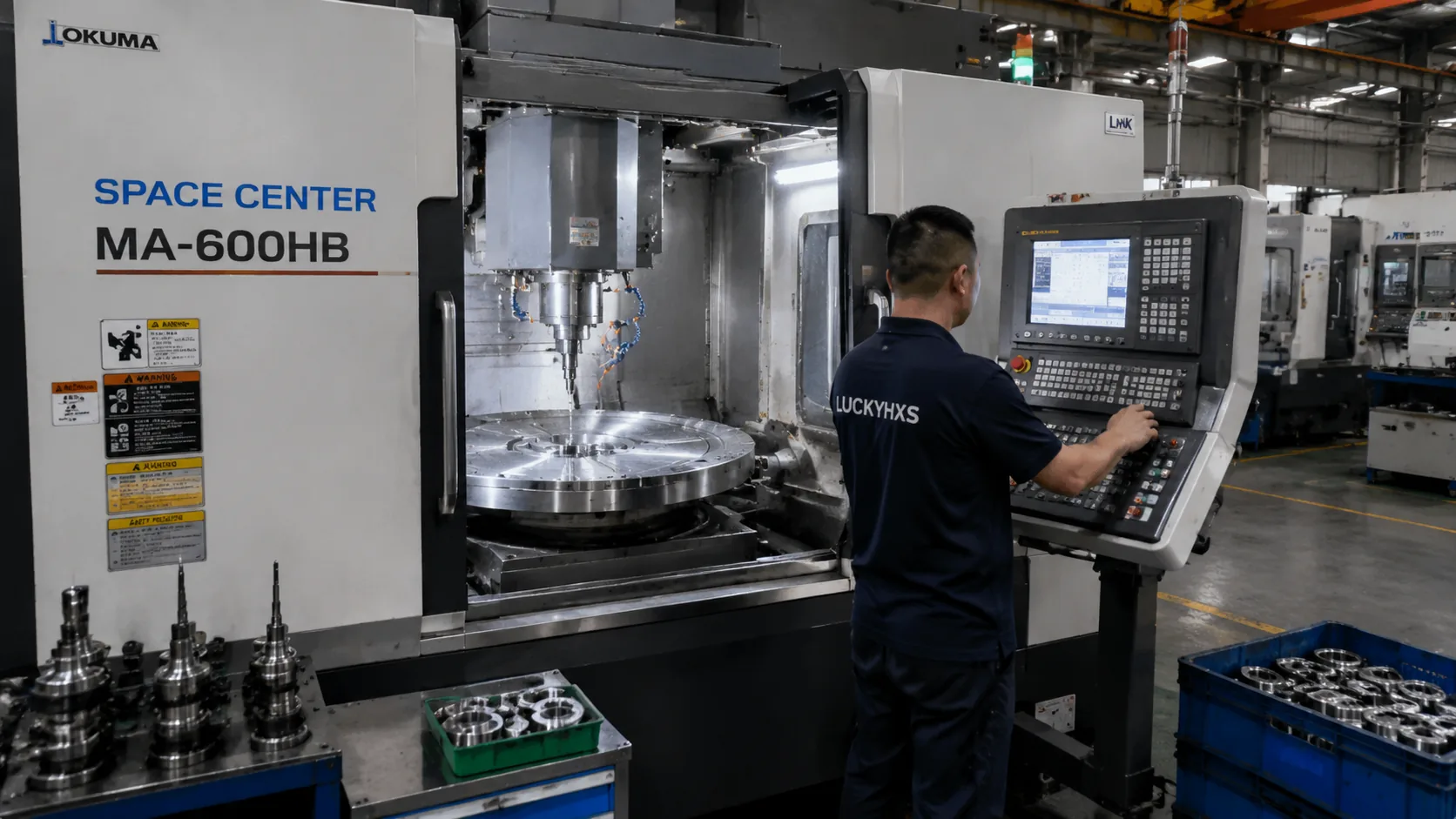
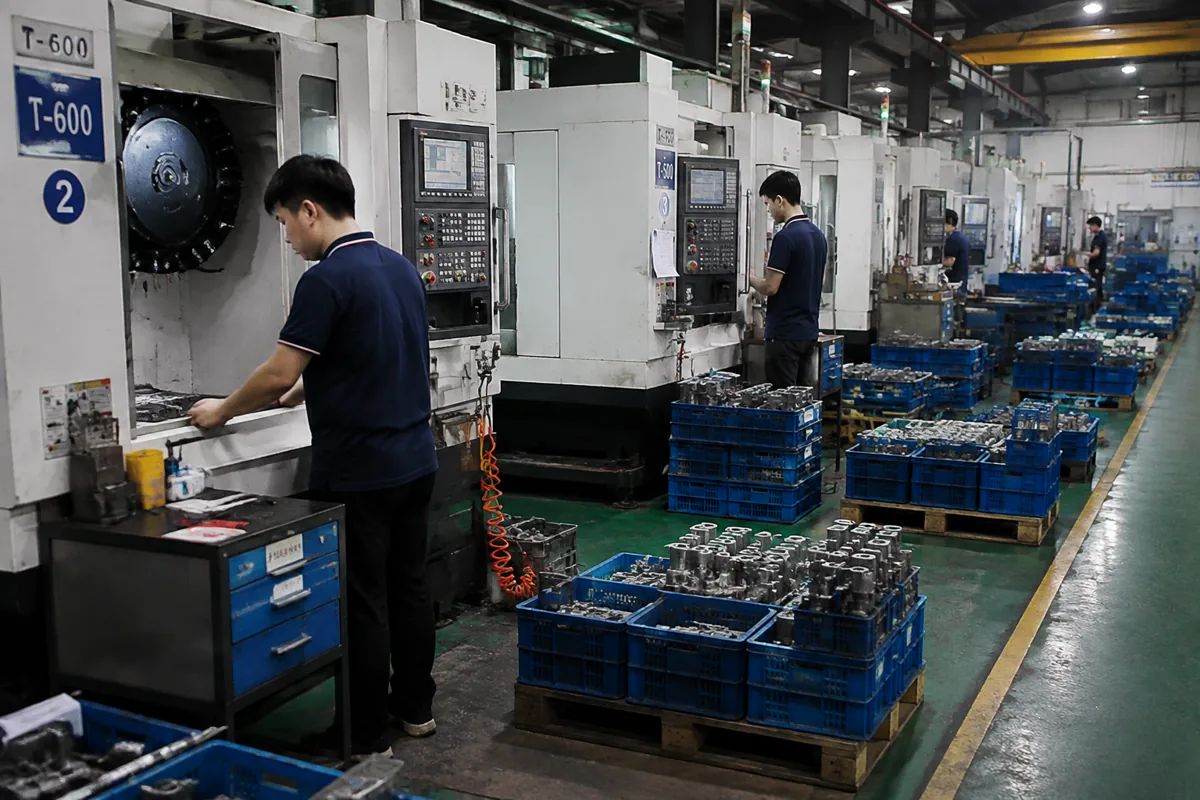
Delivering CMM-verified ±0.01mm precision for global energy equipment manufacturers. From initial prototype approval to automated mass production repeatability, we secure your supply chain with strict quality evidence and 20+ years of machining expertise.
Energy components operate in extreme environments. We understand that passing a basic dimensional check is not enough for functional reliability.
Individual Dimensions PASS ≠ Functional Energy Component PASS
Purchasing managers often face rejection at assembly despite supplier QC reports. We inspect geometric dimensioning and tolerancing (GD&T) relative to mating surfaces, ensuring interface compatibility for complex battery module assemblies.
Prototype Approval ≠ Automatic Production Repeatability
A perfect 5-piece sample run means nothing if the 5,000-piece batch fails. We design custom fixturing and utilize automated pallet pools during the sample phase to guarantee mass production stability without manual resetting errors.
Thermal Components Depend on Interface Accuracy
Liquid cold plates require absolute flatness to prevent fluid leaks and maximize heat transfer. We utilize high-speed micro-milling to achieve <0.05mm flatness across large surface areas, critical for IGBT cooling.
Precision Means Repeatable Accuracy
Maintaining ±0.01mm tolerances across thousands of EV charging pins requires rigid machine setups and strict tool-wear compensation protocols, preventing contact resistance issues in high-current applications.
Reducing Process Transfers Protects Critical Features
Moving a part between lathes and mills introduces alignment errors. Our multi-axis turn-mill centers complete complex energy shafts in a single setup, protecting the concentricity relationships of bearing journals.
Quality Requires Inspection Evidence
OEM buyers cannot rely on trust alone. We provide comprehensive CMM inspection reports, material certificates, and First Article Inspection (FAI) data with every batch, facilitating strict incoming quality control (IQC) at your facility.
Energy CNC Machined Components
Engineered solutions for specific energy sub-sectors, addressing exact mechanical, thermal, and electrical constraints.
Battery & Energy Storage
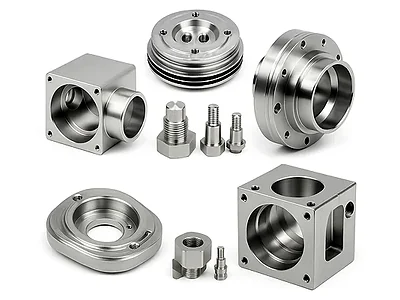
Grid storage racks face high vibration and thermal expansion constraints. We manufacture ±0.01mm milled aluminum 6061 enclosures with integrated O-ring grooves. This ensures structural integrity and prevents cell shorting over a 10-year outdoor lifecycle.
Material: Aluminum 6061/7075
Feature: Deep cavity milling
EV Charging Systems
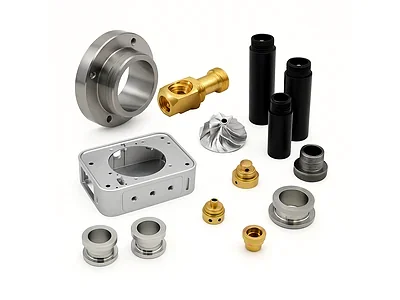
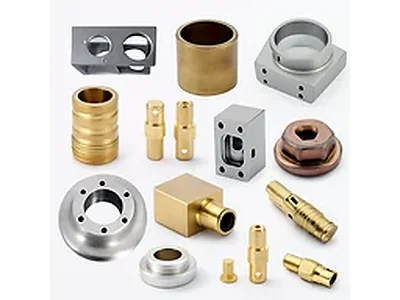
350kW DC fast chargers demand IP67 weather sealing and high current transfer. Our solution utilizes CNC turned copper terminal pins with precise silver plating thicknesses. This minimizes contact resistance, preventing dangerous heat generation during rapid charging.
Material: C11000 Copper, Brass
Feature: Tight-tolerance turning
Power Electronics Housings
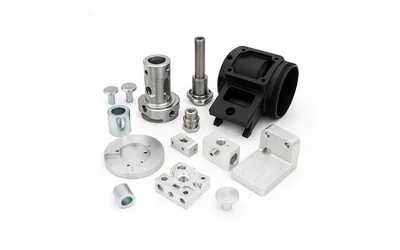
Solar inverter housings require strict EMI shielding within compact spaces. We deliver multi-axis milled aluminum chassis featuring tight-tolerance conductive gasket grooves. This guarantees an IP65 rating while maintaining critical electromagnetic compatibility.
Material: Cast Aluminum, Extrusions
Feature: EMI shielding interfaces
Thermal Management
Liquid cold plates must withstand fluid pressure without warping. We execute micro-milled internal cooling fins and maintain <0.05mm overall flatness across the mounting surface. This maximizes heat dissipation efficiency for sensitive IGBT modules.
Material: Copper, Aluminum
Feature: Micro-channel milling
Motor & Generator Drives
High-speed EV motors require perfect rotational balance at 15,000+ RPM. We produce Swiss-machined stainless steel rotor shafts with bearing journal concentricity held below 0.005mm. This eliminates vibration and significantly extends bearing life.
Material: Stainless Steel, Carbon Steel
Feature: Ultra-precise concentricity
Renewable Equipment Parts
Wind turbine pitch control systems suffer from offshore saltwater corrosion. We supply CNC milled 316L stainless steel mounting brackets with passivated finishes, ensuring 20-year structural integrity in harsh marine environments.
Material: 316L Stainless, Duplex
Feature: Corrosion-resistant machining
Precision Shafts & Bushings
Solar tracker actuators endure continuous low-speed friction under heavy loads. We manufacture precision turned bronze bushings featuring custom internal grease grooves, drastically reducing maintenance intervals for remote desert arrays.
Material: Bronze, Brass alloys
Feature: Internal grooving & threading
Custom Energy Components
Next-gen fuel cell R&D involves unproven, complex geometries. We support rapid prototyping via 5-axis milling, then seamlessly transition to automated pallet pool production. This speeds up sample approval while securing mass production stability.
Material: Exotic alloys, Titanium
Feature: 5-axis simultaneous milling
Precision CNC Components for Energy Equipment Applications
Engineered for critical energy infrastructure. Meeting strict requirements for tolerances, durability, and material traceability.
Turbine & Power Generation Components
Typical Parts
Impellers & Rotors
Drive Shafts
High-Pressure Valve Bodies
Precision Bearing Housings
Buyer Concern
Requires extreme precision (±0.01mm) for high-speed rotation stability, superior surface finish to minimize friction, and expertise in high-temperature alloy machining.
Renewable Energy Equipment Parts
Typical Parts
Wind Turbine Gearbox Components
Yaw System Fasteners
Solar Tracker Brackets
Heavy-Duty Connectors
Buyer Concern
Demands strict batch consistency for large-scale deployments, assembly reliability in harsh outdoor environments, and exceptional corrosion resistance.
Oil & Gas Equipment Components
Typical Parts
Drill Bit Bodies
Subsea Pump Housings
High-Pressure Flanges
Directional Drilling Components
Buyer Concern
Focuses on full material traceability, robust structural integrity under extreme pressure, and precision threads for leak-proof sealing.
Advanced CNC Capabilities
CNC Turning
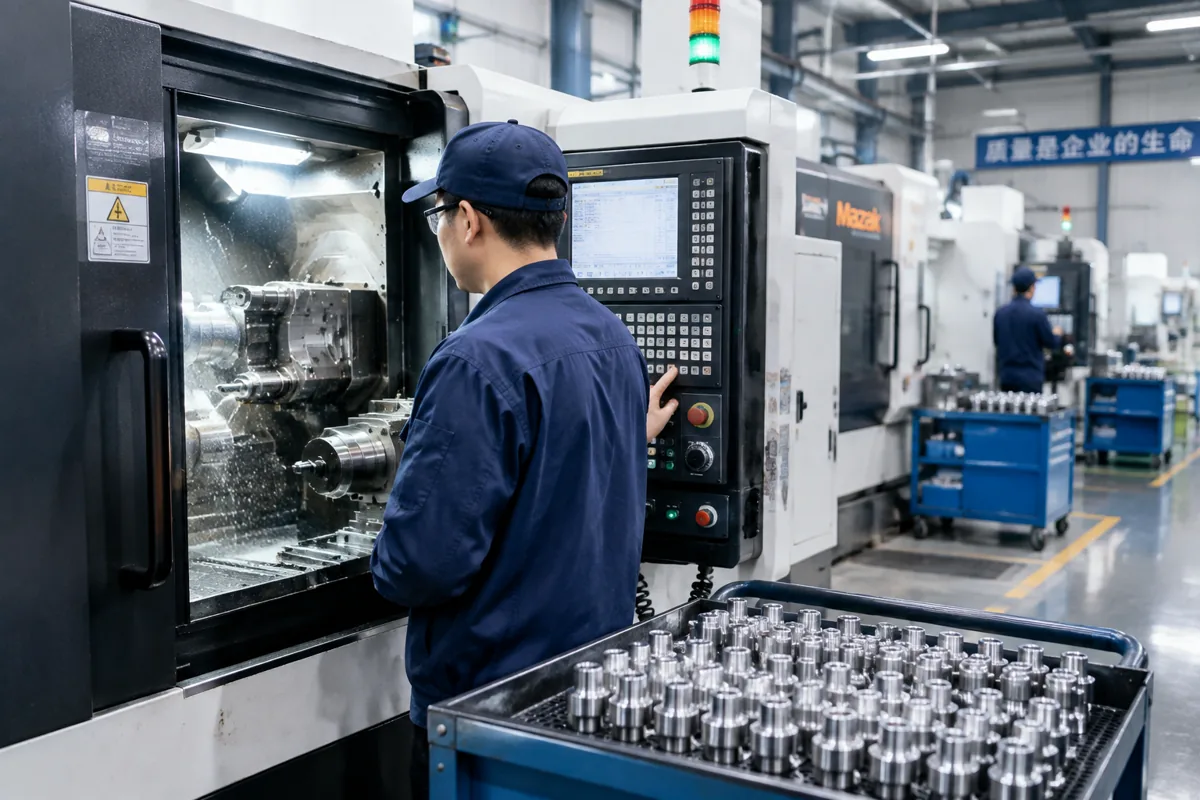
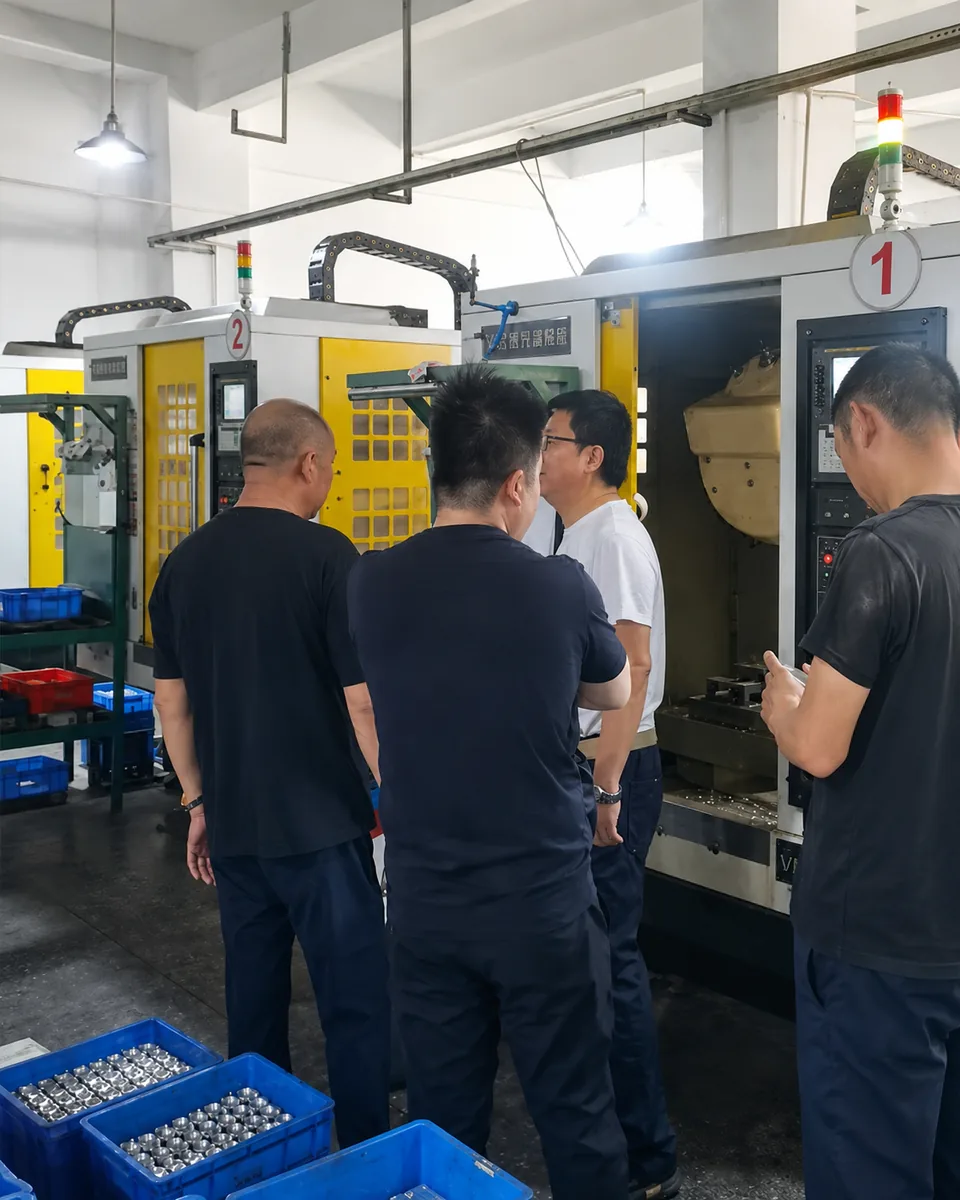
Ideal for cylindrical energy components like connector pins, shafts, and flanges. Utilizing automated bar feeders for high-volume production of EV charging terminals with tolerances down to ±0.005mm.
CNC Milling (3, 4, & 5-Axis)
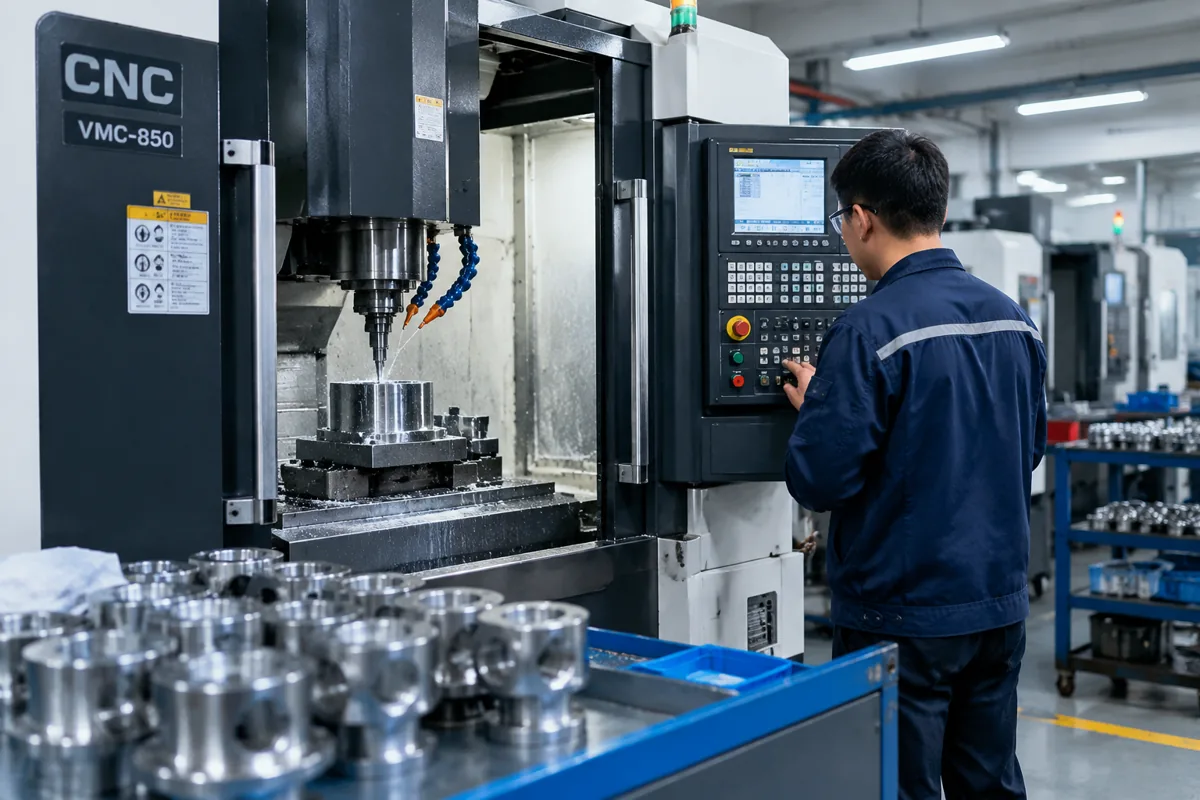
Required for prismatic parts such as battery enclosures and inverter housings. Our 5-axis capabilities allow machining of complex cooling channels in a single setup, eliminating alignment errors.
Swiss Machining
Dedicated to long, slender components like motor rotor shafts. The sliding headstock design prevents tool deflection, achieving superior surface finishes and concentricity on parts up to 32mm in diameter.
Turn-Mill Machining
Combining turning and milling operations. Perfect for complex energy connectors requiring both cylindrical turning and off-center milled flats or cross-holes, reducing cycle times and handling.
Materials for Energy Systems
Aluminum (6061, 6063, 7075)
Lightweight, excellent thermal conductivity. Specified for battery module housings and heat sinks.
Copper (H57, H59, H62, C11000, Tellurium)
Maximum electrical conductivity. Essential for EV charging pins and high-voltage busbars.
Brass (H57, H59, H62, C36000)
Highly machinable, corrosion resistant. Used for custom threaded inserts and fluid connectors.
Stainless Steel (303, 304, 316L)
High strength and superior corrosion resistance for offshore wind and outdoor solar mounts.
Carbon Steel & Alloys
High tensile strength for heavy-duty structural components, generator shafts, and load-bearing brackets. Often plated or coated post-machining.
Why Energy Components Require Precision CNC Machining
Energy sector applications operate under extreme conditions. Even micro-level deviations in critical components can lead to catastrophic system failures, extensive downtime, and severe safety hazards.
01 / Shaft Alignment Problems
Challenge
High-speed turbines and rotors experience catastrophic vibration if shaft concentricity deviates by even micrometers.
Machining Risk
Standard lathes struggle to maintain strict geometric tolerances across long cylindrical profiles, leading to runout.
LuckyHXS Solution
5-axis simultaneous milling and Swiss-type turning achieve ±0.01mm true position tolerance, ensuring dynamic balance.
02 / Sealing Surface Failure
Challenge
High-pressure valves and fluid control systems leak under extreme PSI if mating surfaces lack absolute flatness.
Machining Risk
Micro-chatter marks or thermal distortion during aggressive metal removal compromise the surface finish (Ra).
LuckyHXS Solution
Optimized tool paths and rigid machine setups deliver Ra 0.4µm mirror finishes without requiring secondary grinding.
03 / Batch Quality Variation
Challenge
Procurement teams face assembly line halts when dimensional consistency drifts across high-volume production runs.
Machining Risk
Tool wear and thermal expansion over long shifts cause tolerance creep on critical energy components.
LuckyHXS Solution
Automated in-process probing and ISO 9001-certified statistical process control (SPC) guarantee zero-defect repeatability.
Quality Control & Inspection Evidence
We do not expect OEMs to rely on trust. We provide hard data. Our quality management system ensures your assembly line never stops due to out-of-spec components.
ISO 9001 Certified
CE Compliant
REACH / ROHS
Material Test Reports
01. FAI
First Article Inspection
Before mass production begins, a comprehensive dimensional and functional check is performed and documented for client approval, ensuring the setup matches the cabinet drawing exactly.
02. CMM
CMM Inspection
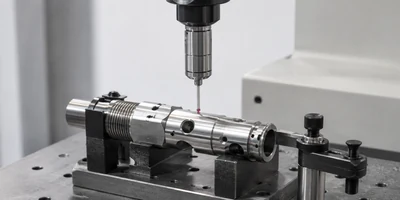
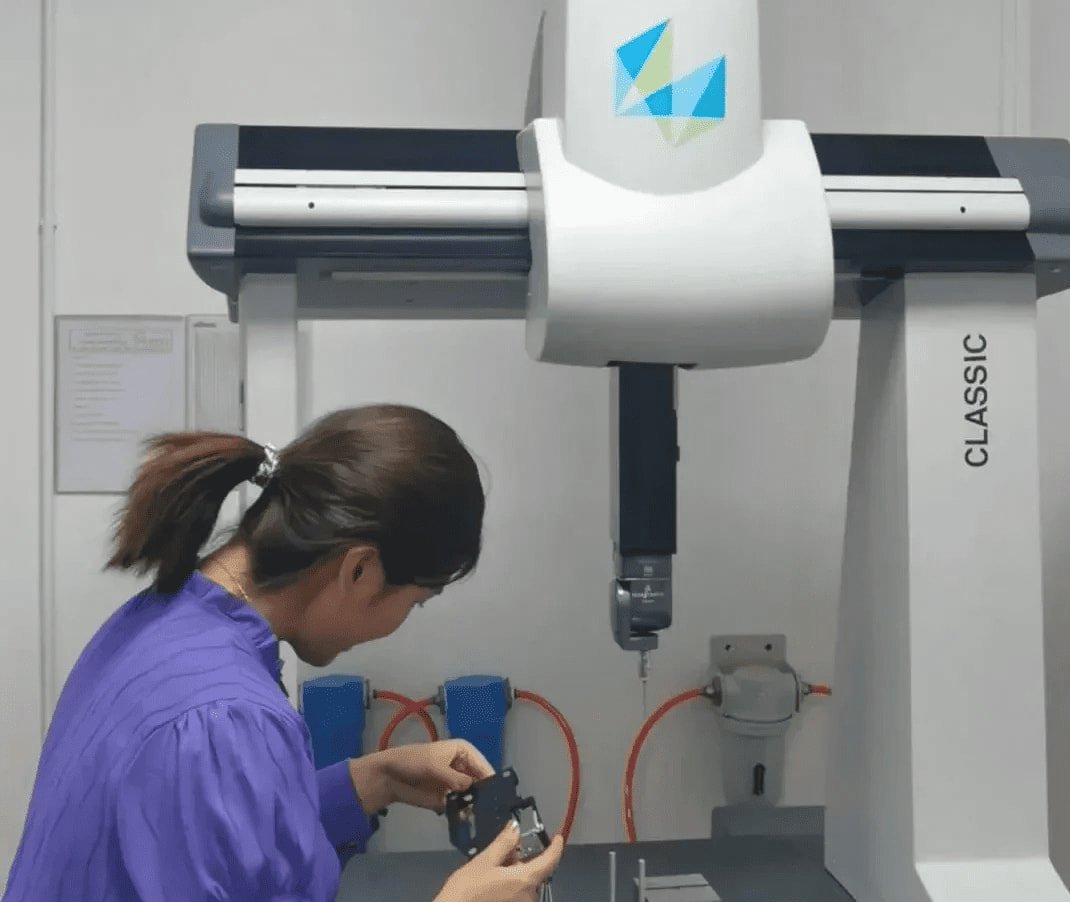
Coordinate Measuring Machines verify complex geometries, hole positions, and GD&T tolerances down to microns, critical for mounting hole alignments on power electronics housings.
03. In-Process
Dimensional Control
Operators perform routine checks at specified intervals using calibrated micrometers and gauges to detect tool wear early and maintain mass production stability.
04. Final
Final Inspection Records
100% visual inspection and statistical dimensional sampling before packaging. Detailed inspection records and material certs are shipped with your energy components.
Energy CNC Machining Insights
Technical considerations for procurement and engineering teams.
What Components Can Be CNC Machined for Energy Systems?
CNC machining is versatile and essential for components requiring tight tolerances that casting or stamping cannot achieve. Common applications include battery module enclosures (requiring precise O-ring grooves for IP67 sealing), EV charging terminal pins (needing high-conductivity copper turned to ±0.01mm), liquid cold plates (demanding micro-milled cooling channels), and wind turbine pitch brackets (requiring corrosion-resistant 316L stainless steel). We handle prototypes from 1 piece up to mass production runs of 100,000+.
How CNC Machining Supports Battery Storage Manufacturing
Utility-scale battery storage racks face significant thermal and structural constraints. CNC machining supports this by producing rigid, lightweight aluminum 6061 structural frames and precision busbars. By utilizing 4-axis milling, we can create complex routing for wiring and cooling lines within a single chassis piece, reducing assembly time and minimizing the risk of thermal runaway caused by poor contact or restricted airflow.
Why Precision Matters in Energy CNC Machining
In energy applications, precision directly correlates to safety and efficiency. For example, a high-speed generator rotor shaft operating at 15,000 RPM must have bearing journals concentric within 0.005mm. Any deviation causes vibration, premature bearing failure, and catastrophic system shutdown. Similarly, in high-voltage connectors, poor dimensional accuracy leads to increased electrical resistance, heat generation, and potential fire hazards. Precision ensures interface compatibility and long-term reliability.
CNC Turning vs CNC Milling for Energy Components
The choice depends on the component's geometry. CNC Turning revolves the workpiece against a stationary tool, making it ideal for cylindrical parts like solar tracker bushings, motor shafts, and EV charging pins. CNC Milling holds the workpiece stationary while a rotating tool removes material, which is necessary for prismatic shapes like inverter housings, mounting brackets, and cold plates. For complex parts requiring both, we utilize Turn-Mill centers to complete the part in one setup, protecting critical feature relationships.
How Energy Manufacturers Control CNC Production Quality
Controlling quality across thousands of parts requires systematic processes, not just final checks. We implement strict First Article Inspection (FAI) to validate the initial setup against the cabinet drawing. During production, operators conduct timed interval checks to monitor tool wear. Finally, Coordinate Measuring Machines (CMM) verify complex GD&T parameters. All material batches are tracked via certifications to ensure REACH/ROHS compliance, providing full traceability for OEM buyers.
Renewable Energy Manufacturing Requires Reliable CNC Partners
Renewable projects (wind, solar, hydro) often involve remote installations where maintenance is costly and component failure is unacceptable. A reliable CNC partner understands these environmental constraints. We machine specialized alloys like Duplex stainless steel for offshore wind applications and provide documented quality evidence. By ensuring prototype-to-production consistency, we help renewable OEMs scale their technologies rapidly without supply chain bottlenecks.
Secure Your Energy Supply Chain Today
Upload your 2D/3D drawings (STEP, IGES, PDF). Our engineering team reviews material requirements, critical tolerances and production requirements to provide a reliable CNC machining solution within 24 hours.
Partner with an industry leader. We provide OEM and ODM support with uncompromising quality, offering fast 3-day sample delivery for your critical projects.