
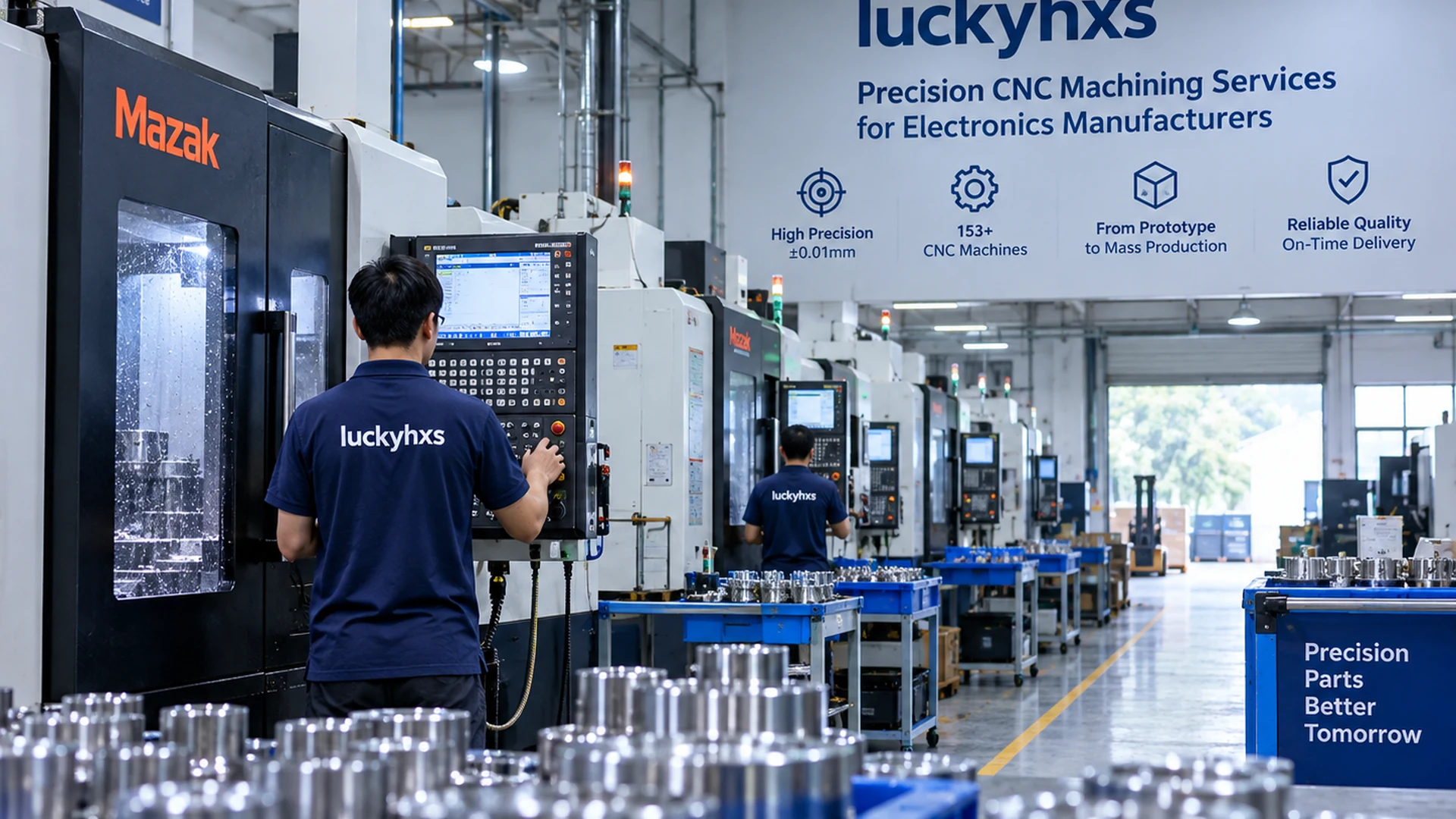
Precision CNC Machining Services for Electronics Manufacturers
We supply precision mechanical components for electronics, automation, and industrial equipment manufacturers. With 153 CNC machines and a ±0.01 mm precision reference, we ensure your internal electronics assemble flawlessly into their physical housings.
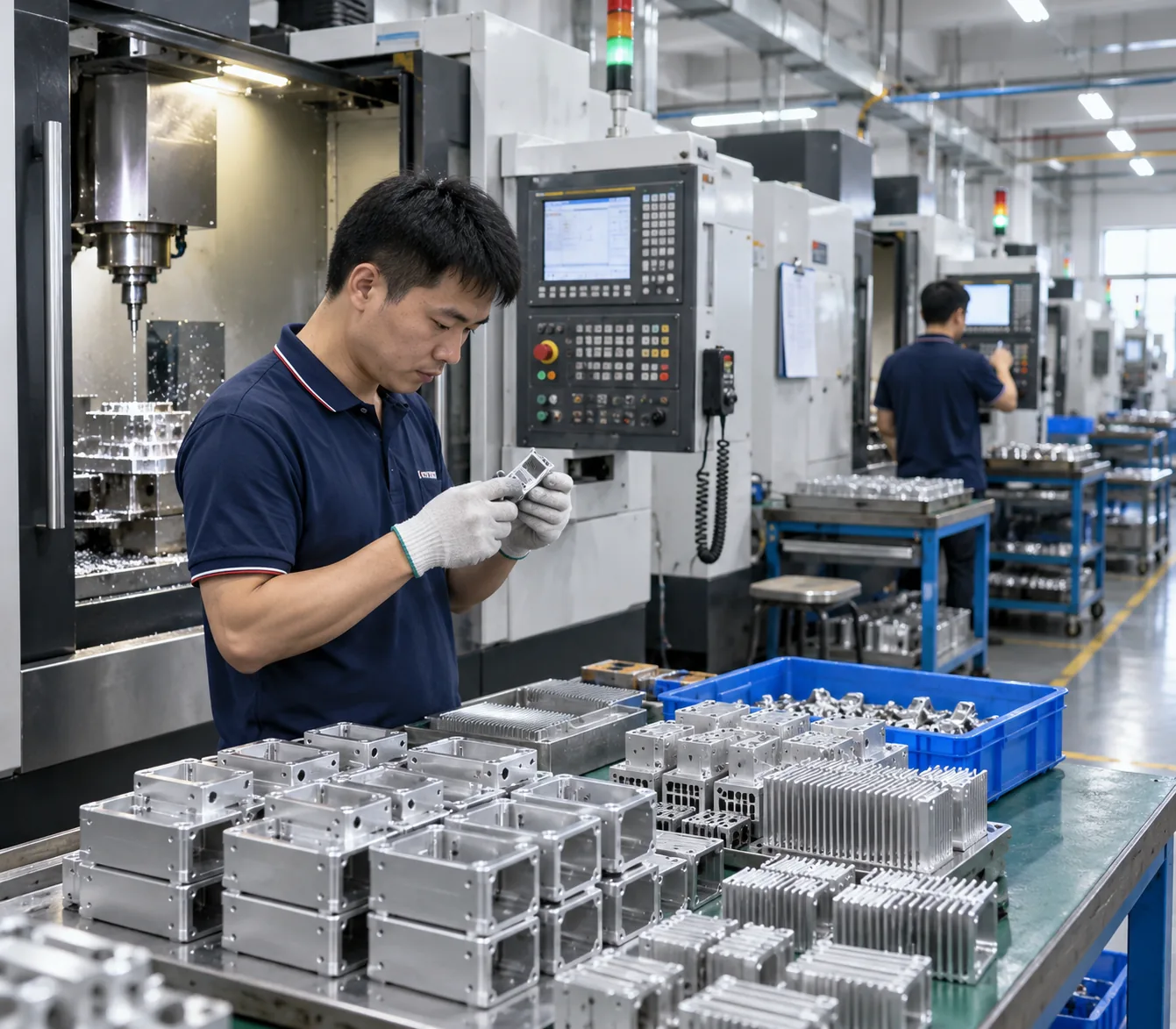
Your Reliable Electronics CNC Machining Manufacturer
Shenzhen Hongxiangsheng Technology Co., Ltd. (LuckyHXS) is a precision CNC machining manufacturer dedicated to producing custom mechanical components for electronics, automation, and industrial equipment manufacturers. We understand that a PCB is only as reliable as the housing that protects it and the connectors that interface with it.
153 CNC Machines
High-capacity production ensuring stable lead times for your electronics assembly schedule.
±0.01 mm Precision
Strict tolerance control for seamless PCB mounting and connector alignment.
Prototype to Production
From initial mechanical sample approval to stable mass production runs.
100% Pre-shipment Inspection
Rigorous dimensional and functional feature review before dispatch.
Precision Mechanical Components Behind Reliable Electronic Systems
When designing industrial electronics or test equipment, the physical enclosure and mechanical interfaces dictate the final product's durability. We solve the physical constraints so your electronics can perform.
Why Electronics Manufacturers Rely on Our Precision
-
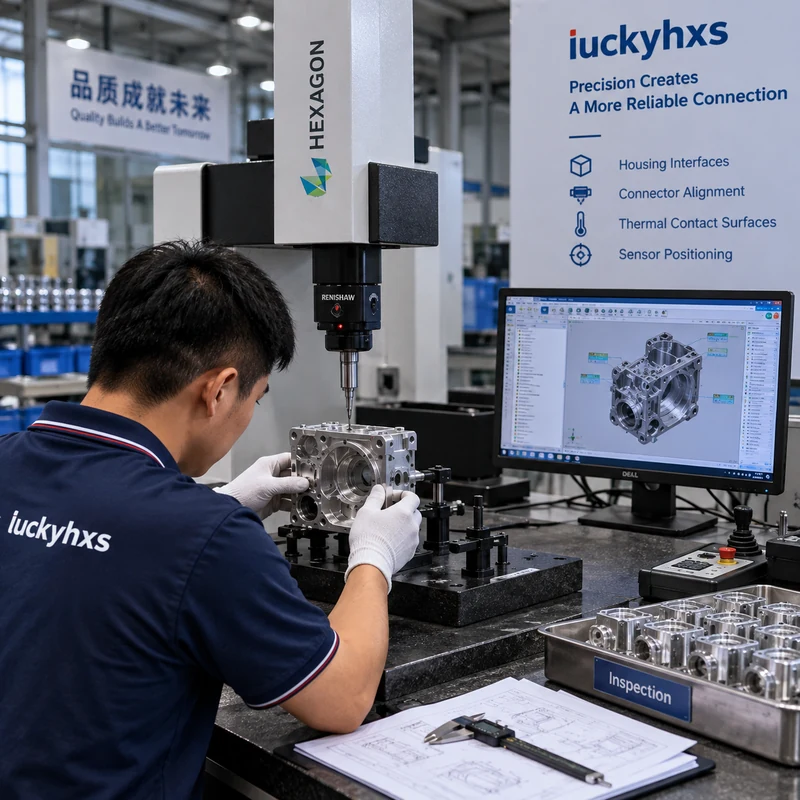
Housing Interfaces: Preventing EMI leakage and ensuring IP-rated sealing by maintaining absolute flatness on mating surfaces.
-
Connector Alignment: Machining precise cutouts so multi-pin connectors mate perfectly without stressing the PCB solder joints.
-
Thermal Contact Surfaces: Controlling surface roughness (Ra) on internal heat sink blocks to maximize thermal transfer from high-power components.
-
Sensor Positioning: Maintaining tight true-position tolerances for optical or proximity sensors to eliminate field calibration errors.
Complete CNC Machining Capabilities for Electronic Components
We deploy the right machining strategy based on your component's geometry, material, and required batch size, ensuring cost-effective production without sacrificing tolerance.
CNC Milling
For:
- Electronic housings
- Internal frames
- Mounting brackets
CNC Turning
For:
- Precision shafts
- Alignment pins
- Spacer bushings
Swiss CNC Machining
For:
- Small RF connectors
- Precision miniature parts
- High-volume contacts
5-Axis CNC Machining
For:
- Complex electronic structures
- Multi-sided instrument bodies
- Reduced setup errors
Turn-Mill
For:
- Integrated precision components
- Cylindrical parts with flats
- Single-setup processing
Wire EDM
For:
- Complex internal profiles
- Sharp internal corners
- Hardened steel tooling parts
Custom CNC Machined Electronic Components
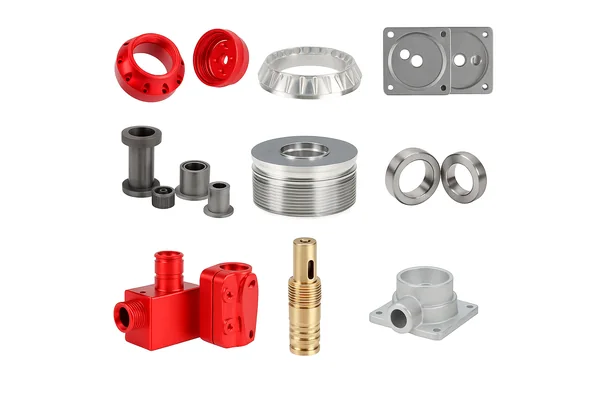
We manufacture a wide range of structural and functional metal parts specifically designed to house, connect, and protect sensitive electronic assemblies.
Electronic Housings & Enclosures
When specifying electronic enclosure machining for outdoor control panels, we control aluminum warping during thin-wall milling to ensure IP67 sealing integrity upon final assembly.
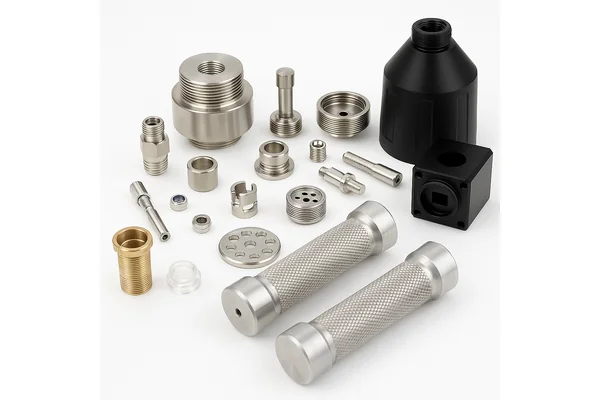
Precision Connector Components
For custom RF or industrial interfaces, our precision connector machining utilizes Swiss-type lathes to produce burr-free threads and exact pin alignment for reliable signal transmission.
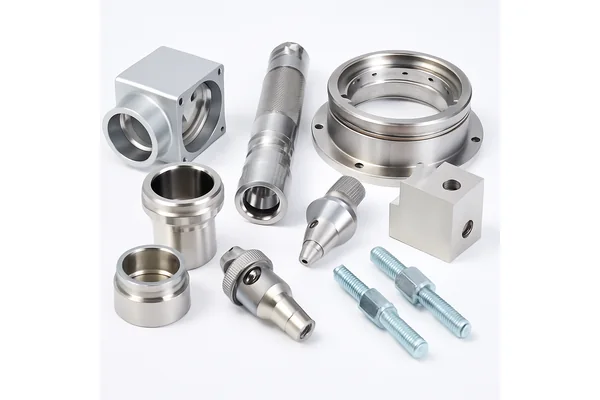
Sensor Housings & Components
Industrial sensor housing machining requires strict concentricity. We machine stainless steel bodies that guarantee the internal optics or PCB sit perfectly parallel to the detection window.
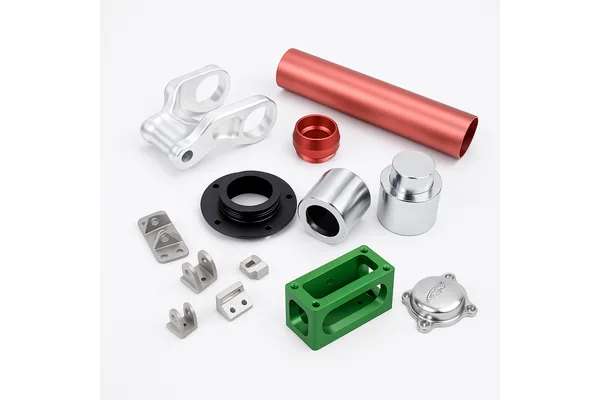
Electronic Mounting Brackets
Internal structural brackets designed to hold heavy transformers or isolate sensitive PCBs from mechanical vibration within the main equipment cabinet.
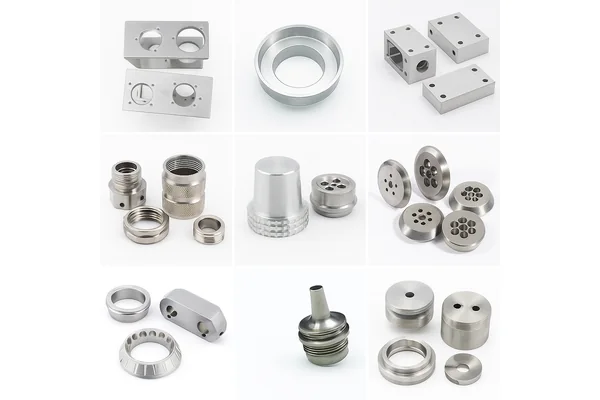
Electronic Instrument Components
Front panels, dials, and chassis parts for test and measurement equipment where aesthetic finish (anodizing) and exact cutout dimensions are equally critical.
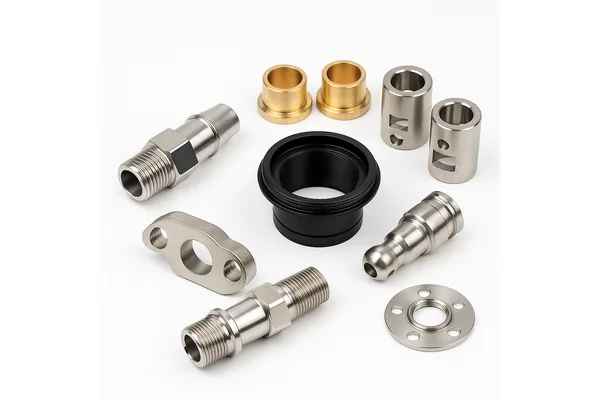
Thermal Management Components
Custom thermal CNC machining for copper and aluminum heat sinks. We achieve optimal surface flatness to eliminate air gaps between the high-power processor and the heat sink block.
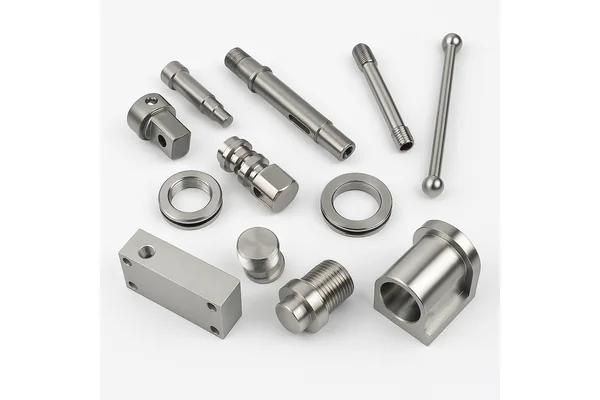
Precision Shafts, Pins & Bushings
Micro-components used in electromechanical switches, relays, and automated mechanisms within larger electronic systems, requiring tight diameter tolerances.
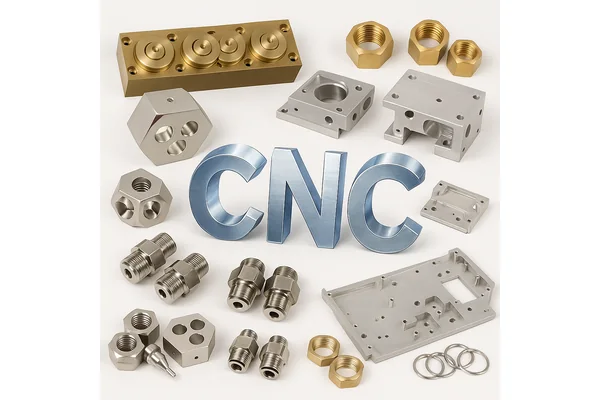
Electronic Prototype CNC Parts
Rapid electronic prototype machining for R&D phases. Test physical form, fit, and function of your new device design before committing to expensive die-casting or injection molding tooling.
Critical CNC Machining Challenges Behind Reliable Electronic Assemblies
Electronic products can fail even when individual mechanical dimensions appear acceptable. Housing flatness, connector alignment, batch consistency, thin-wall stability, and sensor positioning must all work together for reliable final assembly. These are the machining risks LuckyHXS focuses on controlling before your components reach the production line.
Individual Dimensions PASS ≠ Complete Electronic Assembly PASS
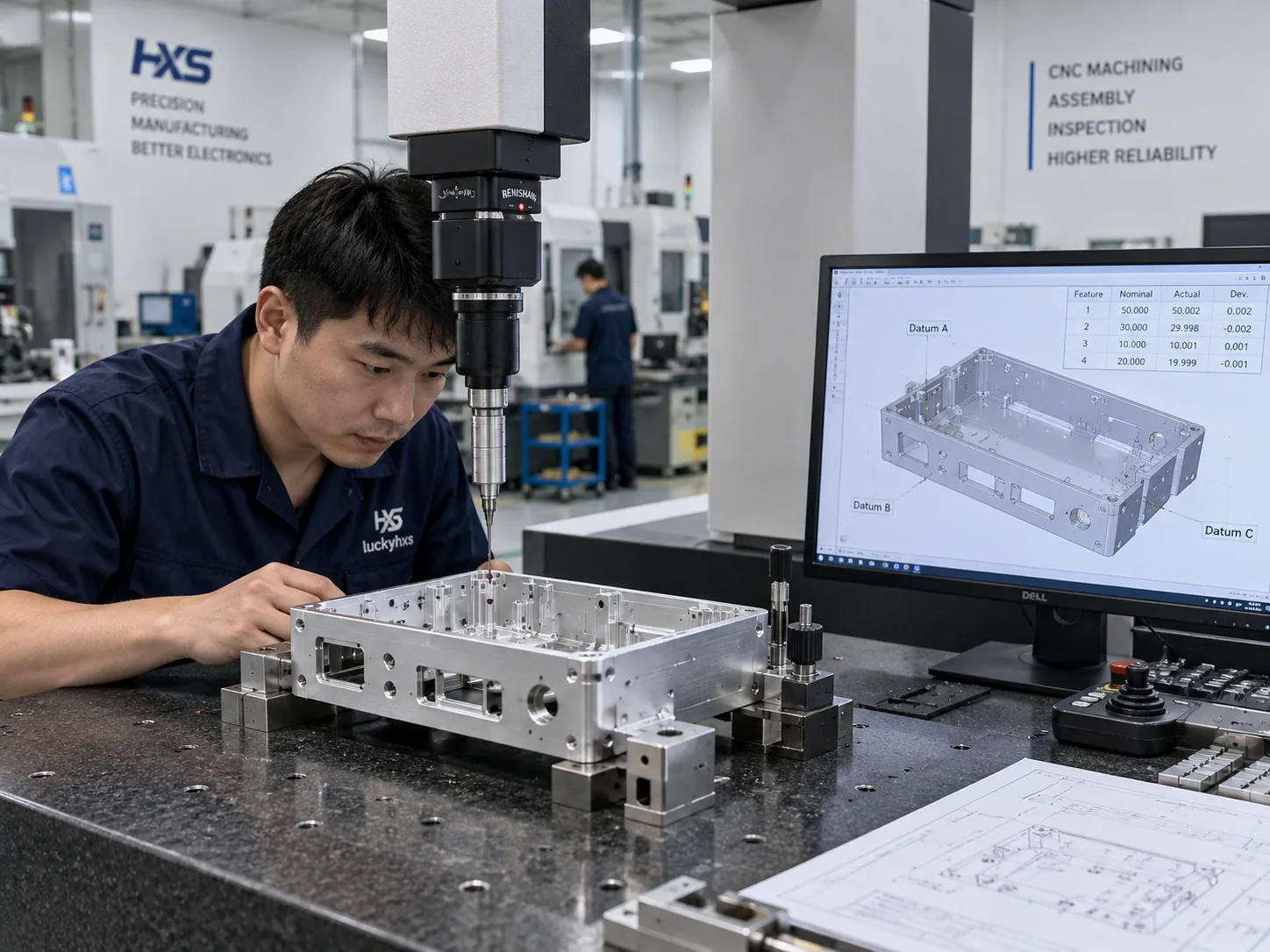
A common failure in electronics manufacturing occurs when a mechanical part passes basic caliper checks, but the final PCB mounting fails. Single dimensions can pass inspection while PCB mounting and connector alignment still fail because datum relationships and true position are incorrect.
When mating a dense PCB to an aluminum chassis, even a 0.1mm positional shift across a 200mm span can cause housing interference or stress the connector alignments. LuckyHXS solves this by establishing strict main datum controls during setup and verifying functional features using advanced CMM inspection.
- Hole Diameter PASS
- Overall Size PASS
- Mounting Feature PASS
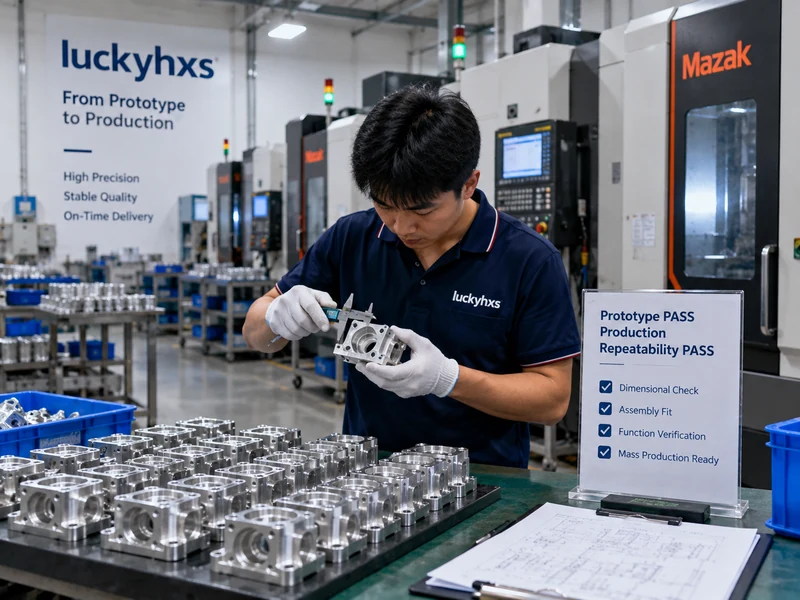
Prototype PASS ≠ Production Repeatability PASS
A perfect engineering sample does not guarantee that unit #5,000 will assemble like unit #1. Getting one perfect sample for R&D approval is easy; maintaining that exact specification across a batch is where many suppliers fail.
We transition your project from prototype to mass production through rigid process control. By utilizing standardized fixtures, locking in machining programs, controlling tool-wear, and implementing scheduled batch inspections, we guarantee consistency.
Electronic Housings Require Thin-Wall Machining Control
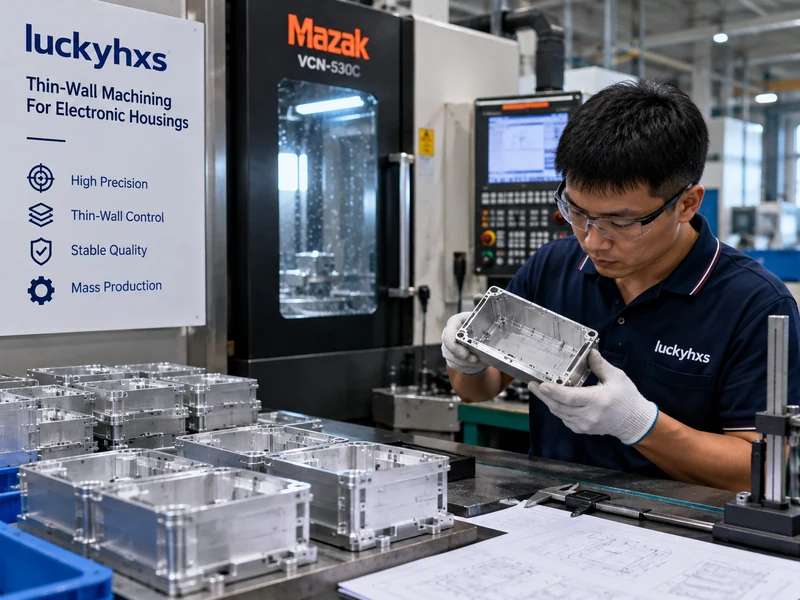
Modern industrial electronics demand lightweight yet robust enclosures, often requiring aluminum enclosure machining with thin walls below 1.5mm. The primary constraint here is material stress release, which causes warping and flatness changes after the part is removed from the machine.
If the base warps, the top cover will mismatch, compromising the sealing integrity. We counteract this by utilizing a controlled roughing-to-finishing sequence that allows the aluminum to relieve internal stresses before the final precision cuts are made.
Connector Components Require Interface Accuracy
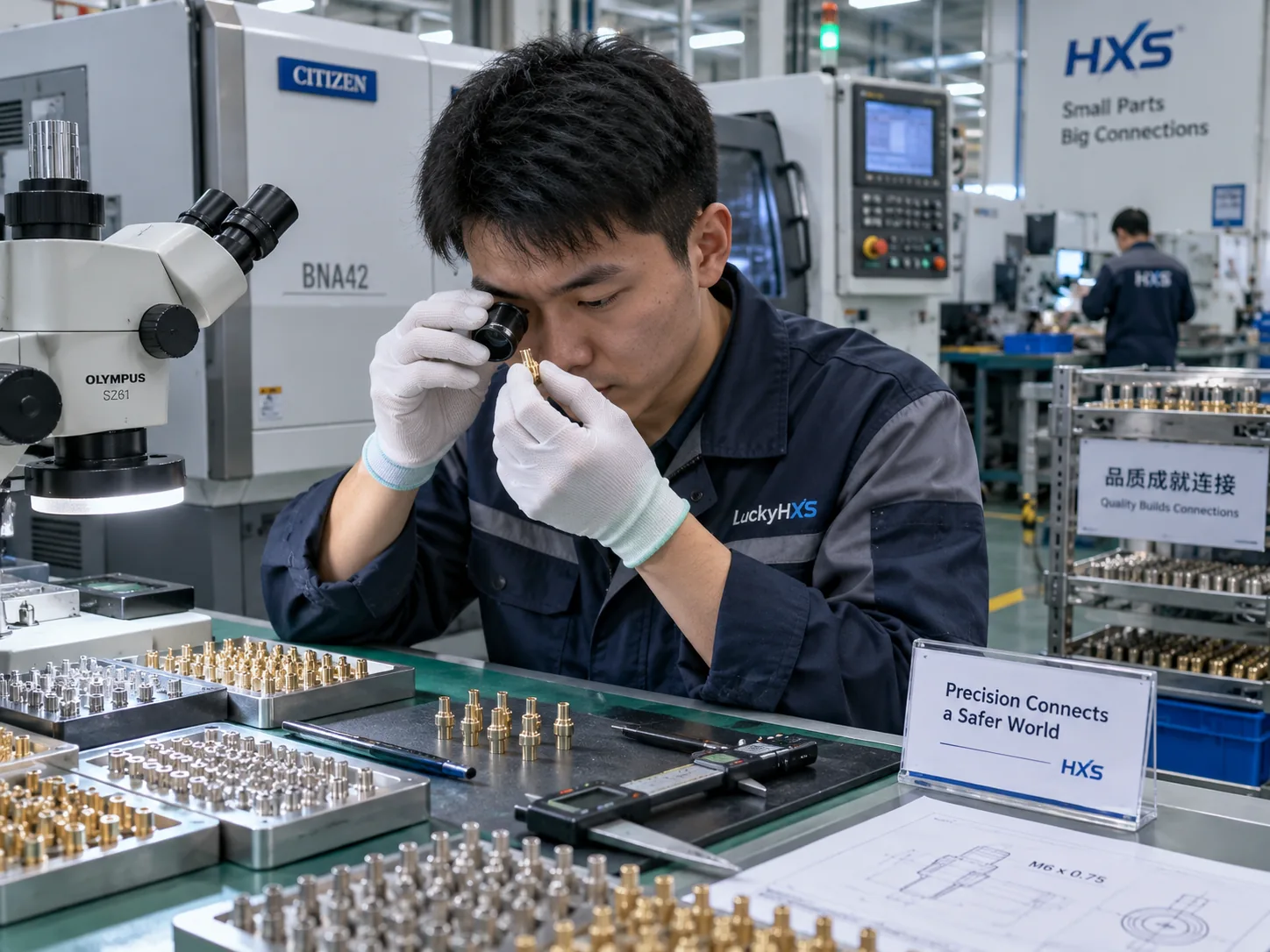
Custom communication interfaces and high-power industrial connectors cannot tolerate poor mating, micro-burrs, or thread problems. A single microscopic defect on a connector pin housing can ruin electrical integration.
Using advanced Swiss CNC machining centers, we produce these miniature, high-tolerance components perfectly.
Sensor Components Require Stable Mechanical Alignment
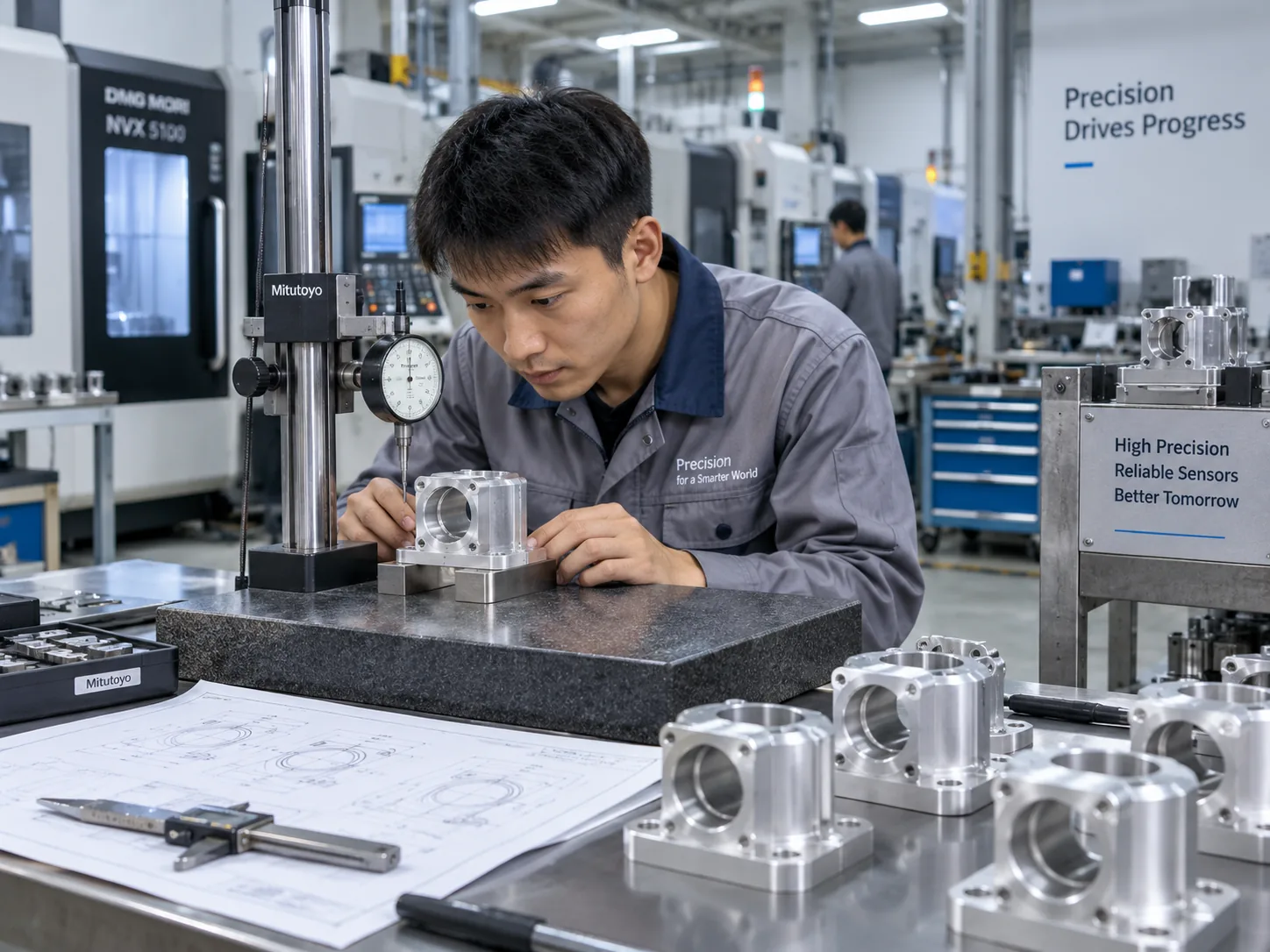
For automation electronics, the physical sensor housing directly impacts the sensor's accuracy. If the internal mounting ledge for an optical lens or proximity chip has a position deviation, the final product will face severe issues on the assembly line.
We machine sensor housings with strict perpendicularity and parallelism tolerances. By ensuring the mechanical alignment is flawless from the start, we help reduce testing and calibration time.
Need an Electronic CNC Component Reviewed Before Production?
Send us your drawing, material, quantity, critical tolerances, PCB mounting interfaces, connector features, or sensor alignment requirements. Our engineering team will review the machining risks and manufacturability before quotation.
Materials and Finishing Options for Electronic CNC Components
Selecting the right base material and surface treatment is critical for thermal conductivity, corrosion resistance, and physical durability in industrial environments.
Machining Materials
-
Aluminum (6061, 7075): Excellent for lightweight housings and heat sinks due to high thermal conductivity.
-
Stainless Steel (304, 316): Chosen for harsh environment sensor housings requiring high strength and corrosion resistance.
-
Brass & Copper: Ideal for precision connector pins, RF components, and specialized thermal transfer blocks.
-
Engineering Plastics (PEEK, POM): Used for internal insulating brackets or non-conductive structural supports.
Surface Treatments
-
Anodizing (Clear, Black, Colors): Protects aluminum housings from oxidation and provides a professional cosmetic finish for instrument panels.
-
Plating (Nickel, Gold, Silver): Essential for connector components to prevent corrosion while maintaining excellent electrical conductivity.
-
Polishing & Sandblasting: Modifies surface roughness for aesthetic requirements or to prepare surfaces for specific coatings.
-
Precision Deburring: Critical step to ensure no loose metal particles can cause short circuits within the electronic assembly.
Quality Inspection Supports Reliable Electronics Production
We don't just measure parts; we verify that our mechanical components will function correctly within your electronic system. Our quality laboratory is equipped to validate every critical dimension before shipment.
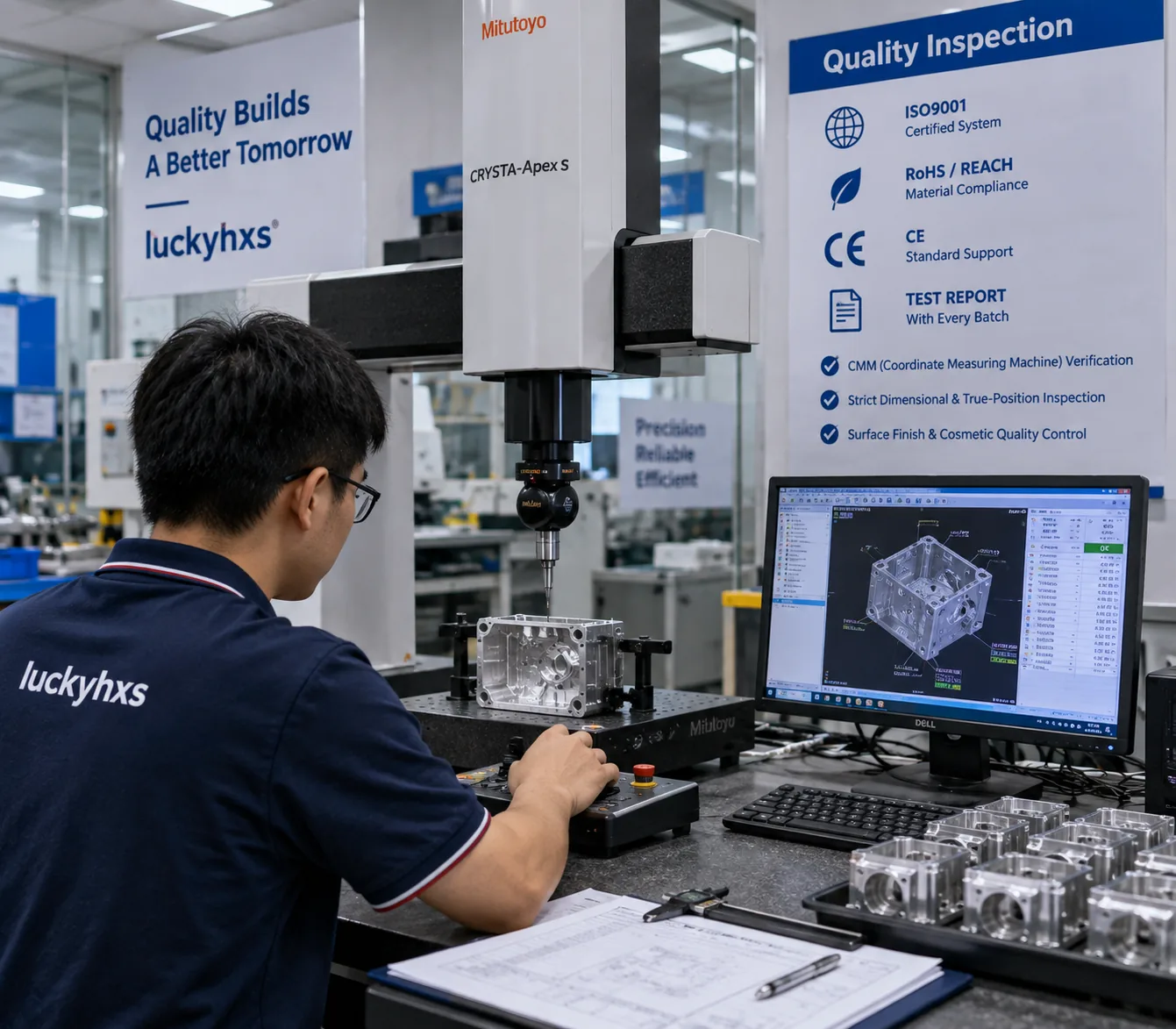
See Our Electronics CNC Machining Production Process
Take a look inside our facility to see how we transform raw materials into the precision components that house your electronics.
Have an electronics CNC project ready for review? Send us your drawing and requirements for an engineering evaluation and quote.
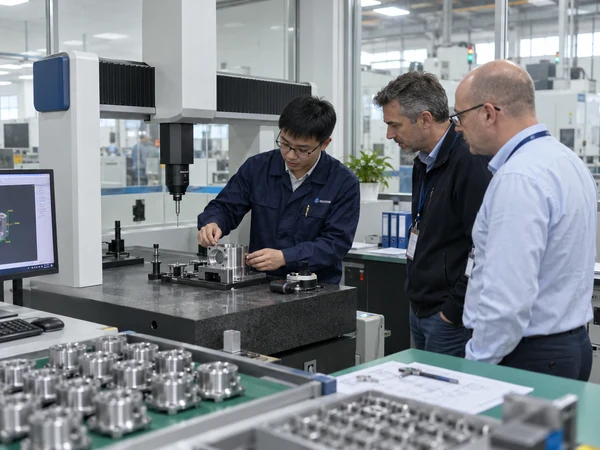
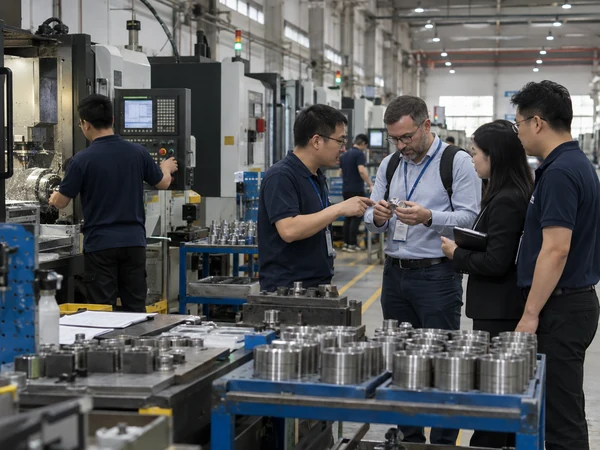
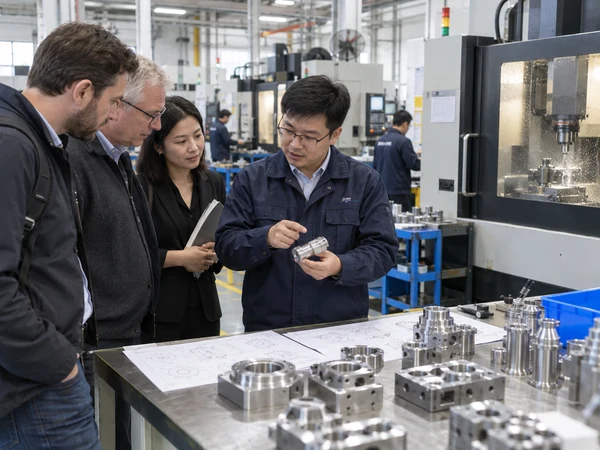
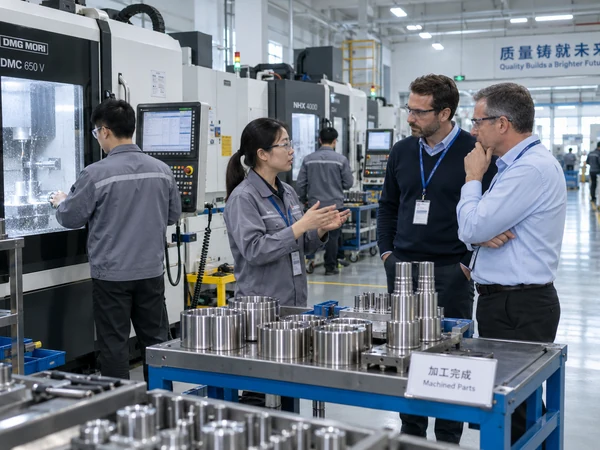
Global Customers Visit Our Manufacturing Facility
We welcome electronics and equipment manufacturers from around the world to audit our processes and discuss their custom machining projects in person.
Industries We Support
Providing precision machined components for critical equipment where mechanical failure is not an option.
Industrial Electronics
Communication Equipment
Sensors
Automation Systems
Test Equipment
Semiconductor Equipment Mechanical Components
Frequently Asked Questions about CNC Machining for Electronics
What is CNC machining for electronics?
Why use CNC machining for electronic housings instead of die casting?
What materials are used for electronic CNC machining?
Can CNC machining support electronic prototypes?
What tolerances can CNC machining achieve for electronics?
Need Precision CNC Components for Your Electronic Products?
Send us your 2D/3D drawings today. Our engineering team will review your specific tolerances, materials, and batch requirements to provide a fast, accurate quote.