
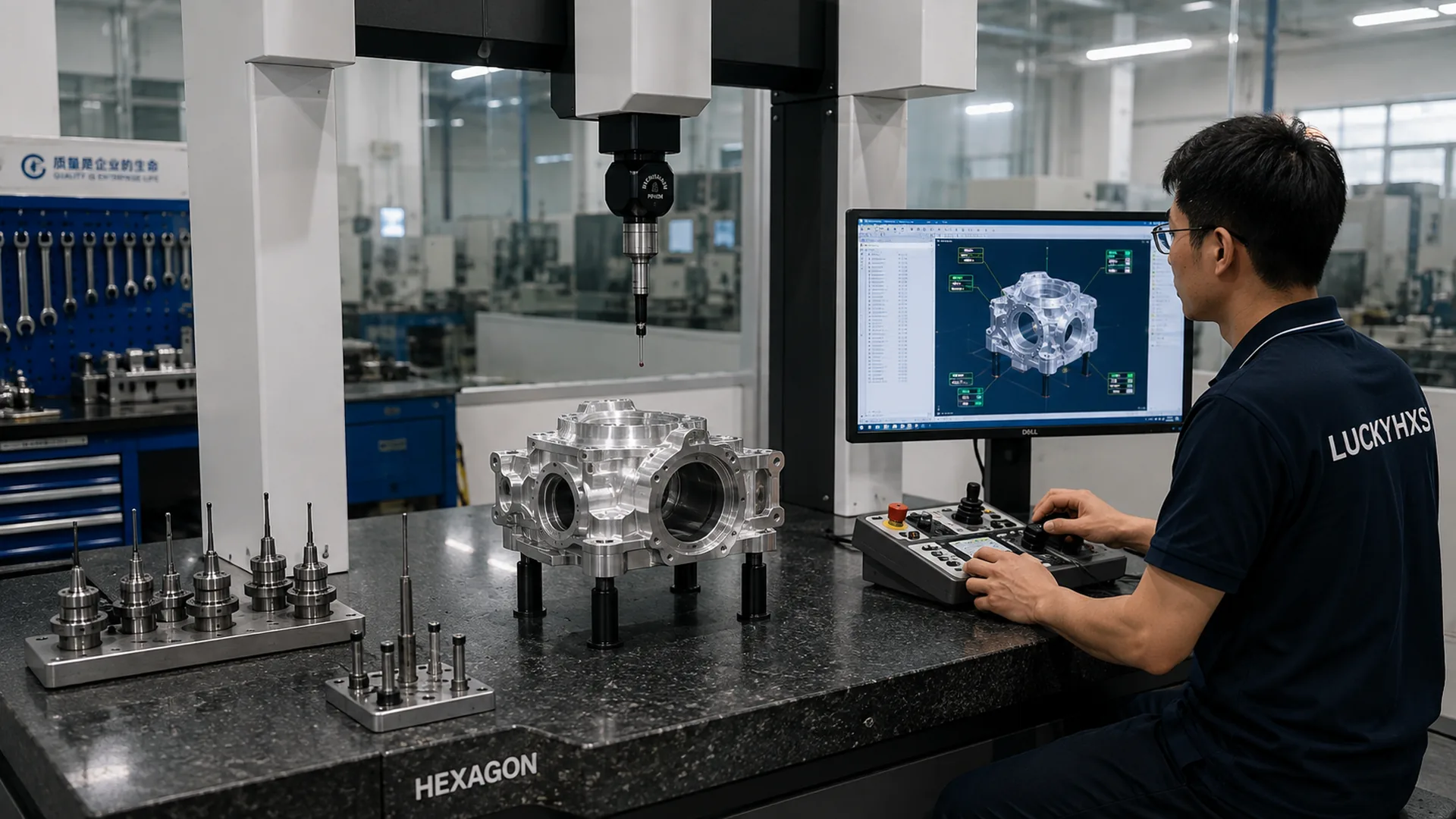
Custom CNC Medical Parts Manufacturing Built to Your Drawings
For medical devices, diagnostic equipment, and precision medical components. We provide CNC turning, milling, and Swiss machining from prototypes to repeat production, focusing heavily on fit-critical features, burr control, and repeatable batch quality.
- Drawing-Based Medical Component Manufacturing
- Precision Features for Medical Equipment Parts
- Burr Control and Cleaning Review
- Prototype to Repeat Production Support
What We Manufacture for Medical Equipment OEMs
At LuckyHxs, we focus strictly on machining precision components based on customer drawings. We machine components for medical devices and equipment, but we do not present ourselves as a complete medical device manufacturer.
- We support drawing-based custom parts in metal and selected plastics.
- The most suitable process is selected according to geometry, material, quantity, and inspection priorities.
- Our goal is to ensure your critical dimensions are met before assembly.
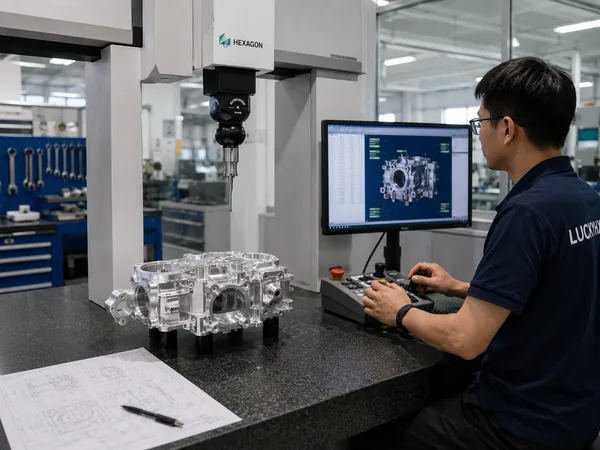
Medical CNC Parts Categories We Focus On
Explore the specific types of medical equipment components we machine, customized to your strict drawing requirements.
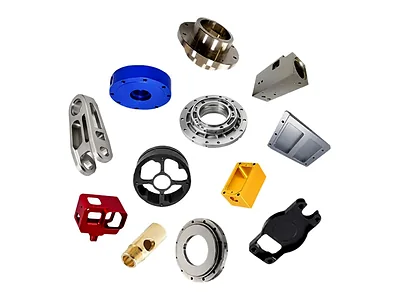
Medical Device Housings & Enclosures
Suitable for monitoring equipment, controllers, and instrument housings. Focus on internal cavities, mounting holes, threaded holes, steps, and sealing grooves.
Examples: Monitor covers, sensor housings
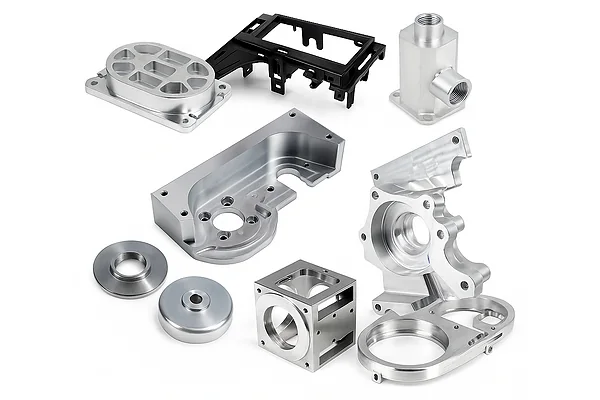
Diagnostic Equipment Components
Suitable for analytical devices and precision diagnostic mechanisms. Focus on hole position relationships, assembly dimensions, flatness, and repeatability.
Examples: Analyzer chassis, optical mounts
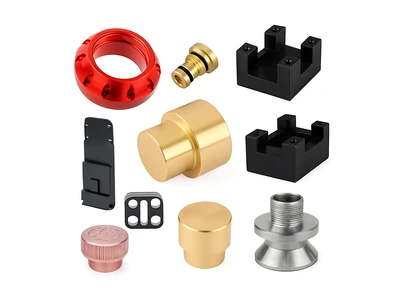
Medical Sensor & Monitoring Components
Suitable for sensor housings and small monitoring structures. Focus on miniature precision ODs, IDs, steps, grooves, and concentricity.
Examples: Probe bodies, sensor caps
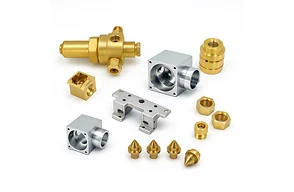
Medical Fluid Control Components
Suitable for spools, sleeves, nozzles, and pump parts. Focus on small holes, flow channels, sealing surfaces, internal threads, burrs, and cleaning.
Examples: Valve bodies, micro-pump parts
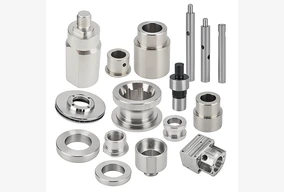
Medical Precision Shafts, Pins & Sleeves
Suitable for precision shafts, pins, bushings, and sleeves in medical equipment. Focus on OD/ID, concentricity, grooves, threads, and batch consistency.
Examples: Drive shafts, guide pins
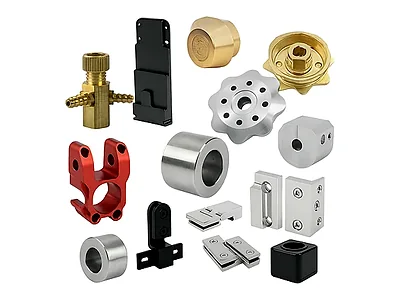
Medical Connectors, Fittings & Adapters
Suitable for joints and adapters in medical instruments and fluid systems. Focus on threads, small holes, chamfers, and sealing fits.
Examples: Luer locks, custom adapters
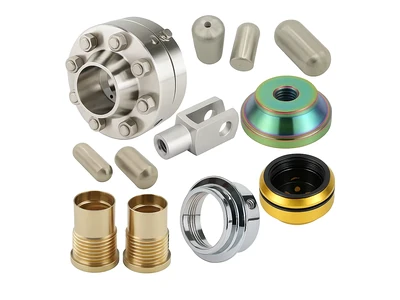
Respiratory & Ventilator Components
Suitable for valves, joints, housings, and small structural parts in respiratory equipment and ventilation systems.
Examples: Valve blocks, flow connectors
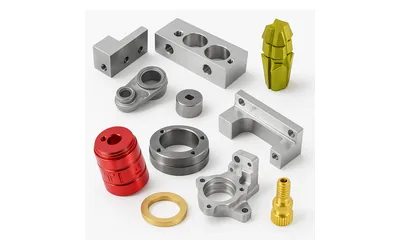
Laboratory & Medical Imaging Components
Suitable for supports, locators, housings, and precision structural parts in lab analysis and imaging equipment. Focus on positioning stability.
Examples: Optical stages, detector housings
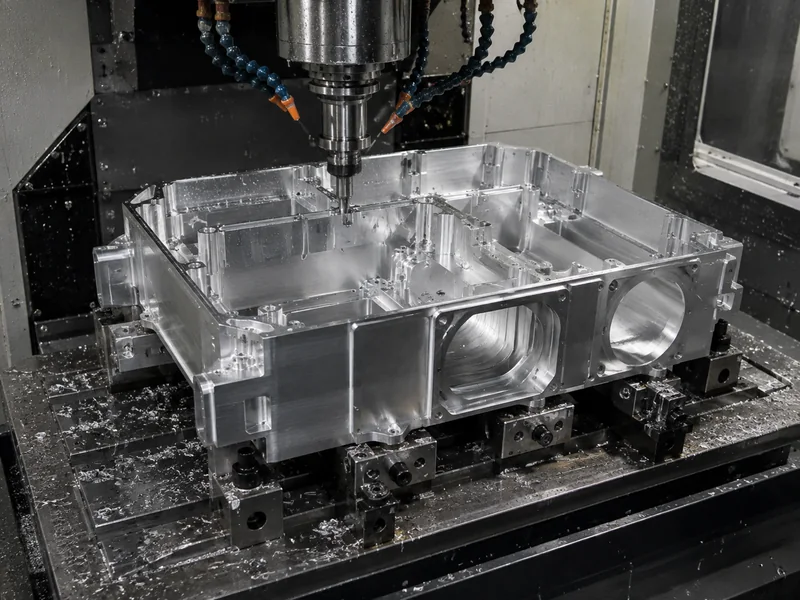
Housings and Enclosures for Medical Equipment Components
Machining medical device housings requires strict control over internal features and sealing surfaces. Whether it is a sensor housing, instrument housing, controller enclosure, or monitor cover, fit-sensitive assembly structures must be exact.
- ✓ Complex internal cavities machined to drawing specs
- ✓ Precise mounting holes and threaded features
- ✓ Strictly controlled sealing surfaces and grooves
From Precision Shafts to Fluid-Control Components
Beyond enclosures, our CNC machining services cover critical internal mechanisms where dimensions dictate performance.
Diagnostic Equipment Components
Ensuring precise hole position relationships and assembly dimensions for analytical devices.
Sensor & Monitoring Parts
Focusing on miniature precision ODs, IDs, and concentricity for probe components.
Fluid Control Components
Controlling small holes, flow channels, and sealing surfaces for valves and pumps.
Precision Shafts & Sleeves
Maintaining OD/ID tolerances and concentricity across repeat production batches.
Connectors & Adapters
Machining accurate threads and chamfers for secure fluid and system connections.
Respiratory & Lab Components
Providing structural and valve components for ventilation and laboratory imaging systems.
Where These CNC Medical Parts Are Used
Our machined components integrate seamlessly into various industrial medical equipment assemblies.
Diagnostic Equipment
Monitoring Devices
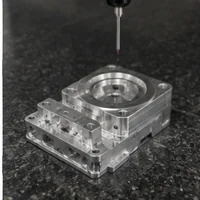
Sensor Modules
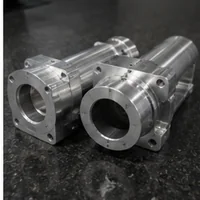
Respiratory Equipment
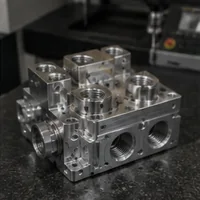
Fluid-control Systems
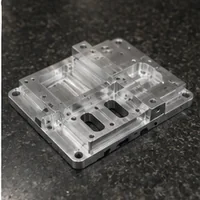
Laboratory Equipment
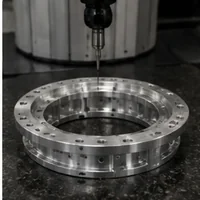
Imaging Equipment
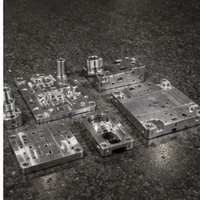
Instrument Assemblies
Machining Processes for Custom Medical Components
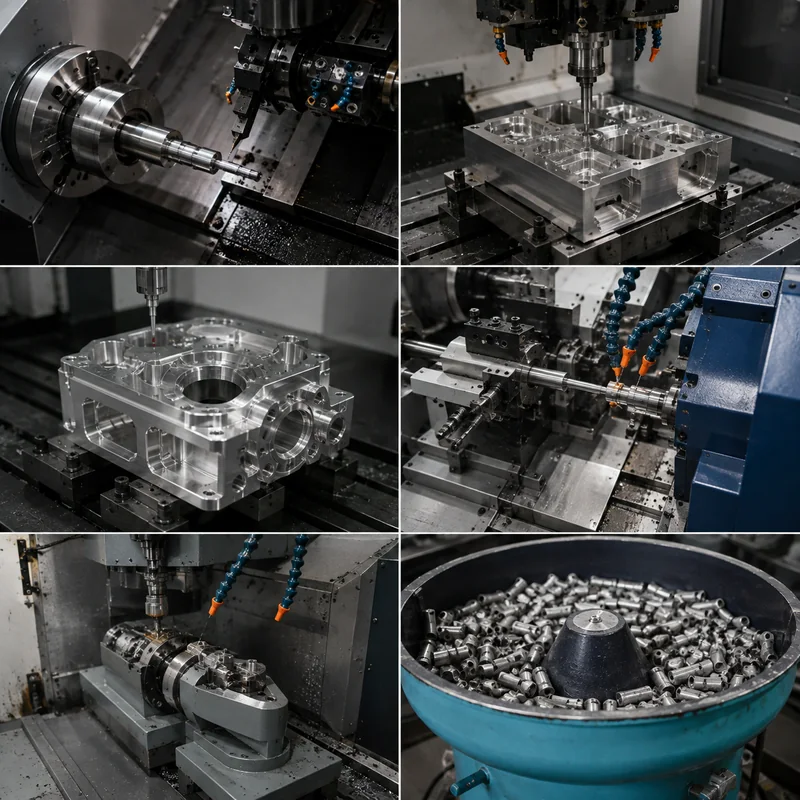
The manufacturing process is selected after reviewing your part's geometry, feature type, required quantity, and inspection priorities. We utilize a range of CNC technologies to meet drawing specifications.
CNC Turning
CNC Milling
Swiss CNC Machining
Automatic Lathe
Turn-Mill Support
Deburring & Finish
Material and Finish Selection for Medical Equipment Components
Final material choice must match the intended medical-device environment. Common materials may include stainless steel, aluminum, brass, copper, and selected plastics according to project needs.
Environmental & Functional Considerations
- Customers must consider cleaning agents, humidity, corrosion resistance, and repeated service conditions.
- Surface finishes (anodizing, passivation, etc.) must be reviewed together with functional dimensions to ensure fit is not compromised.
- Note: We machine to your drawing specifications. We do not provide implant-grade approval, biocompatibility certification, or sterilization validation by default.
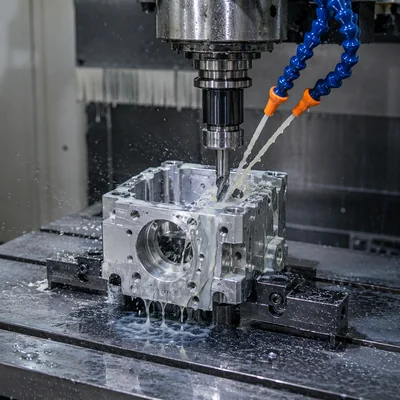
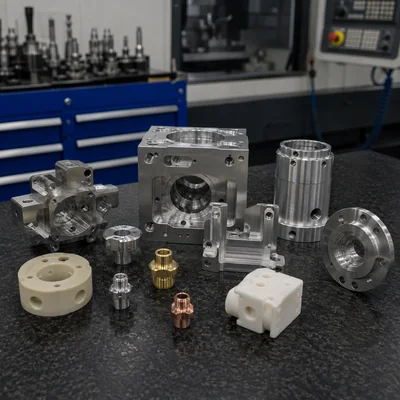
Why Medical CNC Parts Often Fail in Real Assemblies
Identifying common manufacturing risks before production begins.
Critical dimensions drift
Medical device cannot assemble correctly.
Unstable hole positions
Concentricity or locating relationships fail.
Burrs remain
Damages seals, wires or precision components.
Contamination
Chips or oil remain inside the medical device.
Deep cavity cleaning
Internal channels are difficult to clean thoroughly.
Inconsistent sealing faces
Causes leakage or unstable flow.
Thin-wall deformation
Miniature structures warp during machining.
Unclear documentation
Material batch files fail customer requirements.
Finish mismatch
Surface doesn't match intended cleaning environment.
Batch quality drifts
Prototypes pass, but repeat production varies.
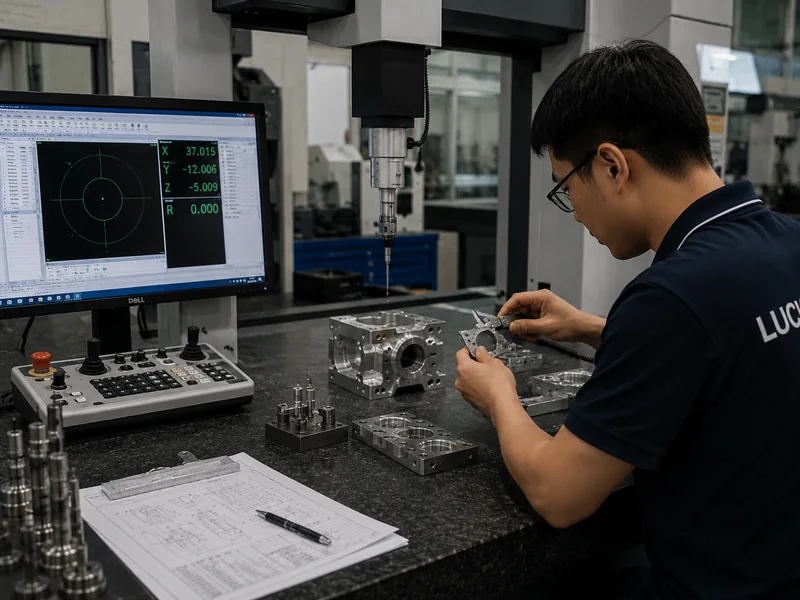
Critical Features Don’t Fit
The Challenge
When critical dimension deviations occur, the medical device cannot assemble correctly. This leads to mechanism jamming, positioning shifts, or severe diagnostic accuracy risks in the final equipment.
Why It Happens
- ID / OD drift during machining
- Step or shoulder size variation
- Hole position error
- Poor flatness or tolerance stack issues
How LuckyHxs Helps
- Review critical features during drawing review
- Identify fit-critical dimensions early
- Inspect key bores, ODs, and mounting features
- Verify prototype parts before repeat orders
What We Check Before Shipment
ID / OD, hole positions where specified, step dimensions, critical assembly surfaces, and general fit-related features based on your drawing.
Burrs & Contamination Remain
The Challenge
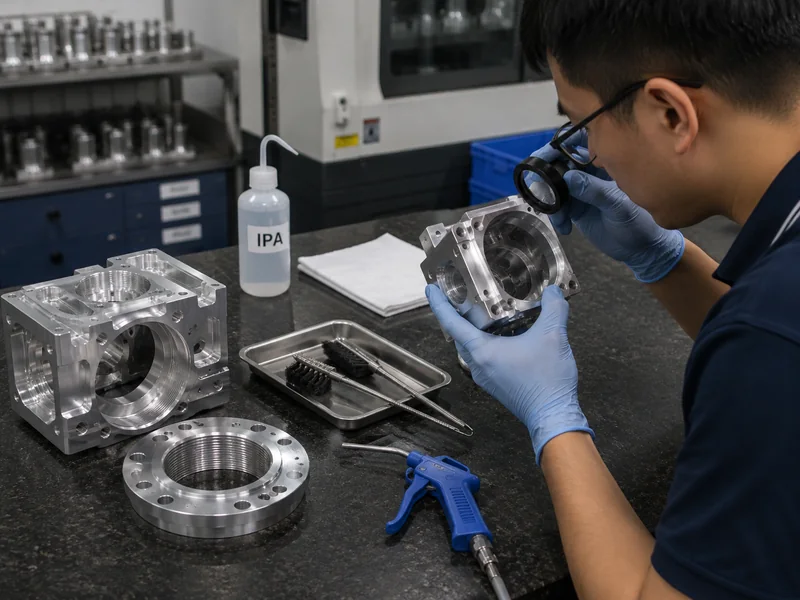
Burrs, chips, oil, and particle residues are not removed completely. This can damage seals, sever delicate wires, or compromise the internal reliability of valves and sensors.
Why It Happens
- Complex cross holes and micro bores
- Internal threads and narrow passages
- Deep cavities trapping debris
- Insufficient post-machining cleaning processes
How LuckyHxs Helps
- Review burr-sensitive features before machining
- Apply specific deburring attention to small passages
- Coordinate cleaning checks according to part structure
- Inspect visible burrs and machining residue before shipment
What We Check Before Shipment
Visible burrs, threaded areas, bore entries, chips in internal features, surface cleanliness, and packaging cleanliness awareness.
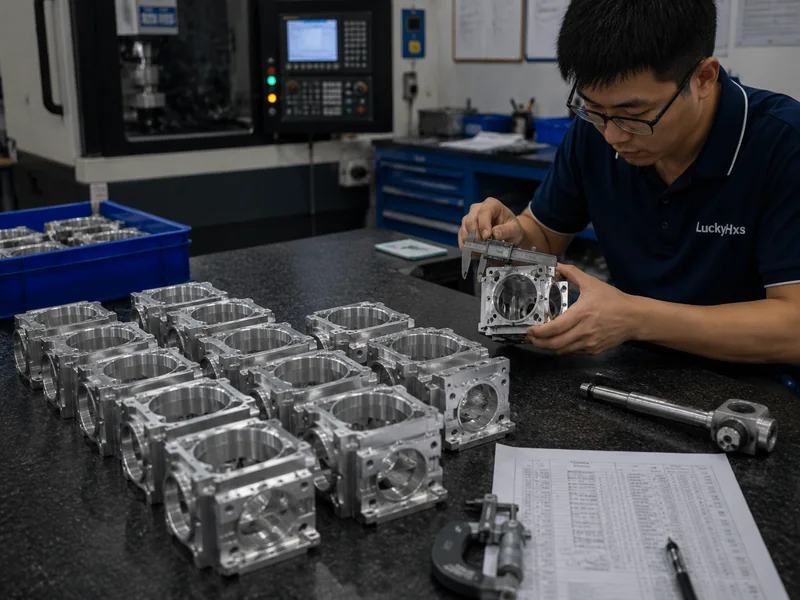
Sample-to-Batch Quality Drifts
The Challenge
Prototypes pass inspection perfectly, but when repeat production begins, the batch experiences drifts in dimensions, bore sizes, surface condition, or burr control.
Why It Happens
- Tool wear during long runs
- Different setups or operators
- Inconsistent burr removal techniques
- Revision control issues or different material lots
How LuckyHxs Helps
- First-article review for every setup
- In-process checks during production
- Repeat-order requirement retention
- Review of critical dimensions before batch shipment
What We Check Before Shipment
Critical dimensions, visible surface condition, burr control, repeat-order consistency points, and finished-part appearance when required.
Additional Medical-Part Risks Worth Reviewing Early
Beyond the core challenges, we look out for these issues during drawing review.
Unstable Hole Positions
Affects assembly alignment.
Discuss tolerances early.
Incomplete Cleaning
Deep features trap debris.
Discuss internal geometries.
Sealing Inconsistency
Causes fluid leaks.
Discuss surface finish needs.
Thin-Wall Deformation
Parts warp under stress.
Discuss machining strategy.
Documentation Gaps
Material tracking fails.
Confirm cert requirements.
Environment Mismatch
Material degrades.
Confirm operating conditions.
Batch Drift
Inconsistent production.
Discuss inspection focus.
How We Review Medical Component Quality Before Shipment
A structured approach to ensure your machined components meet the drawing.
Drawing Review
Identifying key dimensions, bores, ODs, and shoulders.
Material Confirmation
Verifying raw material against project requirements.
First-Article Verification
Checking the initial setup before full production runs.
In-Process Checks
Monitoring tool wear and dimensional stability.
Burr & Cleaning Review
Reviewing burr-sensitive features and visible cleanliness.
Final Inspection
Checking threads, appearance (where required), and final sizes.
Packaging Protection
Ensuring parts are protected during transit to your facility.
Project Communication and Documentation Support
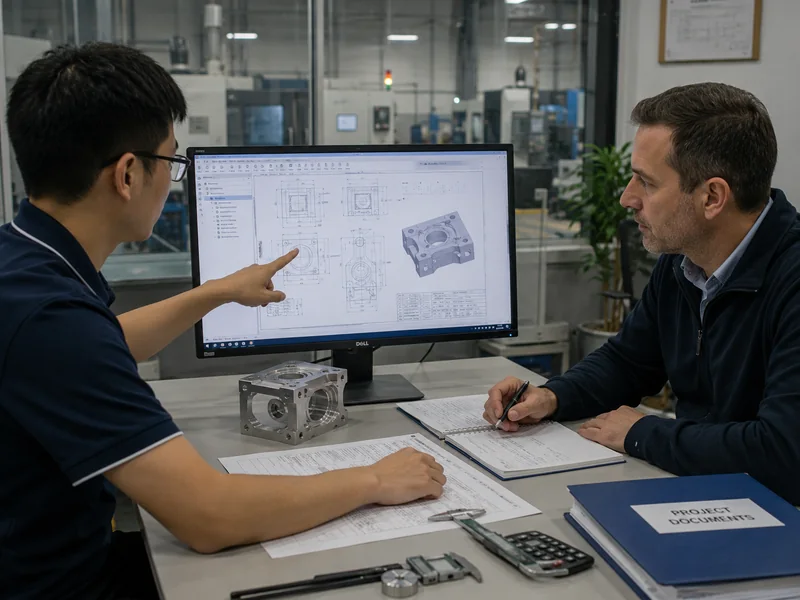
Clear communication prevents costly mistakes. We work with you to confirm drawing revisions, material requirements, quantity, and batch planning. Document support can be reviewed according to project requirements.
Note: We do not claim a complete medical regulatory documentation system by default. We provide manufacturing documentation based on agreed-upon drawing requirements.
Drawing Review
Material Review
Inspection Focus
Repeat Order Notes
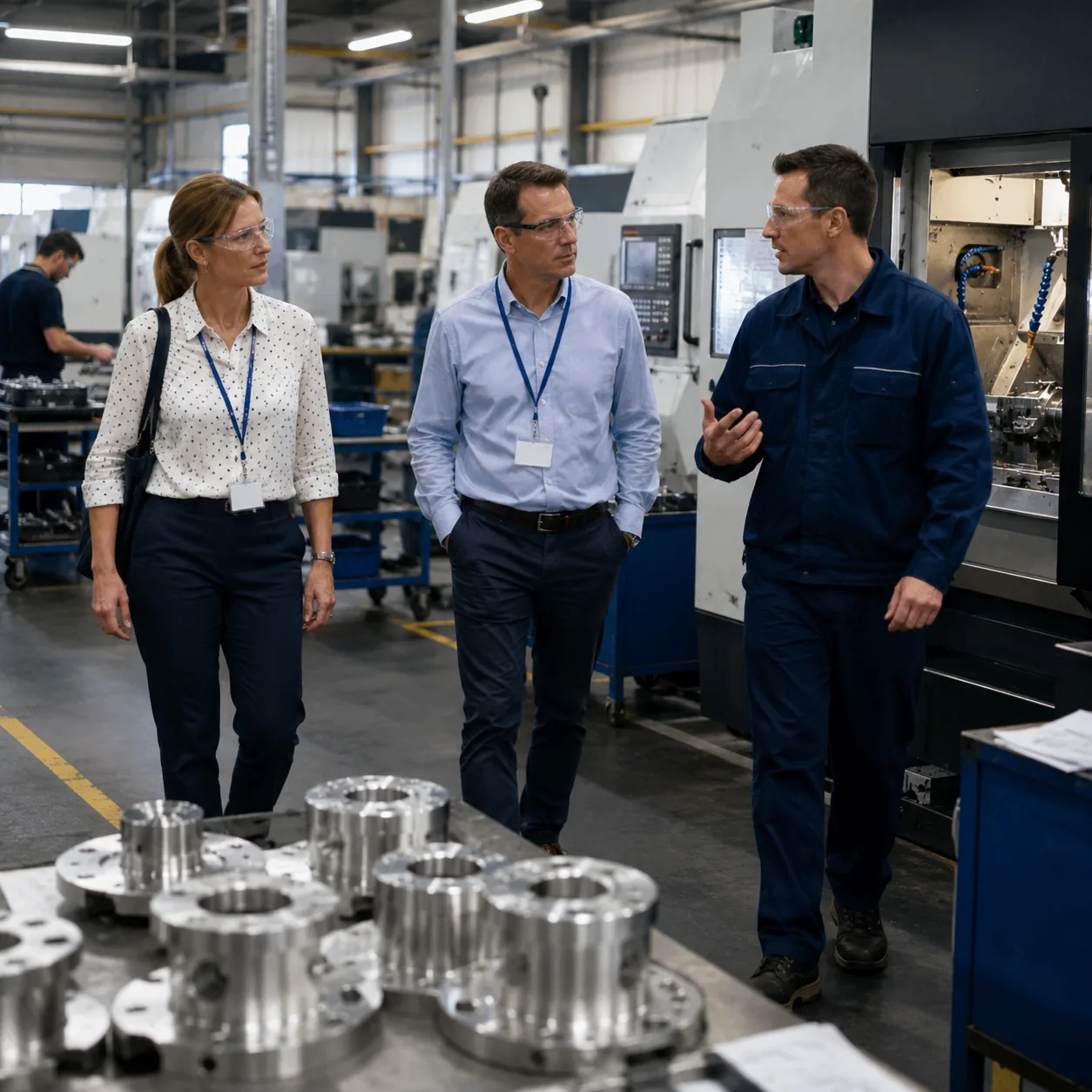
A Manufacturing Partner You Can Verify
What Is CNC in the Medical Industry?
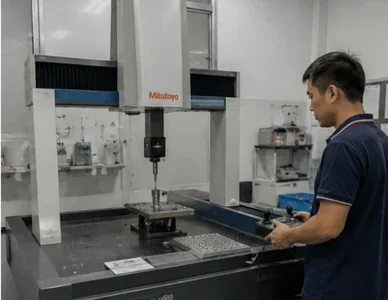
In the medical industry, CNC (Computer Numerical Control) machining refers to the automated manufacturing process used to create precise metal and plastic components for medical equipment. While people often associate medical manufacturing with complete, sterilized devices (like pacemakers or surgical tools), a massive segment involves machining the critical internal components—such as housings, fluid-control valves, diagnostic structural parts, and sensor enclosures—that make these larger machines function.
Machining is heavily utilized for medical equipment parts because it offers unparalleled accuracy, repeatability, and the ability to work with tough materials like stainless steel and specialized alloys. There is a distinct difference between a complete medical device manufacturer and a CNC component manufacturer. A component manufacturer, like LuckyHxs, focuses strictly on producing parts to the exact specifications of a customer's engineering drawing, ensuring that the part fits perfectly into the final assembly.
Examples of medical parts made by CNC include respiratory valve blocks, diagnostic equipment chassis, precision shafts for monitoring devices, and complex fluid connectors. For these parts, fit, burr control, and batch consistency are paramount. Even a microscopic burr or a slight dimensional drift can cause a diagnostic machine to fail or a fluid line to leak. Common CNC processes used include turning, milling, and Swiss machining, all selected based on the part's geometry. Ultimately, the success of these components relies heavily on precise drawings and clear inspection priorities established before production begins.
How Much Does a Custom CNC Medical Part Cost?
There is no single fixed price for a custom CNC medical part because every component is uniquely machined to a specific customer drawing. The cost is driven by several intersecting factors rather than a standard catalog price. Material selection plays a significant role; standard aluminum is generally more cost-effective than specialized stainless steels or medical-grade plastics, which can be harder to machine and source.
Beyond material, the primary cost drivers are geometry complexity, part size, and tolerances. A simple cylindrical shaft will cost significantly less than a multi-axis fluid control housing with deep internal cavities and tight concentricity requirements. Furthermore, medical parts often cost more than general industrial parts due to stringent burr control, extensive cleaning requirements, and higher inspection expectations. Removing microscopic burrs from internal cross-holes requires specialized tooling and extra time, which adds to the final unit price.
Quantity also drastically affects pricing. Prototype runs are more expensive per unit because the setup, programming, and first-article inspection costs are distributed over just a few parts. In repeat production, these initial costs are amortized, lowering the unit price. To get an accurate cost, customers must provide 2D/3D drawings, material requirements, surface finish needs, and batch quantities so the manufacturer can conduct a proper pricing review based on actual engineering data.
How Long Does It Take to CNC a Medical Part?
The lead time for machining a custom medical part depends heavily on the complexity of the geometry and the required order quantity. A standard prototype run might take a few weeks, while a large-scale repeat production order requires more extensive scheduling. The timing logic shifts between prototypes and production: prototypes require new programming, tooling setup, and initial troubleshooting, whereas repeat orders benefit from established processes but take longer simply due to volume.
Material sourcing can also significantly impact the schedule. While common alloys are readily available, specific grades required for certain medical equipment environments might have longer procurement times. Additionally, the machining process itself is only one part of the timeline. Inspection and finishing play a massive role. Burr-sensitive or cleaning-sensitive parts, such as fluid control valves or sensor housings, may need additional manual deburring, ultrasonic cleaning, and rigorous microscopic inspection, adding days to the turnaround time.
Finally, documentation review and engineering communication can affect the schedule. If drawings lack clarity regarding critical dimensions, tolerances, or surface finishes, the manufacturer must pause to clarify these details. Early, clear engineering communication and providing comprehensive drawing packages upfront are the most effective ways to reduce delays and ensure your medical components are delivered on time.
Frequently Asked Questions About CNC Medical Parts Manufacturing
Can you machine custom medical parts from our drawings?
What types of medical parts do you focus on?
Do you manufacture complete medical devices?
What materials can be used for medical equipment components?
How do you control burrs and visible contamination?
Can you support prototype and repeat production orders?
Can you review material and inspection documents for our project?
What information do you need for a quotation?
Need CNC Medical Parts Built Around Your Drawings?
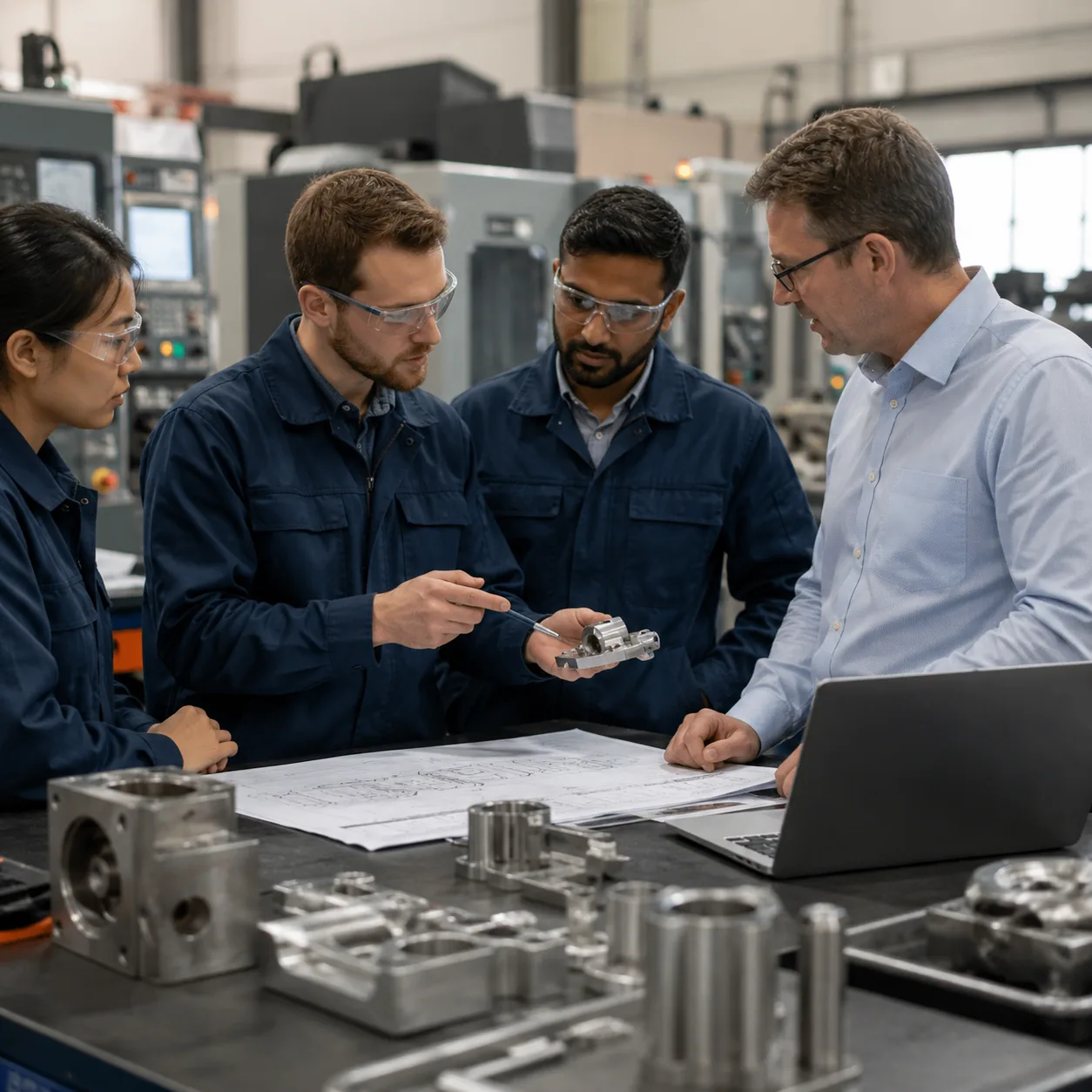
Invite our engineering team to review your project. Please send us your 2D/3D drawings, material requirements, quantity, application information, key dimensions, and surface-finish expectations.
What Our Engineers Review
- Critical dimensions, fits and tolerance stack-up
- Material, surface finish and cleaning requirements
- Burr-sensitive holes, threads and internal features
- Prototype, inspection and repeat-production requirements
Helpful files: PDF, STEP, STP, IGES, DWG or DXF
Email Us
admin1@lucky-hxs.com