
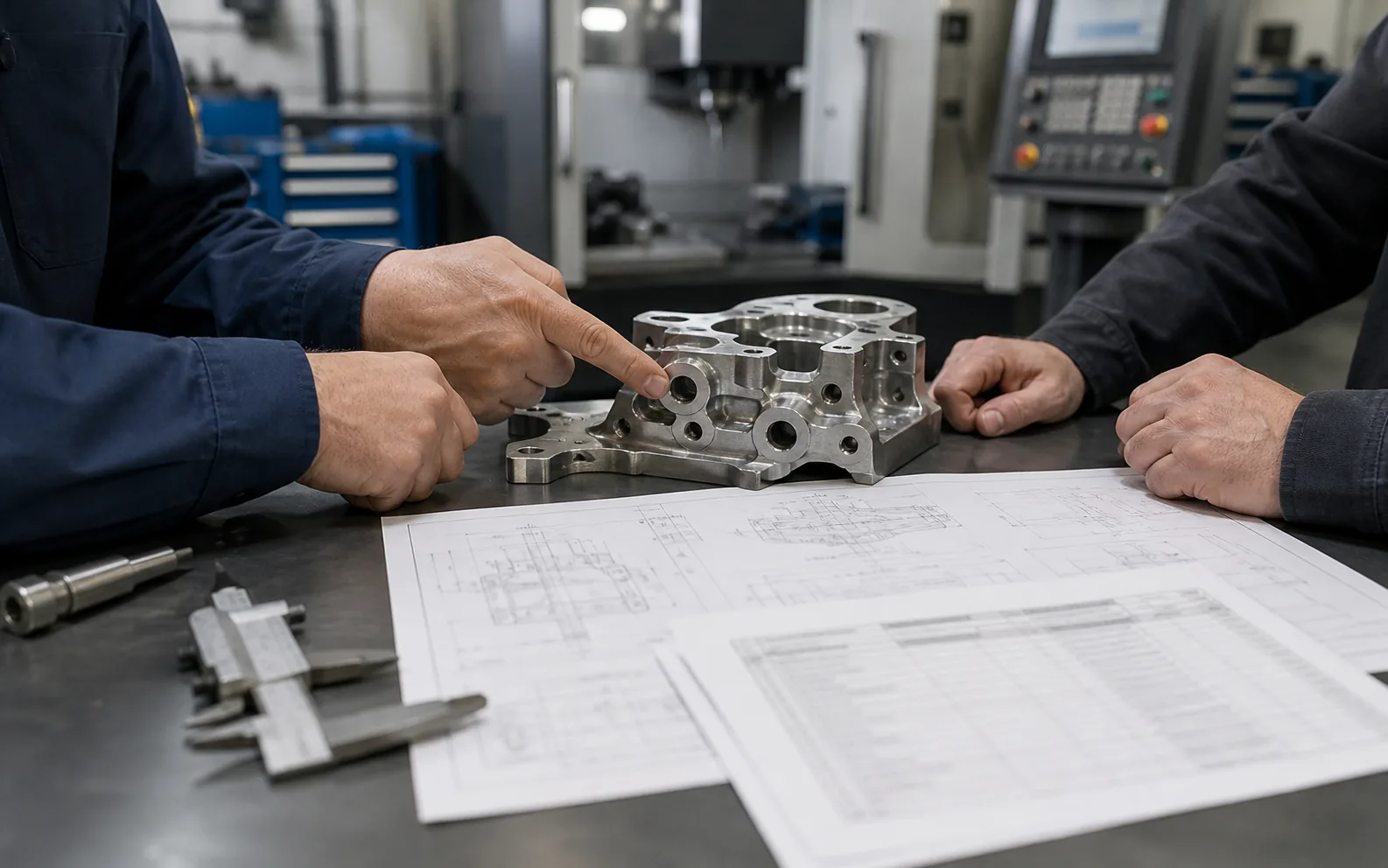
When buyers source CNC machining parts, the first questions are usually about drawings, materials, tolerances, samples, lead time, cost, inspection, and repeat production.
Custom CNC machining is used to produce metal and plastic components from 2D drawings, 3D files, physical samples, or application requirements. These parts may include shafts, bushings, sleeves, brackets, housings, threaded inserts, connectors, fittings, and other non-standard industrial components.
This CNC machining FAQ answers 15 common questions buyers ask before ordering custom CNC machining parts, CNC machined parts, precision CNC machined parts, and custom CNC machined parts for prototype or batch production.
Q1. What is Custom CNC machining?
Custom CNC machining is a subtractive manufacturing process that uses CNC turning, CNC milling, Swiss machining, or turn-mill machining to produce parts according to customer drawings or samples.
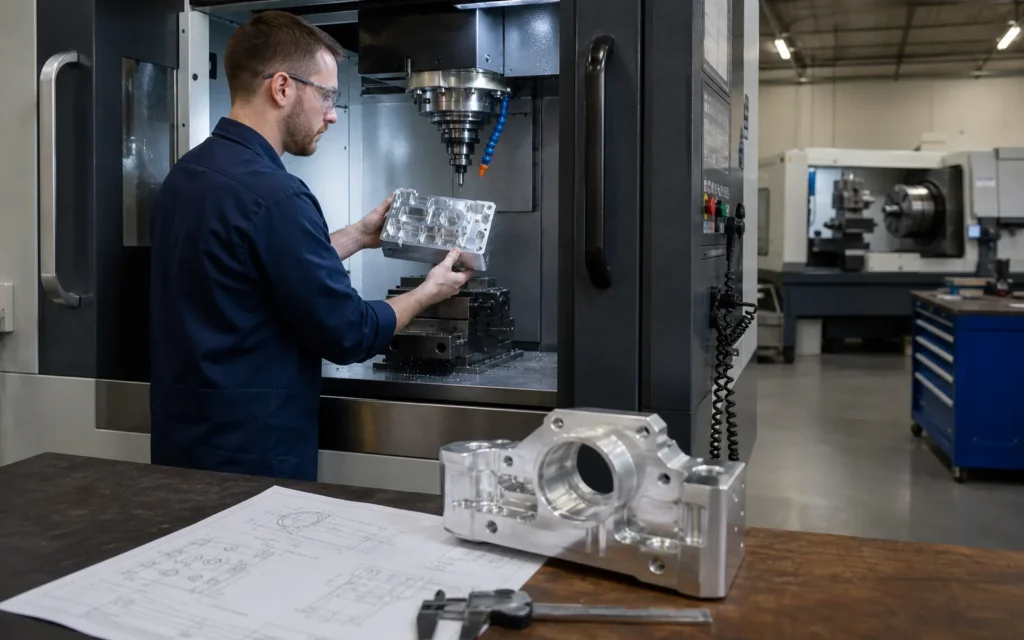
It is commonly used for CNC machining parts that require accurate dimensions, stable repeatability, and specific material or surface finish requirements. Compared with standard off-the-shelf components, custom CNC machined parts are made for a specific product, assembly, or industrial application.
Q2. What types of CNC machining parts can be made?
CNC machining can produce a wide range of metal and plastic parts. Common CNC machining parts include precision shafts, pins, bushings, sleeves, brackets, housings, flanges, threaded inserts, nuts, connectors, fittings, spacers, and non-standard OEM parts.
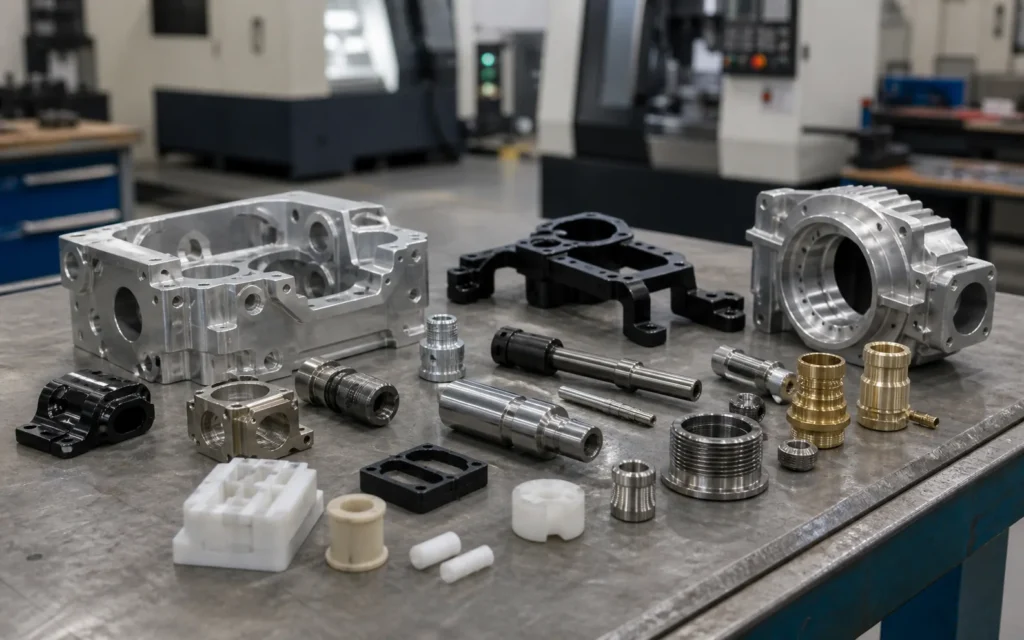
Round or cylindrical parts are usually made by CNC turning, while brackets, housings, plates, and complex structural parts are usually made by CNC milling. Some precision CNC machined parts may require Swiss machining or turn-mill machining when the design includes small diameters, cross holes, milled flats, or complex features.
Common CNC Machining Parts and Suitable Processes
| Part Type | Suitable Process | Common Materials |
|---|---|---|
| Shafts / Pins | CNC Turning / Swiss Machining | Stainless steel, aluminum, brass |
| Bushings / Sleeves | CNC Turning | Brass, stainless steel, POM |
| Brackets / Housings | CNC Milling | Aluminum, stainless steel |
| Threaded Inserts | CNC Turning / Automatic Lathe | Brass, stainless steel |
| Complex Components | Turn-Mill Machining | Aluminum, steel, brass |
Q3. What information is needed for a CNC machining quote?
For an accurate CNC machining quote, buyers should provide 2D or 3D drawings, material grade, quantity, tolerance requirements, surface finish, and application details.
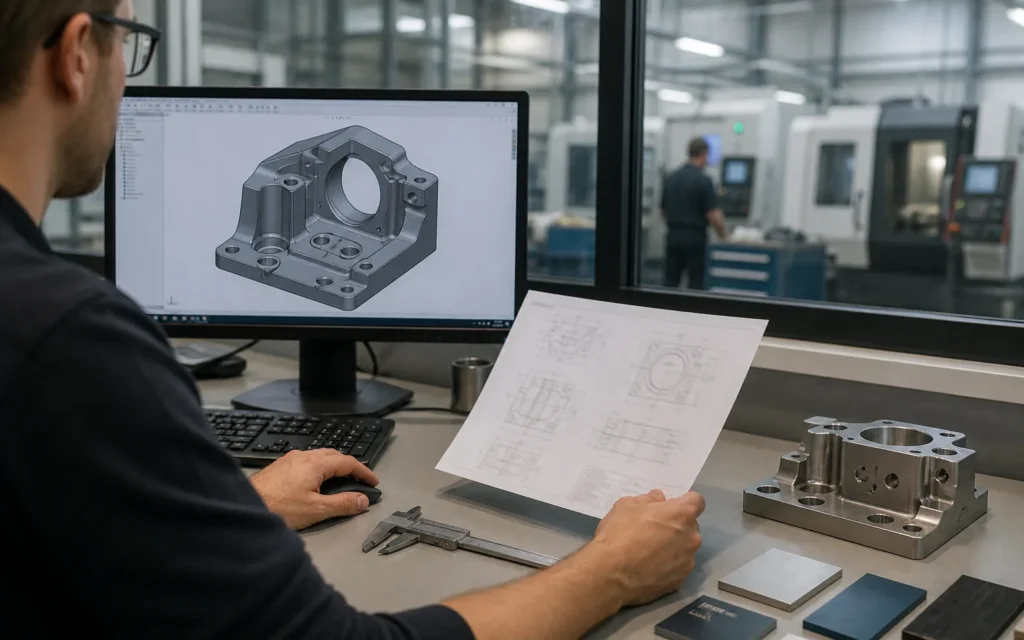
For custom CNC machining parts, it is also helpful to mark critical dimensions, threaded areas, assembly surfaces, appearance requirements, and inspection requirements. If drawings are not available, samples, photos, sketches, or key dimensions can be used for preliminary evaluation.
Q4. Can you make CNC machined parts without drawings?
Yes, a preliminary review may be possible without complete drawings. Buyers can provide physical samples, product photos, sketches, or key dimensions for initial discussion.
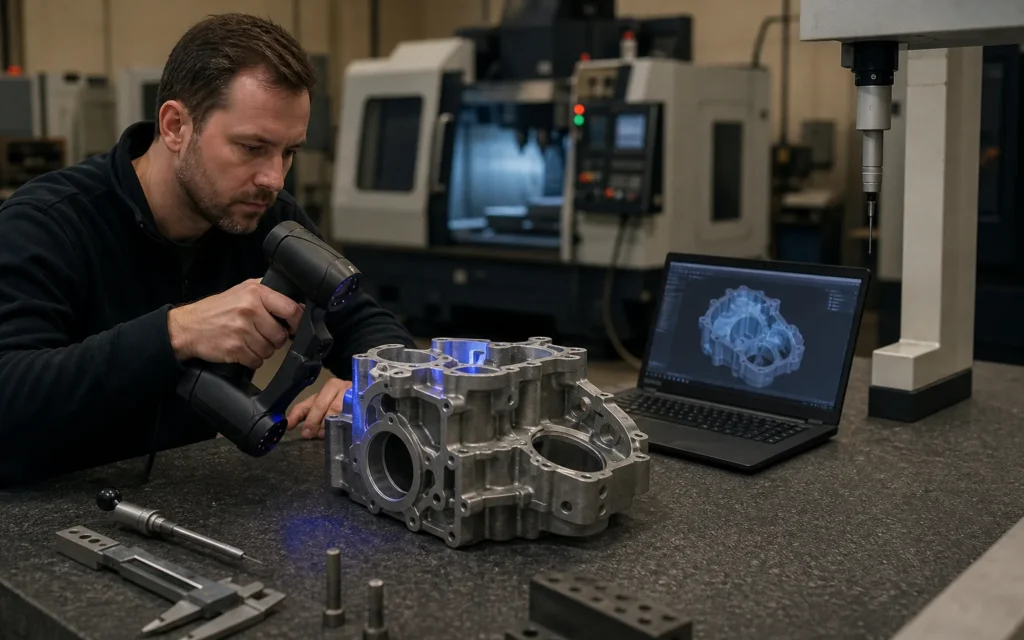
However, for accurate quotation and production, technical drawings are strongly recommended. Custom CNC machined parts usually need clear dimensions, tolerances, material requirements, surface finish, and functional details before machining begins.
Q5. What file formats are accepted for CNC machining projects?
Common file formats include PDF, STEP, STP, IGES, IGS, DWG, DXF, and other 2D or 3D engineering files.
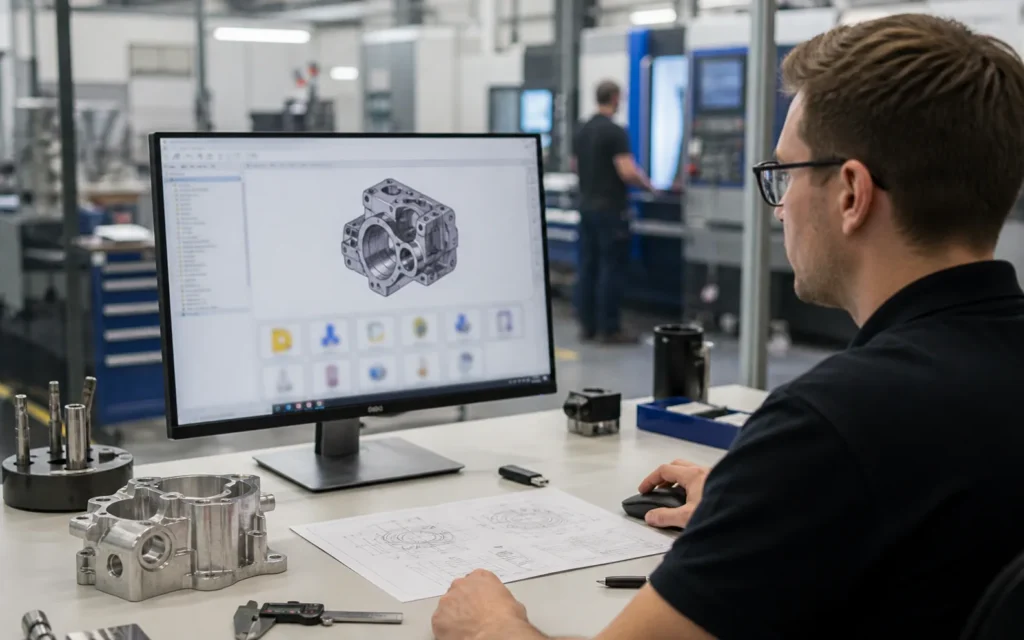
For precision CNC machined parts, 3D files help engineers understand the overall geometry, while 2D drawings are important for tolerances, threads, surface finish, material notes, and inspection requirements.
Q6. What materials can be used for CNC machined parts?
Common materials for CNC machined parts include aluminum, stainless steel, brass, copper, free-machining steel, carbon steel, POM, PTFE, nylon, ABS, and other engineering plastics.
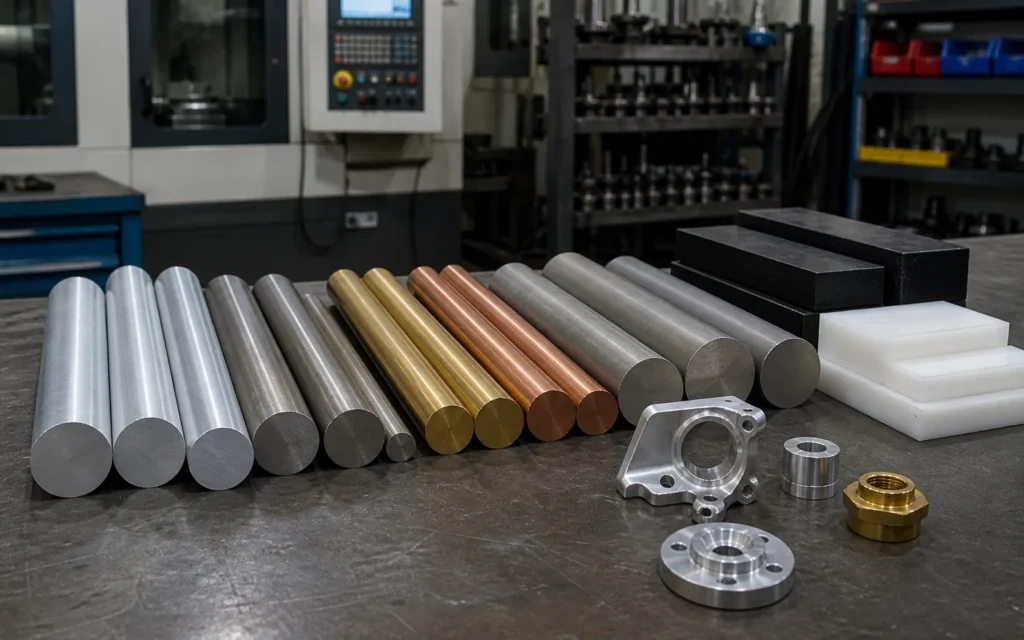
Material selection depends on strength, corrosion resistance, weight, conductivity, friction, machinability, surface finish, and final application. For example, aluminum is often used for lightweight custom CNC machining parts, stainless steel for strength and corrosion resistance, brass and copper for conductive or threaded components, and engineering plastics for insulation or low-friction parts.
Q7. What tolerances can CNC machining achieve?
CNC machining tolerance depends on part geometry, material, size, wall thickness, machining process, clamping method, tool access, and inspection requirements.
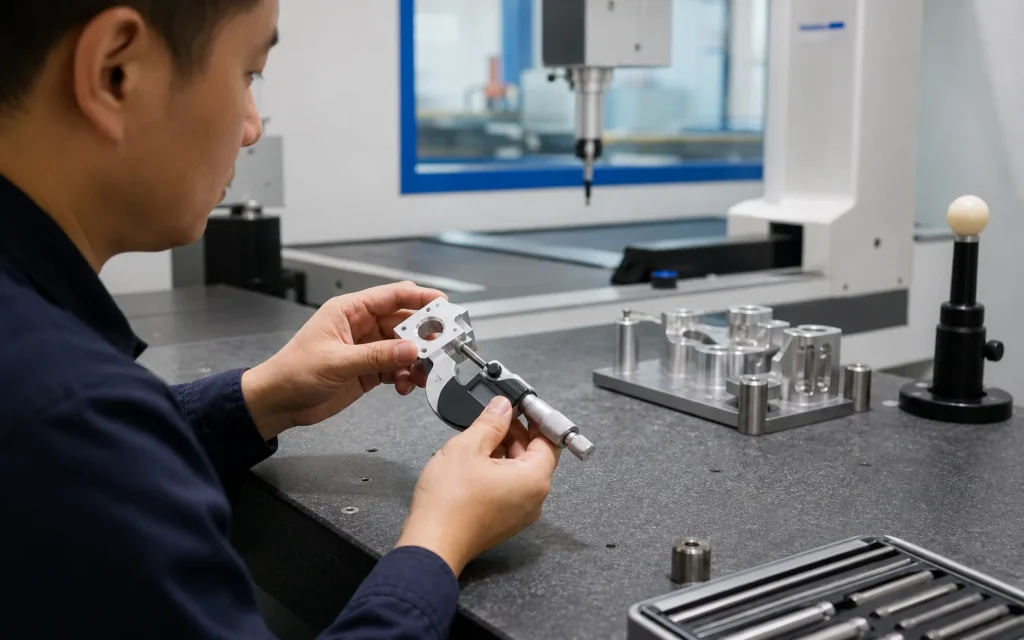
For suitable precision CNC machined parts, tolerance control can reach ±0.01mm depending on the project. Buyers should clearly mark critical dimensions such as hole positions, diameters, thread fit, flatness, concentricity, runout, and mating surfaces on the drawing.
Q8. Why should not every dimension use tight tolerance?
Applying tight tolerance to every dimension can increase machining difficulty, inspection time, and production cost.
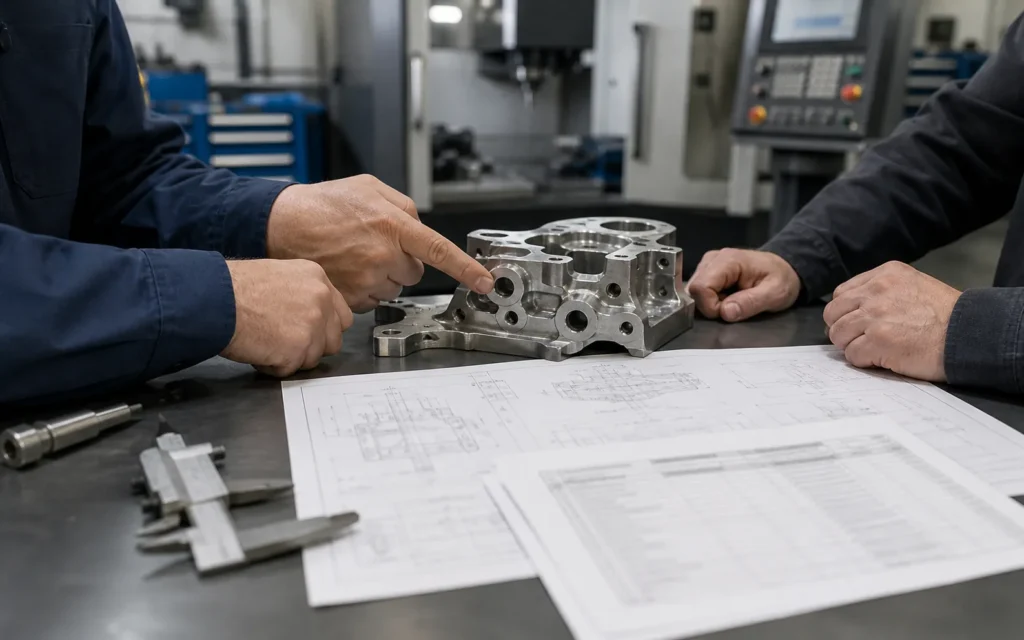
For custom CNC machining parts, tight tolerances should be used mainly on functional or assembly-critical dimensions. Non-critical areas can usually use standard tolerances to improve machining efficiency and cost control.
Q9. Can you provide samples before batch production?
Yes. Samples or prototypes can be produced before batch production to verify dimensions, material, surface finish, thread fit, assembly performance, and critical features.
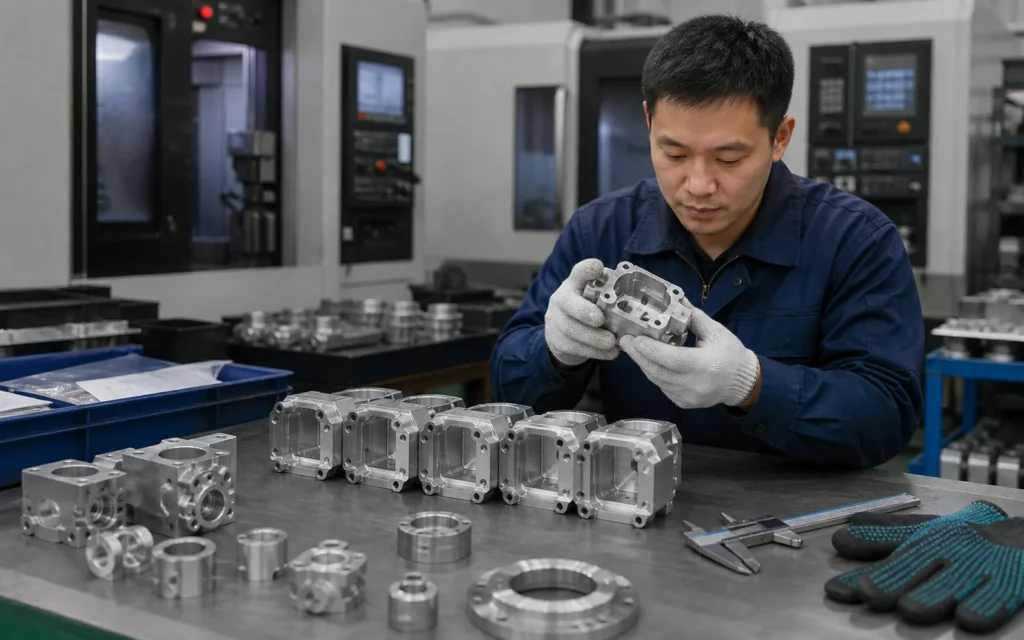
For custom CNC machined parts, sample validation is especially useful when the part has tight tolerances, complex geometry, special finishing, or important assembly requirements.
Q10. What affects the cost of custom CNC machining parts?
The cost of custom CNC machining parts is affected by material, part size, geometry, tolerance, machining time, setup, tooling, quantity, surface finish, inspection, packaging, and delivery requirements.
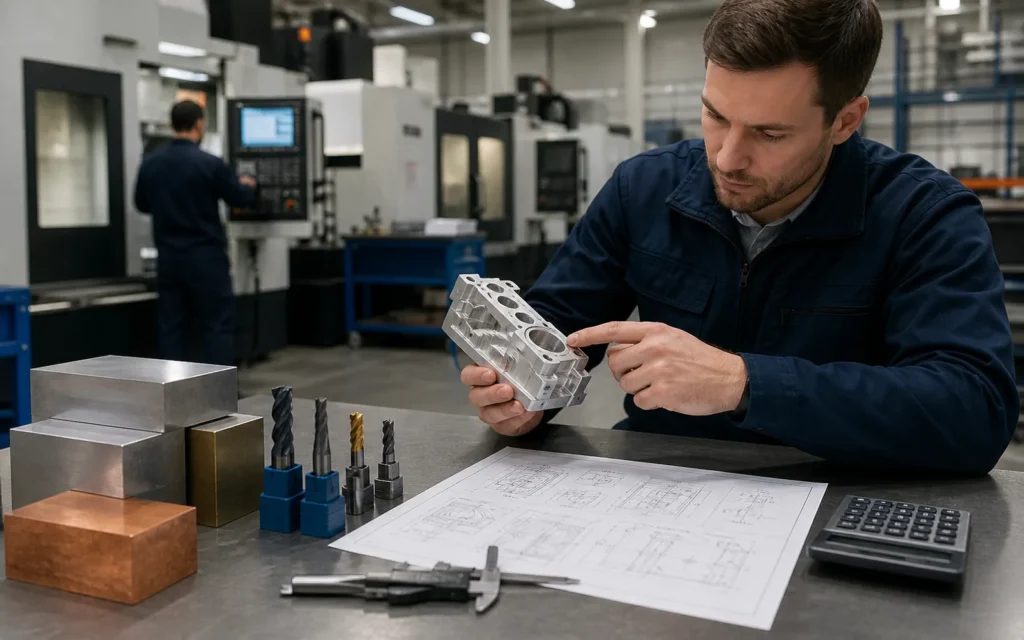
Simple parts with standard tolerances are usually easier to machine. Deep holes, thin walls, tight tolerances, complex internal features, multi-process machining, and special finishes may increase cost. For repeat orders, stable process planning and batch quantity can help reduce unit cost.
Main Cost Factors for Custom CNC Machining Parts
| Cost Factor | Why It Matters |
|---|---|
| Material | Affects machinability, tool wear and raw material cost |
| Tolerance | Tight tolerance increases machining and inspection time |
| Quantity | Higher quantity can reduce unit setup cost |
| Surface Finish | Anodizing, plating or polishing adds process steps |
| Geometry | Deep holes, thin walls and complex features increase difficulty |
Q11. How long does CNC machining production take?
Lead time depends on material availability, part complexity, quantity, tolerance, surface finish, inspection requirements, and production schedule.
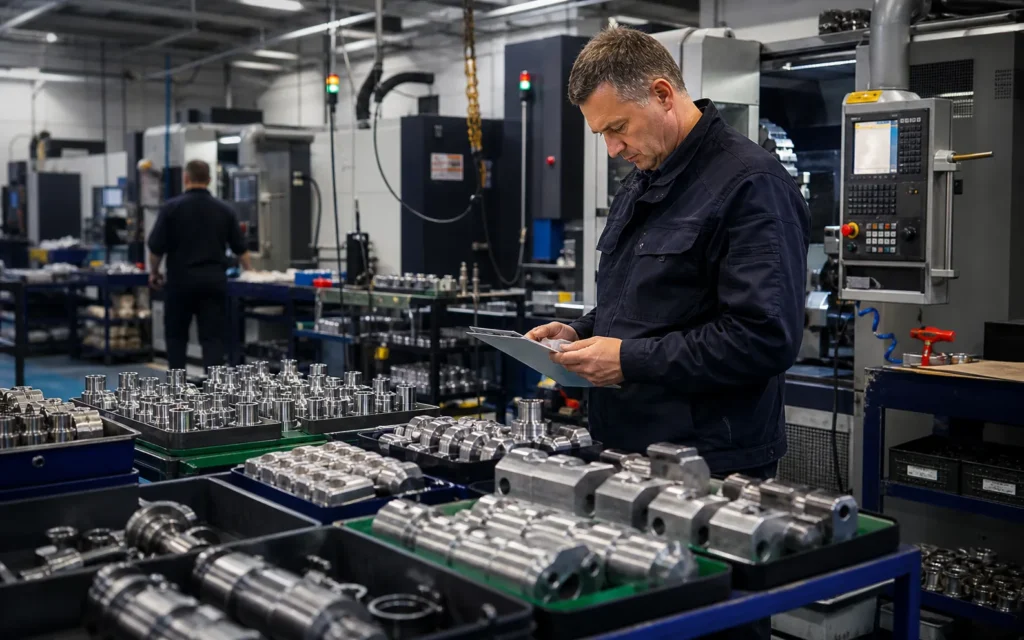
Prototype samples may take only a few days for suitable projects, while batch production requires additional time for material preparation, machining, inspection, surface treatment, packaging, and shipment. Buyers should confirm lead time during the RFQ stage.
Q12. What surface finishes are available for CNC machined parts?
Common surface finishes for CNC machined parts include anodizing, polishing, sandblasting, nickel plating, zinc plating, black oxide, passivation, and other treatments depending on material and application.
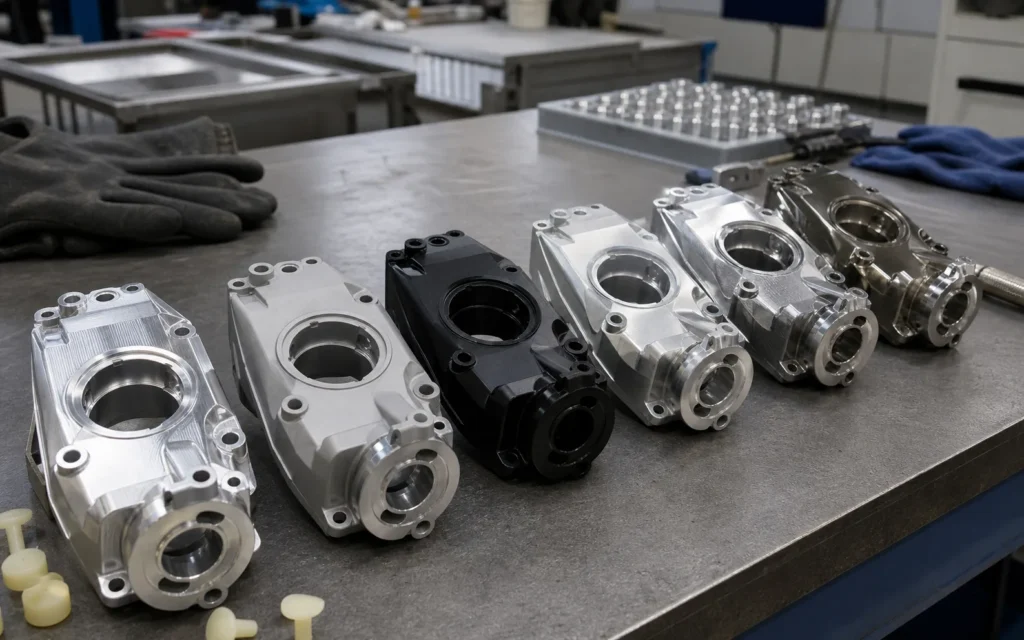
Surface finish should be confirmed before production because it may affect appearance, corrosion resistance, wear resistance, masking requirements, and critical dimensions.
Q13. How are precision CNC machined parts inspected?
Inspection usually starts with drawing review and critical dimension confirmation. During production, first article inspection, in-process dimensional checks, and final batch inspection help control quality.
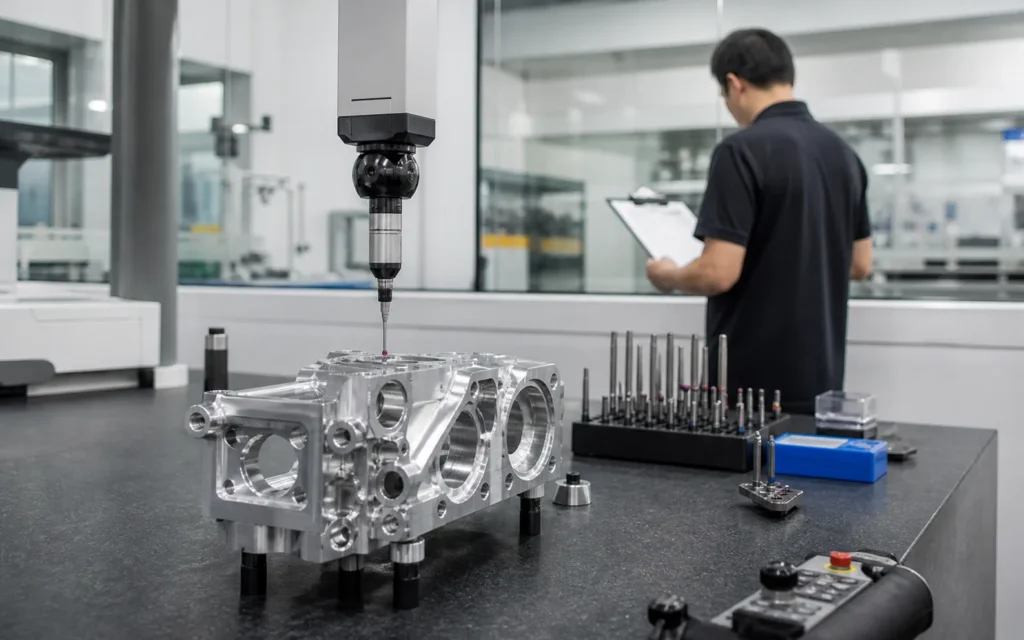
For precision CNC machined parts, inspection tools may include calipers, micrometers, height gauges, thread gauges, plug gauges, CMM, or other measuring equipment depending on part geometry and tolerance requirements.
Q14. How do you protect customer drawings and project files?
Customer drawings, CAD files, samples, and technical information should be treated as confidential project data.
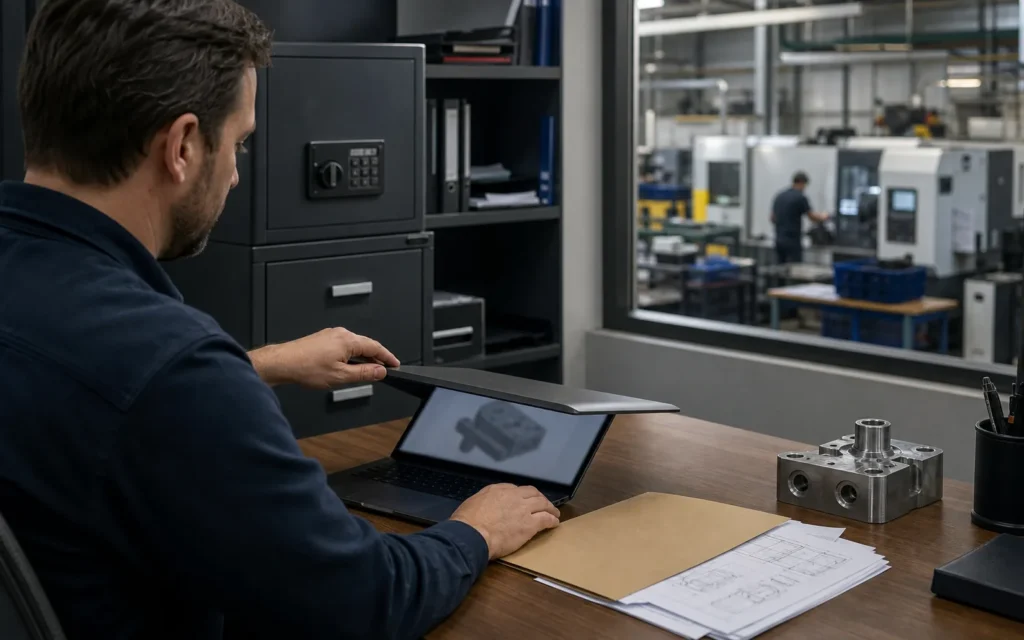
For OEM or custom CNC machining parts, an NDA can be signed before confidential files are shared. Buyers can also confirm file handling, internal access control, and project communication requirements before quotation.
Q15. How to choose a CNC machining parts manufacturer?
When choosing a CNC machining parts manufacturer, buyers should compare more than price. A reliable supplier should review drawings carefully, understand material properties, confirm critical tolerances, support sample validation, and provide inspection before shipment.
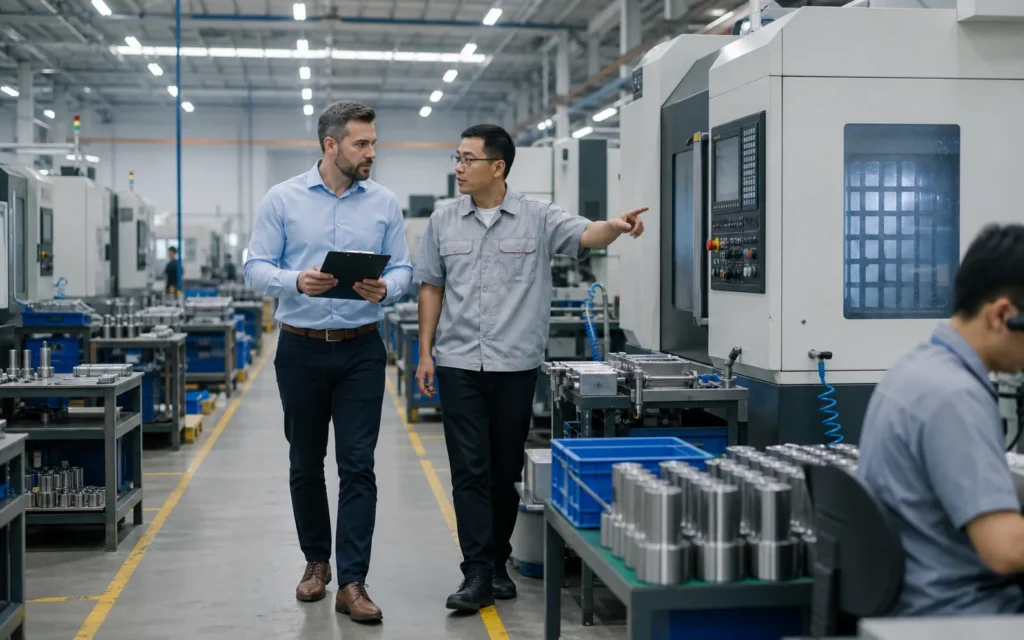
For custom CNC machining parts, direct engineering communication is important because small design details can affect machining feasibility, cost, and batch stability. Buyers should also check whether the supplier can support CNC turning, CNC milling, Swiss machining, turn-mill machining, surface finishing, and repeat production.
Conclusion
CNC machining is a flexible manufacturing process for producing custom metal and plastic parts from drawings, samples, or application requirements. For buyers, the most important points are material selection, tolerance control, sample validation, inspection, cost, lead time, and repeat production capability.
Whether you need CNC machining parts, custom CNC machining parts, CNC machined parts, precision CNC machined parts, or custom CNC machined parts for OEM projects, a clear drawing review before production can help reduce manufacturing risks.
LuckyHXS supports CNC turning, CNC milling, Swiss machining, turn-mill machining, and custom CNC machining for prototype samples and batch production. Send your drawings, material, quantity, tolerance, and surface finish requirements for project review.