
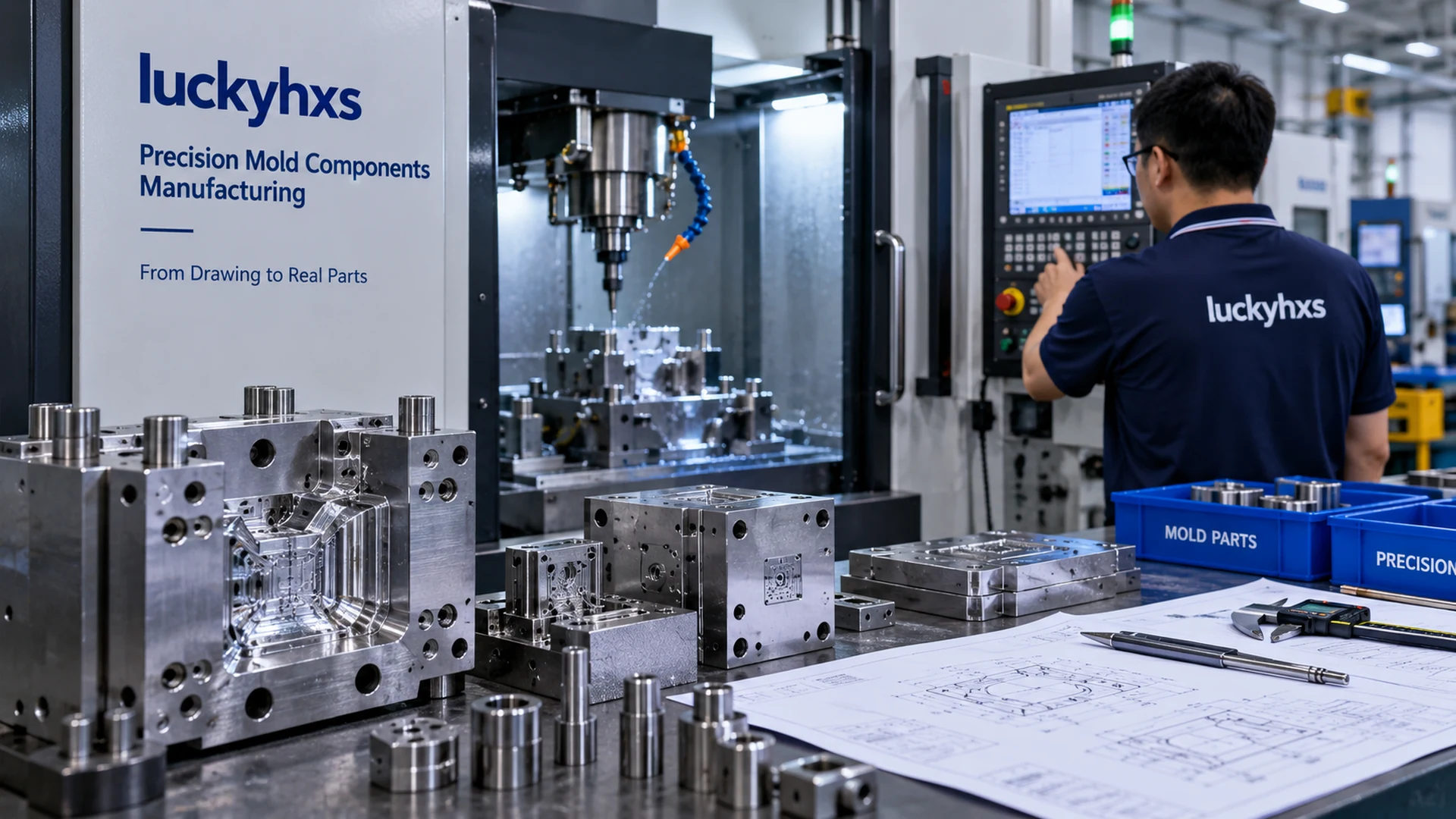
Custom Mold Parts Manufacturing for Precision Mold Components
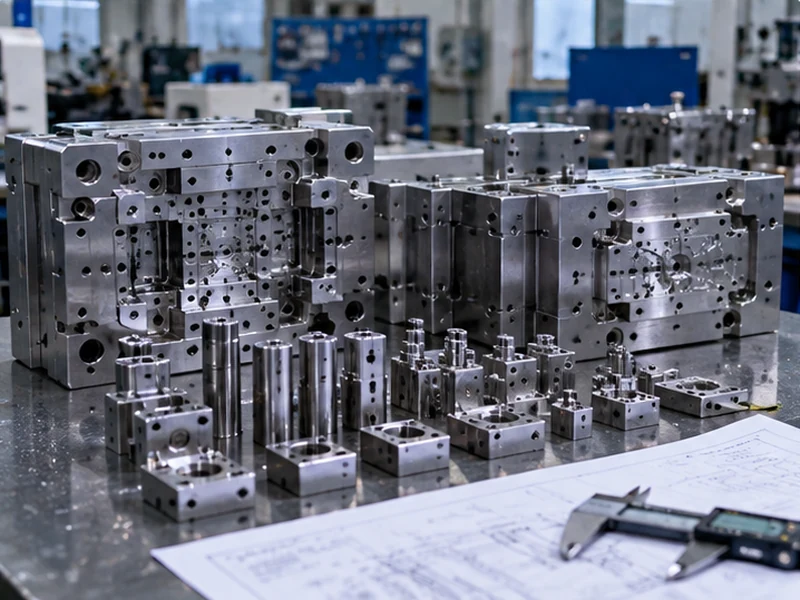
LuckyHXS manufactures drawing-based precision mold components including mold inserts, core pins, bushings and replacement parts with CNC turning, milling and Swiss machining capabilities. Precision CNC machined mold components built from your drawings, supporting mold makers and OEM manufacturers with reliable assembly fit.
- CNC Turning, Milling & Swiss Machining for complex geometries
- Functional Mold Geometry Control centered on datum relationships
- Prototype to Repeat Production with stable interchangeability
Precision Manufacturing Capability Behind Every Mold Component
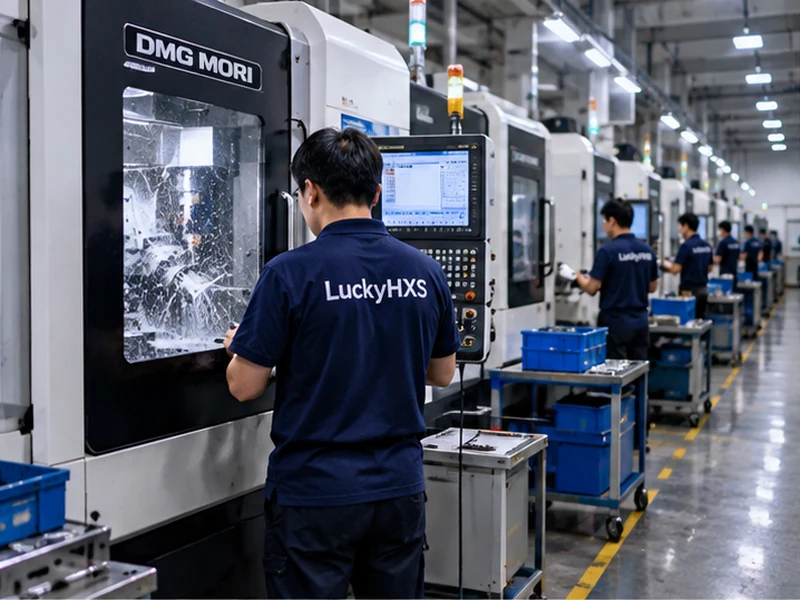
When you source custom mold parts, you are buying machining stability. Our facility is structured to deliver consistent geometry control across single replacements and production batches.
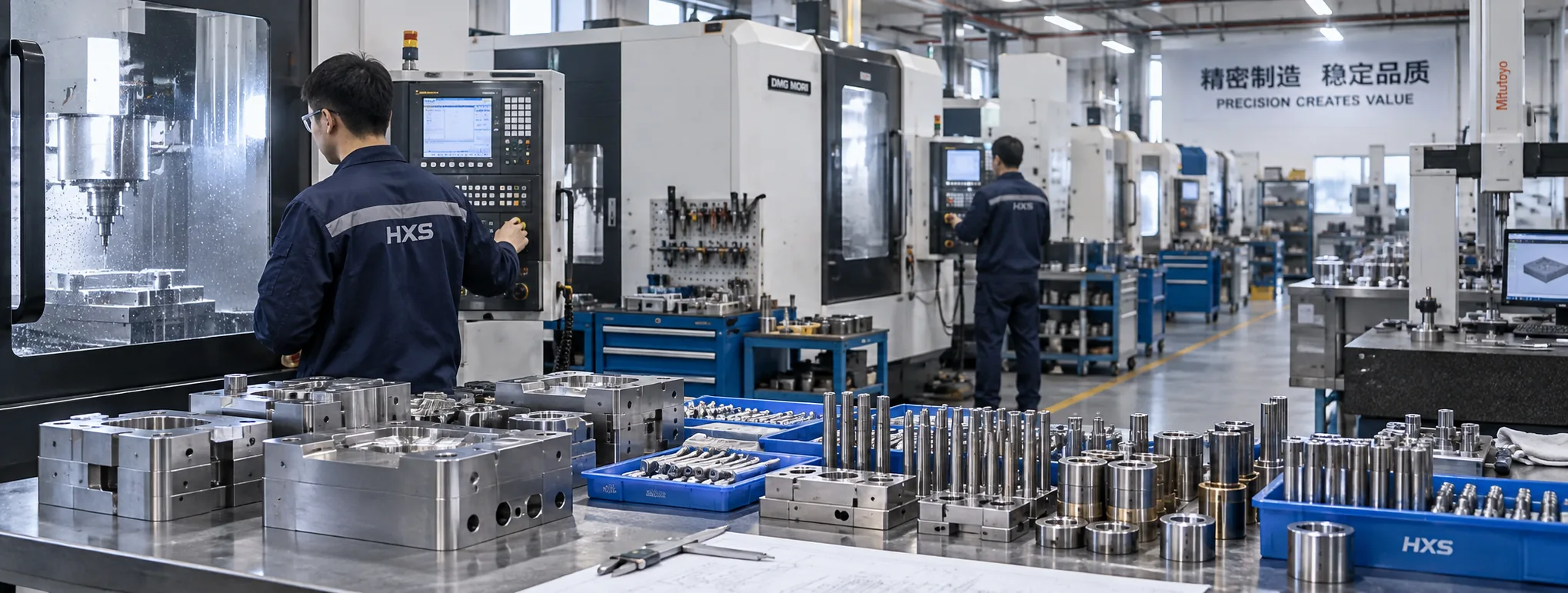
Custom Mold Components Made From Your Drawings
Precision CNC machined inserts, pins, sleeves and replacement mold components built from your drawings with reliable fit and repeatability.
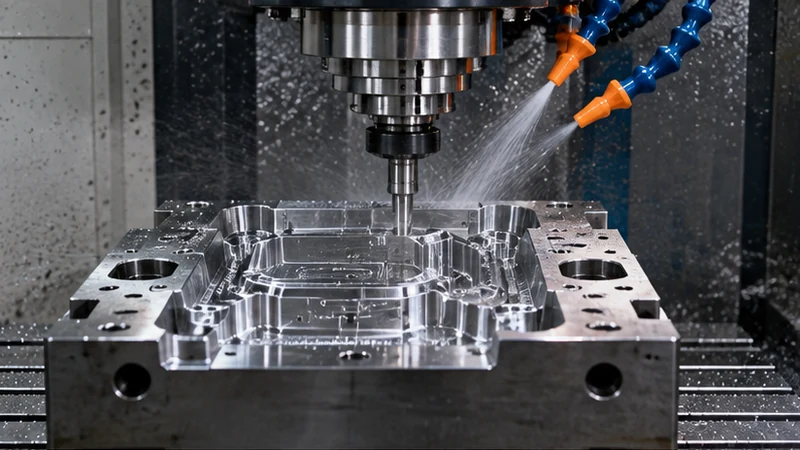
Precision Mold Inserts
Custom cavity inserts and core inserts manufactured for injection mold makers requiring accurate geometry, stable dimensions and reliable replacement performance.
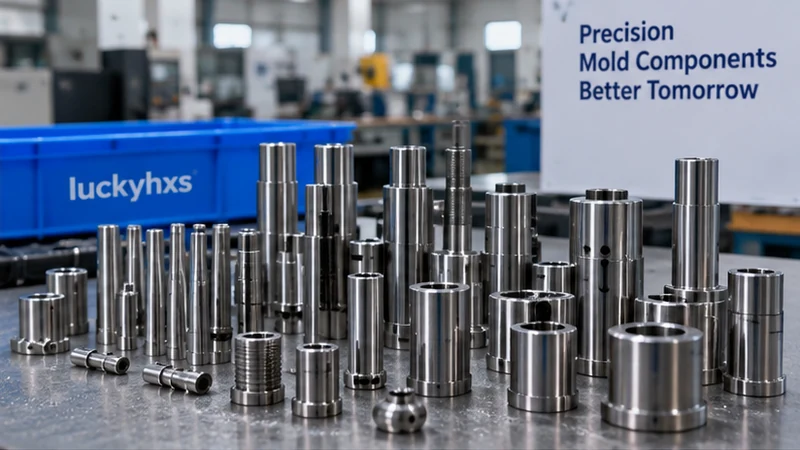
Core Pins & Sleeves
Precision pins and sleeves produced with controlled diameter, concentricity and surface finish requirements for demanding mold assemblies.
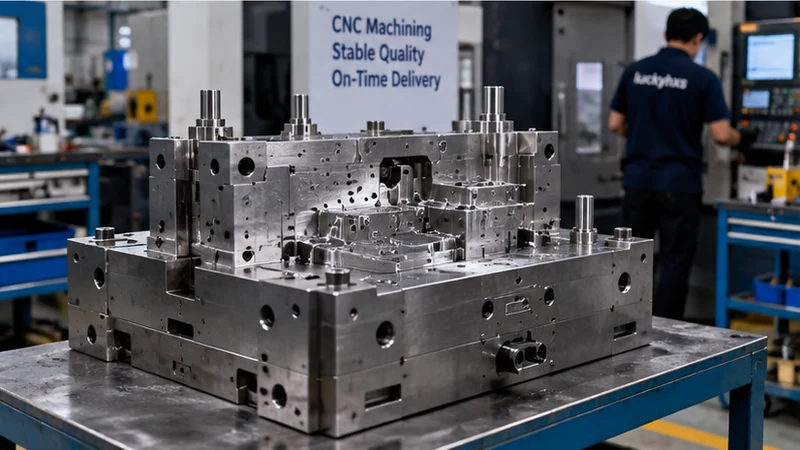
Complex Mold Components
Drawing-based machining support for complex profiles, tight tolerances and functional mating surfaces.
Why Mold Makers Outsource Precision Components
Precision CNC Machined Mold Components
We manufacture specific mold elements requiring tight tolerance control and complex geometries.
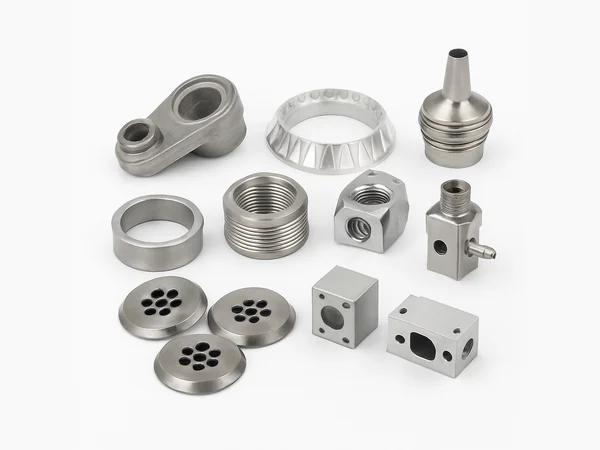
Precision Mold Cores & Cavity Inserts
Structure: Multi-surface 3D profiles, cooling channels, shut-off angles.
Critical Concern: Pocket fitment and parting line mismatch.
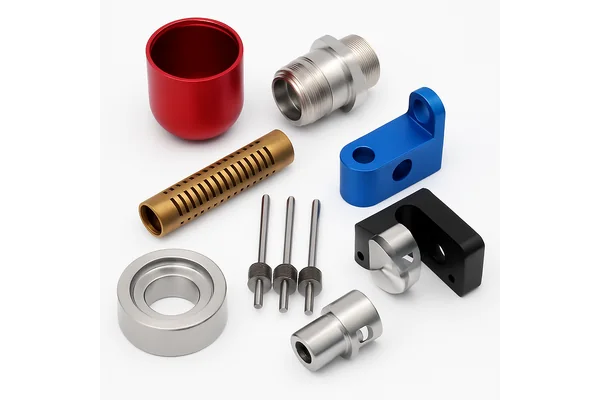
Precision Core Pins & Ejector Pins
Structure: Long slender shafts, stepped diameters, formed tips.
Critical Concern: Axis straightness and concentricity during molding.
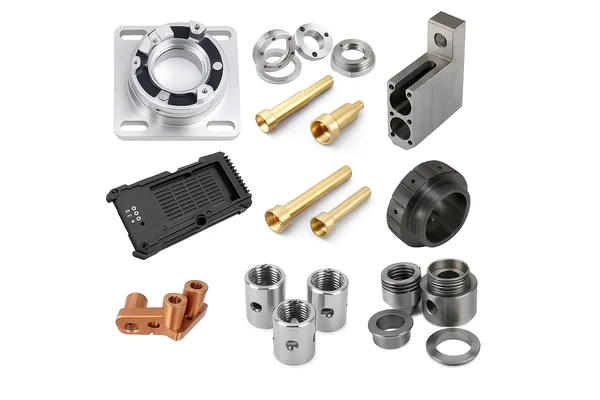
Mold Inserts, Bushings & Sleeves
Structure: Thin-wall cylinders, internal threads, locating shoulders.
Critical Concern: ID/OD concentricity and shoulder perpendicularity.
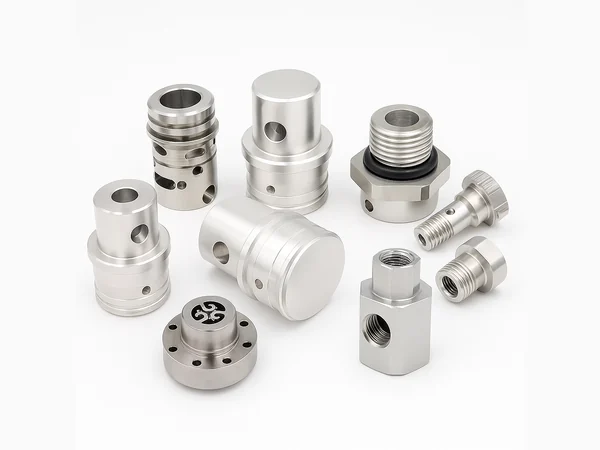
Guide Pins & Alignment Components
Structure: Hardened steel pins, precision ground interfaces.
Critical Concern: System alignment and wear resistance over millions of cycles.
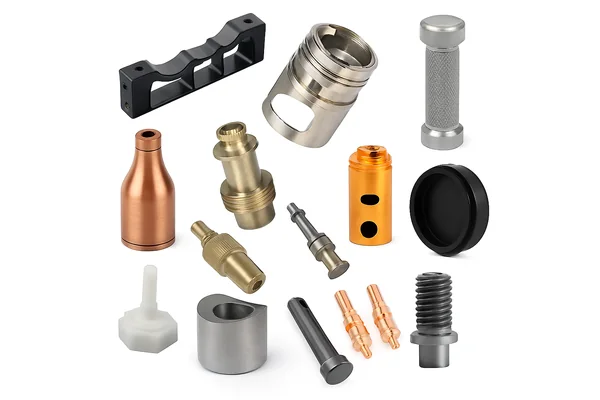
Slides, Lifters & Side Action Parts
Structure: Angled guiding surfaces, T-slots, complex interlocking faces.
Critical Concern: Smooth actuation without galling under injection pressure.
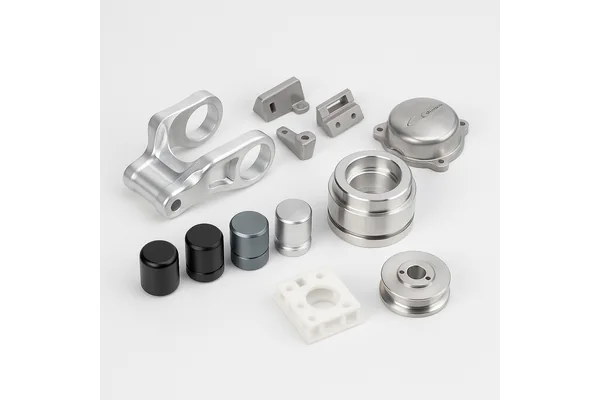
Sprue Bushings & Gate Inserts
Structure: Tapered internal bores, spherical radii interfaces.
Critical Concern: Perfect nozzle mating and smooth flow transition.
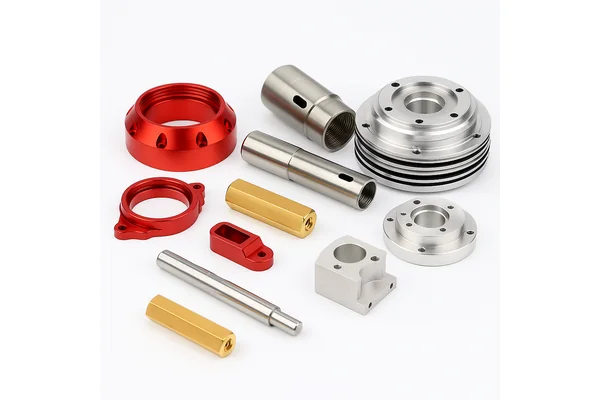
Mold Plates & Support Components
Structure: Precision milled blocks, tight-tolerance dowel holes.
Critical Concern: Flatness, parallelism, and rigid support during molding.
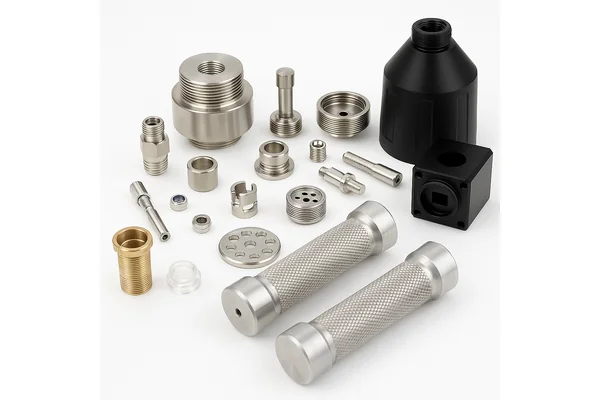
Custom Replacement Mold Parts
Structure: Reverse engineered or drawing-based legacy components.
Critical Concern: 100% interchangeability with worn original parts.
Critical Machining Risks Behind Reliable Mold Components
Precision mold components are defined by more than individual dimensions. Pocket fit, pin straightness, bore concentricity, mating surfaces, and alignment relationships must work together inside the complete mold assembly. These are the critical machining risks LuckyHXS controls before your components reach mold assembly.
Precision Mold Cores and Cavity Inserts
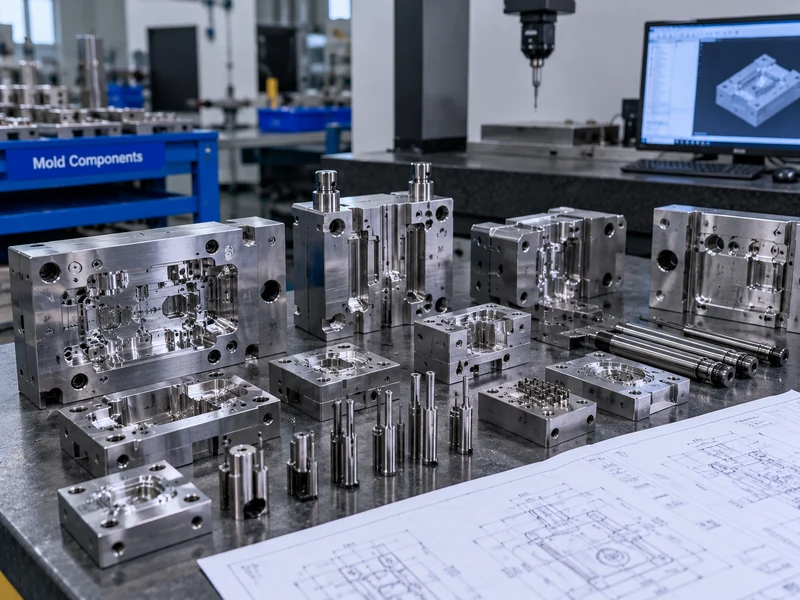
Tooling engineers face severe constraints when integrating multi-cavity molds. A cavity insert must perfectly match its pocket while maintaining exact shut-off angles. Typical features we machine include complex profiles, deep pockets, small radii, precision cooling holes, and datum surfaces with tight shoulders.
Individual Features PASS ≠ Complete Mold Geometry PASS
LuckyHXS Control Method
A cavity insert is controlled by its relationship with the mold base, datum planes, mating surfaces, and parting lines—not by isolated dimensions alone.
Precision Core Pins and Ejector Pins
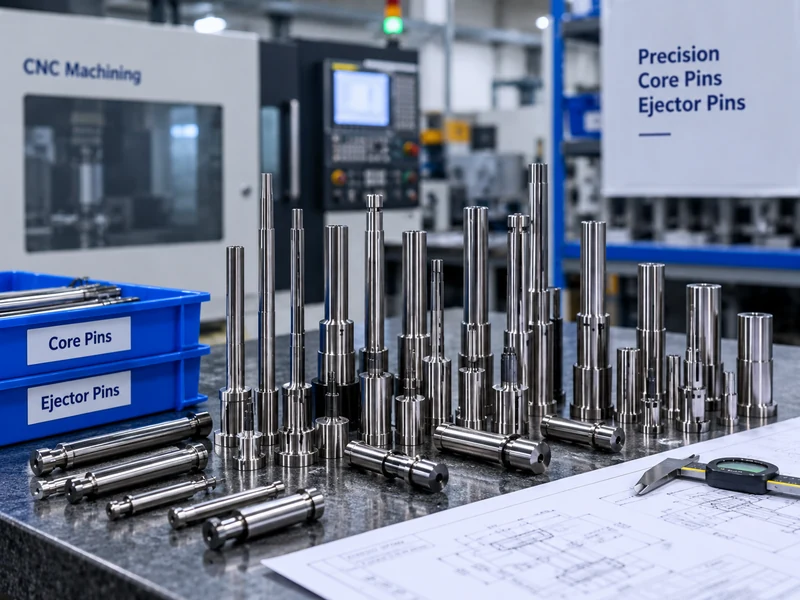
Medical and electronics molders frequently require long, slender geometry with small diameters and multi-step profiles. Standard catalog pins often lack the specific tip features, threads, or cooling grooves required by custom mold designs.
Diameter PASS ≠ Stable Pin Geometry PASS
LuckyHXS Control Method
Swiss CNC Machining + Material Support Near Cutting Tool + Axis / Straightness Control.
Mold Bushings and Precision Sleeves
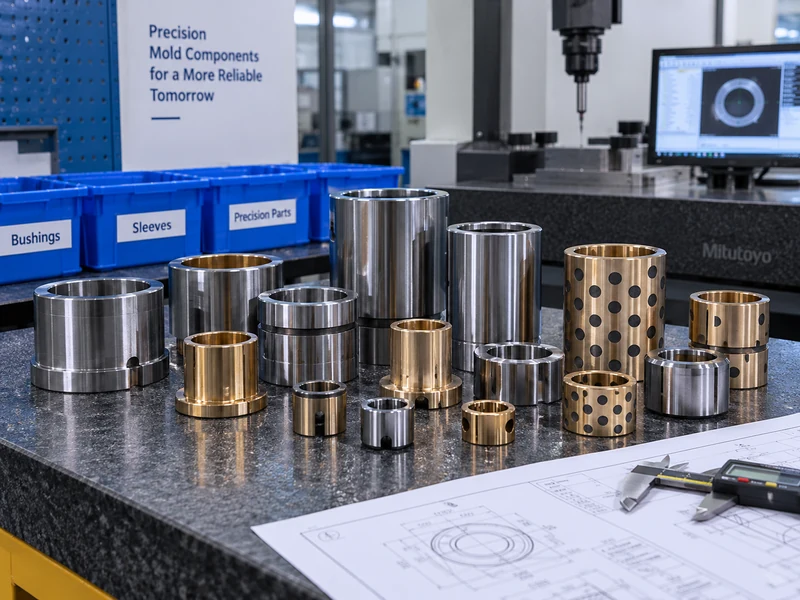
Ejector sleeves and custom bushings require exact control over OD, ID, bore concentricity, seating shoulders, and face perpendicularity. When integrating moving components in automation equipment molds, binding is a primary failure mode.
ID PASS + OD PASS ≠ Functional Mold Insert Geometry PASS
LuckyHXS Control Method
Common Axis Control + Shoulder Relationship Control + Functional Fit Review.
Guide Pins, Guide Bushings and Alignment Components
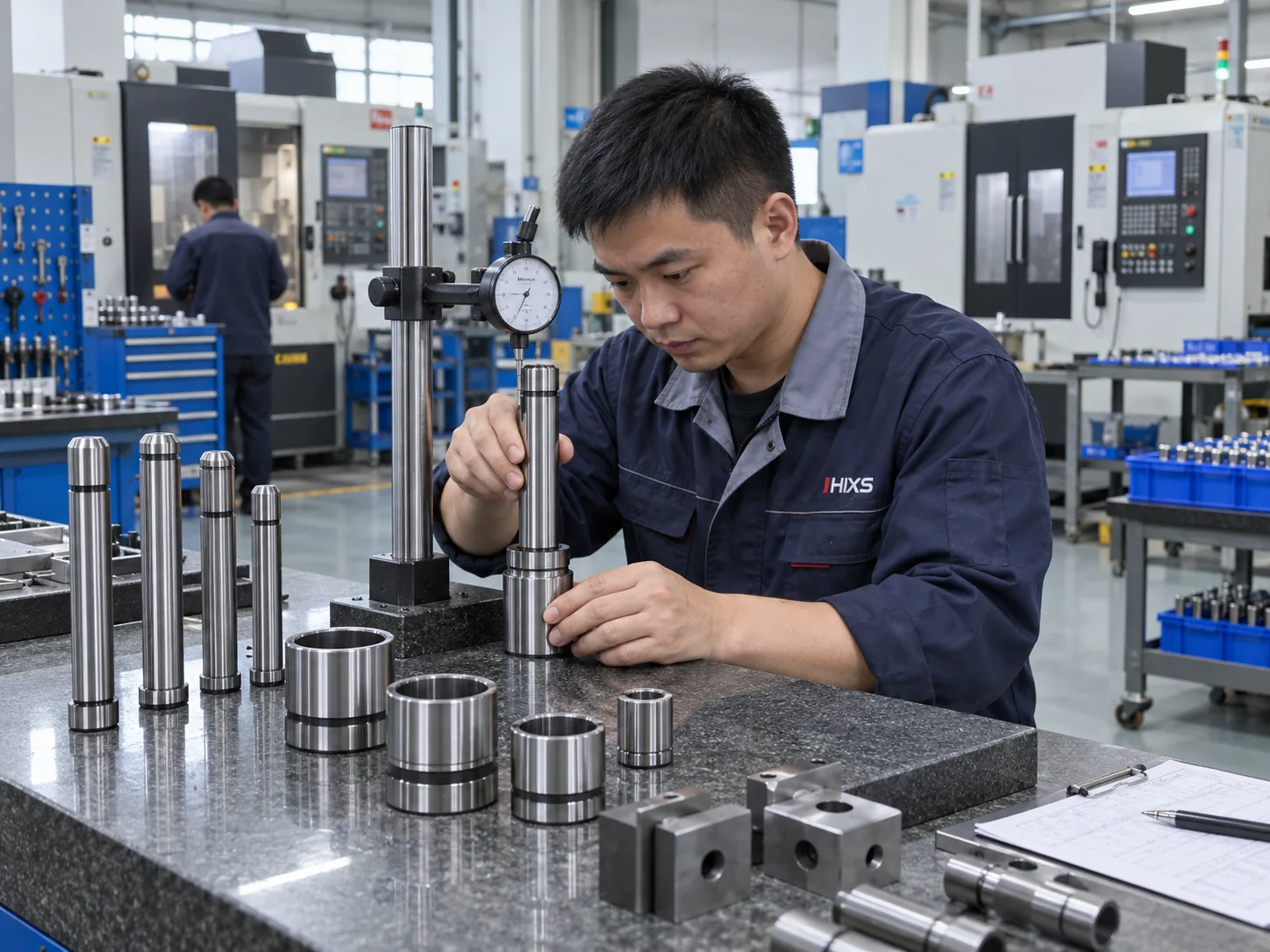
High-cavitation molds require absolute alignment between the core and cavity halves. Alignment is controlled as a complete system, not just independent parts. Custom interlocking components require specific clearance, interference fit, and thermal expansion considerations.
Guide Pin PASS + Guide Bushing PASS ≠ Complete Mold Alignment PASS
LuckyHXS Control Method
System-Level Alignment + Mating Relationship + Functional Clearance.
Need a Critical Mold Component Reviewed Before Machining?
Send us your 2D/3D drawing, material, hardness, quantity, functional datums, mating features, and tolerance requirements. Our engineering team will review machining strategy, geometry relationships, and assembly risks before quotation.
Machining Processes Selected Around Mold Part Geometry
The manufacturing route depends entirely on geometry, material hardness, tolerance, and surface requirement. We deploy the right machine architecture for each specific mold component.
CNC Turning
Ideal for custom sprue bushings, round core inserts, and large diameter locating rings with tight concentricity requirements.
CNC Milling
Deployed for complex cavity inserts, slide blocks, and mold plates requiring 3D profiling and precise datum faces.
Swiss CNC
Mandatory for long, slender core pins and ejector pins under 20mm diameter, preventing deflection during machining.
Wire EDM / Multi-Axis
Applied where appropriate for sharp internal corners, deep slots, and geometries inaccessible by standard cutting tools.
Material Selection, Surface Control and Engineering Review for Mold Components
Reliable mold components depend on more than machining alone. Material grade, heat condition, surface finish, and engineering review all determine whether the part will perform correctly inside the mold assembly. LuckyHXS reviews these factors before production to reduce fit issues, wear risk, and replacement errors.
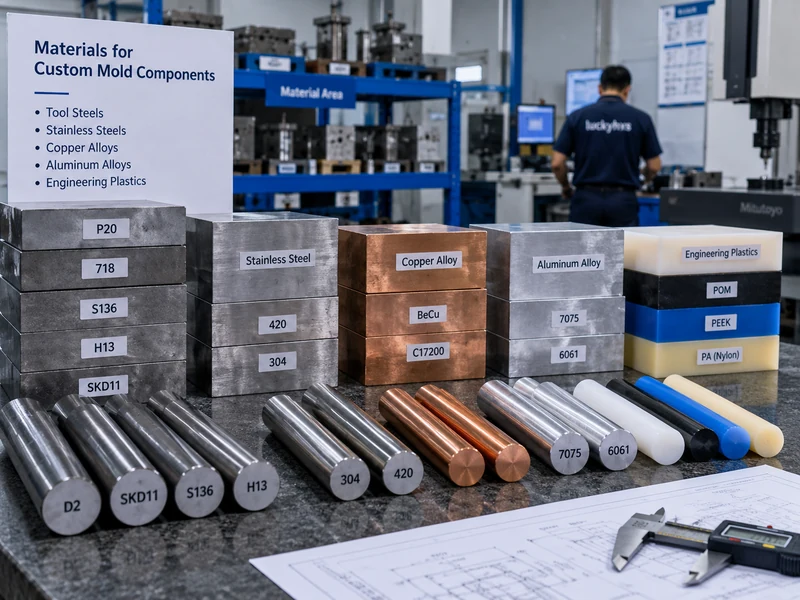
Materials for Custom Mold Components
Mold performance starts with material selection. We do not substitute material grades. Steel type, alloy family, hardness condition, and engineering plastic grade are all confirmed strictly against your drawing and project requirements.
Metal Materials
- • Pre-hardened Tool Steels
- • High-hardness Tool Steels
- • Stainless Steels
- • Beryllium Copper (for cooling)
- • Aluminum Alloys (for prototype molds)
Engineering Plastics
- • PEEK (for testing / fixtures)
- • POM / Delrin
- • Custom structural polymers
Specific grades like H13, P20, S136, SKD11, or D2 are processed only upon explicit confirmation of your drawing specifications.
Surface Condition Matters Beyond Appearance
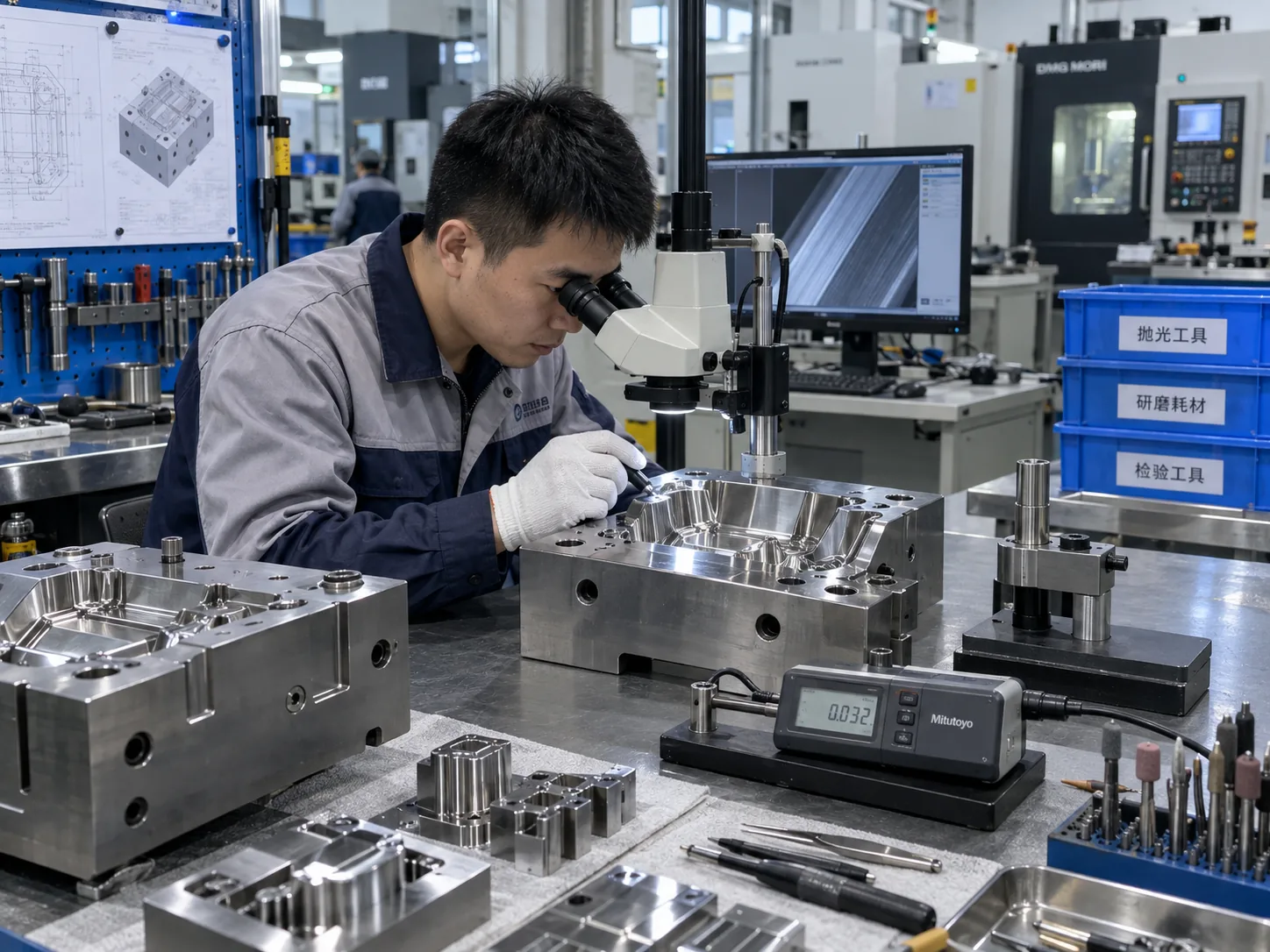
In mold manufacturing, surface finish is not cosmetic alone. It directly affects plastic flow, release behavior, wear resistance, and shut-off integrity. Deburring, polishing, and final surface conditioning must improve performance without changing the geometry that controls mold function.
The Finishing Trap
Good Appearance ≠ Functional Mold Surface PASS
Over-polishing may round shut-off edges, alter cavity volume, or affect sealing surfaces. Our finishing process is controlled so the required Ra value is achieved without damaging critical geometry.
- Deburring without edge damage
- Polishing with geometry protection
- Surface finish aligned with mold function
Engineering Review Before Machining
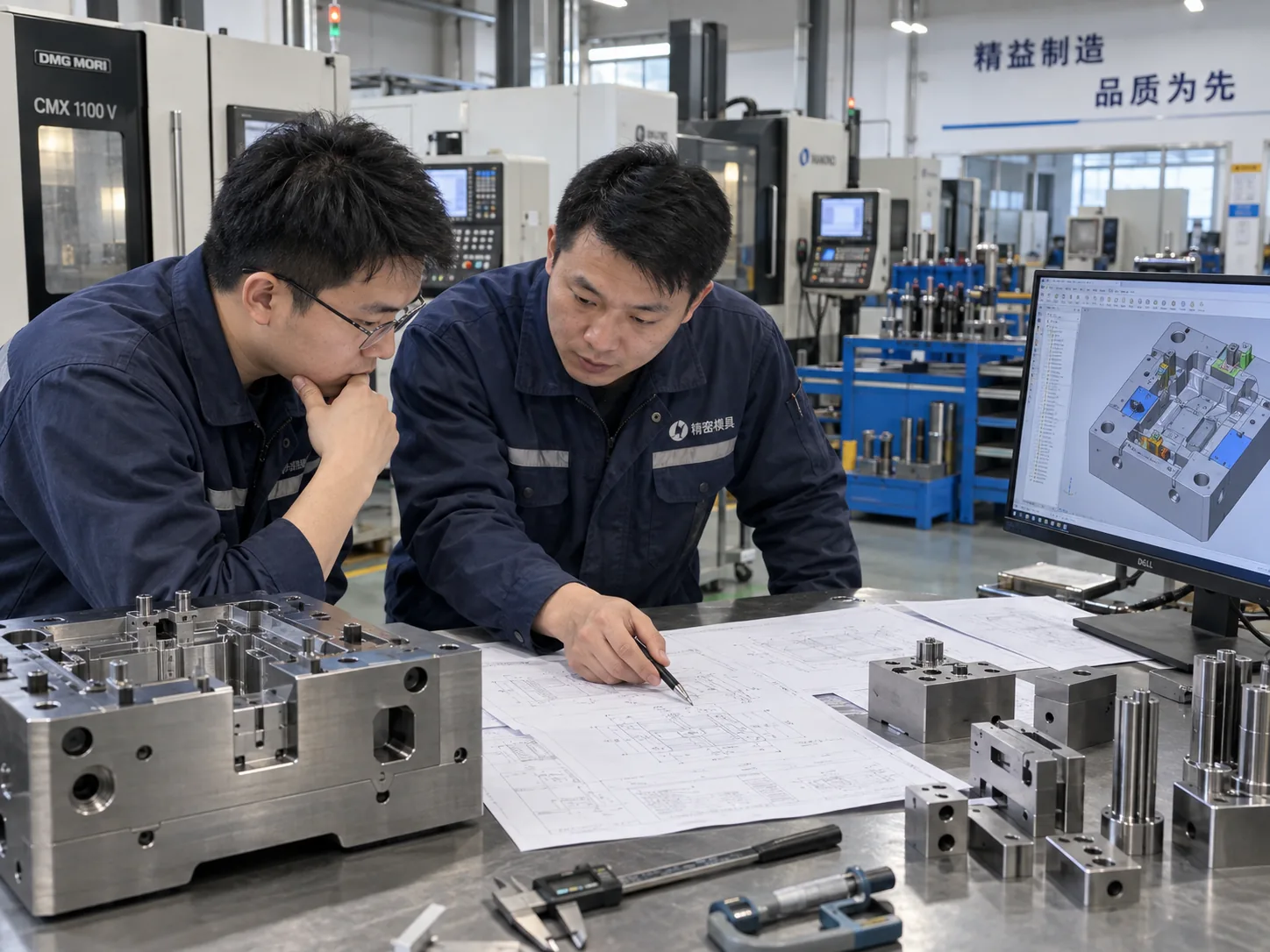
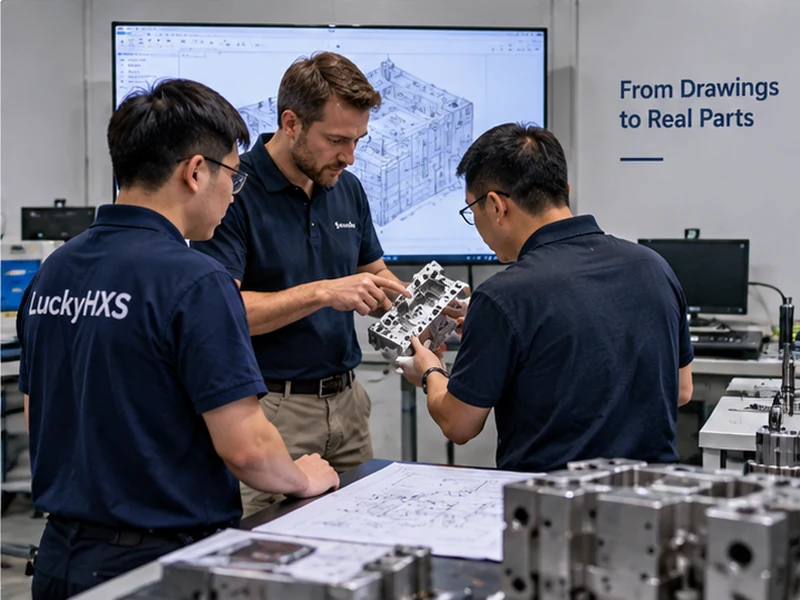
Blind machining from a 3D model often leads to fit problems, misaligned datums, or toolpath issues in deep and complex mold features. Before production, our engineering team reviews the drawing and confirms the machining strategy around assembly function.
1. Functional Datum Identification
We identify the datum reference that matters during final mold assembly, not just during standalone machining.
2. Mating Features & Assembly
We review how inserts, sleeves, guide components, or mating parts interact inside the mold base.
3. Tolerance Strategy & Tool Access
We plan the machining route, cutting sequence, and tool access to protect tight tolerances and deep geometry stability.
Send Your Drawing Before Material, Finish and Machining Errors Become Costly
Share your 2D/3D drawing, material grade, hardness condition, quantity, tolerance requirements, and surface finish expectations. Our engineering team will review the most suitable machining route before quotation.
Why Mold Components Can PASS Inspection but Still FAIL in Assembly
A mold component can meet individual dimensions and still fail in the complete mold system. Functional datums, axis stability, mating surfaces, and replacement interfaces must all work together. These engineering insights explain the hidden risks we control before your parts reach mold assembly.
Individual Dimensions PASS ≠ Mold Assembly Fit PASS
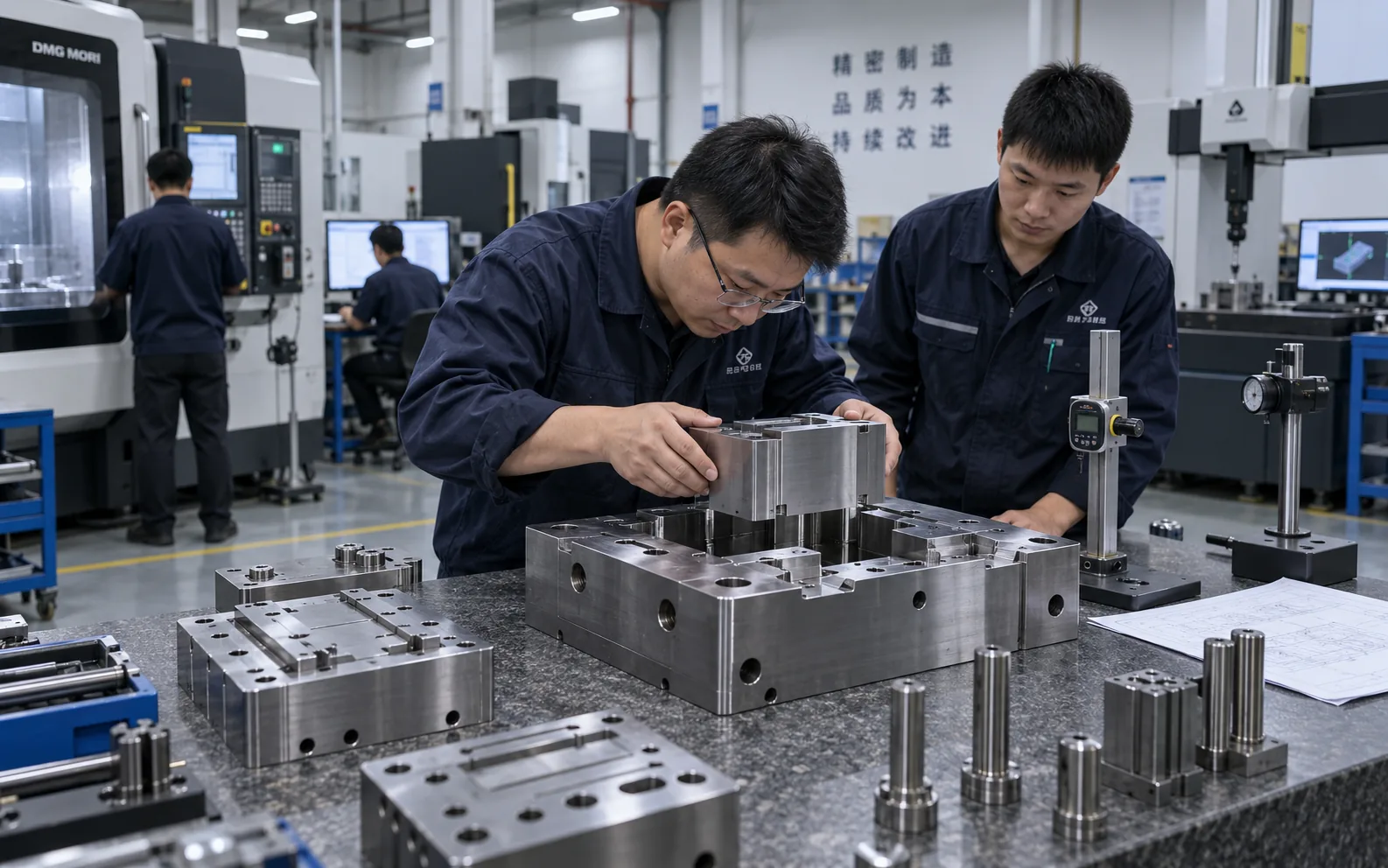
Core Philosophy: The Mold Component Must Be Controlled Around the Functional Datum—not Only Its Standalone Dimensions.
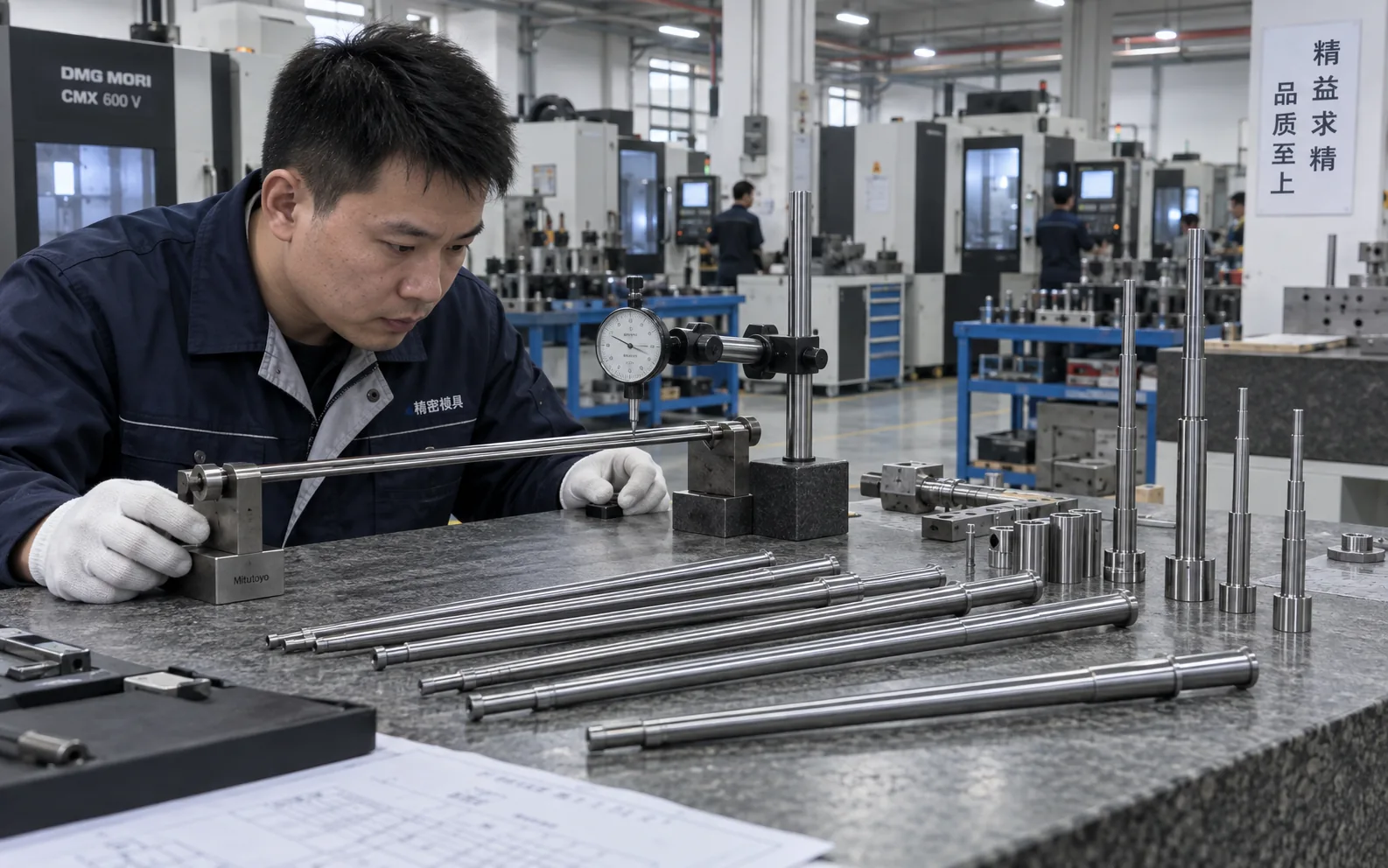
Diameter PASS ≠ Stable Mold Pin Geometry PASS
- Molded hole variation
- Release problems
- Premature sleeve wear
Core Philosophy: A Long Mold Pin Is Defined by Its Axis, Straightness and Tip Relationship—not Diameter Alone.
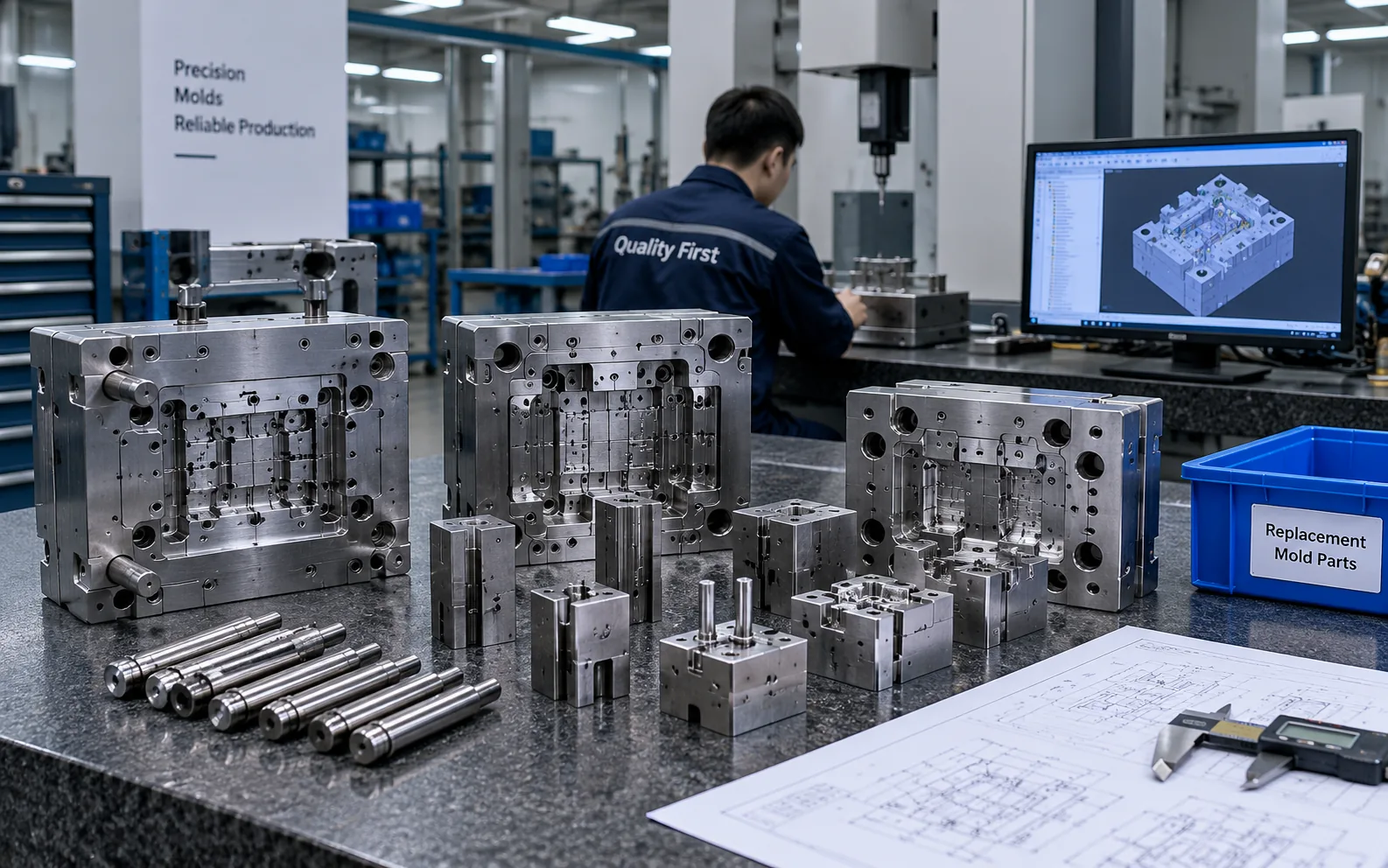
Sample PASS ≠ Replacement Mold Part Interchangeability PASS
- Length
- Diameter
- Thread Pitch
- Exact Functional Datum Replication
- Mating Surface Match
- Assembly Relationship Verification
Core Philosophy: Copying the Old Part ≠ Reconstructing the Original Functional Geometry.
Have a Mold Component That Must Fit the First Time?
Send us your drawing, material, hardness, quantity, functional datums, mating surfaces, and critical tolerances. Our engineering team will review the assembly relationships and machining risks before quotation.
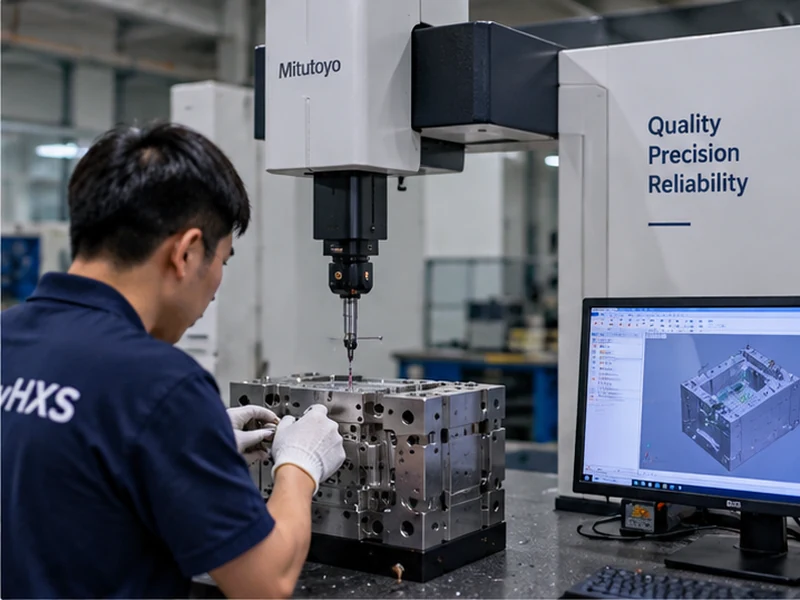
Inspection Based on Functional Requirements
We verify geometry against your specific drawing tolerances using calibrated equipment.
Measurement Tools
- • Coordinate Measuring Machine (CMM)
- • Digital Micrometers & Calipers
- • Pin & Thread Gauge Inspection
- • Optical Projectors for profiles
- • High-magnification Visual Inspection
Verified Compliance
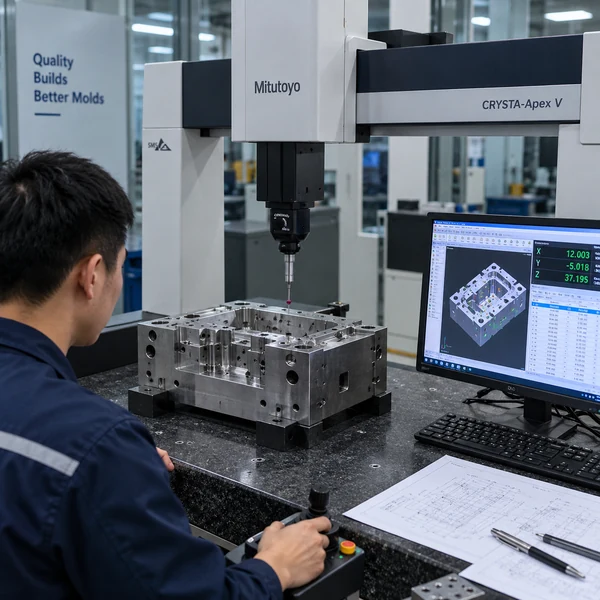
Real Manufacturing Evidence
Transparent operations and direct engineering communication.
From Drawing to Finished Mold Components
A controlled process ensuring repeatable geometry.
Drawing Review
DFM Check
Process Planning
Machining
Inspection
Packaging
Precision Mold Components for Multiple Industries
Supporting stringent requirements across critical sectors.
Automotive
Medical
Electronics
Industrial Equipment
Automation
Custom Mold Parts Manufacturing FAQ
What are custom mold parts?
Can you manufacture mold inserts from drawings?
What information is required for quotation?
What machining processes are used?
Can you make replacement mold components?
How do you control repeat production quality?
Do you provide inspection reports?
What tolerance can you support?
See How Precision Mold Components Are Manufactured
Watch our state-of-the-art CNC machining centers in action. Backed by 20+ years of engineering expertise, Shenzhen Hongxiangsheng Technology delivers uncompromising quality for your most demanding industrial applications.
Free samples available for qualified orders.
Need Custom Mold Components?
Send your drawing, material requirement, quantity and critical features. Our engineering team will review the manufacturing approach and quotation requirements.