
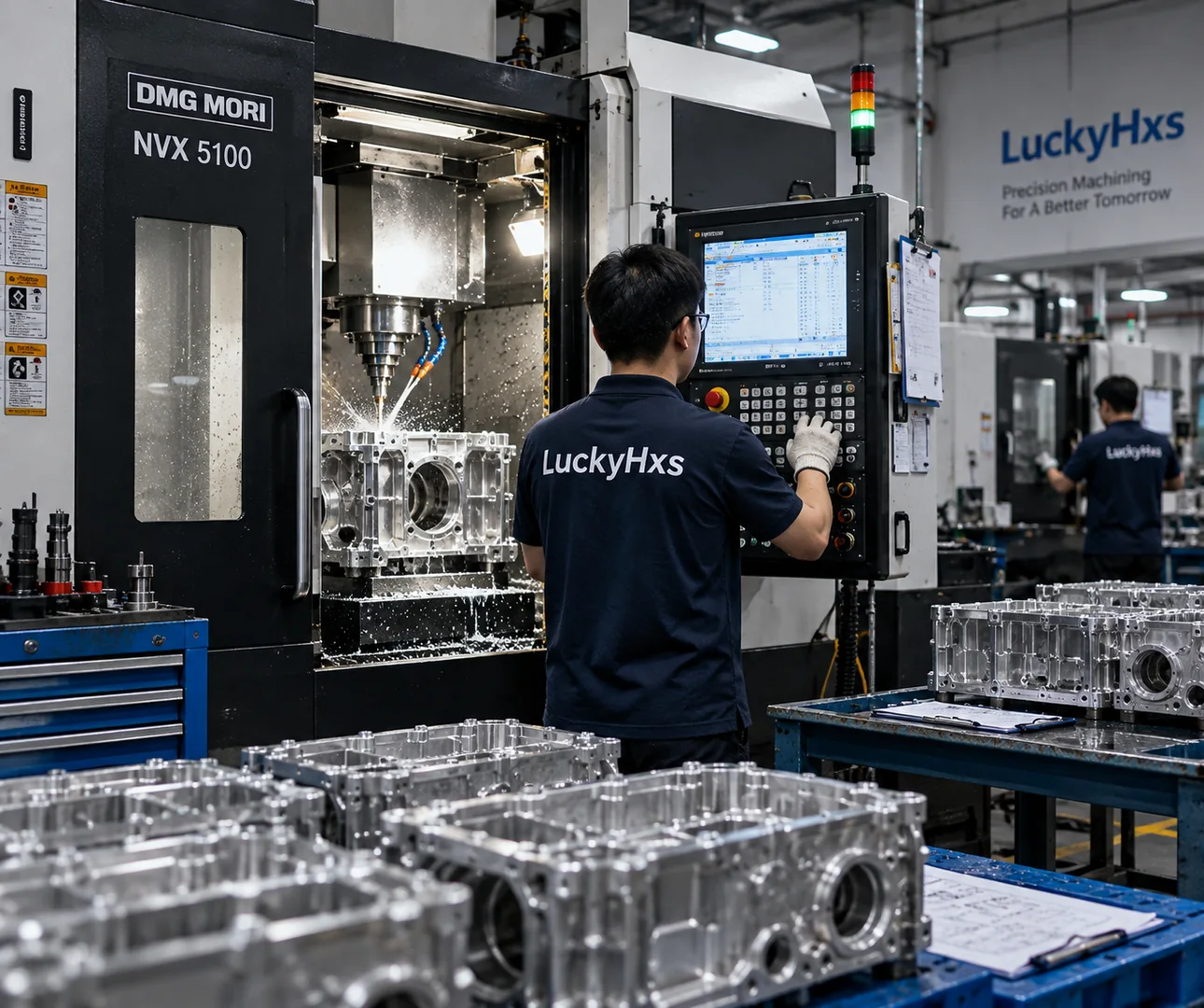
Custom CNC Machined Housings & Enclosures
Engineered for perfect assembly, reliable sealing, and strict batch consistency. We provide custom machining based on drawings for electronics, sensors, motors, valves, and industrial equipment.
- Tight-tolerance machining for complex internal features
- Dimensional inspection before shipment
- Prototype to production support
20+ Years
Machining Experience
±0.01mm
Precision Capability
ISO 9001
Certified Quality
3-Day
Fast Delivery Available
Defining Housings & Enclosures
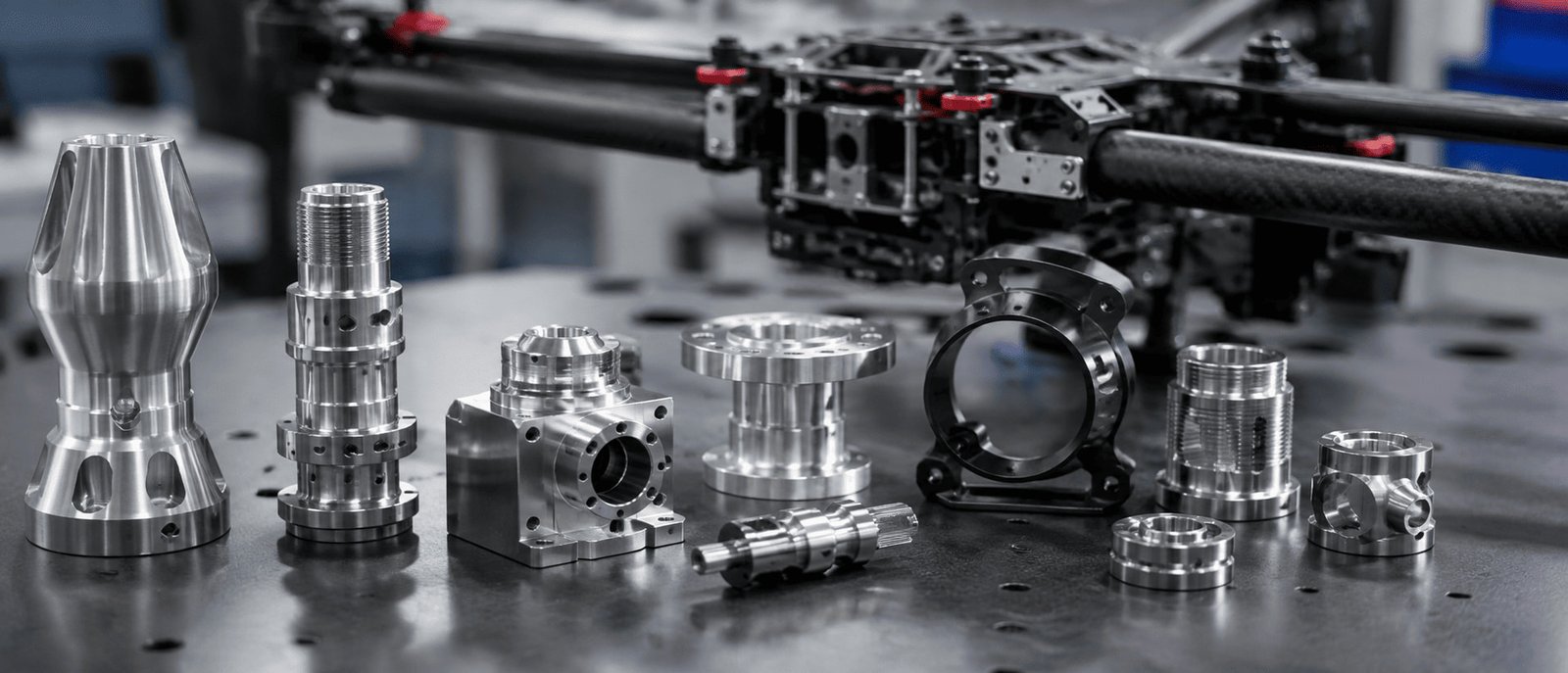
While often used interchangeably, CNC machined housings and enclosures serve distinct functional purposes. At LuckyHxs, we engineer both to exact drawing specifications.
CNC Machined Housings
Mechanical shells designed to support internal components such as gears, shafts, motors, and precision assemblies.
Protective Enclosures
Protective structures designed for electronics, sensors, and control systems requiring environmental protection and surface requirements.
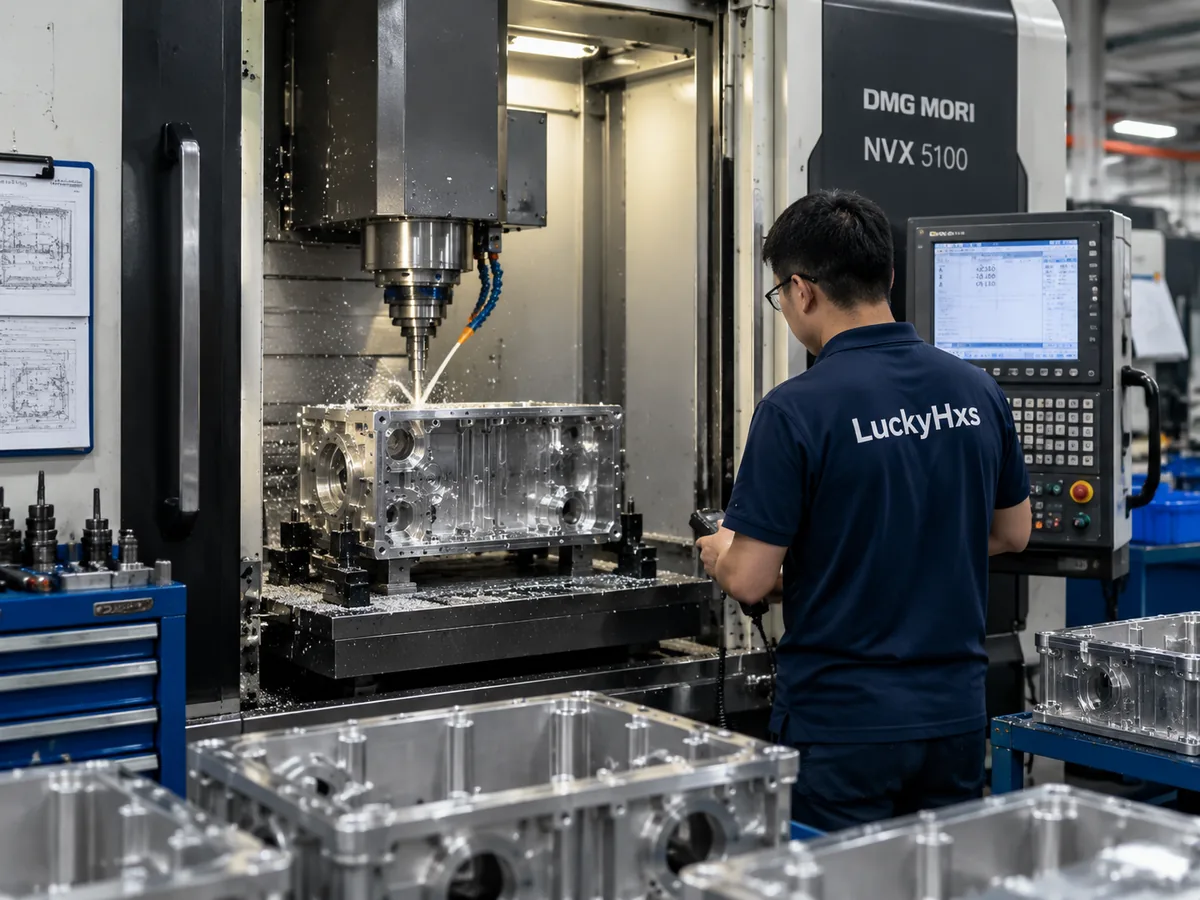
Precision Internal Features
Controlled bores, pockets and datum surfaces.
Complex Pocket & Cavity Machining
Manufacturing complex internal geometries.
Assembly Fit Control
Ensuring mating surfaces work together.
Custom Housings We Manufacture
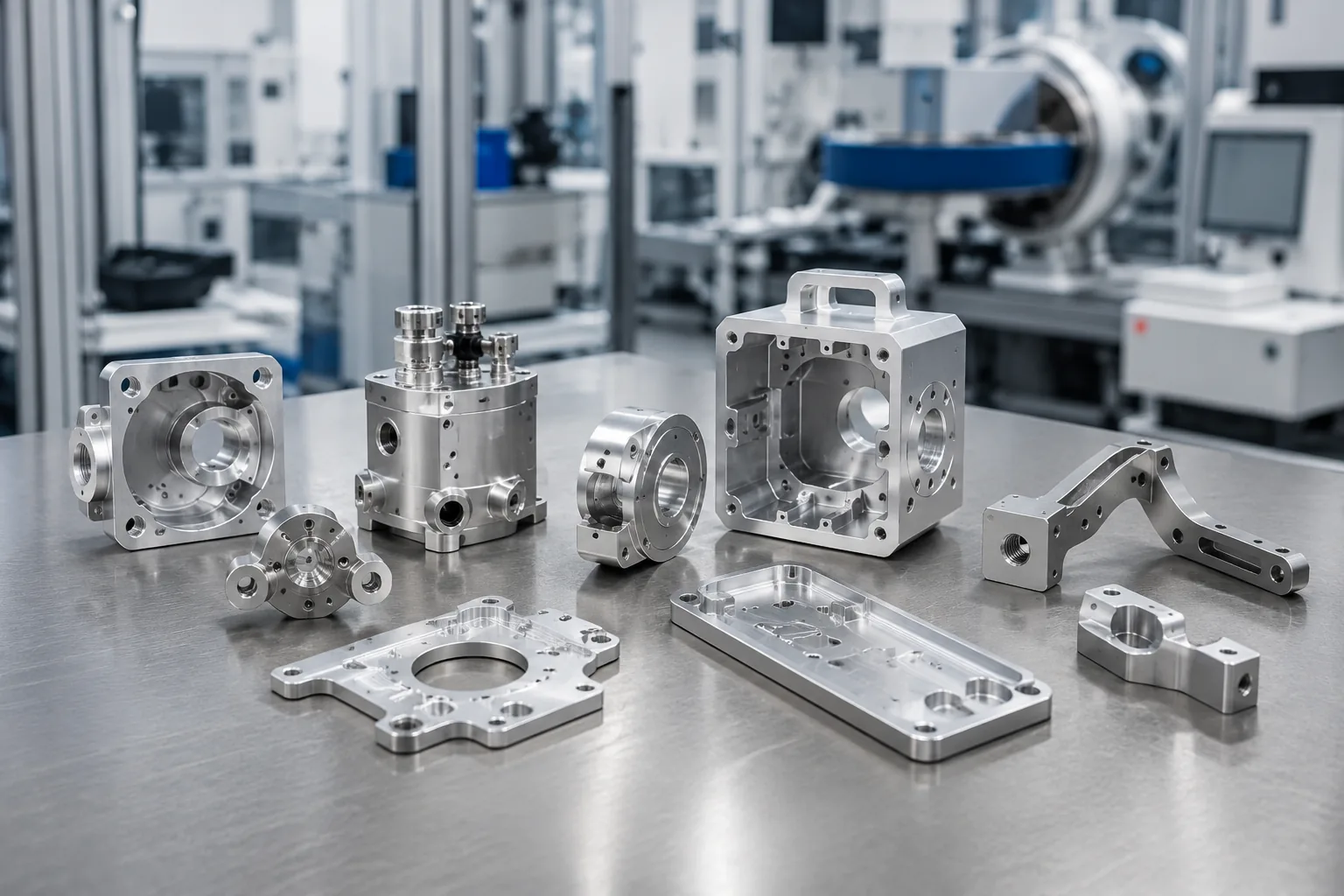
Covering a wide range of industrial and electronic applications.
Electronic & Sensor Housings
Shielding sensitive electronics with precise EMI/RFI considerations.
Ideal for: PCB enclosures, radar sensors
Motor & Motion Control
High-concentricity shells for rotating components and stators.
Ideal for: Servo motors, gearboxes
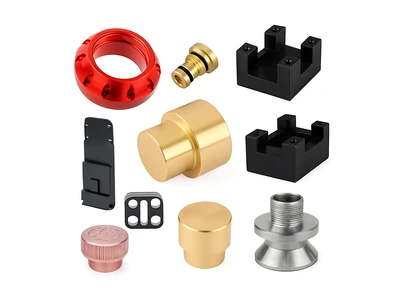
Robotics & Automation
Lightweight, high-strength structures for dynamic movement.
Ideal for: Robotic joints, end-effectors
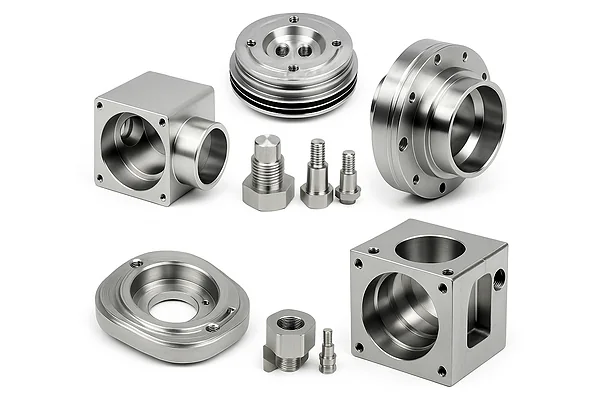
Camera & Optical Housings
Matte black finishes and micro-tolerances for lens alignment.
Ideal for: Lidar, industrial cameras
Valve, Pump & Fluid Control
Complex internal cavities with strict sealing face requirements.
Ideal for: Hydraulic manifolds, pumps
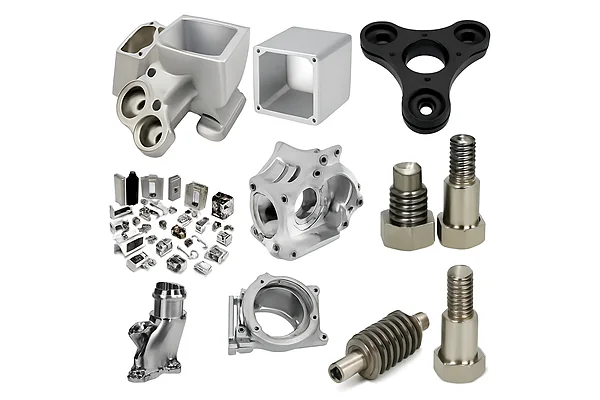
Automotive Component Housings
Durable enclosures for harsh vibration and thermal environments.
Ideal for: ECU enclosures, EV battery cases
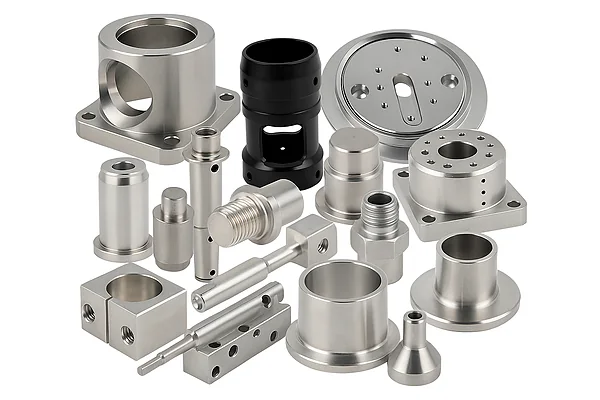
Instrument & Equipment
Aesthetic and functional cases for medical and testing gear.
Ideal for: Handheld testers, medical devices
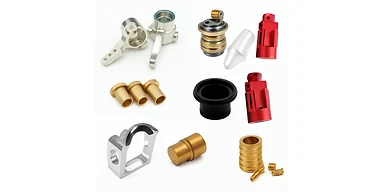
Connector & Communication
Weatherproof and ruggedized shells for outdoor transmission.
Ideal for: RF enclosures, fiber optic hubs
Why Do Housing Projects Fail?
Machining a housing isn't just about cutting metal. It's about ensuring components assemble smoothly, seals hold pressure, and the 1,000th part matches the 1st. Buyers often face critical risks when suppliers lack strict process control.
Internal Features Don’t Fit
Why It Happens:
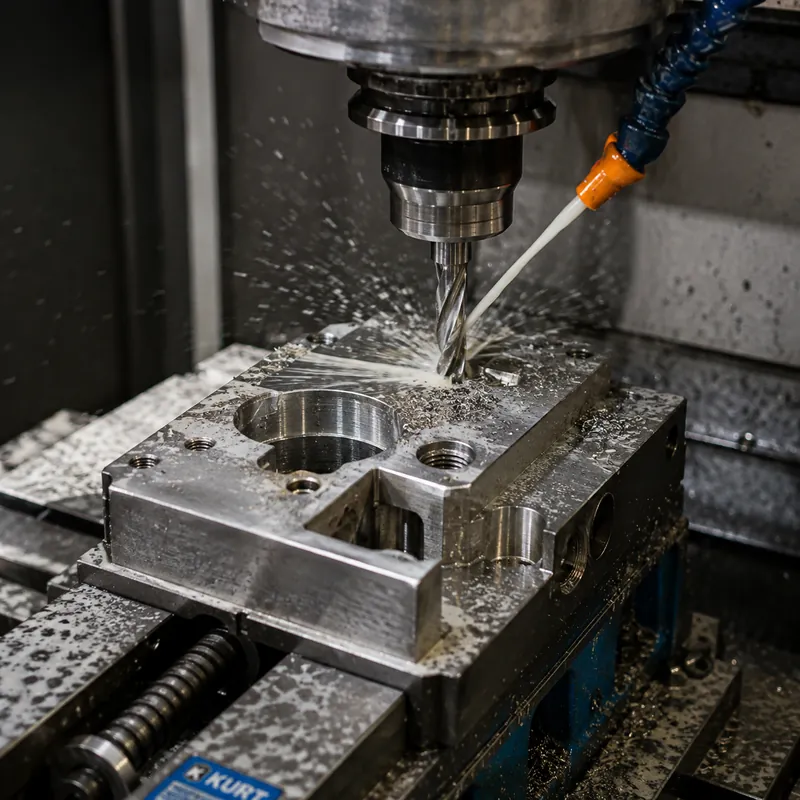
Poor datum strategy during multi-setup machining causes cumulative tolerance errors. When hole positions are off or cavities are slightly skewed, PCBs, bearings, or internal mechanisms cannot be installed correctly.
How LuckyHxs Helps:
We optimize clamping stability and utilize advanced CNC milling centers to machine as many faces as possible in a single setup, minimizing repositioning errors. We ensure internal features fit perfectly for seamless assembly.
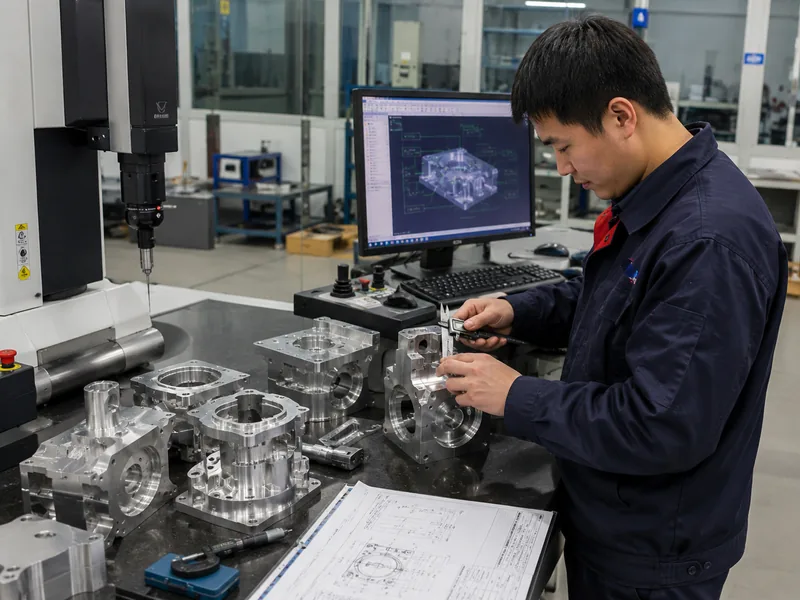
What We Check Before Shipment:
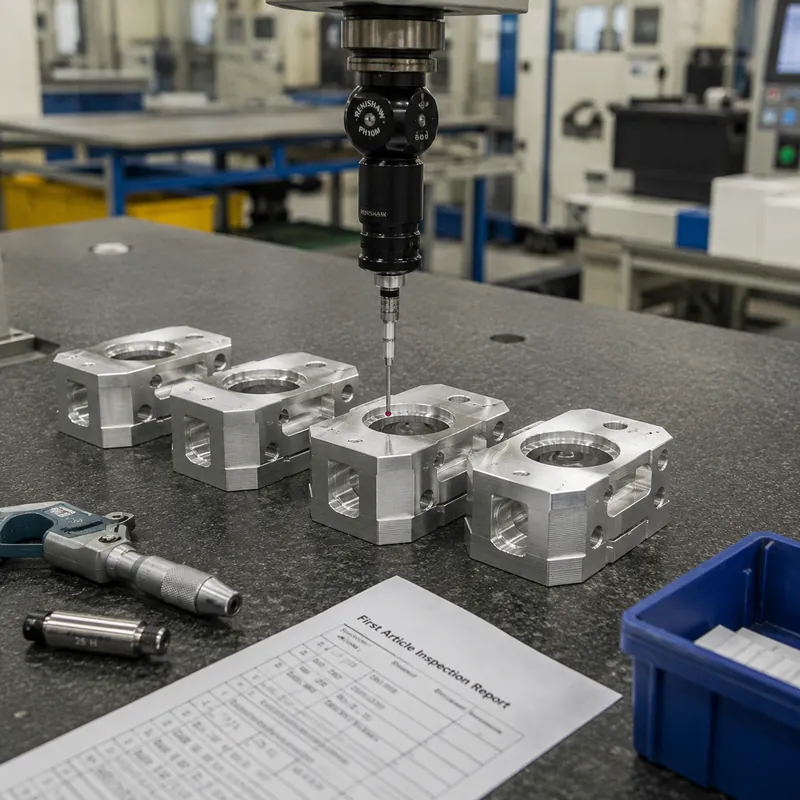
- CMM verification of critical hole true positions.
- Go/No-Go gauge checks for critical internal bores.
- Verification of base surface flatness.
Sealing Surfaces Cause Leakage
Why It Happens:
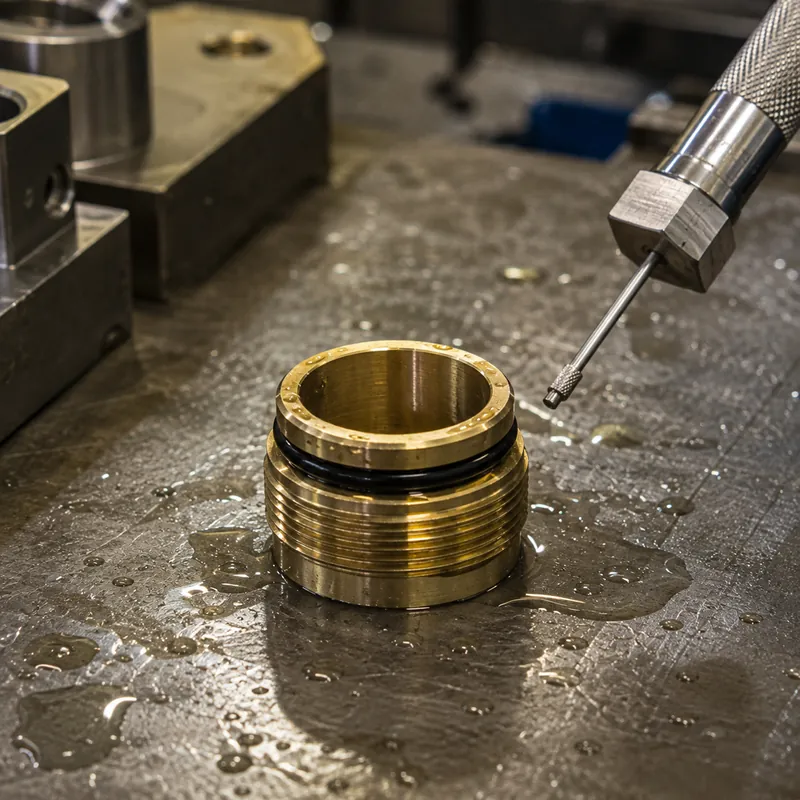
O-ring grooves that are too rough, or mating surfaces that lack perfect flatness, compromise IP ratings. Chatter marks from improper tooling allow fluids or gases to escape.
How LuckyHxs Helps:
We control cutting speeds, tool paths, and select specific end mills to achieve superior surface finishes directly off the machine. We pay special attention to avoiding burrs in sealing grooves.
What We Check Before Shipment:
- Surface roughness (Ra) measurement on mating faces.
- Visual inspection of O-ring grooves under magnification.
- Flatness verification to prevent gasket failure.
Sample-to-Batch Dimensions Drift
Why It Happens:
A supplier might hand-craft a perfect prototype, but tool wear, thermal expansion, and inconsistent operator handling cause dimensions to drift during a 500-piece production run.
How LuckyHxs Helps:
We lock down the manufacturing process after First Article Approval. We implement strict tool-life management and in-process spot checks. Dimensional inspection before shipment guarantees batch consistency.
What We Check Before Shipment:
- First Article Inspection (FAI) report baseline.
- Routine in-process dimensional checks.
- Final random sampling based on AQL standards.
Stop Worrying About Assembly and Sealing Failures
More Common Housing Problems We Prevent
Comprehensive process control to protect your project.
Thin-Wall Deformation
We optimize tool paths to prevent deep cavities and thin walls from warping during machining.
Stripped Threaded Holes
We ensure threads are tapped to the correct depth and verified with thread gauges for reliable locking.
Internal Burrs & Chips
Rigorous deburring and ultrasonic cleaning ensure no residue remains inside blind holes or cavities.
Unstable Base Surfaces
We face-mill mounting bases to strict flatness tolerances so your enclosure mounts securely without rocking.
Inconsistent Surface Finish
We account for anodizing or plating thickness in our machining tolerances to ensure final dimensions remain accurate.
Poor Heat Transfer
Contact surfaces for heat sinks are machined exceptionally flat to maximize thermal conductivity.
Capabilities: Materials & Finishes
Custom machining tailored to your environmental and aesthetic requirements.
Materials for CNC Machined Housings
-
Al
Aluminum (6061, 7075, etc.)
Excellent strength-to-weight ratio, high thermal conductivity. Ideal for custom electronic enclosures.
-
SS
Stainless Steel (304, 316, etc.)
Superior corrosion resistance and durability for harsh industrial or medical environments.
-
Cu/Br
Brass & Copper
Used for specific electrical conductivity, RF shielding, or specialized aesthetic requirements.
-
POM
POM (Delrin) & Plastics
Lightweight, electrically insulating, and easily machinable for non-metal housing needs.
Surface Finishes
Need help choosing the right finish for your part?
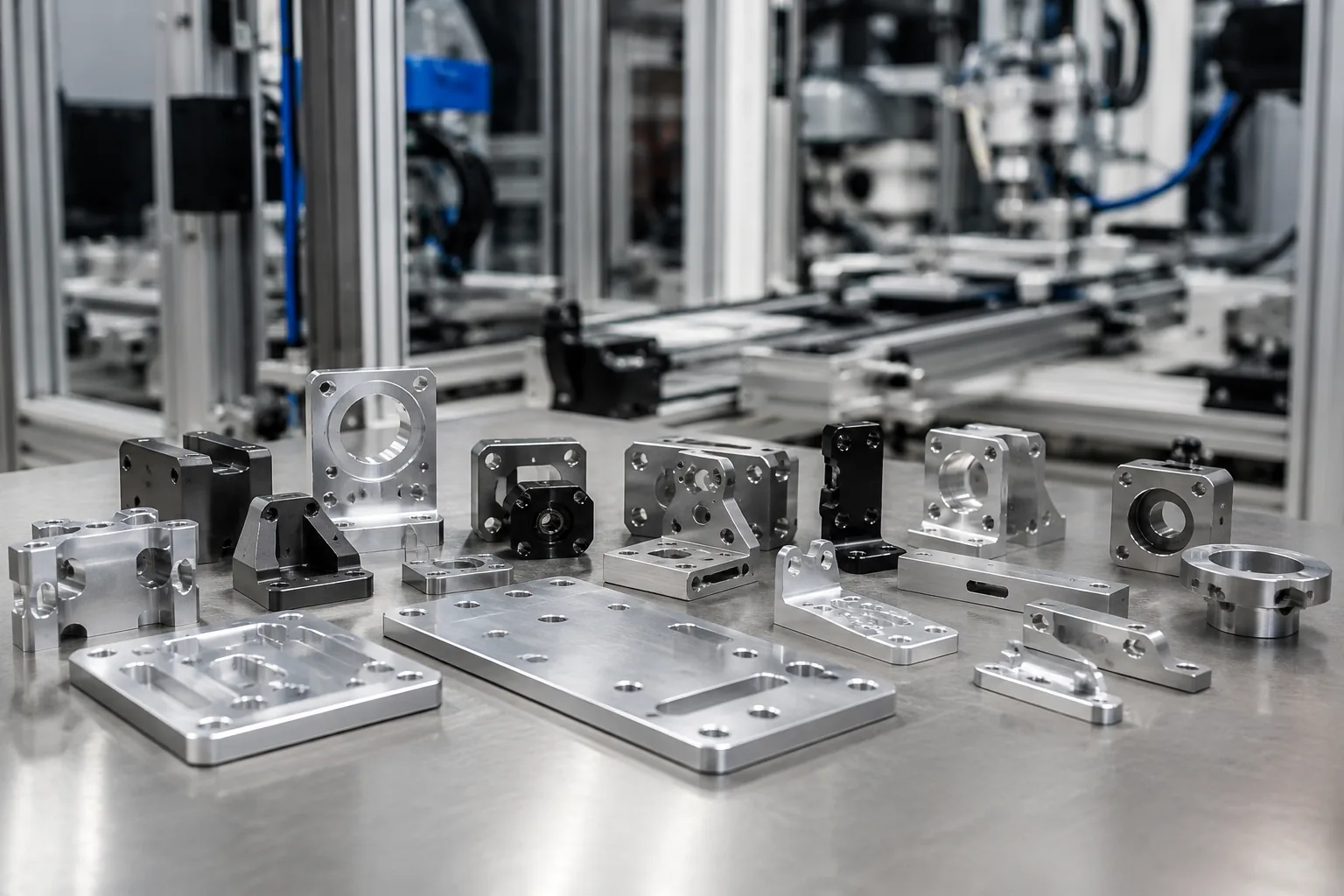
Structural Features We Commonly Machine
Handling complex geometries within custom cnc machined housings.
Manufacturing Methods
We deploy the right machining strategy based on your enclosure's geometry to balance precision and cost.
-
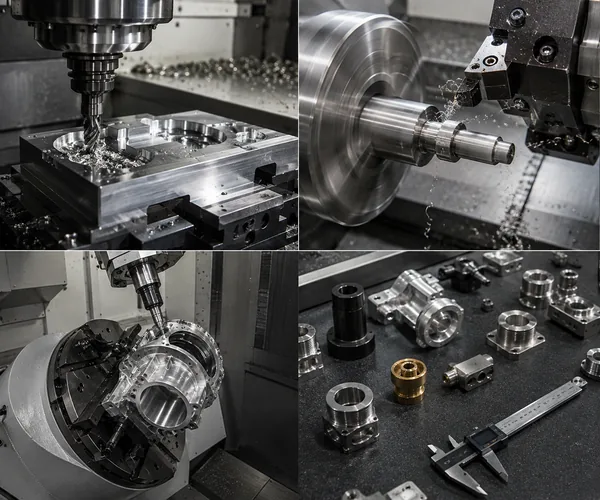
CNC Milling For prismatic housings, rectangular enclosures, and complex multi-sided features.
-
CNC Turning For cylindrical or round housing components like motor shells or lens barrels.
-
Turn-Mill & Secondary Machining For mixed geometry parts requiring off-axis holes or slots on turned bodies.
-
Post-Processing Deburring, ultrasonic cleaning, and finishing are integrated as necessary steps.
Quality Control Workflow
Drawing Review
Before production
First Article
Confirmation
In-Process
Machining checks
Final Inspection
Dimensions & Threads
Cleaning & Visual
Verification before shipment
From Prototype to Production Support
Whether you need 5 units for R&D testing or 5,000 units for market rollout, LuckyHxs scales with your project. We maintain the same rigorous quality standards across all volumes.
Industries We Serve
Verified Manufacturing Capability
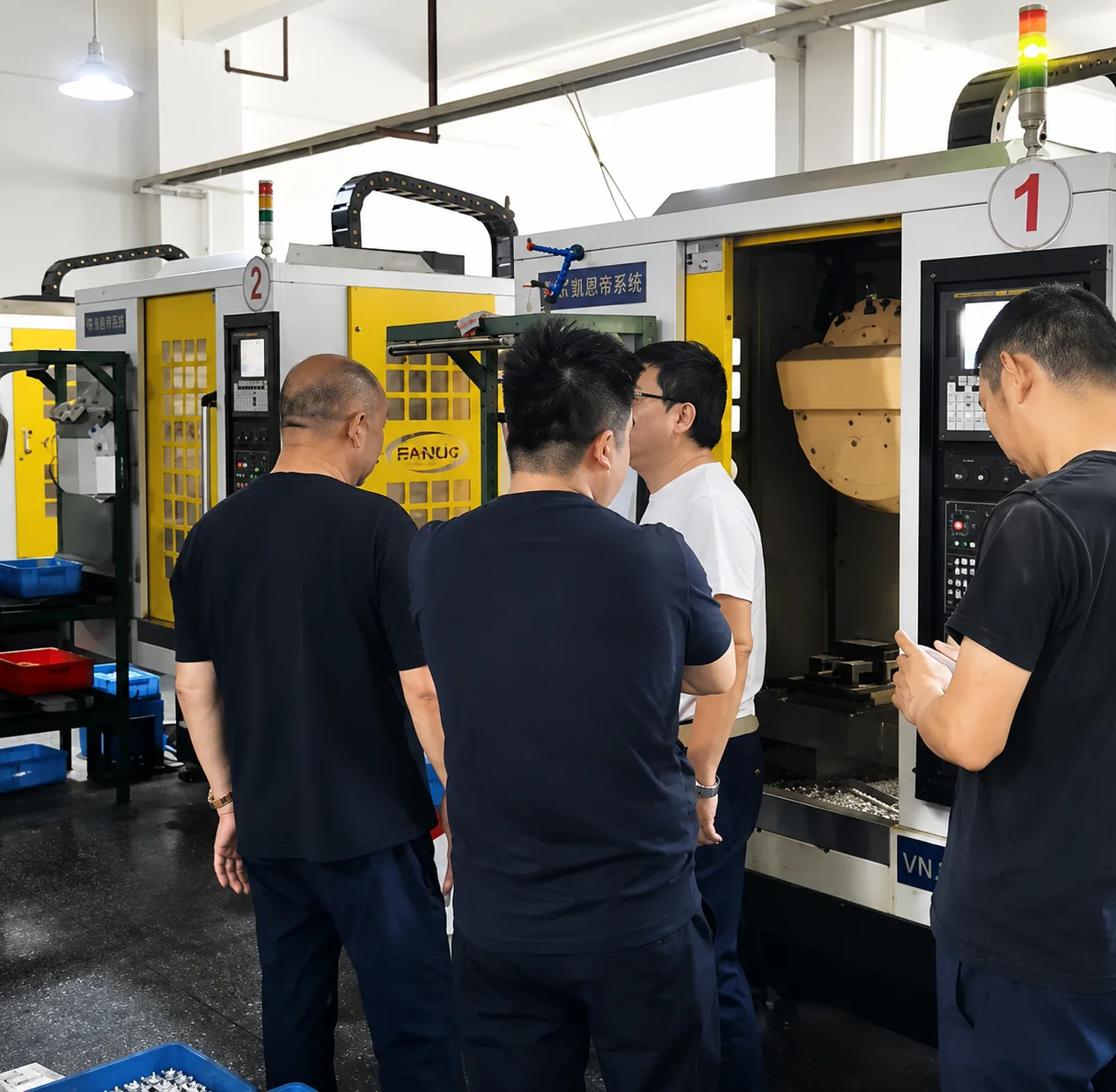
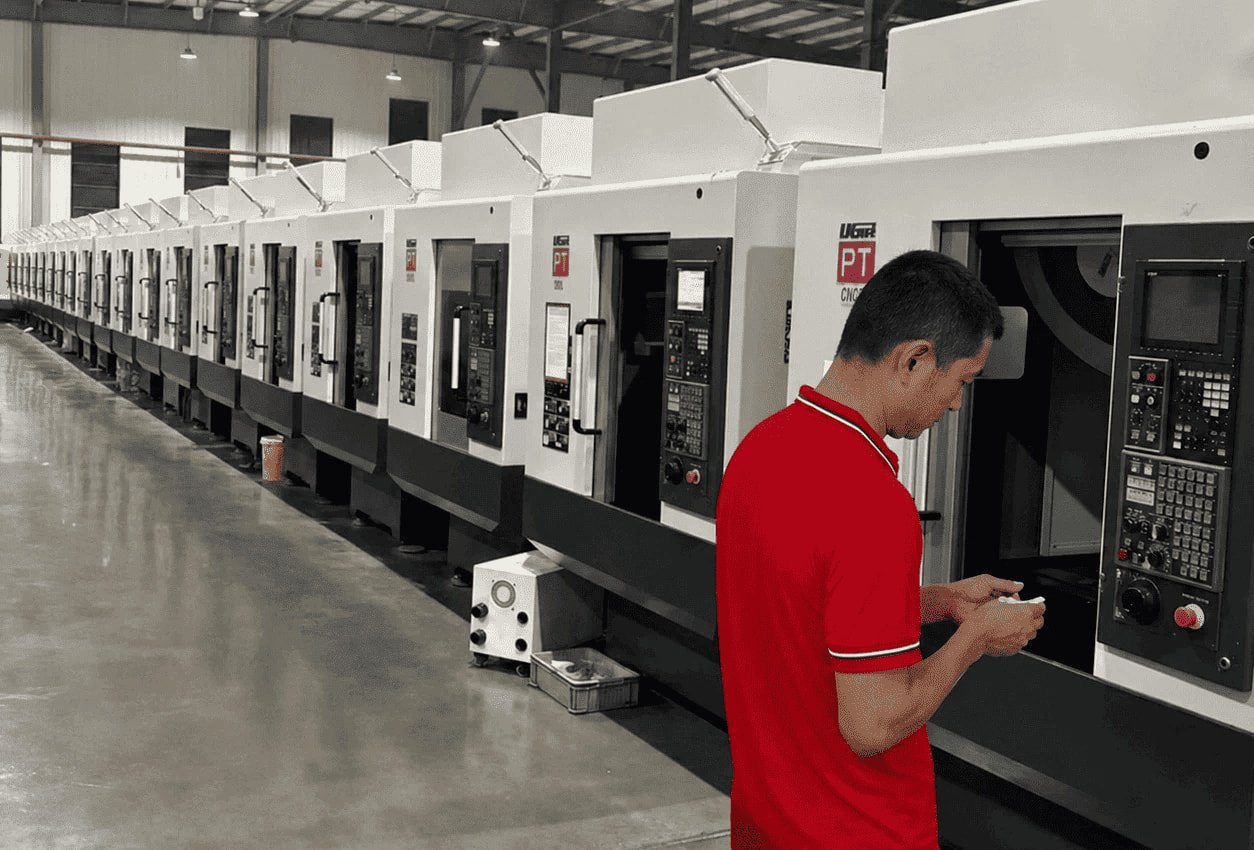
LuckyHxs is a fully auditable facility committed to international standards.
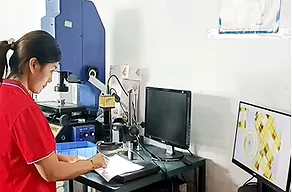
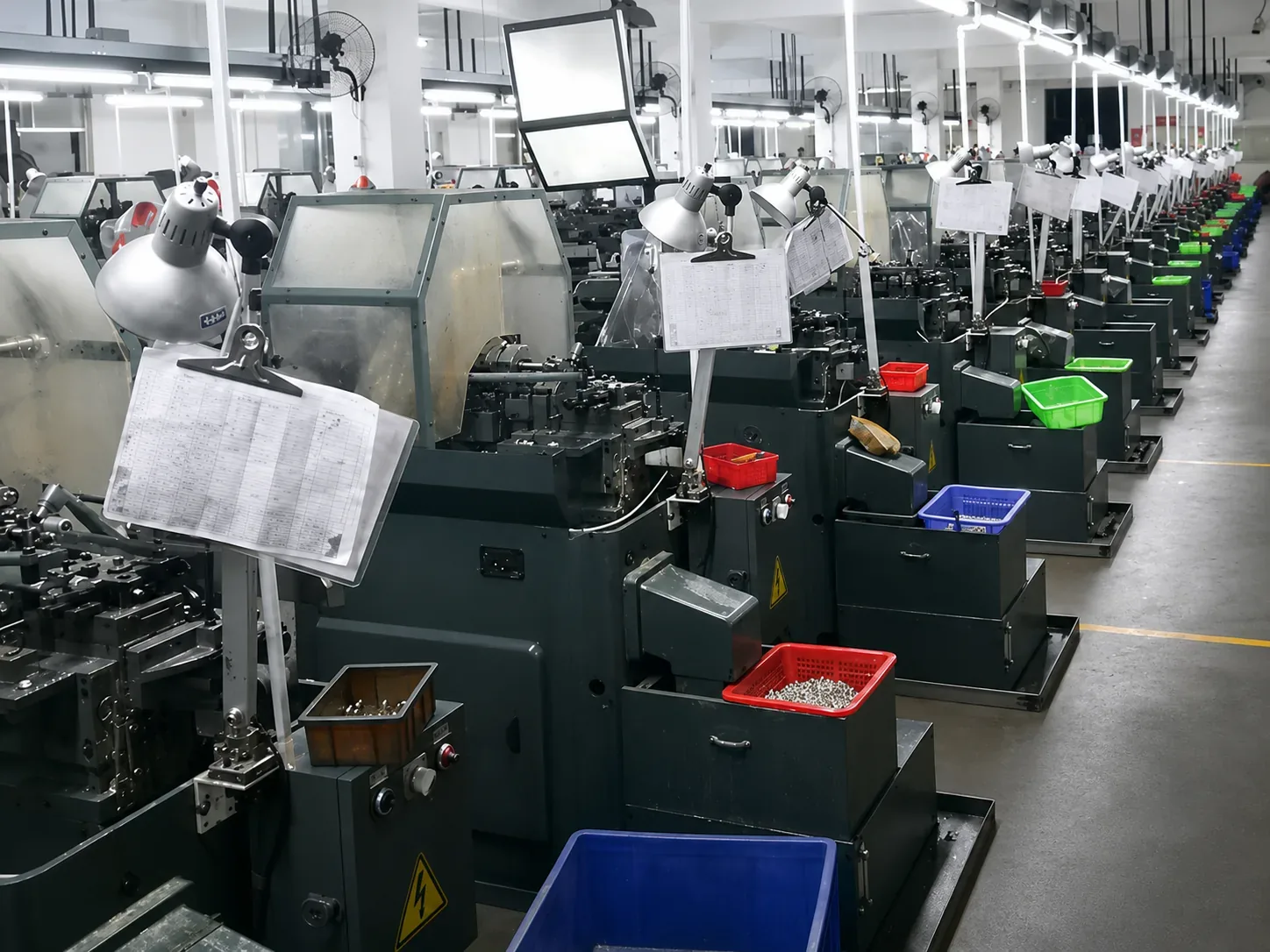
See How LuckyHxs CNC Parts Are Machined and Inspected
What Affects the Cost of CNC Machined Housings?
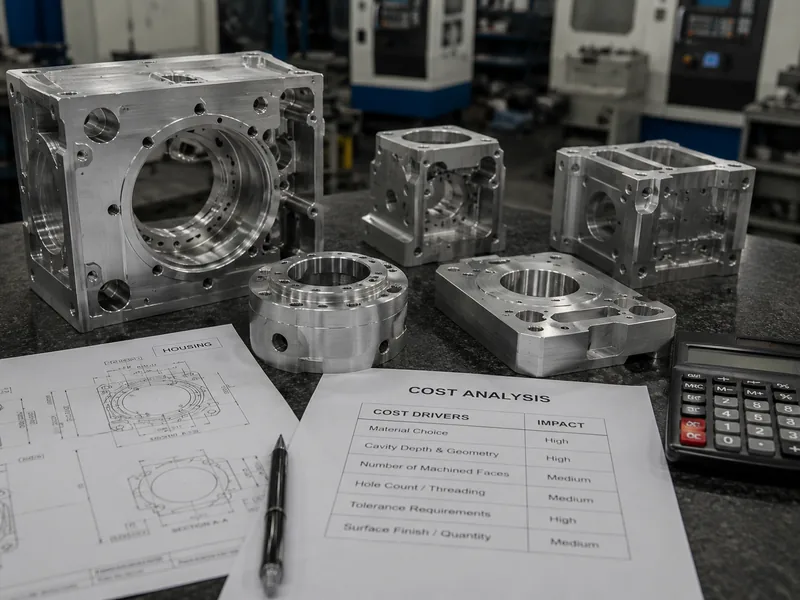
Buyers often focus on machine hourly rates, but real cost drivers lie in the design. Housing quotations are heavily influenced by:
- Material choice (machinability & raw cost).
- Cavity depth and internal geometry (requiring long, slow tool paths).
- Number of machined faces (requiring multiple setups).
- Hole count and threading requirements.
- Tolerance requirements (tighter tolerances mean slower feeds and more inspection).
- Surface finish and order quantity.
Relax tolerances on non-critical faces, standardize hole sizes to common tool diameters, and avoid unnecessarily deep blind pockets.
What Is the Best Material for CNC Machined Housings?
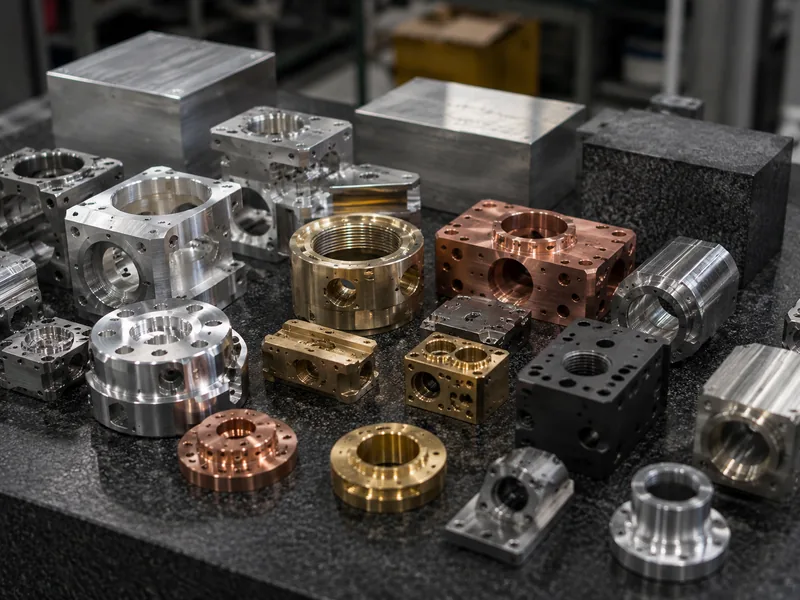
There is no single "best" material. Selection depends entirely on weight limits, corrosion resistance, strength, heat dissipation, conductivity, and the application environment.
- Aluminum: The most common choice. Perfect for electronic enclosures, camera housings, and automation parts due to excellent heat dissipation and anodizing capability.
- Stainless Steel: Chosen for harsh, corrosive, or sanitary environments (like medical or food-grade housings).
- Brass / Copper: Selected when electrical conductivity or a specific aesthetic is required.
- POM (Plastics): Suits lightweight, non-metal, electrically insulating applications.
Can AI Replace Experienced CNC Machinists in Housing Production?
While AI software helps with programming, scheduling, and basic process planning, generating G-code is only half the battle. Experienced machinists and inspectors remain crucial for housing production.
Human expertise is required to judge datum strategy, ensure clamping stability for thin walls, control burrs in blind holes, verify thread quality, and maintain sealing surface integrity.
Frequently Asked Questions
Can you machine housings based on my 2D or 3D drawings?
What materials do you commonly use for CNC machined housings?
Can you support both prototypes and production orders?
How do you control internal dimensions and hole positions?
Can you machine sealing grooves and threaded holes?
How do you prevent burrs and chips inside cavities?
What do you need for a quotation?
Request a Quote
Upload your drawing for a drawing-based quotation. Our engineering team will review your requirements.
Direct Contact:
admin1@lucky-hxs.com
+86 13342931453
Shenzhen Bao'an Songgang