
Custom CNC Lathe Parts Manufacturer for Wholesale Production
LuckyHxs specializes in manufacturing custom CNC turned components strictly made to customer drawings or samples. We provide reliable prototype-to-volume production for metal and engineering-plastic machined parts, supporting OEMs, equipment manufacturers, and industrial buyers worldwide.
Send your drawing, material, quantity, critical tolerances and finishing requirements for project review.
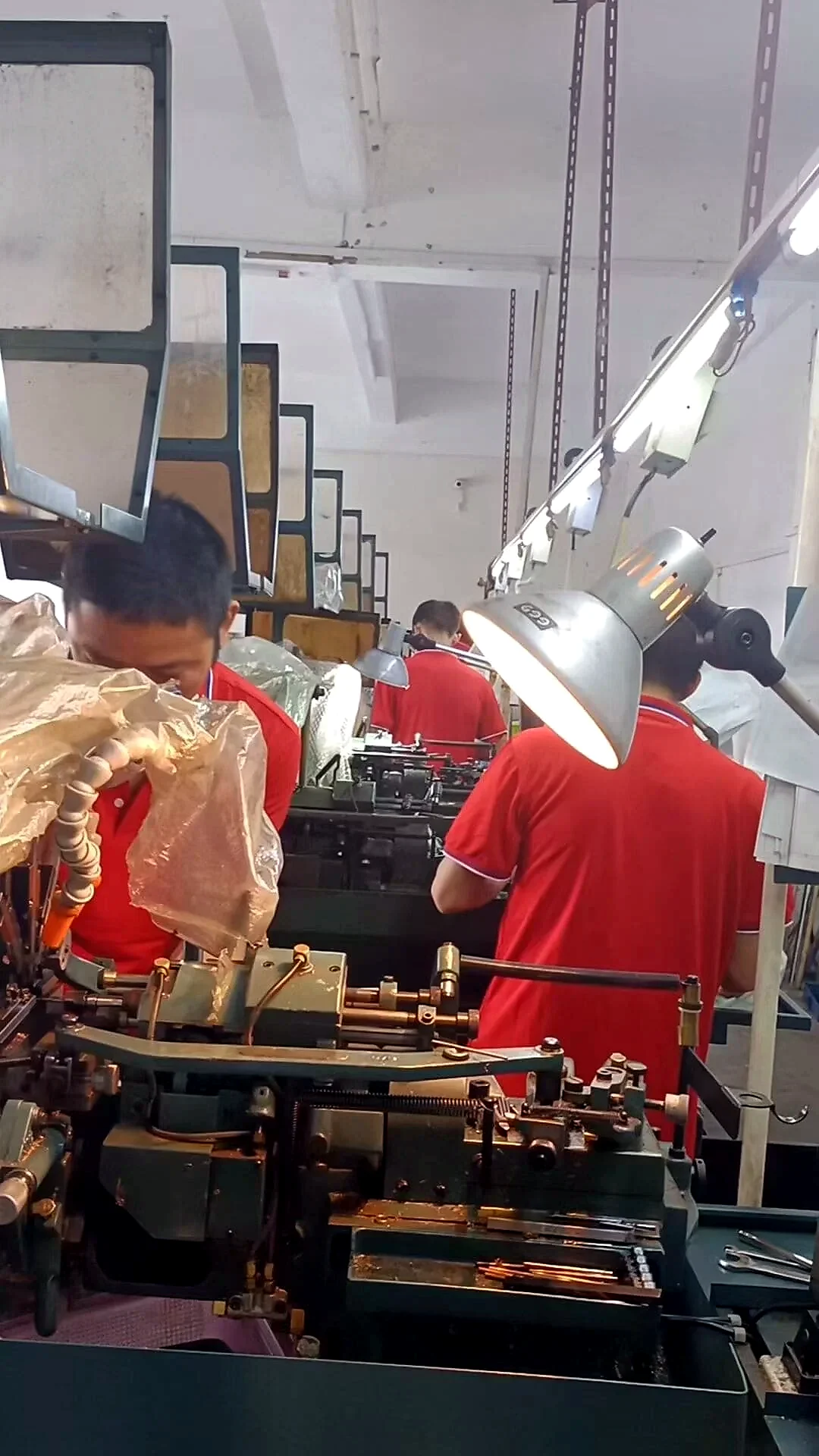
Precision components machined to customer specifications.
Wholesale CNC Lathe Parts at a Glance
Quick specifications and manufacturing capabilities to help procurement managers evaluate our custom turning services.
Supply Type
Custom, made-to-drawing CNC turned parts
Production Support
Prototype, trial order and volume production subject to project review
Main Processes
CNC turning, Swiss machining, turn-mill machining and automatic lathe machining
Typical Parts
Shafts, bushings, pins, threaded parts, connectors, adapters, valve parts and knurled parts
Materials
Aluminum, stainless steel, free-machining steel, brass, copper and selected engineering plastics
Drawing Inputs
2D/3D files, material, quantity, critical tolerances, finish and inspection requirements
Tolerance
[CONFIRM GENERAL TOLERANCE AND FEATURE-SPECIFIC CAPABILITY]
Size Range
[CONFIRM TURNING DIAMETER AND LENGTH RANGE]
MOQ
[CONFIRM MOQ BY PROCESS AND PART]
Lead Time
[CONFIRM SAMPLE AND PRODUCTION LEAD TIME]
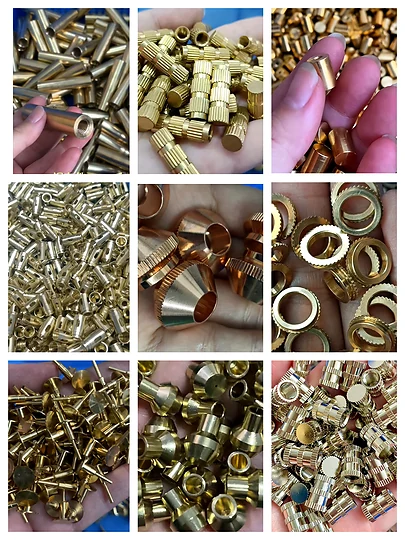
What Are Custom Wholesale CNC Lathe Parts?
CNC lathe parts are precision components manufactured by rotating a bar or workpiece while cutting tools remove material to create the desired shape. This process, known as CNC turning, is highly efficient for producing cylindrical, threaded, and rotationally symmetric items such as shafts, sleeves, pins, and connectors.
In the context of this page, the term "wholesale" refers to batch or high-volume custom production for B2B buyers, rather than the sale of off-the-shelf standard fasteners. Every part we manufacture is produced to the specific dimensions, tolerances, and material requirements detailed in your engineering drawings. For parts requiring complex cross holes, flats, or slots, our engineering team will evaluate the drawing for turn-mill machining or secondary operations to ensure cost-effective production.
Stable Dimensional Fit
Controlled turning processes aim to maintain consistent outer and inner diameters, ensuring proper assembly fit for bearings, seals, and mating components across the production batch.
Concentric Features
Machining multiple features in a single setup on a CNC lathe helps achieve excellent concentricity and minimal runout, critical for rotating shafts and fluid control valves.
Repeatable Threads
Internal and external threads are programmed and cut to specified standards, monitored with thread gauges to prevent assembly issues or thread stripping.
Controlled Burrs and Cleanliness
Deburring strategies and cleaning protocols are implemented according to project requirements to prevent contamination in sensitive hydraulic or electronic applications.
Scalable Batch Production
From initial prototype validation to high-volume bar-fed production, the manufacturing process is designed to scale while managing tool wear and cycle times.
Material and Inspection Records
Project-specific documentation, including material certificates and dimensional inspection reports, can be provided based on your procurement requirements.
CNC Lathe Machine Parts vs. CNC Turned Parts: What Are You Buying?
Clarifying search intent: We manufacture custom components, not replacement parts for machine maintenance.
When buyers search for "CNC lathe parts," there is often confusion between two entirely different product categories. Are you looking for a replacement chuck for your Haas machine, or are you looking to manufacture 5,000 custom aluminum shafts for a new motor design?
What are the parts of a CNC lathe? These are the structural and mechanical components that make up the machine itself—such as the headstock, spindle, chuck, bed, tailstock, turret, and control system. We do not sell these replacement machine parts.
What are CNC turned parts? These are the final products manufactured by a CNC lathe. They include custom shafts, bushings, pins, and threaded adapters made from raw metal or plastic bar stock. This is our core business. We manufacture these components strictly according to your engineering drawings.
If your project requires a made-to-drawing component rather than a machine spare part, our engineering team is ready to review your design for manufacturability and cost.
| Search Term / Buyer Intent | Typical Examples | LuckyHxs Scope |
|---|---|---|
| Parts of a CNC lathe machine | Headstock, spindle, chuck, bed, tailstock, turret, control system | Not the main product scope |
| CNC turned parts | Shafts, bushings, pins, threaded parts, connectors, adapters | Made to drawing or sample |
| Turn-mill components | Round parts with flats, cross holes, slots or milled features | Evaluated from the drawing |
Wholesale CNC Lathe Parts We Manufacture
Explore the diverse range of precision turned components we produce for industrial applications.
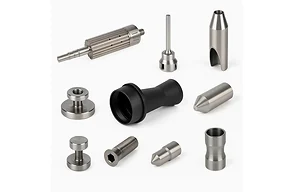
CNC Turned Shafts
Motor shafts, stepped shafts, transmission shafts and precision spindles for machinery and automation.
Request This Part Type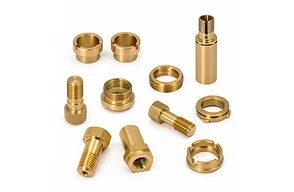
CNC Machined Bushings
Plain bushings, flanged bushings, sleeves and bearing spacers for alignment, wear control and assembly.
Request This Part Type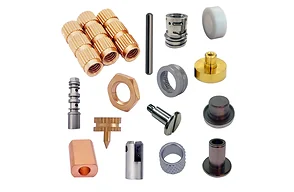
CNC Turned Pins
Dowel pins, threaded pins, grooved pins and knurled pins for positioning and fastening.
Request This Part Type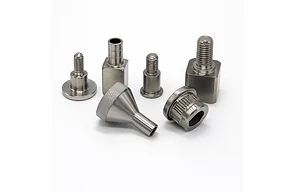
CNC Threaded Parts
Components with internal, external, metric or project-specific thread requirements.
Request This Part Type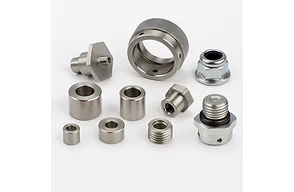
CNC Turned Connectors
Precision connectors and coupling components for electrical, electronic, communication and industrial equipment.
Request This Part Type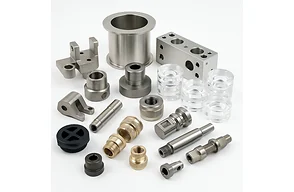
CNC Machined Adapters
Threaded, hydraulic, pneumatic and instrument adapters manufactured to customer drawings.
Request This Part Type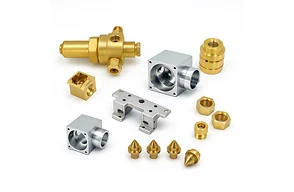
CNC Turned Valve Parts
Valve stems, spools, seats and related flow-control components, subject to drawing and application review.
Request This Part Type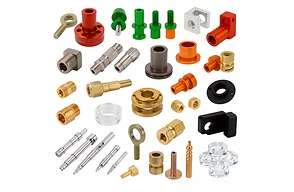
CNC Knurled Parts
Knurled knobs, nuts, pins and inserts with straight or diamond knurling options.
Request This Part TypeCommon Problems Buyers Face with CNC Turned Parts
We understand that poor quality control in turning can lead to assembly failures. Here is how we address common sourcing pain points.
| Buyer Problem | Production Consequence | What Should Be Controlled |
|---|---|---|
| Dimensional Inconsistency | Poor fit, rework or assembly failure during final product integration. | Thorough drawing review, identifying critical dimensions, and rigorous in-process inspection. |
| Runout and Concentricity Problems | Vibration, excessive noise, uneven wear or sealing issues in rotating assemblies. | Establishing a clear datum strategy, setup control, and appropriate measurement techniques. |
| Thread and Knurling Defects | Difficult assembly, cross-threading, slipping or failed insert retention. | Use of calibrated thread gauges, profile review, and visual knurl inspection. |
| Burrs and Internal Contamination | Damaged O-ring seals, scratches on mating parts, or fluid contamination in valves. | Defined deburring procedures, ultrasonic cleaning, and visual inspection under magnification. |
| Prototype-to-Production Inconsistency | Approved initial samples but unstable quality in subsequent production lots. | Strict first-article approval and locking in controlled production parameters for the batch. |
| Material and Inspection Traceability | Material uncertainty leading to difficult quality investigations if failures occur. | Maintaining material records and providing project-defined inspection documentation. |
Which Parts Are Best Suited for CNC Turning?
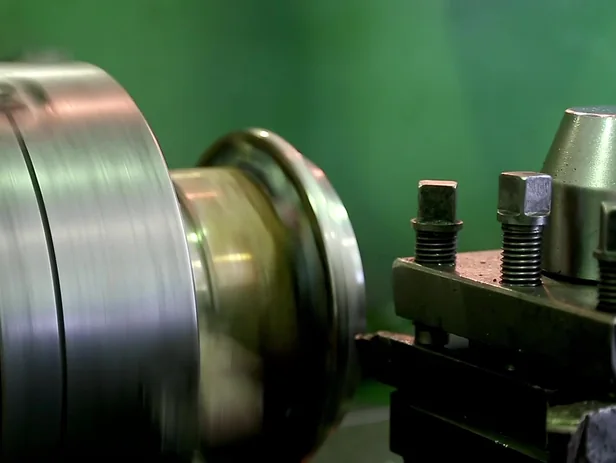
Not every custom part should be machined on a lathe. While a CNC mill is excellent for blocky, prismatic shapes, CNC turning is the optimal choice for parts with primarily round or rotational geometry. If your component features OD/ID diameters, shoulders, bores, and concentric features, it is likely a candidate for turning.
Ideal parts for wholesale CNC turning include those with internal or external threads, grooves, tapers, and chamfers. Furthermore, parts that can be made efficiently from continuous bar, rod, or tube stock offer significant cost advantages in high-volume production due to automated bar feeding.
What is the difference between CNC turning and turning? The fundamental cutting mechanics are the same, but CNC turning utilizes computer programming to control the tool paths, allowing for complex geometries, precise tapers, and highly repeatable quantities requiring stable process control, which manual turning cannot consistently achieve in large batches.
Can a CNC mill replace a lathe? While mills can interpolate circular features, turning is vastly faster, more accurate for concentricity, and more cost-effective for truly cylindrical parts.
| Part Geometry | Best Starting Process | Typical Parts | Buyer Watch Point |
|---|---|---|---|
| Standard cylindrical, >10mm dia. | CNC Turning | Standard shafts, large bushings, flanges | Check chucking requirements and overall length. |
| Long, slender, <20mm dia. | Swiss CNC Machining | Medical pins, small complex shafts | Material straightness and tolerance stack-up. |
| Round base + cross holes/flats | Turn-Mill Machining | Complex connectors, custom fittings | Live tooling capability vs secondary milling cost. |
| Square, rectangular, prismatic | CNC Milling | Brackets, housings, plates | Not suited for lathes; requires milling centers. |
Common CNC Lathe Operations and What Buyers Should Specify
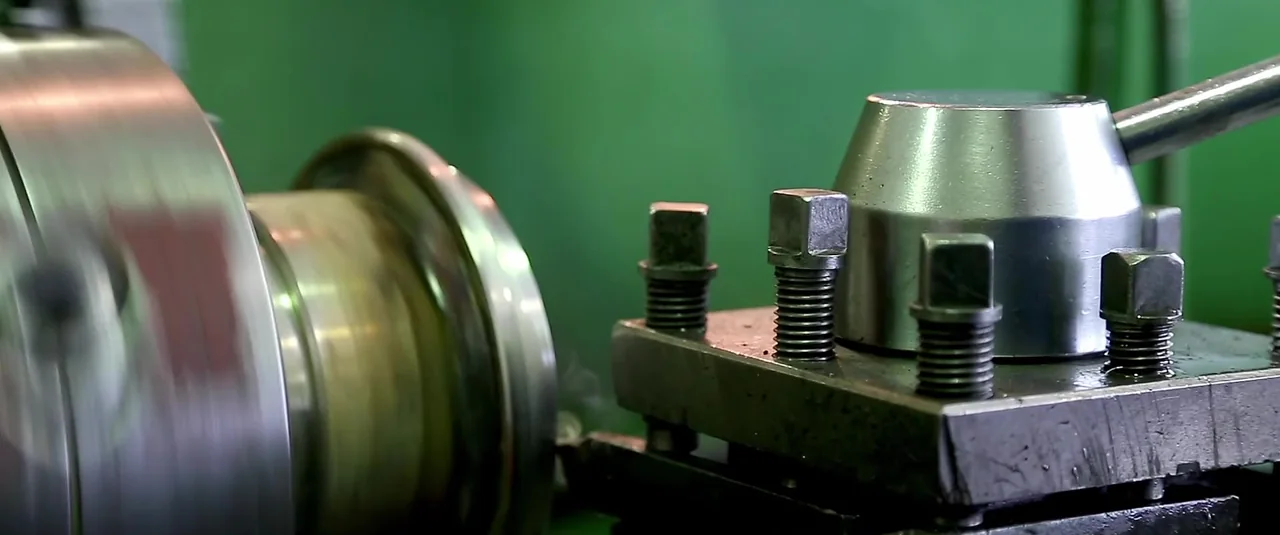
Understanding these 8 core operations helps procurement teams communicate drawing requirements and anticipate quality risks.
| Operation | Feature Produced | Drawing Information Needed | Common Quality Risk |
|---|---|---|---|
| Facing | Flat surface at the end of the part | Overall length tolerance, surface finish (Ra) | Tool marks left at the center point (pip). |
| OD/ID Turning | Outer and inner cylindrical diameters | Diameter tolerances, concentricity callouts | Diameter drift over large batches; taper on slender parts. |
| Drilling & Boring | Internal holes and enlarged precise bores | Hole depth, diameter tolerance, bottom shape | Runout, bell-mouthing, or poor surface finish deep in the bore. |
| Grooving | O-ring grooves, circlip grooves, undercuts | Groove width, depth, corner radii, position | Burrs at the groove edges; incorrect width causing seal failure. |
| Threading | Internal or external screw threads | Thread standard (e.g., M8x1.25), class of fit, length | Thread mismatch, tearing, or incorrect engagement length. |
| Knurling | Textured grip surfaces (straight or diamond) | Knurl pitch, pattern type, cosmetic requirements | Double-tracking, flaking material, or inconsistent depth. |
| Taper Turning | Conical shapes and transitions | Angle, start/end diameters, transition radii | Chatter marks; incorrect angle affecting mating parts. |
| Parting / Cutoff | Separating the finished part from bar stock | Acceptable cutoff burr or pip size | Large cutoff burrs requiring secondary manual deburring. |
What We Review Before CNC Turning Production
A thorough engineering review of your RFQ ensures accurate pricing and minimizes quality risks during volume production.
2D/3D Drawing
Provides the geometric baseline and explicit tolerances required for programming.
Material Grade
Dictates tool selection, feeds/speeds, and overall machinability cost.
Order Quantity
Determines setup amortization and whether bar-feeding automation is viable.
Critical Dimensions
Highlights which features require in-process monitoring and specific inspection gauges.
Concentricity & Runout
Influences workholding strategy to ensure rotating parts function without vibration.
Threads & Grooves
Requires specific cutting tools and thread gauges (Go/No-Go) to be prepared.
Cross Holes & Flats
Determines if the part needs turn-mill capability or secondary milling operations.
Surface & Cleaning
Defines deburring time, ultrasonic cleaning needs, and plating/anodizing requirements.
Inspection & Packaging
Clarifies documentation needs (e.g., material certs) and custom packaging to prevent transit damage.
Materials for Custom CNC Turned Parts
We machine a wide variety of bar stock. Final material availability and specifications are confirmed during quotation.
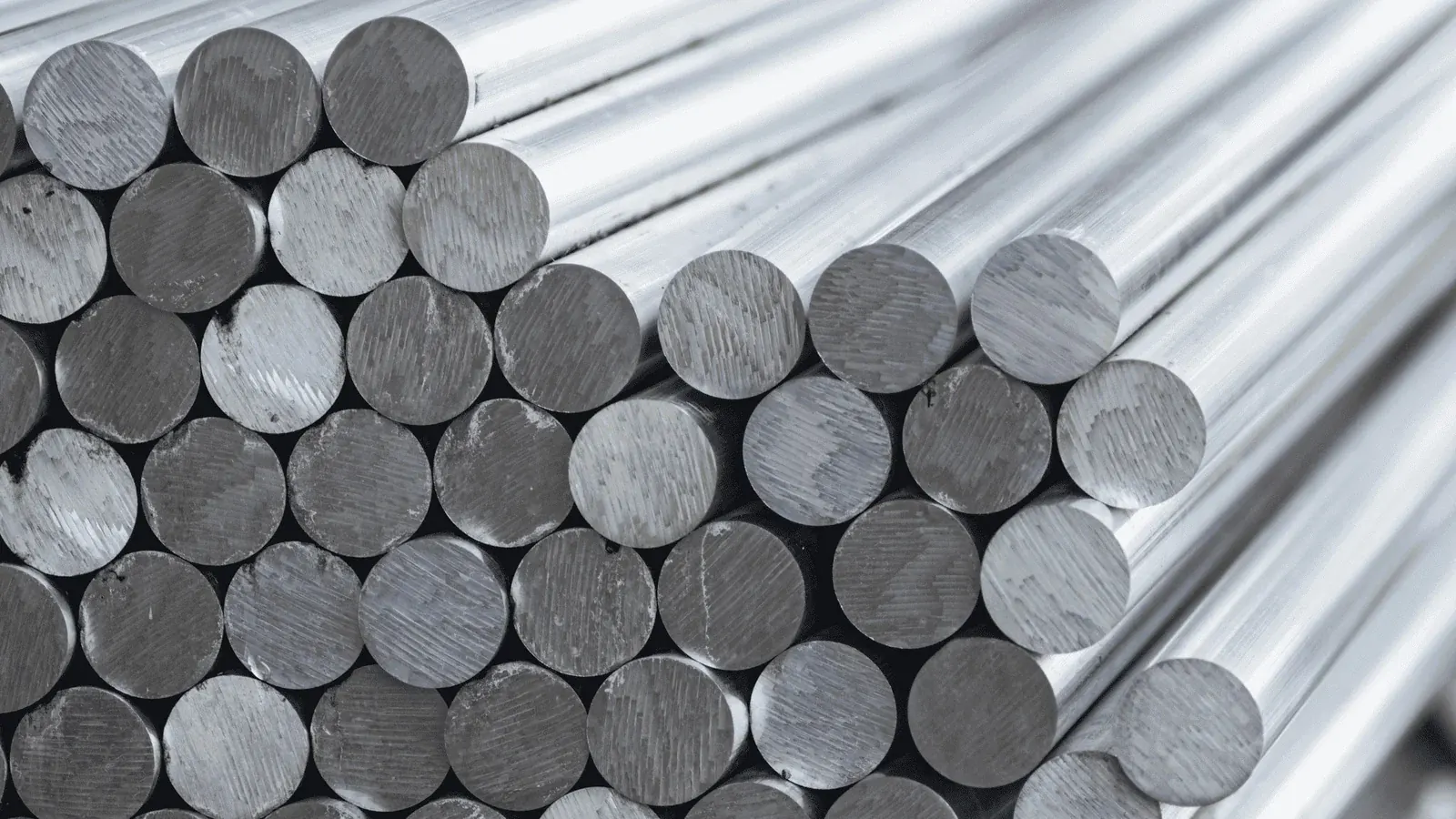
Aluminum
6061, 6063, 7075, 2024, 5052
Excellent machinability, lightweight, and good corrosion resistance. Ideal for automotive, electronics, and aerospace components.
Finishes: Anodizing, Sandblasting
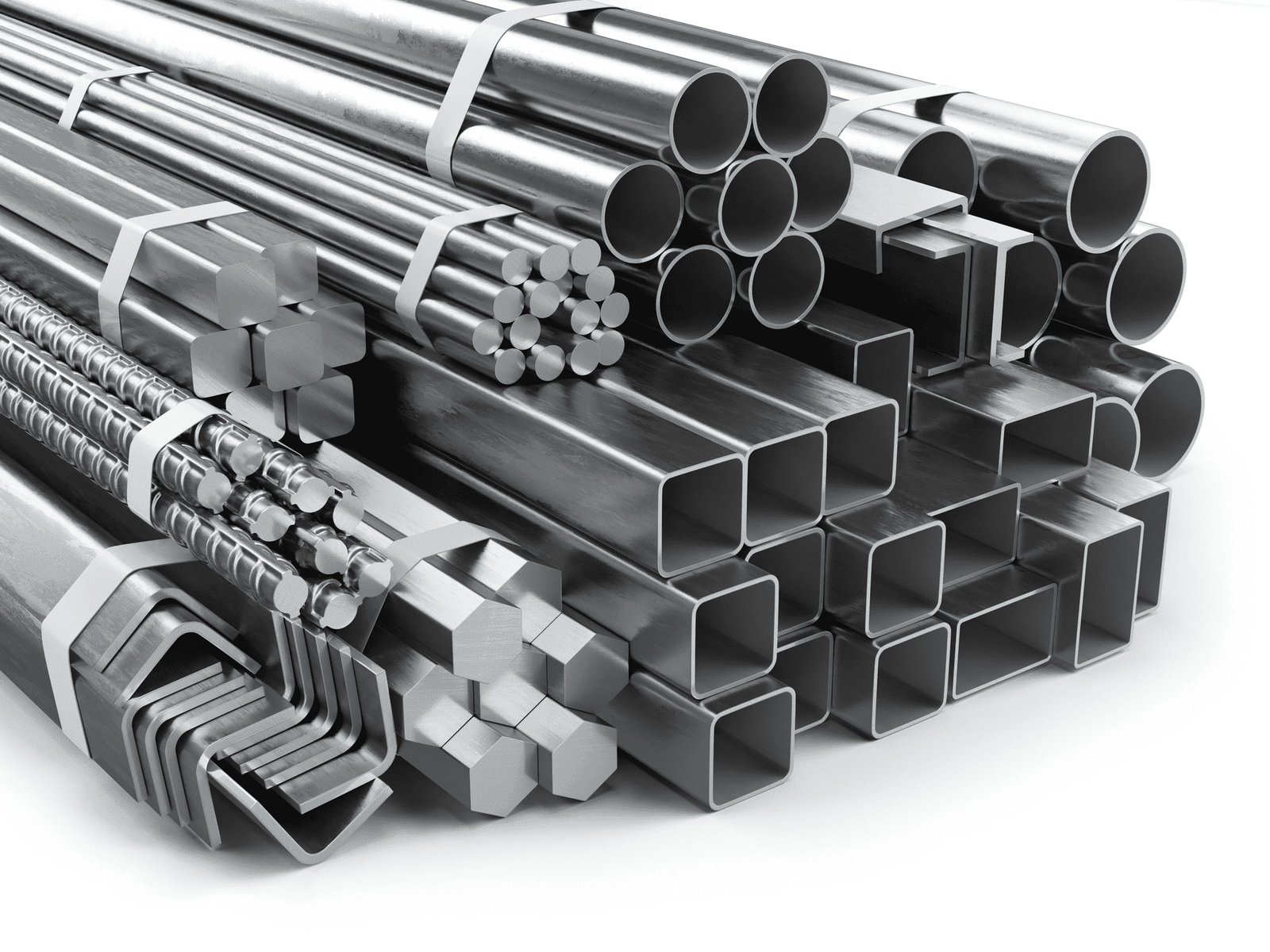
Stainless Steel
303, 304, 316/316L
High strength and superior corrosion resistance. Commonly used for valve parts, marine fittings, and medical devices.
Finishes: Polishing, Passivation
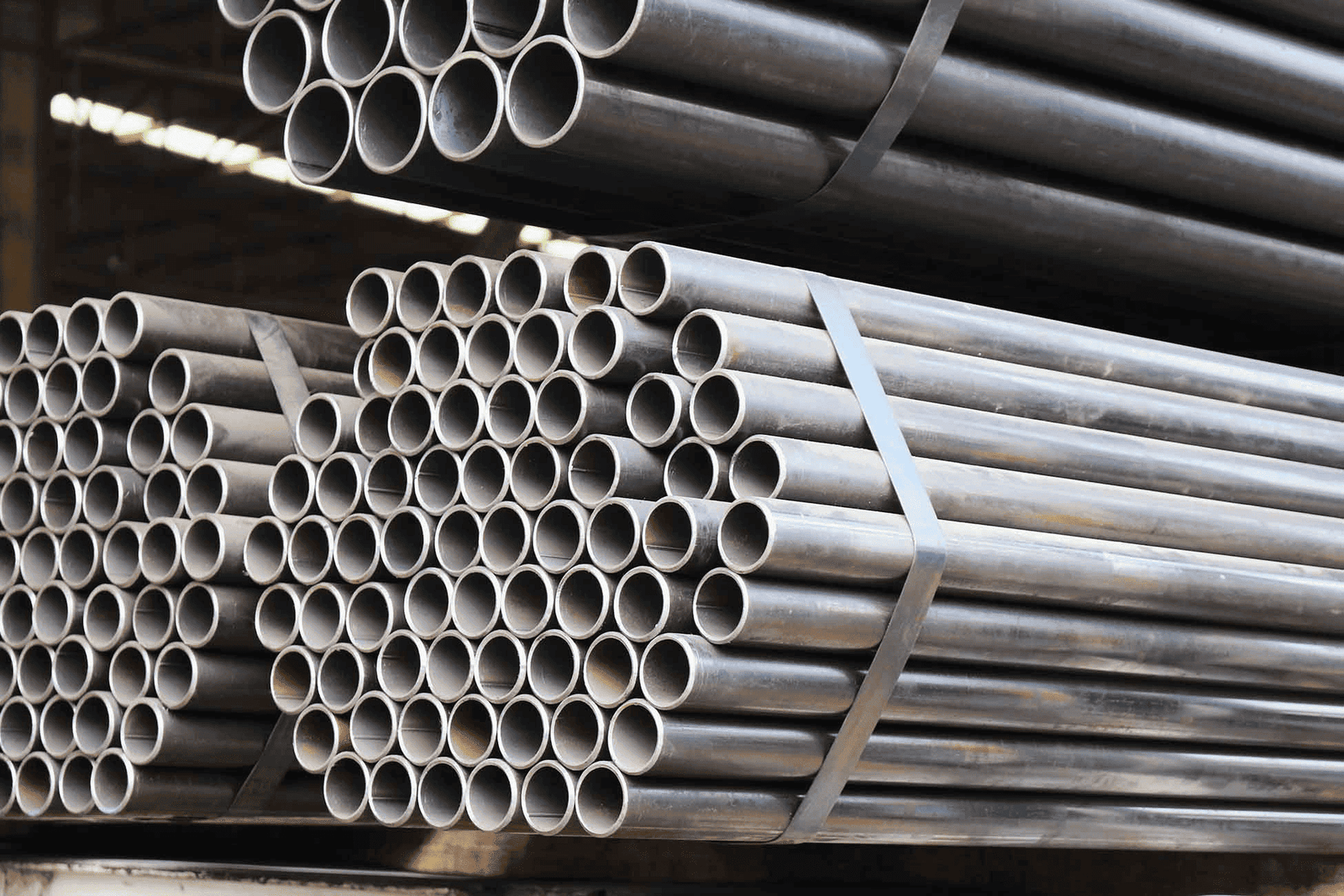
Free-Machining Steel
1214, 1215
Allows for very high cutting speeds and excellent surface finishes. Cost-effective for high-volume shafts and pins.
Finishes: Plating, Black Oxide

Brass & Copper
Various Alloys
Outstanding electrical and thermal conductivity. Highly machinable for connectors, electrical contacts, and plumbing fittings.
Finishes: Plating, Natural
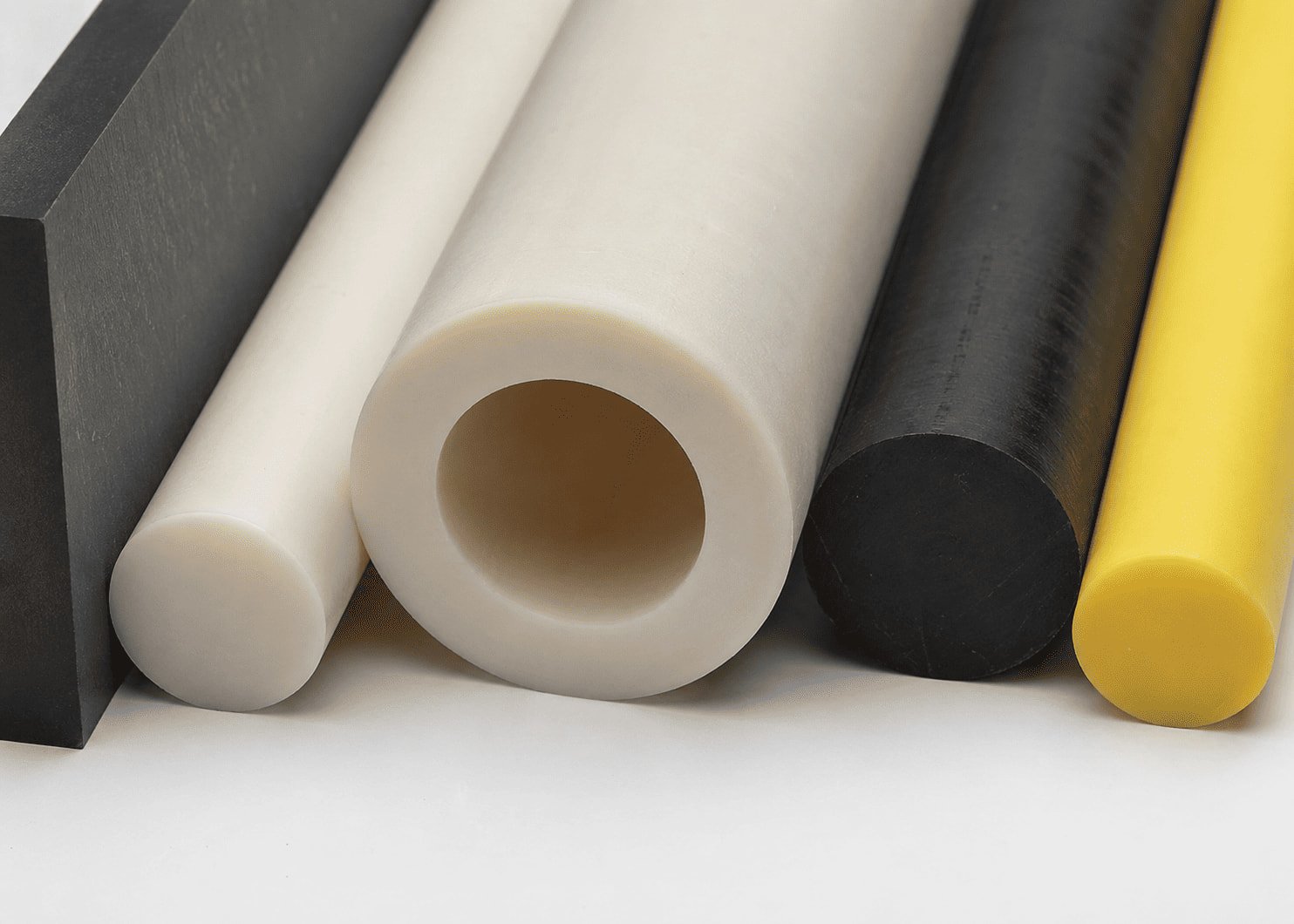
Engineering Plastics
POM (Delrin), etc.
Used for components requiring low friction, electrical insulation, or weight reduction. Great for bushings and insulators.
Finishes: As Machined
CNC Turning Capabilities for Simple and Complex Parts
We deploy different turning technologies based on your part's geometry, tolerance, and volume requirements.
CNC Turning
Suited for standard cylindrical parts. Helps reduce setup times and provides stable dimensional control for medium to large batches.
Swiss CNC Machining
Best for long, slender, or very small diameter parts. Reduces deflection risk and holds tight tolerances on complex micro-features.
Turn-Mill Machining
Integrates live tooling. Suited for parts with cross holes or flats, reducing the risk of handling errors by finishing the part in one setup.
Automatic Lathe Machining
Highly efficient for simpler, high-volume production runs, significantly reducing unit costs while maintaining acceptable commercial tolerances.
Threading & Grooving
Precision control over thread profiles and O-ring grooves, reducing the risk of assembly interference or fluid leakage.
Knurling
Provides cosmetic or functional grip surfaces. Carefully controlled to prevent material flaking and ensure consistent texture.
Drilling, Boring & Reaming
Creates precise internal diameters and finishes, critical for bearing fits and internal fluid flow paths.
Deburring & Cleaning
Removes sharp edges and machining chips, mitigating the risk of contamination and injury during final assembly.
Parts with flats, cross holes, off-axis features or complex slots may require live-tool turning, turn-mill machining or secondary operations. Our engineering team will evaluate the most cost-effective method based on your drawing.
Choosing the Right Turning Process for Your Part
Process selection impacts both cost and quality. Here is how we evaluate your design to recommend the best manufacturing approach.
| Part Requirement | Suggested Process | Key Review Point |
|---|---|---|
| Standard cylindrical parts | Standard CNC Turning | Review overall length and chucking feasibility. |
| Long, slender or small-diameter parts | Swiss CNC Machining | Evaluate length-to-diameter ratio to prevent deflection. |
| Parts with cross holes or flats | Turn-Mill Machining | Assess if features can be completed in one setup to save cost. |
| High-volume bar-fed parts | Automatic Lathe / CNC Turning | Confirm material availability in required bar stock sizes. |
| Tight concentric features | Single-Setup CNC Turning | Define datum surfaces clearly on the drawing. |
| Prototype or design-validation quantities | CNC Turning (Manual Feed) | Balance setup costs against low production volume. |
*All suggestions are subject to engineering review based on your specific 2D/3D drawings.
How Is CNC Turning Cost Calculated for Wholesale Parts?
Understanding cost drivers helps procurement managers optimize designs for better high-volume pricing.
A common misconception is that CNC turned parts are priced solely by material weight. In reality, pricing for custom wholesale production is a complex calculation that balances material costs, machine time, and labor.
How to calculate CNC turning cost? The core calculation begins with the raw material grade and bar size. We must select a bar diameter slightly larger than your part's maximum outer diameter. The larger the difference, the more material must be removed, increasing both material waste and cycle time.
Setup and programming time are fixed costs. In a prototype run of 50 pieces, this setup cost significantly impacts the unit price. In a wholesale batch of 10,000 pieces, the setup cost is amortized, dropping the unit price substantially. However, it is important to note that while volume increases lower unit costs, they do not decrease infinitely at a fixed percentage.
Other critical factors include tool wear (especially for hard materials like stainless steel), tolerance requirements (tighter tolerances require more frequent inspection and tool adjustments), and secondary operations. If a part requires cross-drilling or milling, and turn-mill equipment is utilized, the machine hourly rate is higher, though it saves on manual secondary setups.
Estimated Unit Cost = Material + (Setup / Quantity) + Cycle Time + Tooling + Secondary Ops + Inspection + Finishing + Packaging
| Cost Driver | Why It Changes Price | What Buyers Can Provide |
|---|---|---|
| Material Machinability | Aluminum cuts faster than stainless steel, reducing cycle time and tool wear. | Allow alternative equivalent material grades if applicable. |
| Part Geometry & Volume | Extensive material removal from large bar stock increases machine time. | Design parts close to standard bar stock diameters. |
| Tolerances | Tight tolerances (e.g., ±0.01mm) slow down production and increase scrap rates. | Apply tight tolerances only to critical functional mating surfaces. |
| Batch Quantity | Larger quantities amortize setup, programming, and tooling costs. | Provide accurate annual usage or target batch sizes for quoting. |
DFM Insights for More Cost-Efficient CNC Turned Parts
Design for Manufacturability (DFM) adjustments can significantly lower production costs without compromising part function.
1. Apply tight tolerances only to functional features.
Manufacturing Impact: Universal tight tolerances increase inspection time and scrap. Buyer Decision: Open tolerances on cosmetic or non-mating surfaces.
2. Use standard bar diameters where possible.
Manufacturing Impact: Designing a 26mm OD part requires turning down 30mm stock. Buyer Decision: If possible, adjust the max OD to 25mm or 25.4mm (1 inch) to save material and time.
3. Avoid unnecessarily deep bores and narrow internal grooves.
Manufacturing Impact: Deep bores cause tool deflection and poor chip evacuation. Buyer Decision: Limit bore depth to 4x diameter or allow a stepped bore design.
4. Add realistic corner radii and edge-break requirements.
Manufacturing Impact: Perfectly sharp internal corners require special tools and wear quickly. Buyer Decision: Specify a minimum radius (e.g., R0.5) to match standard tool inserts.
5. Make thread standards and engagement length explicit.
Manufacturing Impact: Ambiguous threads lead to incorrect tool selection and assembly failure. Buyer Decision: Clearly state the standard (e.g., M10x1.5-6g) and threaded length.
6. Review whether flats and cross holes justify turn-mill.
Manufacturing Impact: Adding a single flat might push the part to a more expensive machine. Buyer Decision: Evaluate if the non-cylindrical feature is strictly necessary.
7. Identify cosmetic, sealing, and bearing surfaces separately.
Manufacturing Impact: Over-polishing a non-visible part wastes money. Buyer Decision: Clearly mark sealing surfaces that require strict Ra finishes.
From Drawing Review to Volume Production
Our structured workflow ensures clarity, quality, and reliable delivery for your wholesale orders.
Drawing & RFQ Review
You provide 2D/3D files and quantities. We check for completeness, material feasibility, and critical tolerances to ensure accurate quoting.
DFM & Confirmation
We suggest Design for Manufacturability improvements to reduce costs and clarify ambiguous requirements before pricing.
Quotation & Planning
You receive a detailed quote. Upon order, we plan the production schedule, order raw materials, and allocate machine time.
First-Article Production
We setup the CNC lathe, program the toolpaths, and machine initial samples to verify the process against your drawing.
Inspection & Approval
Samples undergo strict dimensional checks. We submit the first-article inspection report (FAIR) for your approval.
Batch Production & Delivery
Upon approval, volume production begins with in-process monitoring, followed by final inspection, custom packaging, and shipment.
Quality Controls for Repeatable CNC Turned Parts
Our quality management system is designed to prevent defects before they reach your assembly line.
Incoming Material
Verification of raw material bar stock dimensions and grades to ensure proper machinability and final part strength.
Revision Control
Strict management of drawing versions to ensure machinists are programming and inspecting to the latest approved specifications.
First-Article Inspection
Comprehensive measurement of the initial part from a new setup to validate the CNC program and tooling before batch runs.
In-Process Checks
Periodic dimensional checks at the machine to detect tool wear and prevent dimensional drift during high-volume turning.
Thread & Feature Gauging
Use of calibrated Go/No-Go gauges, micrometers, and calipers suited to the specific feature and tolerance requirements.
Deburring & Cleanliness
Visual reviews to ensure parts are free of sharp edges, hanging burrs, and internal chips that could cause system failures.
Final Inspection
Final sampling inspection according to AQL standards (or project-defined levels) before parts are approved for packaging.
Nonconformance Review
Clear communication protocols if any issues arise, ensuring transparency and corrective actions rather than shipping hidden defects.
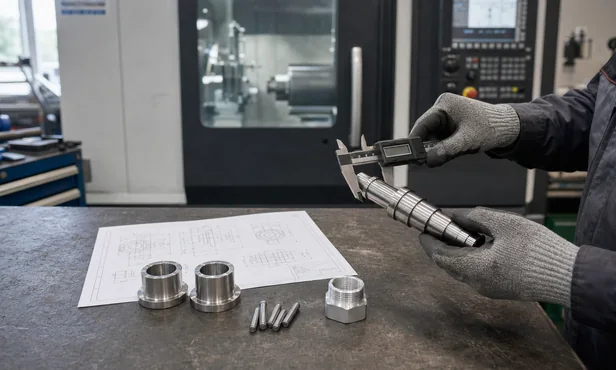
Inspection equipment is selected according to the feature, tolerance and reporting requirement specified in your order.
Common CNC Turned Part Problems and How Buyers Can Prevent Them
What are the most common problems that CNC machines encounter? For buyers, machine problems translate into part defects. Here is how we mitigate these risks.
1. Dimensional Drift Due to Tool Wear
Business Impact: Parts at the end of the batch fail to fit mating components.
Drawing Info Needed: Clear identification of the most critical mating diameters.
Manufacturing Review: Establishing tool-change intervals and in-process measurement frequencies for tight-tolerance features.
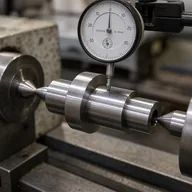
2. Excessive Runout or Poor Concentricity
Business Impact: Rotating shafts vibrate excessively, causing premature bearing failure.
Drawing Info Needed: Explicit concentricity or runout callouts relative to a specific datum.
Manufacturing Review: Planning the machining sequence to cut critical diameters in a single chucking setup.
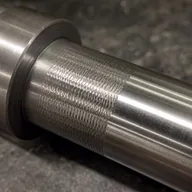
3. Chatter and Inconsistent Surface Finish
Business Impact: Poor sealing on O-ring grooves or unacceptable cosmetic appearance.
Drawing Info Needed: Surface roughness (Ra) requirements for specific sealing areas.
Manufacturing Review: Adjusting feeds, speeds, and tool nose radii; using tailstock support for long parts.
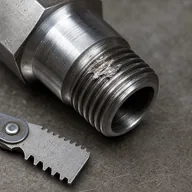
4. Thread Mismatch or Damaged Threads
Business Impact: Inability to assemble parts or thread stripping under torque.
Drawing Info Needed: Complete thread designation (e.g., class of fit) and whether post-plating allowance is needed.
Manufacturing Review: Ensuring the correct Go/No-Go gauges are available before production starts.
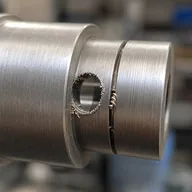
5. Burrs and Internal Chips
Business Impact: Loose chips block fluid channels in manifolds or valves.
Drawing Info Needed: Notes specifying "break all sharp edges" or specific cleanliness standards.
Manufacturing Review: Implementing automated deburring toolpaths or specifying secondary ultrasonic cleaning.
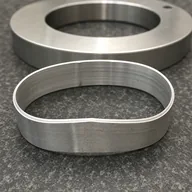
6. Thin-Wall Deformation
Business Impact: Round parts become oval after being removed from the lathe chuck.
Drawing Info Needed: Identification of parts with large IDs and small ODs (thin walls).
Manufacturing Review: Designing custom soft jaws to distribute clamping pressure evenly without crushing the part.
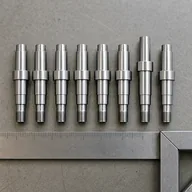
7. Sample-to-Batch Inconsistency
Business Impact: The 5 prototype samples were perfect, but the 5,000-piece batch has variations.
Drawing Info Needed: Clear AQL (Acceptable Quality Limit) or inspection requirements for the batch.
Manufacturing Review: Locking the CNC program and setup parameters after sample approval to prevent unauthorized changes.
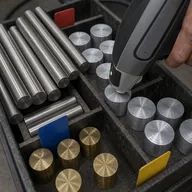
8. Mixed Material or Missing Traceability
Business Impact: Inability to trace the root cause if a part fails in the field due to material weakness.
Drawing Info Needed: Requirement for material certificates (e.g., EN 10204 3.1) at the time of order.
Manufacturing Review: Ensuring raw materials are segregated and lot numbers are recorded on shipping documents.
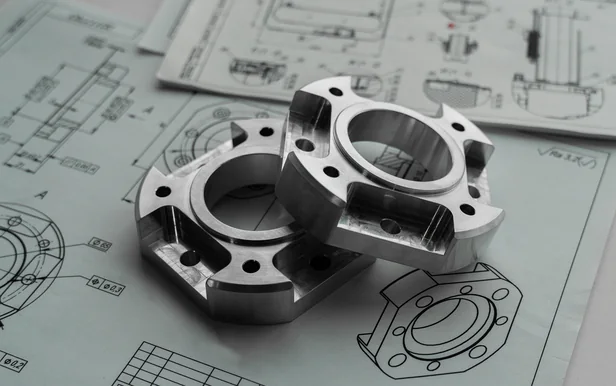
What Inspection Information Should Accompany a CNC Turned Parts Order?
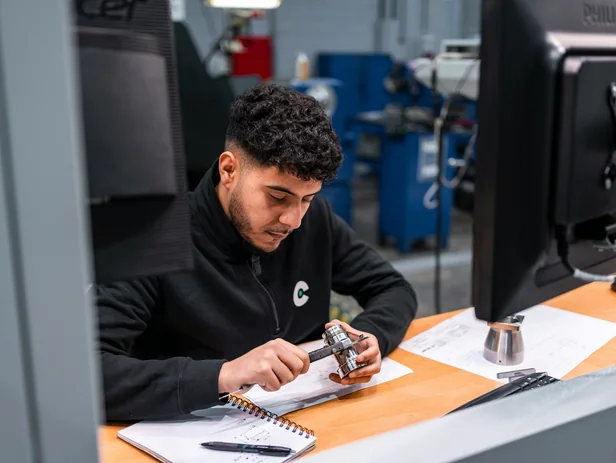
Not all parts require the same level of documentation. Over-specifying inspection reports can increase costs unnecessarily, while under-specifying can lead to receiving parts without the proof of quality you need for your ISO system.
When requesting a quote, please specify if you require a basic dimensional report, a detailed first-article report (FAIR), material certificates, or specific surface-finish measurements. Thread gauge results and runout measurements can also be documented upon request.
Discussing these requirements upfront ensures we allocate the appropriate quality control resources and price the order accurately.
| Part Function | Critical Feature | Possible Inspection Evidence | Confirm Before Order |
|---|---|---|---|
| Standard Assembly | Overall dimensions | Basic dimensional report | Standard reporting format |
| High-Speed Rotation | Concentricity / Runout | Runout measurement record | Datum specification |
| Fluid Sealing | O-ring groove finish | Surface roughness (Ra) reading | Measurement equipment capability |
| Load Bearing | Material strength | Material certificate / Mill test report | Must be requested at RFQ stage |
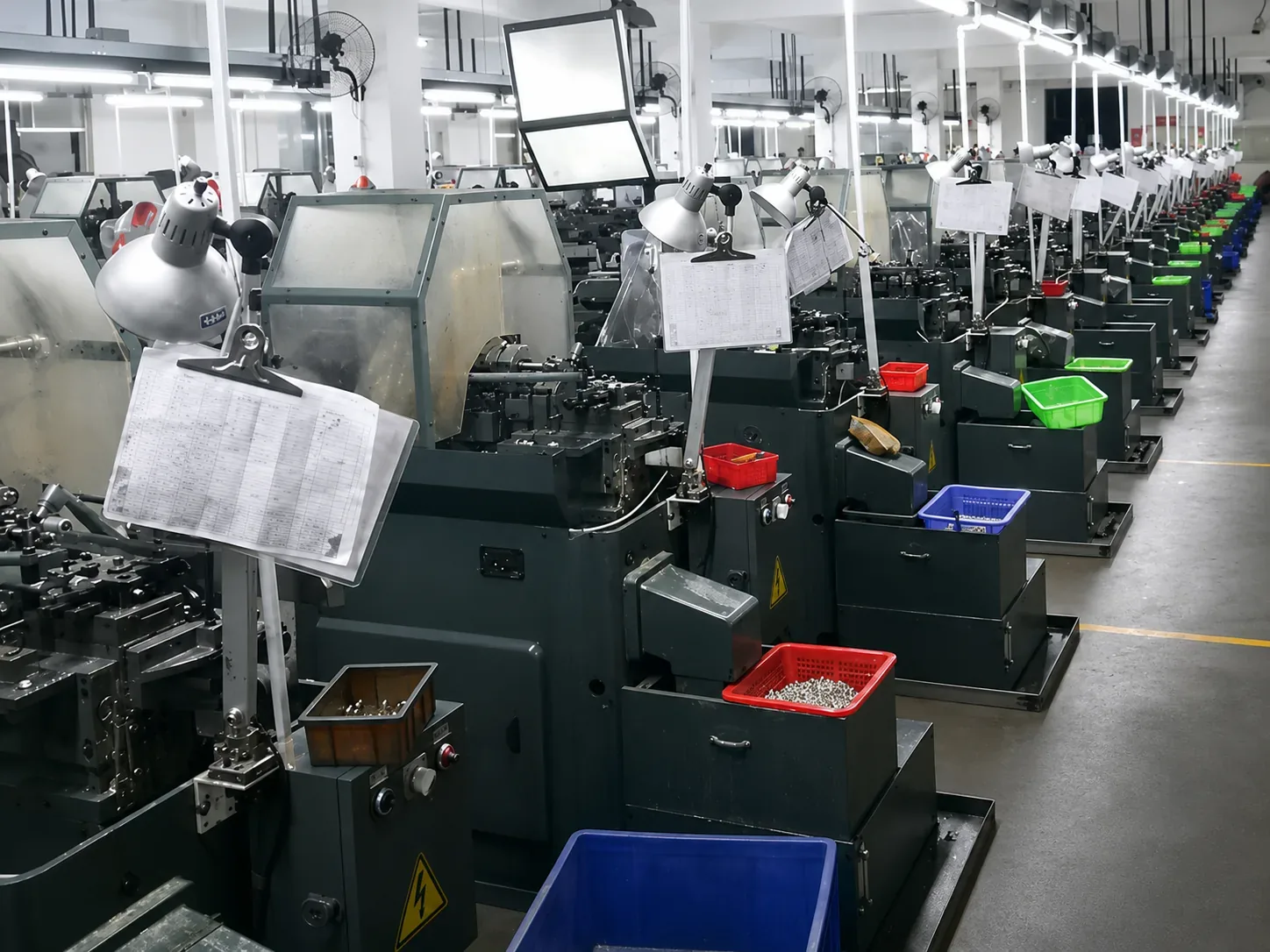
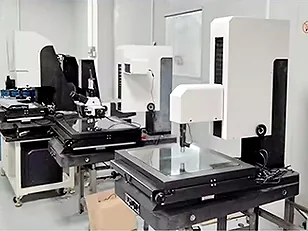
See the Factory Behind Your CNC Turned Parts
We invite procurement teams to understand our production environment, communication style, and quality documentation capabilities.



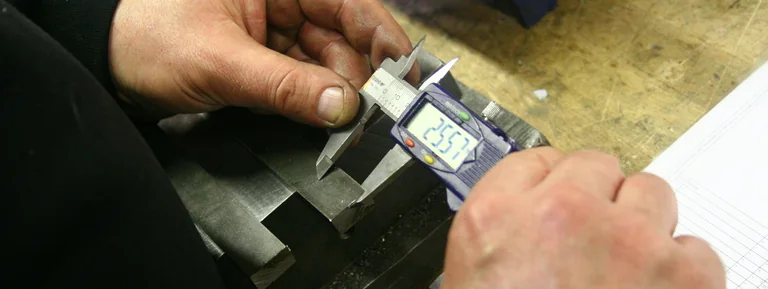
Inspection Documentation for Your CNC Turned Parts
Inspection records should match the function and critical features of your parts. Tell us during the RFQ stage if your project requires dimensional results, thread gauge records, runout checks, surface-finish data, material documentation, or another customer-specified report.
The applicable inspection method, reporting format, document scope, and availability will be confirmed before production.
Applications for Custom CNC Turned Components
Our wholesale turning services support diverse industrial sectors requiring precision engineering.
Industrial Machinery
Drive shafts, bearing housings, and custom fasteners.
Automotive & EV
Custom pins, spacers, and fluid system connectors.
Motors & Motion
Precision motor shafts and concentric drive components.
Robotics & Automation
Joint pins, custom couplings, and lightweight aluminum spacers.
Electronics & Connectors
Brass pins, threaded inserts, and communication hardware.
Valves & Pumps
Valve stems, spools, and stainless steel flow-control parts.
Precision Instruments
Small diameter Swiss-turned parts and adjustment knobs.
Tooling Support
Custom guide pins and bushings for mold and die applications.
Why Buyers Work with LuckyHxs
Strict drawing-based customization; we build what you design.
Multiple turning process options (Turning, Swiss, Turn-Mill) for optimal pricing.
Broad experience in machining both metals and engineering plastics.
Scalable support from initial samples to high-volume batch production.
Strong focus on dimensional fit, threads, burr control, and lot consistency.
Direct RFQ communication and engineering drawing review.
Wholesale CNC Lathe Parts FAQ
Answers to common questions regarding our custom turning capabilities and procurement process.
What are wholesale CNC lathe parts?
Do you manufacture parts to drawings or sell standard parts?
Do you sell replacement parts for CNC lathe machines?
What CNC turned parts can LuckyHxs manufacture?
What materials are available?
What tolerances can you hold?
Can you control runout and concentricity?
How do you inspect threads and knurled features?
Can you produce both prototypes and volume orders?
What information is needed for an accurate quote?
Can you machine cross holes, flats and slots?
What surface finishes are available?
Can you provide material and inspection documents?
How do you protect parts during packaging and shipment?
Request a Wholesale CNC Lathe Parts Quote
Send your drawing, material, and quantity for a comprehensive engineering review and cost breakdown. Your information is used strictly for quotation purposes.