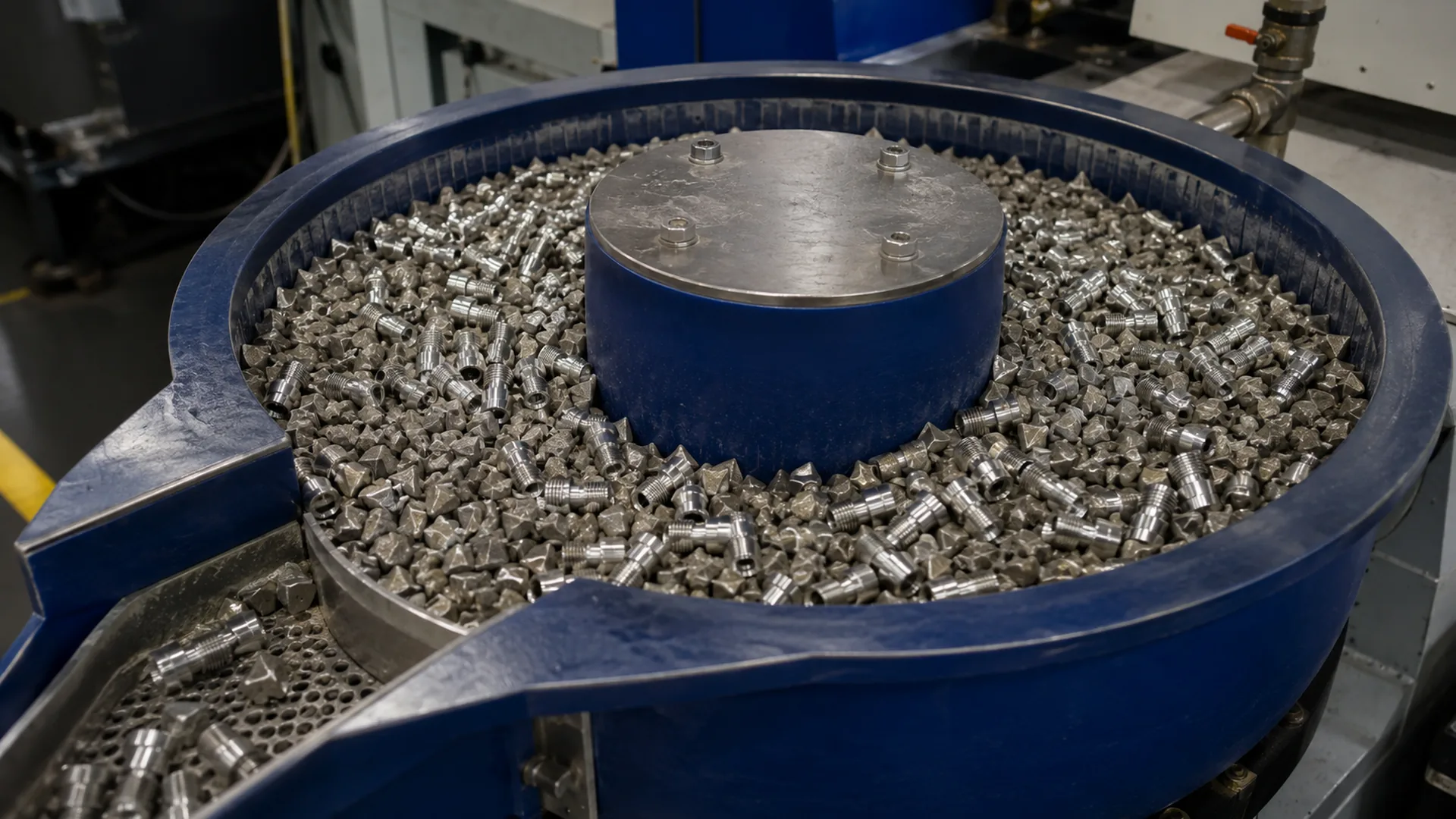
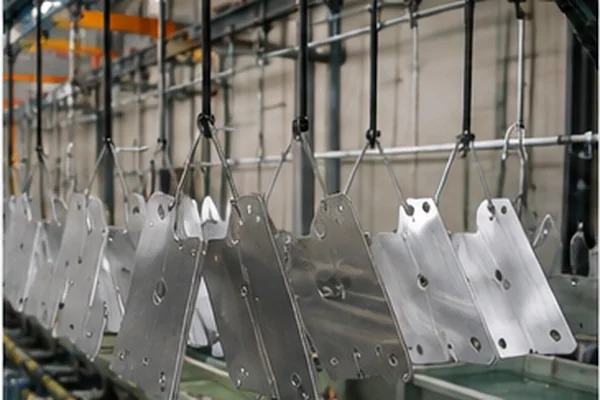
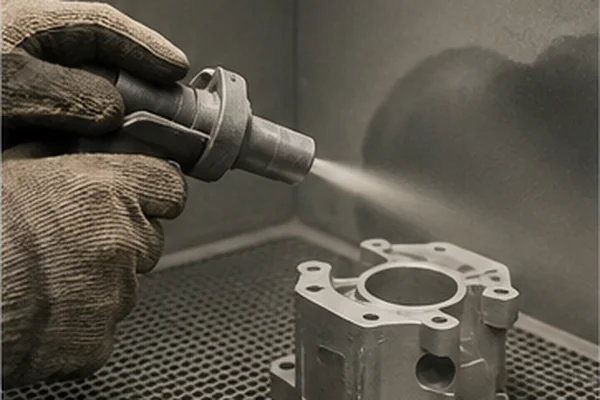
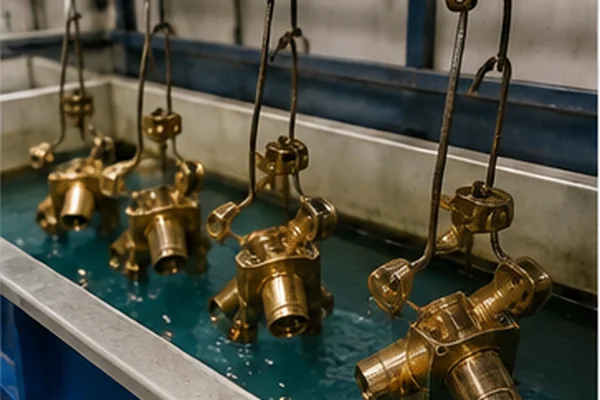
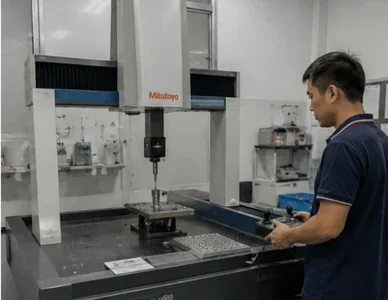
LuckyHxs provides surface finishing services for custom CNC machined parts based on material, functional surfaces, critical fits and final appearance requirements. Project options include anodizing, sandblasting, nickel plating, zinc plating, blackening, mechanical polishing, and gold or silver plating.
For precision CNC components, surface finishing is not only cosmetic. Threads, bores, locating diameters, sealing interfaces, contact areas and visible surfaces must be reviewed in the final condition the customer will actually receive.
Surface Finishing From a Precision CNC Parts Manufacturer
LuckyHxs is a precision CNC machined parts manufacturer supporting drawing-based OEM production. We review machining geometry and surface finishing requirements together so critical fits, cosmetic areas and final inspection remain connected to the same customer drawing.
Coordinated Manufacturing Workflow
DRAWING
CNC MACHINING
PRE-FINISH CHECK
SURFACE FINISHING
FINAL INSPECTION
Surface Finishing Is More Than Color or Appearance
In precision manufacturing, CNC machining surface finishes and surface treatments must balance three distinct requirements.
1. Final Appearance & Texture
Determines the cosmetic look, color, and tactile feel of the part. This includes removing machining marks through sandblasting or achieving specific colors through anodizing, while controlling surface roughness (Ra).
2. Functional Protection
Metal surface finishing provides critical wear resistance, corrosion protection, electrical conductivity, or insulation depending on the operating environment of the final assembly.
3. Dimensional Fit
Machining Complete ≠ Final Functional Part Complete. Processes like plating add material, while polishing removes it. The final dimension must be reviewed in the required finished condition.
Surface Finishing Services for CNC Machined Parts
LuckyHxs provides the following confirmed in-house and managed surface finishing options for our manufactured components.
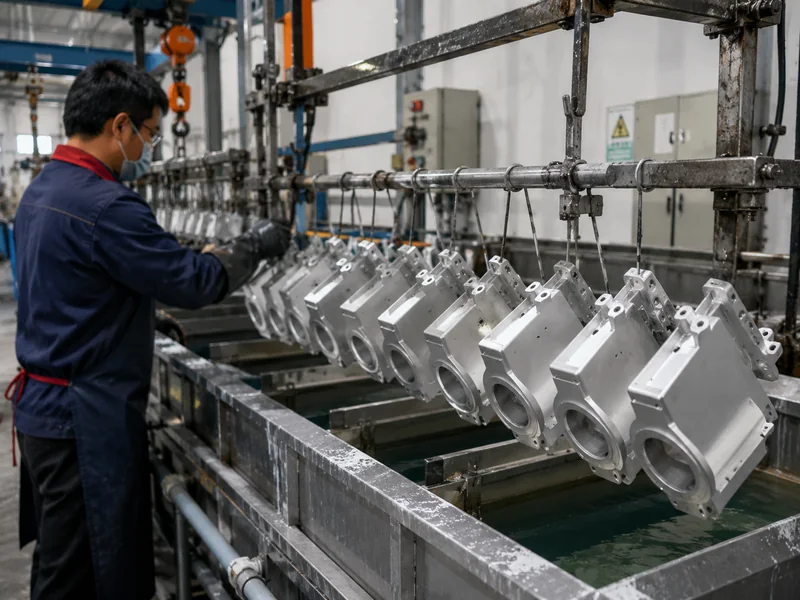
Aluminum Anodizing Services
Clear, black, and color anodizing for 6061, 6063, 6082, and 7075 aluminum parts. Project-specific review required for critical fits.
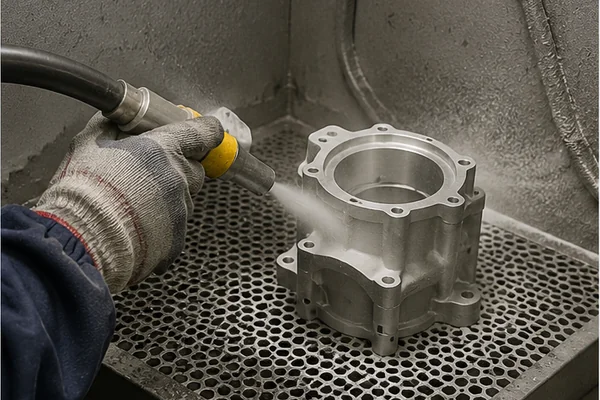
Sandblasting & Surface Texture Finishing
Uniform surface texturing and machining mark removal. Functional boundaries and critical edges must be protected.
Nickel Plating Services
Corrosion resistance and wear protection for custom CNC parts. Final inspection follows the required finished condition.
Zinc Plating Services
Blue, white, and color zinc plating for carbon steel and free-machining steel components (1214, 1215).
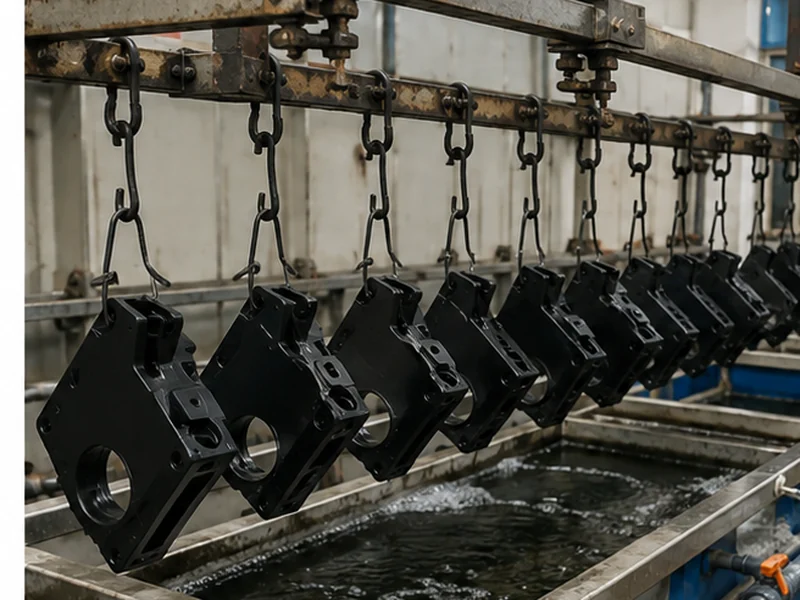
Black Oxide & Blackening Services
Surface treatment for steel shafts, pins, and mechanical parts without redefining functional geometry.
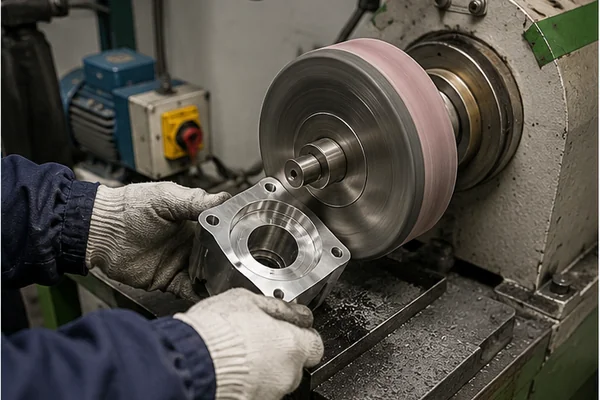
Mechanical Polishing Services
Controlled material-removal process for stainless steel, brass, and copper to improve cosmetic appearance.
Gold & Silver Plating Services
Specialty plating for connector pins, electrical contacts, and small precision brass/copper components.
Choose Metal Finishing Services by Material, Function & Final Condition
Match your base material to the appropriate surface treatment services based on your primary engineering requirement.
Base Material
Appearance / Texture
Protection / Wear
Critical Considerations
Aluminum (6061, 7075)
Color Anodizing, Sandblasting
Clear/Black Anodizing
Thread conditions, bore dimensions after anodizing
Carbon & Free-Machining Steel
Zinc Plating (Color options)
Zinc Plating, Blackening
Plating thickness buildup on threads and ODs
Stainless Steel
Mechanical Polishing
Natural Passivation (Material inherent)
Edge preservation during polishing
Brass & Copper
Polishing
Nickel, Gold, Silver Plating
Contact area masking, handling requirements
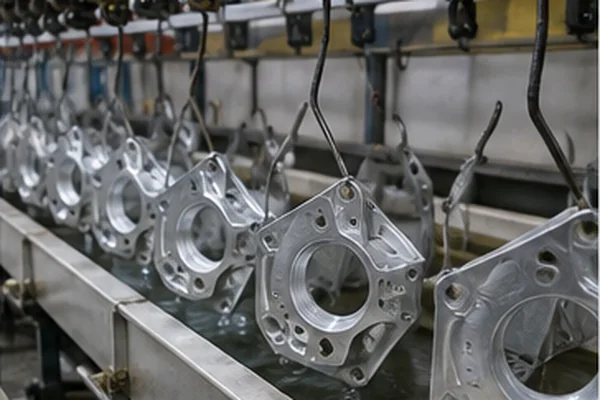
Aluminum Anodizing Services
We provide clear, black, and color anodizing services for aluminum housings, machined brackets, motor components, and sensor enclosures. Suitable for common grades like 6061, 6063, 6082, and 7075.
Buyer Watch: Critical Fits
Machining Dimension PASS ≠ Final Anodized Fit PASS. Anodizing is part of the final dimensional condition—not just a color choice.
Common Question: Does the drawing dimension apply before or after anodizing?
Sandblasting & Surface Texture Finishing
Ideal for aluminum housings, camera components, and instrument panels requiring a uniform matte finish. (Note: Sandblasting and bead blasting are common industry surface-texturing terms, but the actual finishing method must be confirmed for the project).
Uniform Appearance ≠ Uncontrolled Surface Removal. A Cosmetic Surface Still Has Functional Boundaries.
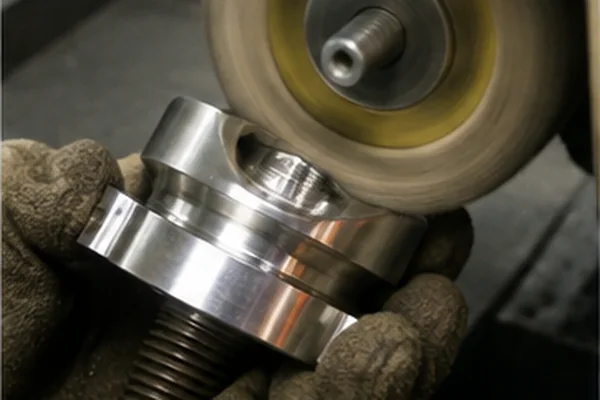
Mechanical Polishing Services
Applied to stainless components, brass, copper, and suitable aluminum parts like valve components and instrument parts to improve aesthetics or prepare for plating.
A Better-Looking Surface Should Not Come at the Cost of Functional Geometry. Polishing Is a Controlled Material-Removal Process—not Just a Cosmetic Step.
Metal Plating Services for CNC Parts
A part can pass before plating and fail after plating. Final inspection should follow the required finished condition.
Nickel Plating Services
Used for shafts, bushings, fittings, threaded parts, and connector components requiring wear and corrosion resistance. Plating coverage must be carefully calculated against critical ODs, bores, and threads.
Watch: Critical OD & Bore
Watch: Thread Engagement
Watch: Mating Interface
Zinc Plating Services
Blue zinc, white zinc, and color zinc options for steel shafts, pins, studs, and fasteners. Plating coverage provides protection but must not override the functional fit.
Suitable for Carbon Steel
Watch: Thread Buildup
Watch: Batch Appearance
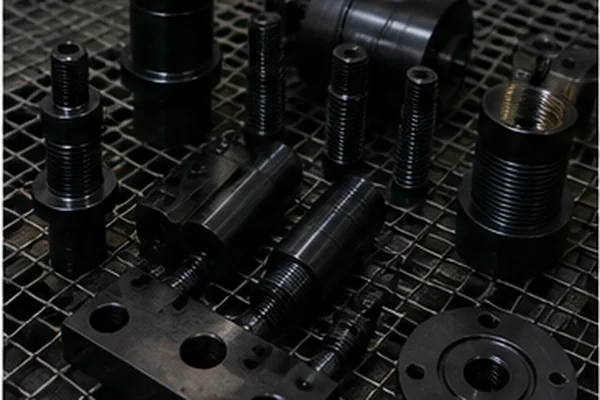
Black Oxide & Blackening Services
Surface treatment for steel shafts, pins, studs, bushings, and threaded components. Unlike heavy plating, blackening provides mild corrosion resistance and aesthetic change with minimal dimensional impact.
"Surface treatment should protect the part without redefining its functional geometry."
Buyer Watch
Final surface condition, oil retention, handling.
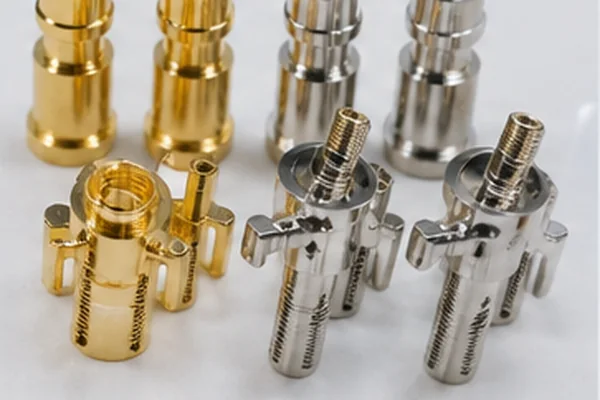
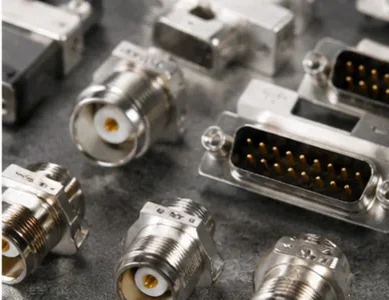
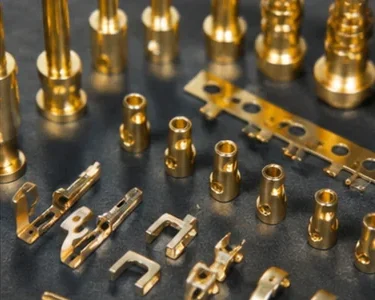
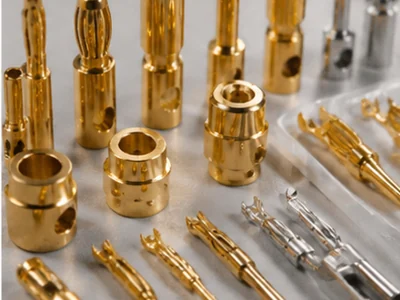
Gold & Silver Plating Services
Specialty plating for connector pins, electrical contacts, terminal components, and small precision brass/copper parts. Plating the correct surface matters as much as plating the part. Coverage, surface preparation, and handling are critical.
Need Specialty Plating?
Common CNC Machining Surface Finishes & Treatments
Not every surface-finishing process is suitable for every material, geometry or functional requirement. Below is a comparison of confirmed services vs common industry terms.
Available Through LuckyHxs (Confirmed)
AnodizingActive
SandblastingActive
Nickel PlatingActive
Zinc PlatingActive
BlackeningActive
Mechanical PolishingActive
Gold / Silver PlatingActive
Common Industry Finishes (Comparison)
These are common industry surface-finishing terms included for comparison. Availability through LuckyHxs must be confirmed before quotation.
PassivationConfirm Availability
Powder CoatingConfirm Availability
Bead BlastingIndustry Term
BrushingIndustry Term
Electroplating (General)Semantic Term
10 Surface Finishing Risks for Precision Parts
#1
Machining Passes, but Surface Finishing Changes the Final Fit
#2
The Finish Is Correct, but the Wrong Surfaces Were Coated
#3
Approved Anodized Samples Look Right, but Batch Color & Appearance Drift
#4
The Material Grade Is Correct, but the Base Material Finishes Differently
#5
Surface Preparation Improves Appearance but Alters Critical Geometry
#6
Plating Coverage Looks Good Overall but Critical Features Finish Differently
#7
The Finish Changes Appearance, but It Does Not Automatically Fix the Base Surface
#8
Re-Finishing Fixes Appearance but Changes the Underlying Part
#9
The Finish Requirement Is Subjective, so PASS and FAIL Mean Different Things
#10
The First Finish Batch Passes, but Repeat-Batch Appearance & Condition Drift
Core Engineering Risk #1
Machining Passes, but Surface Finishing Changes the Final Fit
Machining Complete ≠ Final Functional Part Complete. Dimension PASS Before Finishing ≠ Automatic Final Fit PASS After Finishing.
LuckyHxs Approach: We review drawing finish requirements, identify CTQ features, determine whether dimensions apply before or after finishing, identify protected areas, and review machining allowances where appropriate. Final inspection occurs after the required finish.
BEFORE FINISH
OD: PASS
BORE: PASS
THREAD: PASS
LOCATING FEATURE: PASS
SURFACE FINISHING
FINAL CONDITION: REQUIRES FINAL VERIFICATION
Surface Type
Action
COSMETIC SURFACE
→ FINISH
PRECISION BORE
→ PROTECT / CONFIRM
THREAD
→ PROTECT / CONFIRM
BEARING / LOCATING SURFACE
→ DRAWING-DEFINED CONDITION
SEALING FACE
→ DRAWING-DEFINED CONDITION
CONTACT AREA
→ DRAWING-DEFINED CONDITION
Core Engineering Risk #2
The Finish Is Correct, but the Wrong Surfaces Were Coated
A Good-Looking Surface Should Not Override a Critical Fit. Finishing Requirements Should Be Defined by Surface Function—not Appearance Alone.
Core Engineering Risk #10
The First Finish Batch Passes, but Repeat-Batch Appearance & Condition Drift
Sample Approval ≠ Automatic Finish Consistency Across Repeat Batches.
The underlying material grade and the condition of the as-machined surface directly dictate how the final finish adheres, looks, and functions. A poor machined surface cannot simply be "covered up" by plating.
2. Cosmetic vs Functional Surfaces
We differentiate between surfaces that only need to look good and surfaces that must mate, seal, or conduct. Acceptance standards must be defined before production—not after the finished batch arrives.
3. Inspection, Handling & Packaging
Final inspection verifies the part in its finished state. Proper handling and packaging prevent scratching or contamination of the newly finished surface during transit.
A CNC Manufacturing Partner You Can Verify
Certificates & Compliance Documents
ISO 9001
Quality Management
CE
Compliance
REACH
Compliance
ROHS
Compliance
Inside the Factory
See How LuckyHxs CNC Parts Are Machined & Inspected
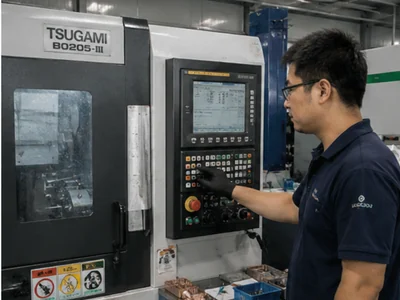
Watch a short factory video showing real CNC machining, production handling and inspection at LuckyHxs. See how custom machined parts move from machining through dimensional verification before shipment.
What Is Surface Finishing? Types & Processes for CNC Parts
Surface finishing refers to post-machining processes used to change the final surface condition of a CNC machined part for appearance, texture, protection or drawing-specified functional requirements. It is important to distinguish between Surface Finish (the physical treatment or coating) and Surface Roughness (the microscopic peaks and valleys of the machined surface itself, often measured in Ra).
Surface finishing should be chosen around material, function and final condition—not appearance alone.
How to Choose the Right Surface Finish for CNC Machined Parts
The Buyer Decision Process
STEP 1: What is the material?
STEP 2: What is the primary purpose? (Appearance, Texture, Protection, Contact Area, Final Fit?)
STEP 3: Which features are critical? (Thread, Bore, Locating OD, Sealing Face, Contact Surface?)
STEP 4: Is batch appearance important?
STEP 5: Does the drawing define final dimensions before or after finish?
ANODIZING→ Aluminum→ Color / Surface TreatmentWatch: Fit + Color
NICKEL PLATING→ PlatingWatch: Bore / Thread / Fit
ZINC PLATING→ Steel PartsWatch: OD / Thread / Appearance
BLACKENING→ SteelWatch: Final Surface + Fit
Note: Powder Coating, Passivation, Bead Blasting, and Brushing are common alternatives used in industry.
Choose the Finish Around the Part Function—not the Color Chart.
How Does Surface Finishing Affect Tolerances, Threads & Fits?
Depending on the process, surface finishing may add material (plating), convert the surface (anodizing), remove material during preparation (polishing), change edge conditions, or change local texture.
PRECISION BORERisk: Clearance Changes
CRITICAL ODRisk: Fit Changes
THREADRisk: Engagement Changes
DOWEL / LOCATINGRisk: Assembly Fit Changes
SEALING FACERisk: Surface Condition Changes
CONTACT SURFACERisk: Unwanted Coverage
Control Options
Machining Allowance, Masking / Protection, Post-Finish Machining. The appropriate method depends on the material, geometry, finish and drawing requirement.
Most Important Buyer Question:Does the drawing dimension apply before or after finishing?
The Final Dimension Must Be Defined in the Condition the Customer Actually Receives.
Frequently Asked Questions
What are surface finishing services?
Surface finishing refers to post-machining processes applied to a CNC machined part to alter its surface for appearance, protection, or specific functional requirements, such as adding a protective layer or modifying texture.
What surface finishing services does LuckyHxs provide?
LuckyHxs currently provides confirmed options including Aluminum Anodizing, Sandblasting, Nickel Plating, Zinc Plating, Blackening, Mechanical Polishing, and Gold or Silver Plating.
What are the most common CNC machining surface finishes?
Common industry processes include Anodizing, Plating, Black Oxide, Sandblasting, Bead Blasting, Polishing, Brushing, Powder Coating, and Passivation. Note that while some are common industry terms, only specific ones (like anodizing and plating) are confirmed LuckyHxs options.
What is the difference between surface finishing and surface roughness?
Surface roughness (Ra) is a measurement of the microscopic peaks and valleys left on the raw material by the cutting tool. Surface finishing is a subsequent secondary process (like plating or anodizing) applied over that machined surface.
What is the best surface finish for aluminum CNC parts?
Anodizing is the most common and effective finish for aluminum, offering corrosion resistance, surface hardness, and color options. Sandblasting is often used prior to anodizing for a uniform matte texture.
What is the difference between anodizing and plating?
Anodizing converts the surface of aluminum into an oxide layer, integrating with the base material. Plating (like nickel or zinc) deposits a new layer of a different metal onto the surface of the base material.
Does surface finishing change CNC machining tolerances?
Yes. Plating adds thickness, polishing removes material, and anodizing both penetrates and builds up slightly. The drawing must specify if dimensions apply before or after the finish is applied.
Should threads and precision bores be masked before finishing?
If the finish thickness will cause a thread to bind or a bore to fall out of tolerance, those areas must be masked off or machined with a specific pre-finish allowance.
Can anodized or plated colors vary between batches?
Yes. Slight variations in material lots, surface prep, and bath chemistry can cause minor color or appearance drift between different production batches. Acceptable limits should be defined upfront.
What information should I send for a surface finishing quote?
Please provide the latest drawing, material grade, quantity, finish type, color/appearance reference, critical dimensions, threads, bores, functional surfaces, protected areas, and inspection/packing requirements.
Need the Finish to Look Right Without Losing the Fit?
Send your latest drawing, material, quantity, required surface finish, color or appearance reference, critical dimensions, threads, bores, functional surfaces, protected areas and inspection requirements. LuckyHxs will review the CNC machining and final surface condition together before quotation.
Trusted CNC Partner
High-Precision CNC Machining
Partner with an industry leader. We provide OEM and ODM support with uncompromising quality, offering fast 3-day sample delivery for your critical projects.