
Industry News & Updates
Discover the latest advancements in CNC machining, expert engineering insights, and company announcements from Shenzhen Hongxiangsheng Technology.
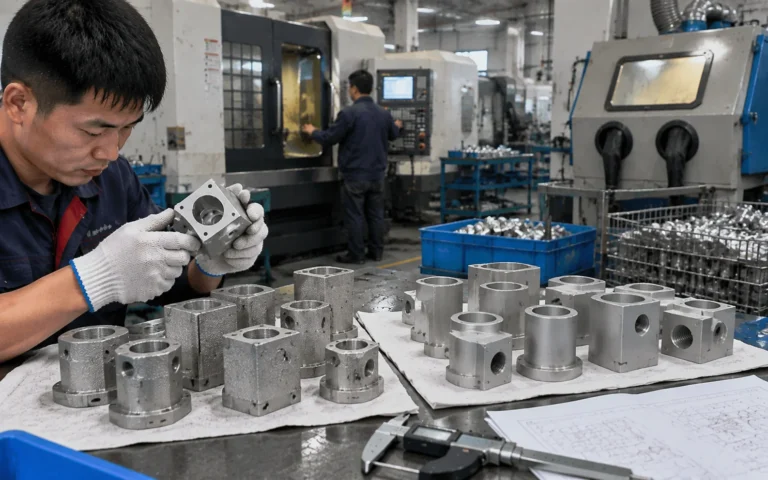
Sandblasting vs Bead Blasting for CNC Parts: What’s the Difference?
Choosing between sandblasting and bead blasting matters because the finish affects appearance, coating adhesion, corrosion resistance, dimensional consistency, and customer perception of CNC machining parts. For CNC milled aluminum parts, the right process depends on whether you need aggressive surface preparation or a smoother satin cosmetic finish. Luckyhxs helps manufacturers match blasting methods to material, […]
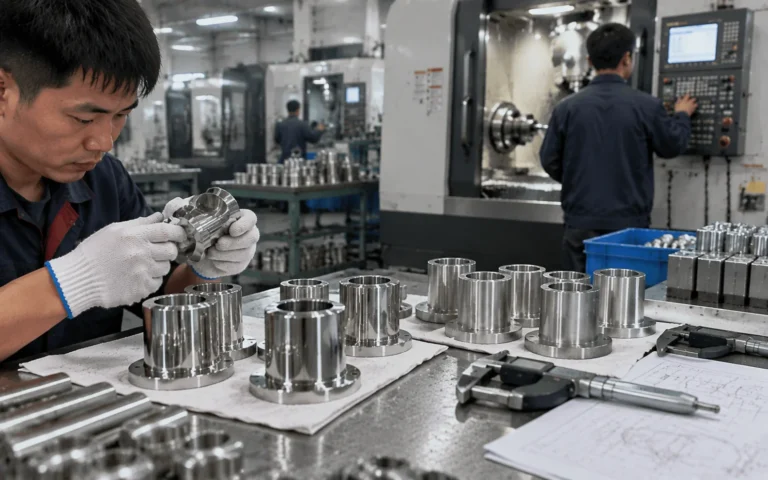
Mechanical Polishing vs Brushing: Which Finish Is Better for Stainless Steel Parts?
Choosing between mechanical polishing and brushing affects appearance, corrosion behavior, cleaning requirements, and how stainless steel CNC parts perform in real applications. Polished surfaces are smoother, brighter, and easier to clean, while brushed finishes hide fingerprints and handling marks better. For stainless steel CNC milling parts, stainless steel turned parts, and custom CNC machined components, […]
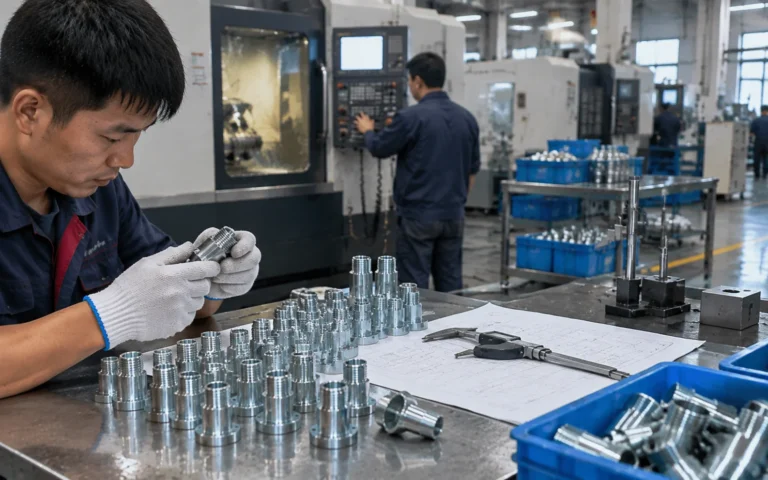
Black Oxide vs Zinc Plating for CNC Steel Parts: Which Is Better?
CNC machined steel parts often require a protective surface finish, and choosing between black oxide and zinc plating depends on corrosion exposure, dimensional tolerance, appearance, friction needs, and cost targets. Black oxide is thin, dark, and dimensionally stable, while zinc plating provides stronger sacrificial corrosion protection. For steel CNC turned parts, free-machining steel CNC lathe […]
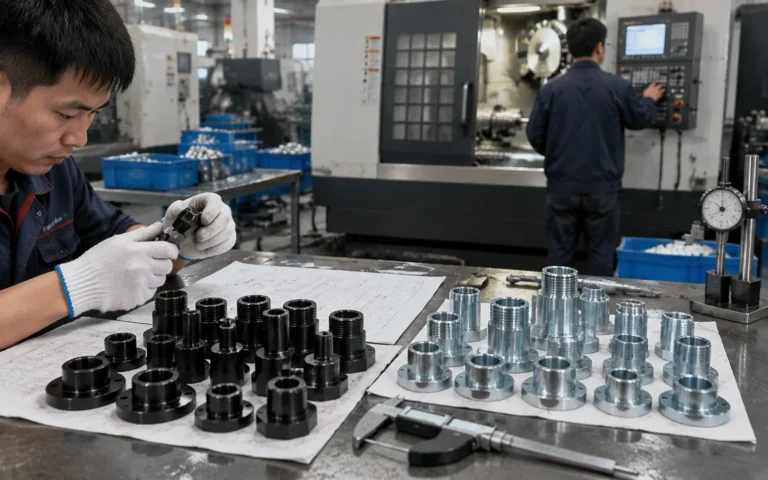
Zinc Plating for 1214 & 1215 Steel CNC Parts: Corrosion Protection Guide
Zinc plating is one of the most practical finishing options for 1214 and 1215 CNC steel parts because it improves corrosion resistance while preserving the dimensional advantages of free-machining steel. For manufacturers using precision free-cutting steel parts, zinc plating helps extend service life, improve appearance, and reduce oxidation risk in storage, shipping, and light-to-moderate operating […]
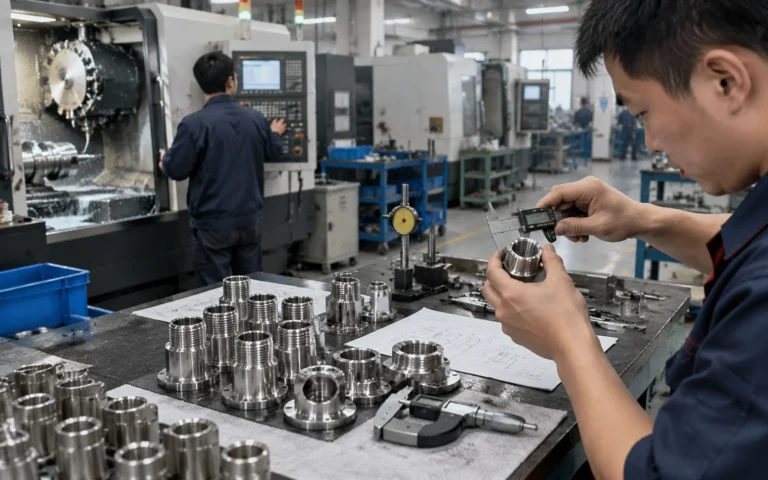
How Nickel Plating Thickness Affects CNC Tolerances, Bores & Threads
Nickel plating changes CNC dimensions because it builds measurable metal on every exposed surface, including outside diameters, internal bores, shoulders, grooves, and thread flanks. For precision CNC turned parts and small precision machined parts, even a few microns of nickel can decide whether an assembly fits smoothly, binds, or fails inspection. The key is to […]
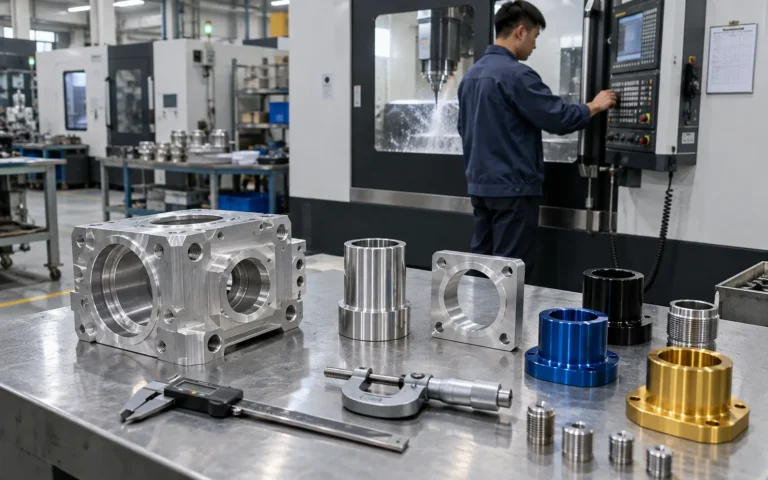
How Anodizing Affects CNC Tolerances, Holes, Threads & Fits
Anodizing improves corrosion resistance, wear performance, and appearance, but it also changes critical CNC dimensions. For anodized aluminum CNC parts, the coating grows into and out of the surface, affecting holes, threads, slots, bores, shafts, and press fits. Successful aluminum anodizing services start with tolerance planning, masking strategy, and machining offsets before finishing—not after inspection. […]
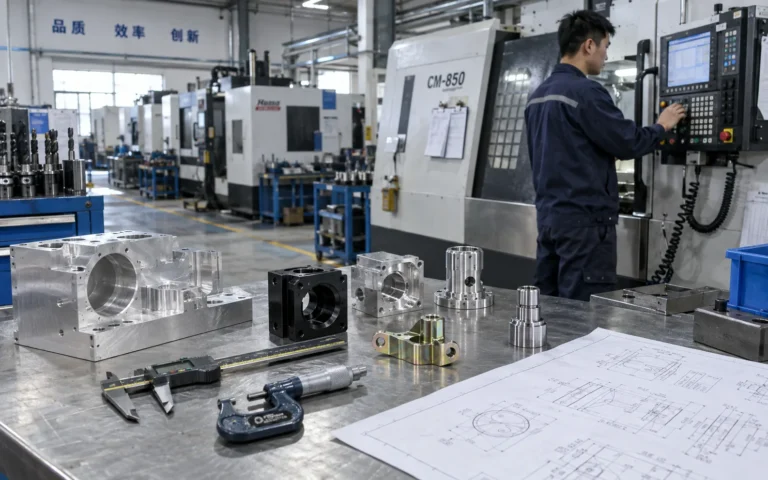
Does the Drawing Dimension Apply Before or After Finishing?
In most CNC manufacturing cases, drawing dimensions apply to the finished part after machining, plating, anodizing, coating, or other surface finishing unless the drawing clearly states otherwise. This distinction matters because even thin finishes can change critical sizes, fits, threads, bores, and tolerances. For custom CNC machined parts, Luckyhxs recommends confirming finishing assumptions before production […]
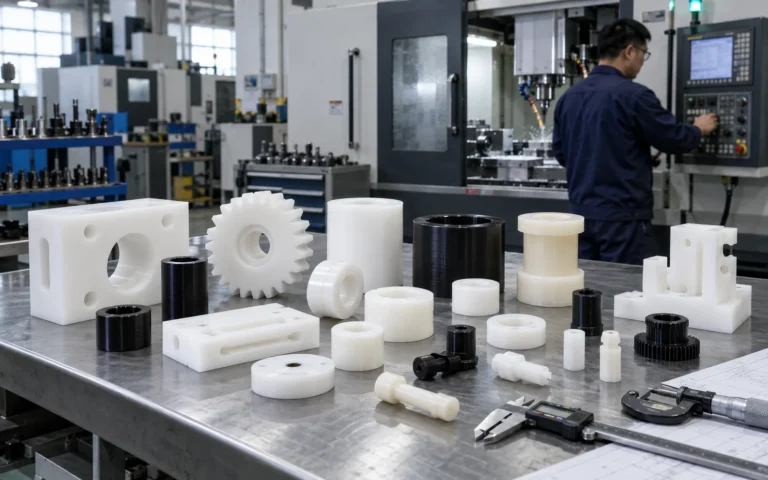
POM CNC Machining: Tolerances, Warping & Dimensional Stability Guide
POM is a preferred engineering plastic for tight-tolerance components because it combines low friction, high stiffness, good wear resistance, and reliable machinability. For buyers and engineers, the main challenges are controlling POM machining tolerances, reducing POM machining warping, and preserving POM dimensional stability from raw stock to final inspection. Luckyhxs focuses on practical CNC strategies […]
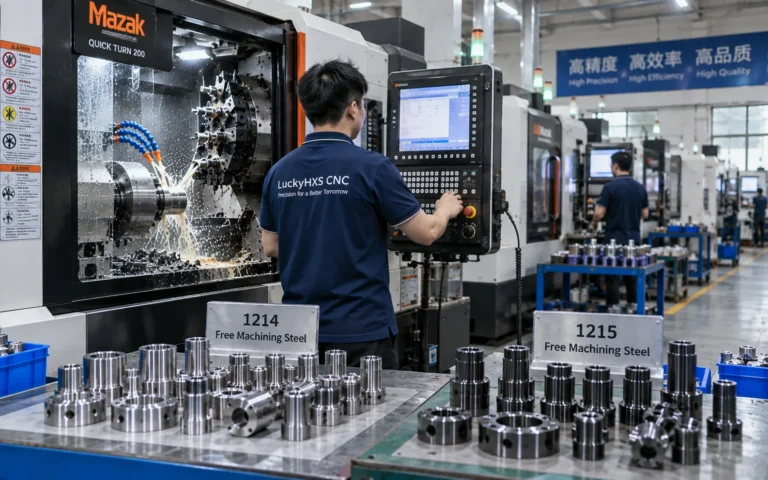
1214 vs 1215 Free-Machining Steel: Differences, Machinability & Applications
Choosing between 1214 and 1215 free-machining steel matters when a CNC part must combine fast cycle times, clean chip control, stable dimensions, and cost-efficient production. Both grades are widely used for CNC turned steel parts, Swiss machined steel parts, shafts, pins, bushings, fittings, and precision lathe components, but their sulfur and lead-related characteristics affect machinability, […]