
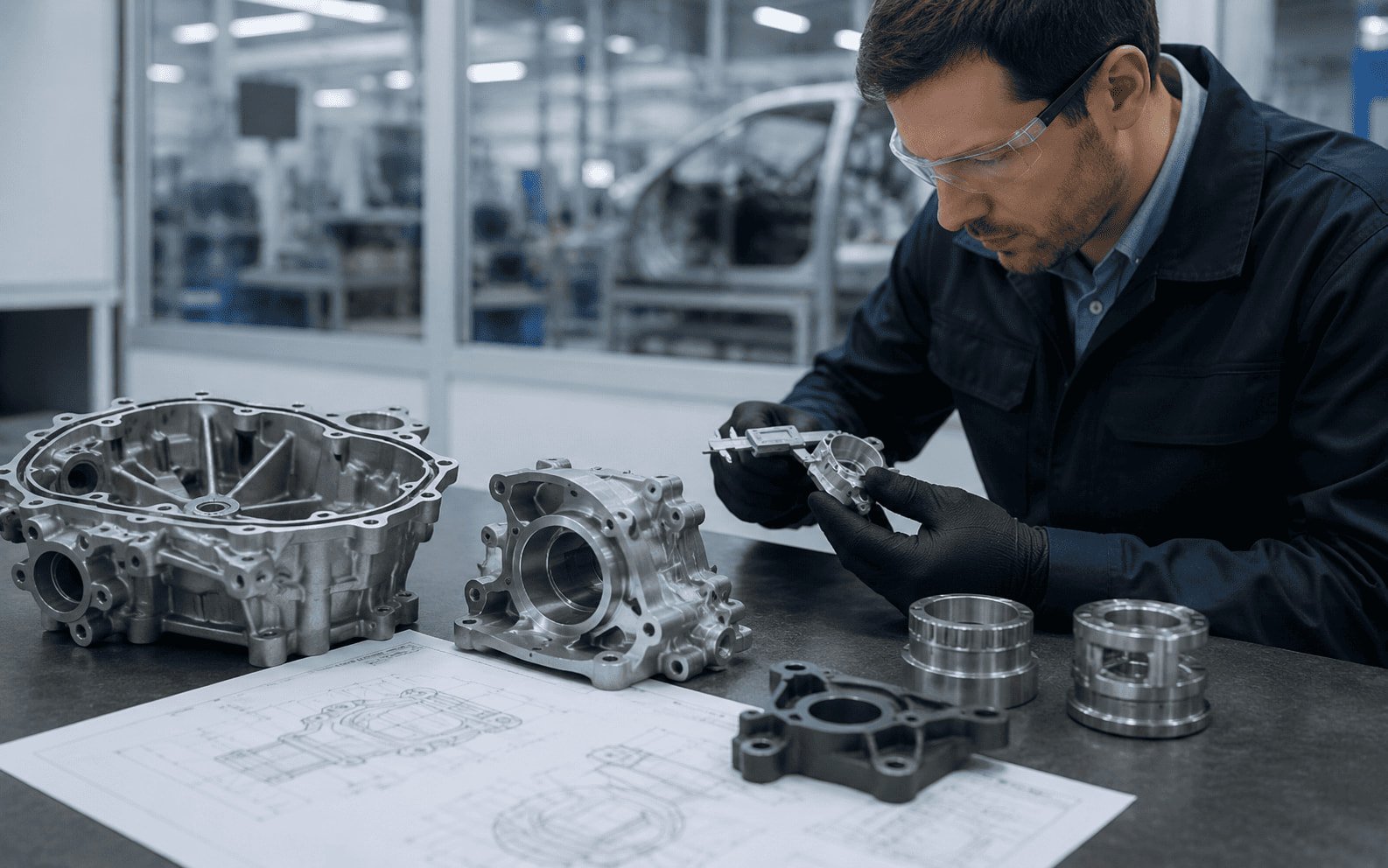
OEM means “Original Equipment Manufacturer,” and in the auto parts industry it refers to parts made to the vehicle maker’s original specifications. For precision components such as Aluminum CNC Parts, Stainless Steel Parts, Brass & Copper Parts, Plastic CNC Machined Parts, and Free-Machining Steel Parts, OEM quality depends on material control, tight tolerances, traceability, and consistent production processes.
What is Aluminum CNC Parts,Stainless Steel Parts,Brass & Copper Parts,Plastic CNC Machined Parts,Free-Machining Steel Parts?
These are precision CNC machining parts produced from different materials to meet specific mechanical, thermal, corrosion, weight, and cost requirements. In automotive applications, they may include Precision Shafts, Bushings & Sleeves, Precision Pins, Threaded Inserts, cnc turning parts, cnc milling parts, cnc lathe parts, and swiss machined parts.
Material Categories and Automotive Uses
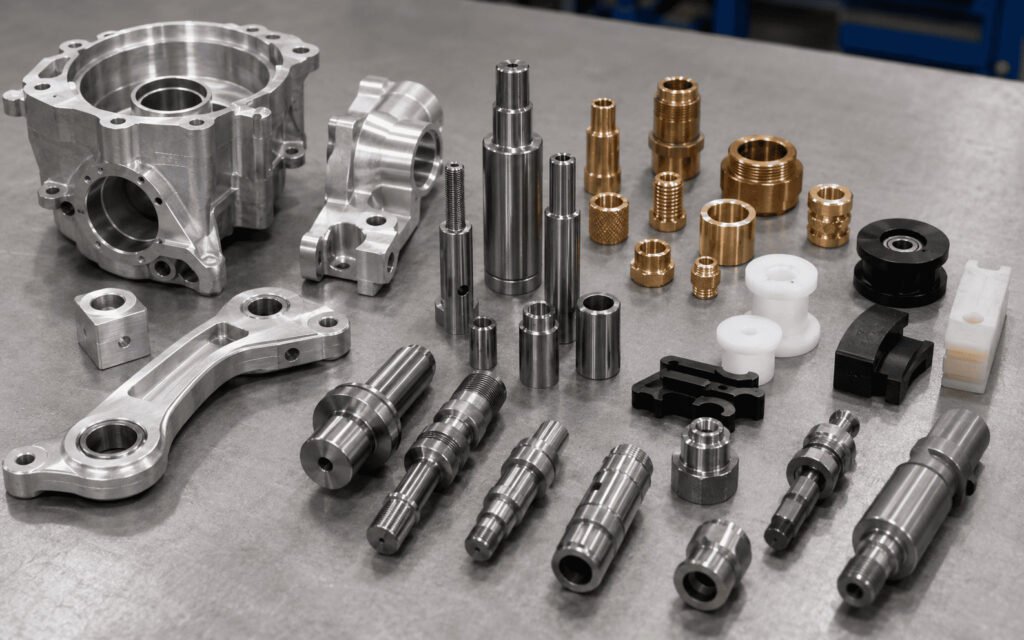
Aluminum, stainless steel, brass, copper, plastics, and free-machining steel are commonly selected according to the function of the part. In automotive CNC machining, each material supports different performance needs, from lightweight structural components to conductive terminals, wear-resistant sleeves, and corrosion-resistant fittings.
Based on our internal data and market analysis, here is the breakdown:
| Material Type | Common CNC Auto Parts | Key Benefits | Typical Applications |
|---|---|---|---|
| Aluminum CNC Parts | Housings, brackets, adapters, covers | Lightweight, corrosion-resistant, easy to machine | EV systems, engine accessories, suspension-related parts |
| Stainless Steel Parts | Shafts, pins, fasteners, sleeves | High strength, corrosion resistance, durability | Fuel systems, exhaust-related components, safety assemblies |
| Brass & Copper Parts | Threaded inserts, electrical contacts, bushings | Conductivity, wear resistance, stable machining | Electrical systems, connectors, sensor housings |
| Plastic CNC Machined Parts | Insulators, guides, spacers, prototypes | Lightweight, non-conductive, chemical resistance | Interior mechanisms, electronics, fluid-handling parts |
| Free-Machining Steel Parts | Precision shafts, pins, turned parts | Cost-effective, excellent machinability | High-volume cnc lathe parts and cnc turning parts |
Luckyhxs Pro Tip: When we review an OEM-style CNC part, we do not choose material by price alone. We first confirm load, temperature, corrosion exposure, tolerance, surface finish, and assembly method, then match the material to the real working condition.
How Does Aluminum CNC Parts,Stainless Steel Parts,Brass & Copper Parts,Plastic CNC Machined Parts,Free-Machining Steel Parts Work?
These parts work by being machined to precise shapes and tolerances so they can fit, move, seal, conduct, support, or fasten within an automotive assembly. CNC machining car parts relies on controlled cutting, drilling, milling, turning, and inspection to achieve repeatable OEM-level dimensions.
CNC Manufacturing Workflow for Automotive Parts
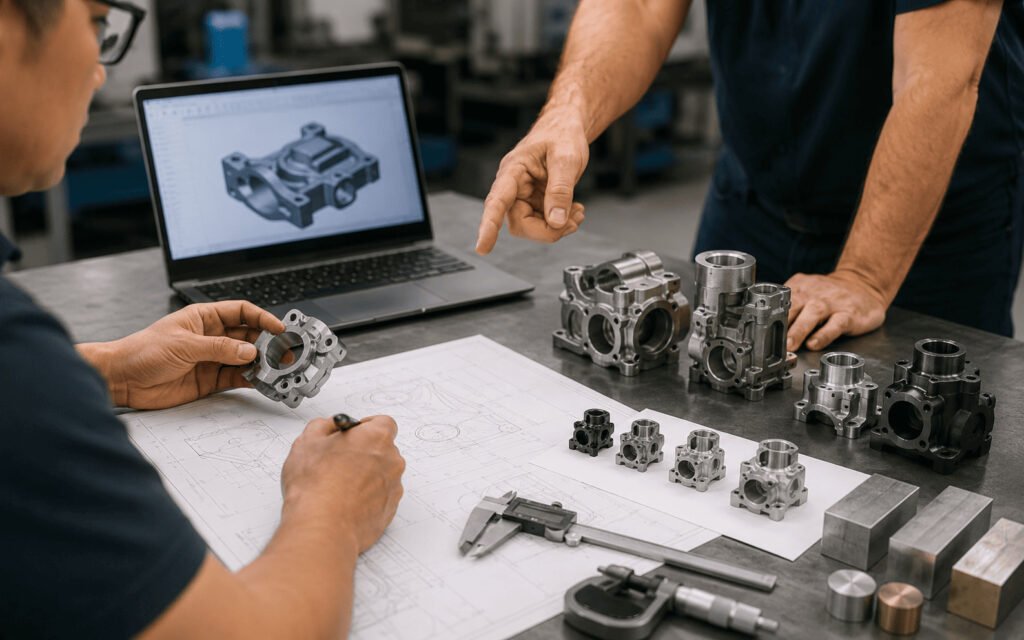
CNC automotive parts are produced by translating engineering drawings or 3D CAD models into machine instructions. The CNC machine then removes material from a billet, bar, plate, or casting until the final geometry is achieved.
A typical process includes:
- Drawing and specification review
The manufacturer checks dimensions, tolerances, material grade, surface finish, thread type, and inspection requirements. - Material selection and preparation
Aluminum, stainless steel, brass, copper, engineering plastic, or free-machining steel is selected based on the part’s operating environment. - CNC programming
CAM software generates toolpaths for cnc milling parts, cnc turning parts, cnc lathe parts, or swiss machined parts. - Machining operation
Cutting tools shape the component through turning, milling, drilling, threading, boring, grooving, or multi-axis machining. - Secondary processing
Parts may receive anodizing, passivation, plating, heat treatment, deburring, polishing, or laser marking. - Quality inspection
Critical dimensions are verified using calipers, micrometers, gauges, CMM inspection, surface roughness testing, or thread gauges.
Luckyhxs Pro Tip: For automotive CNC machining, we always recommend confirming the inspection plan before mass production. A good drawing is important, but a clear inspection standard is what protects fit, function, and repeatability.
Which is better, OE or OEM?
OE parts are original equipment parts supplied through the vehicle manufacturer’s official channel, while OEM parts are made by the original equipment manufacturer or to equivalent original specifications. OE is often preferred for dealership certainty, but OEM can offer the same technical standard with better sourcing flexibility.
OE vs OEM in Practical Purchasing
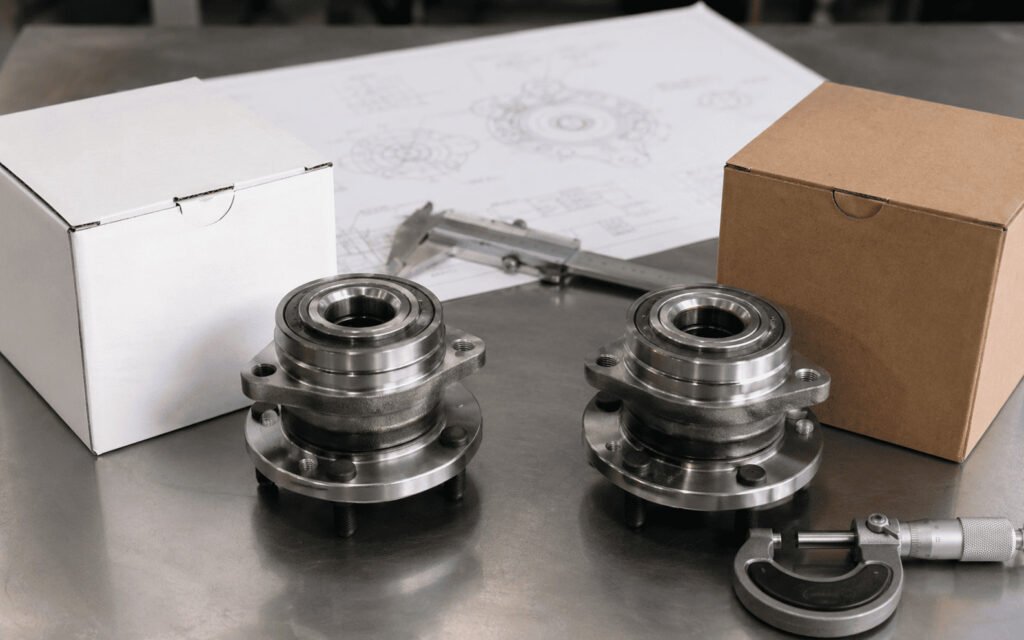
OE and OEM are closely related, but they are not always sold through the same channel. OE usually carries the car brand’s packaging and dealership distribution. OEM parts may come from the same factory or an approved supplier but are often sold under the manufacturer’s name rather than the vehicle brand.
Based on our internal data and market analysis, here is the breakdown:
| Factor | OE Parts | OEM Parts |
|---|---|---|
| Meaning | Original Equipment supplied through the car brand | Original Equipment Manufacturer part or equivalent specification |
| Packaging | Usually vehicle brand packaging | Supplier or manufacturer packaging |
| Fitment Confidence | Very high | High when properly specified |
| Cost | Usually higher | Often more competitive |
| Availability | May depend on dealership network | Often broader through industrial supply channels |
| Best For | Warranty repairs, dealership service, brand-controlled replacement | Production sourcing, repair programs, custom automotive cnc machining |
For CNC auto parts, the difference often comes down to specification control. If an OEM manufacturer such as Luckyhxs produces cnc car parts to the correct drawing, tolerance, material, and finish, the result can meet the same functional requirements expected in original assemblies.
Luckyhxs Pro Tip: I would not judge OE or OEM by the label alone. Ask for the drawing standard, material certificate, tolerance report, and surface treatment specification. Those documents reveal far more than packaging.
Is AutoZone OEM or aftermarket?
AutoZone is primarily an aftermarket auto parts retailer, although it may sell some parts that are OEM-equivalent or sourced from recognized manufacturers. In most cases, AutoZone products are replacement parts designed to fit and function like original parts, not necessarily OE parts from the vehicle brand.
Understanding Retail Channels and Part Labels
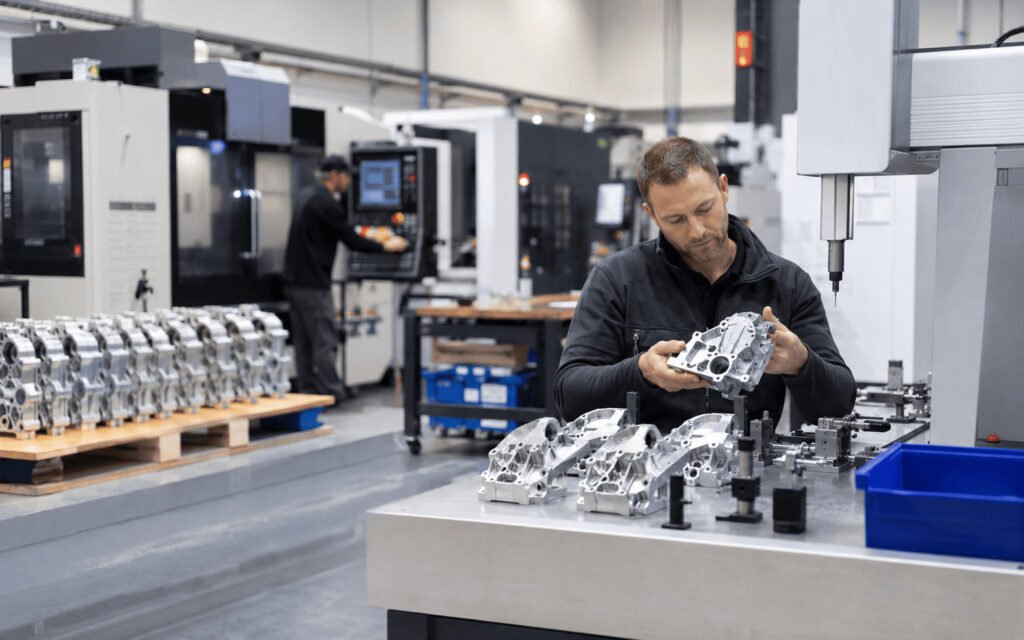
Retailers such as AutoZone typically focus on replacement and maintenance parts for broad vehicle coverage. These can include aftermarket parts, remanufactured parts, performance parts, and sometimes parts made by companies that also supply OEM programs.
Key distinctions include:
- OE parts are usually sold through dealerships or official brand channels.
- OEM parts are made by the original equipment manufacturer or to original specifications.
- Aftermarket parts are made for replacement use and may vary in design, material, or price.
- OEM-equivalent parts are marketed to match original fit and function but may not come in vehicle-brand packaging.
- Custom CNC automotive parts are manufactured to a drawing or sample, often for production, restoration, modification, or specialized assemblies.
For precision items like Precision Shafts, Bushings & Sleeves, Precision Pins, and Threaded Inserts, the label matters less than dimensional accuracy, material grade, and inspection control.
Luckyhxs Pro Tip: If you are replacing a simple maintenance item, aftermarket may be acceptable. If the part controls alignment, safety, sealing, or motion, I recommend verifying the exact tolerance and material before approving any substitute.
What car brands are OEM?
Car brands such as Toyota, Ford, BMW, Mercedes-Benz, Honda, GM, Volkswagen, Hyundai, and Tesla are vehicle manufacturers that define OE specifications, but they often rely on OEM suppliers to produce many components. The brand designs or approves the part, while specialized manufacturers may make it.
How Vehicle Brands Work with OEM Suppliers
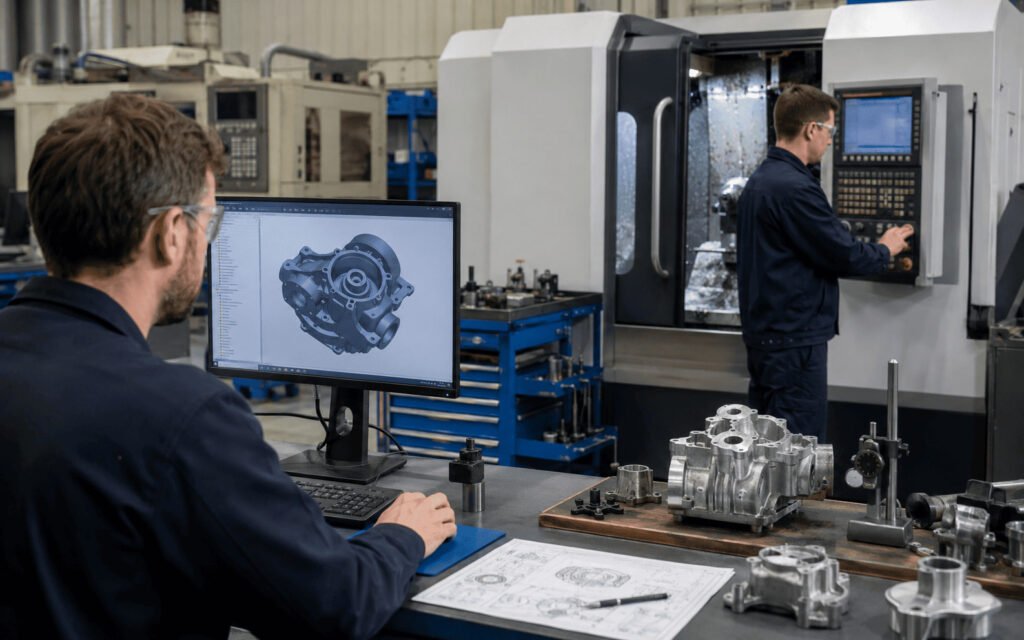
Automotive manufacturing is built on supplier networks. A car brand may design the vehicle and define performance standards, but many components are produced by Tier 1, Tier 2, and specialist manufacturers. CNC machining suppliers can support these networks by producing precise metal and plastic components.
Common OEM supply relationships include:
- Vehicle manufacturer defines the requirement
The automaker sets performance, safety, durability, and fitment standards. - Tier supplier develops or sources the part
A Tier 1 supplier may manage complete assemblies such as braking, steering, electronics, or seating systems. - CNC machining supplier manufactures precision components
Companies like Luckyhxs may produce cnc turning milling parts, cnc milling parts, cnc turning parts, and swiss machined parts according to approved drawings. - Inspection and traceability are documented
Material certificates, dimensional reports, and production records support quality assurance. - Parts enter assembly or service channels
Finished components may go into new vehicle production, service parts, or specialized replacement programs.
Luckyhxs Pro Tip: In automotive sourcing, the car brand is only one part of the story. I always ask where the part is made, who controls the drawing, and whether the supplier can maintain the same tolerance across every batch.
Key Features & Comparison
High-quality CNC automotive parts are defined by precision, material suitability, stable repeatability, surface finish control, and reliable inspection. Whether the part is aluminum, stainless steel, brass, copper, plastic, or free-machining steel, the best choice depends on the application’s load, environment, conductivity, weight, and cost targets.
Performance Comparison for CNC Machined Auto Parts
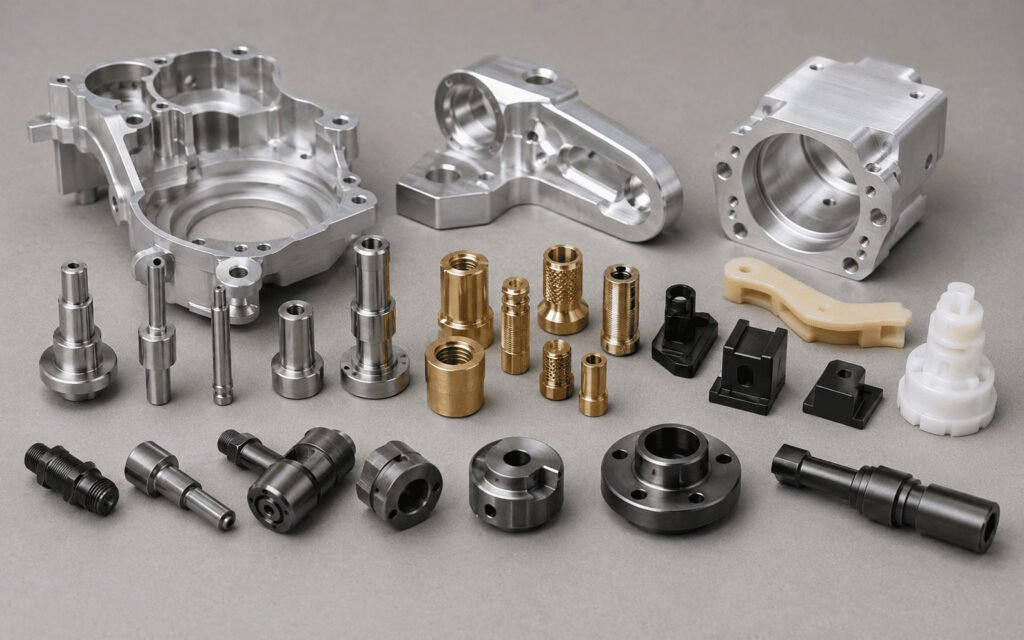
Based on our internal data and market analysis, here is the breakdown:
| Feature | Aluminum CNC Parts | Stainless Steel Parts | Brass & Copper Parts | Plastic CNC Machined Parts | Free-Machining Steel Parts |
|---|---|---|---|---|---|
| Weight | Excellent lightweight option | Heavier | Medium to heavy | Very lightweight | Medium |
| Strength | Good | Excellent | Moderate | Low to moderate | Good |
| Corrosion Resistance | Good, especially anodized | Excellent | Good | Excellent for many chemicals | Moderate unless coated |
| Machinability | Excellent | Moderate | Excellent | Good, material-dependent | Excellent |
| Conductivity | Moderate thermal conductivity | Low electrical conductivity | Excellent electrical/thermal conductivity | Insulating | Low |
| Cost Efficiency | Good | Medium to high | Medium to high | Good for specific uses | Excellent for volume production |
| Common Processes | CNC milling, CNC turning | CNC turning, milling, threading | Swiss machining, turning | Milling, routing, turning | High-speed cnc lathe parts |
| Typical Auto Uses | Brackets, housings, adapters | Pins, shafts, sleeves | Inserts, connectors, bushings | Insulators, spacers, guides | Precision pins, shafts, fittings |
The right part is rarely the strongest or cheapest option by default. For cnc automotive parts, the best choice is the one that balances mechanical performance, manufacturability, finishing requirements, and total production cost.
Luckyhxs Pro Tip: If two materials appear suitable, I recommend prototyping both and testing them in the actual assembly. Real-world fit, vibration, heat, and wear often reveal details that a drawing alone cannot show.
Cost & Buying Factors
The cost of CNC machining car parts depends on material, tolerance, complexity, order quantity, surface finish, inspection requirements, and lead time. OEM-style parts usually cost more than generic replacements because they require tighter control, better documentation, consistent repeatability, and validated production processes.
Pricing Drivers for OEM-Style CNC Auto Parts
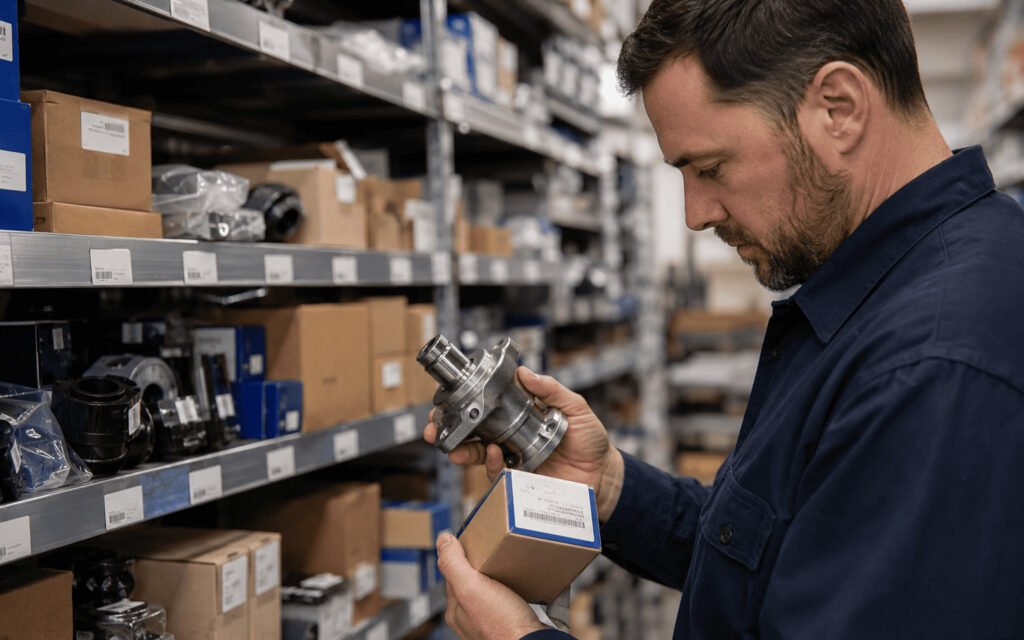
When buying cnc auto parts, price should be evaluated through total value rather than unit cost alone. A low-cost part that fails inspection, wears quickly, or causes assembly problems can become far more expensive than a properly manufactured part.
Based on our internal data and market analysis, here is the breakdown:
| Buying Factor | Impact on Cost | What to Check |
|---|---|---|
| Material Grade | High | Confirm alloy, hardness, certification, and application suitability |
| Tolerance Requirement | High | Tight tolerances increase machining time and inspection demand |
| Part Complexity | High | Deep holes, thin walls, threads, undercuts, and multi-axis features add cost |
| Quantity | Medium to high | Larger batches reduce setup cost per part |
| Surface Finish | Medium | Anodizing, plating, passivation, polishing, or coating affects price |
| Inspection Level | Medium | CMM reports, PPAP-style documentation, and full inspection increase cost |
| Lead Time | Medium | Urgent production may require priority scheduling |
| Supplier Capability | High | Experienced suppliers reduce risk, scrap, and communication delays |
For Luckyhxs, a reliable quote normally requires a 2D drawing, 3D model, material requirement, quantity, finish, tolerance standard, and inspection expectations. If the original part is unavailable, a physical sample can also help with reverse engineering.
Luckyhxs Pro Tip: Before requesting a quotation, prepare the drawing, quantity, target material, and finish requirement. Clear information reduces back-and-forth communication and usually helps us provide a faster, more accurate price.
Conclusion
OEM refers to original equipment manufacturer standards, but in real purchasing, quality depends on more than a label. For Aluminum CNC Parts, Stainless Steel Parts, Brass & Copper Parts, Plastic CNC Machined Parts, and Free-Machining Steel Parts, the key is precision manufacturing, verified materials, and dependable inspection.
Choosing the Right CNC Machining Partner
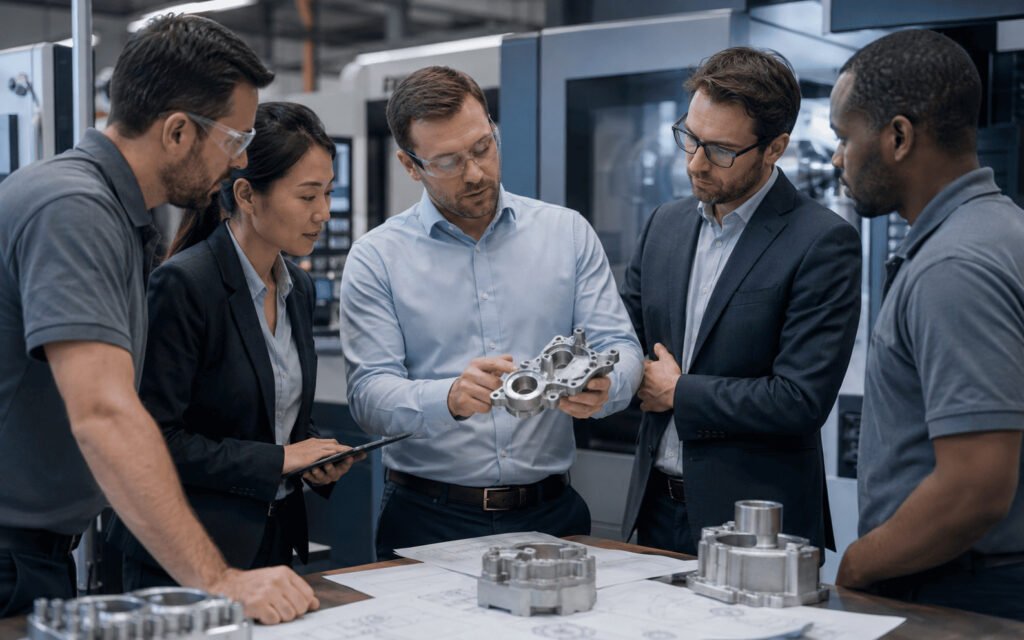
For automotive cnc machining, a strong supplier should understand both engineering requirements and production realities. The right partner can help optimize material choice, improve manufacturability, control tolerance risk, and deliver consistent cnc automotive parts for prototypes, small batches, or mass production.
When selecting a supplier, look for:
- Experience with cnc turning parts, cnc milling parts, cnc lathe parts, and swiss machined parts.
- Capability to produce Precision Shafts, Bushings & Sleeves, Precision Pins, and Threaded Inserts.
- Support for aluminum, stainless steel, brass, copper, plastic, and free-machining steel.
- Clear communication on tolerances, finishes, inspection, and lead times.
- Quality documentation such as material certificates and dimensional reports.
Luckyhxs supports custom cnc car parts and precision machined components for automotive, industrial, and mechanical applications. If you need OEM-style manufacturing support, the best next step is to share your drawing, sample, or project requirements for technical review.
Luckyhxs Pro Tip: My final recommendation is simple: do not buy automotive CNC parts only by name, price, or photo. Buy by specification, inspection standard, and supplier capability. That is how you protect fit, function, and long-term reliability.